Laily UPN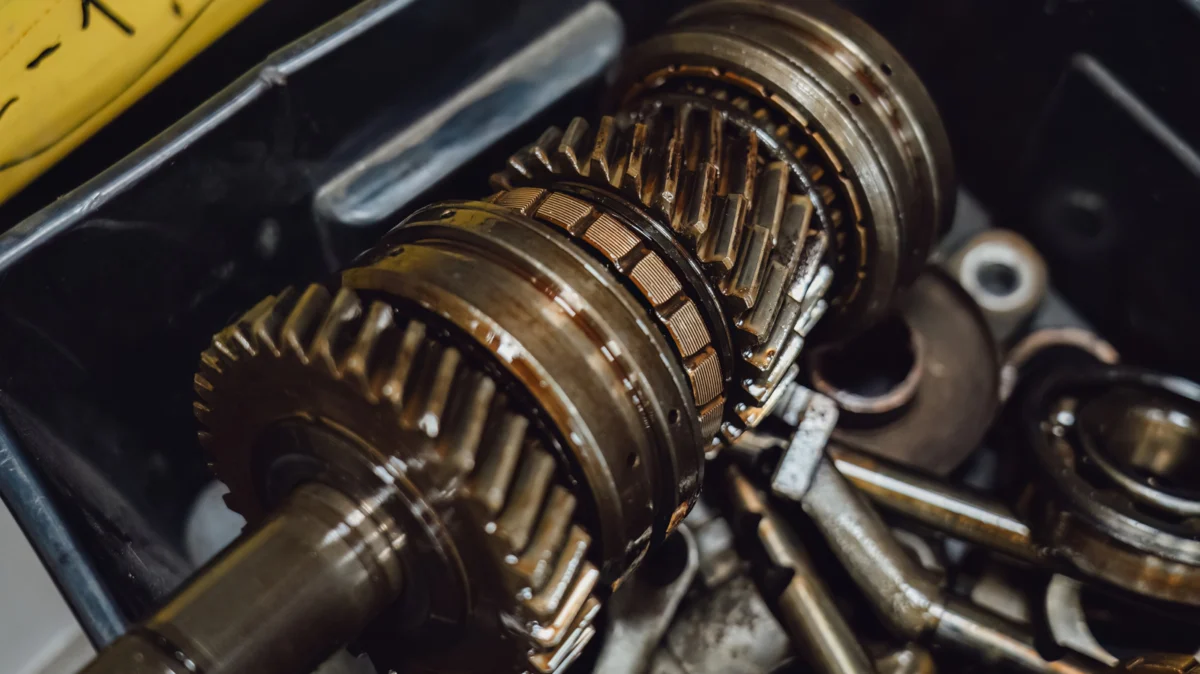
For the automotive enthusiast, the manual transmission represents the final frontier of driver-machine connection. In an era dominated by seamless, computer-controlled automatic gearboxes and the silent, gearless acceleration of electric vehicles, the "three-pedal" setup remains a hallmark of engagement. However, beyond the tactile joy of rowing your own gears lies a complex mechanical reality. Whether you are eyeing a high-mileage vintage sports car or maintaining a daily driver, understanding the lifecycle of a manual transmission is essential for long-term ownership.
The Core Facts: How Long Should a Transmission Last?
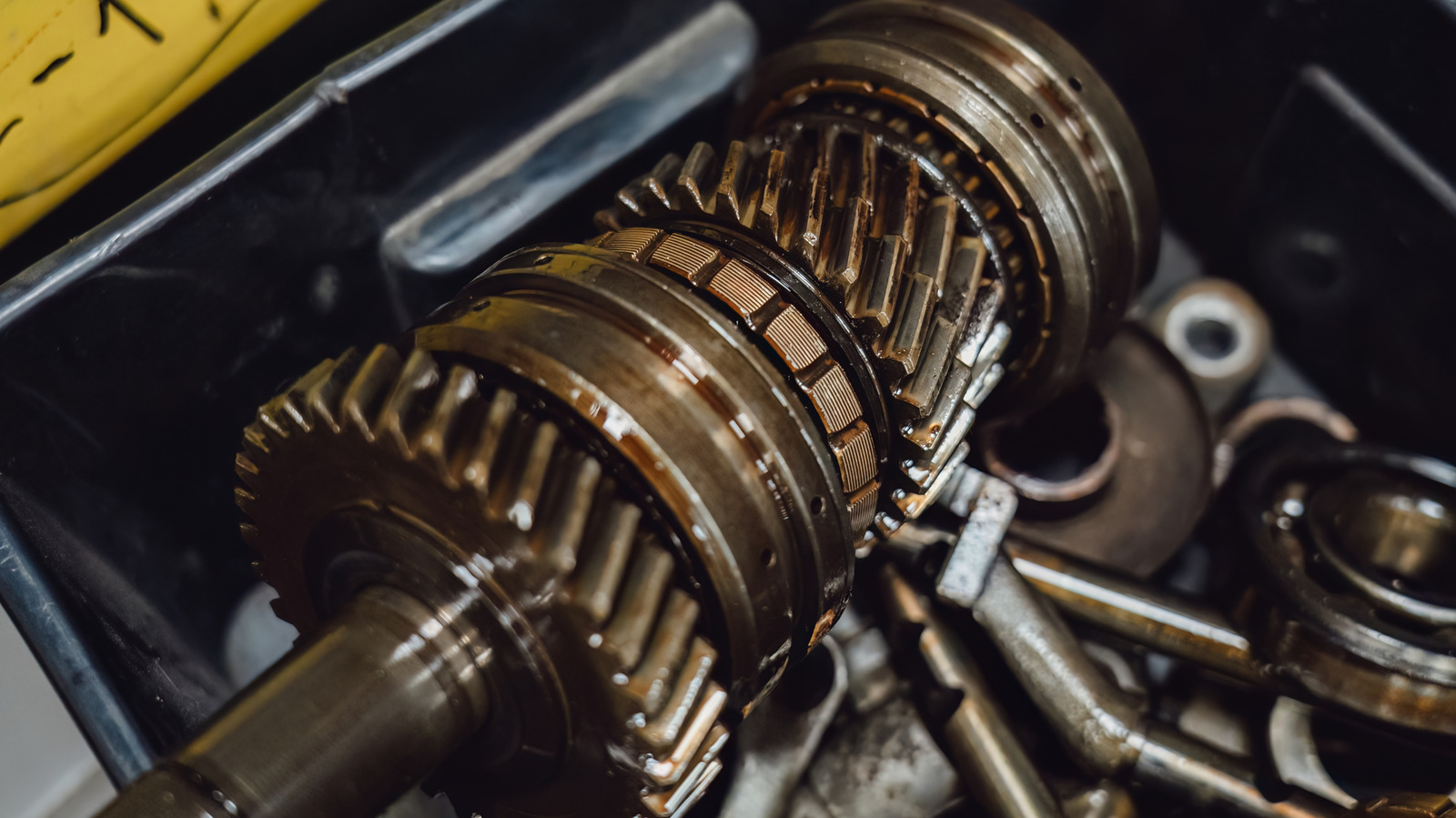
When we discuss the "lifespan" of a manual transmission, we are referring to the gearbox assembly itself—the internal shafts, gears, bearings, and synchronizers. This is distinct from the clutch, which is a wearable friction component designed to be replaced periodically.
Under normal operating conditions and with diligent maintenance, a well-engineered manual transmission is remarkably durable. Industry benchmarks suggest that a passenger car manual transmission can comfortably achieve a service life of 150,000 to 200,000 miles. In practical terms, for the average driver, this equates to roughly 10 to 15 years of reliable service.
Unlike modern torque-converter automatics or dual-clutch transmissions (DCTs) that rely on complex mechatronics, valve bodies, and cooling systems, the manual gearbox is a model of mechanical simplicity. Its longevity is directly tied to the quality of the lubricating fluid and the temperament of the driver.
A Chronology of Wear: From Factory Fresh to High Mileage
The life cycle of a manual transmission is not a linear decline; it is a series of stages defined by how the internal components interact over time.
1. The Break-in Period (0 – 10,000 Miles)
During the initial phase, the precision-cut gears and bearings are "mating." Small amounts of microscopic metal particles are normal as surfaces seat themselves. This is why many manufacturers recommend a fluid change shortly after the break-in period to flush out the factory casting debris.
2. The Mature Operation (10,000 – 100,000 Miles)
This is the "sweet spot." If the transmission fluid is changed according to the manufacturer’s intervals (typically every 30,000 to 60,000 miles), the transmission should operate with crisp, predictable feedback. The synchronizers—the brass or composite rings that match the speed of the gears—should engage effortlessly.
3. The Aging Process (100,000 – 200,000 Miles)
As the vehicle crosses the six-figure mark, wear begins to manifest. The fluid loses its viscosity and additive packages, leading to increased heat and friction. If the fluid has been neglected, the synchronizers may begin to thin, leading to the dreaded "crunch" during gear changes. At this stage, seals may also begin to weep, potentially leading to low fluid levels and catastrophic internal heat buildup.
Supporting Data: Factors That Influence Longevity
Why do some transmissions fail at 80,000 miles while others thrive past 250,000? The answer lies in the variables of usage.
The Role of Torque and Load
Every transmission is engineered with a specific torque rating. Modifying an engine to produce significantly more power than the transmission was designed to handle is a primary cause of premature failure. Exceeding torque limits puts immense stress on the gear teeth, which can lead to chipped gear faces or bent input shafts.
The "Driver Factor"
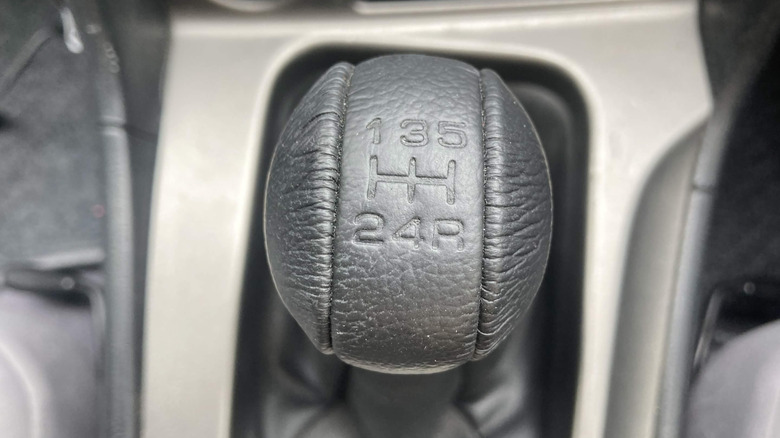
Because the driver controls the gear selection, the transmission is subject to human error. Common habits that shorten lifespan include:
- Riding the Shifter: Resting your hand on the gear lever while driving puts constant, unnecessary pressure on the shift forks and synchronizers.
- "Lugging" the Engine: Driving in too high a gear at low speeds creates excessive vibration and shock loading on the drivetrain.
- Forced Shifts: Attempting to beat the synchronizers by forcing the lever into gear before the speeds have matched leads to rapid wear on the internal blocking rings.
Environmental Conditions
Driving in stop-and-go traffic is significantly more taxing than highway driving. Each stop requires a launch, which involves clutch engagement and gear selection. Conversely, highway driving allows the transmission to operate in a stable, high-gear state with minimal internal movement, extending the life of the internal components.
Perspectives from the Industry: Official Maintenance Guidelines
Mechanics and transmission specialists often provide a perspective that differs slightly from the owner’s manual. While some manufacturers label transmission fluid as "lifetime" fill, professional rebuilders universally disagree.
"The concept of ‘lifetime fluid’ is a marketing term, not a mechanical reality," says a veteran transmission specialist. "If you want a manual transmission to last 200,000 miles, you treat the fluid as a maintenance item, not a permanent fixture. Metal-on-metal contact creates microscopic debris, and that debris acts as an abrasive in the oil. Changing it is the single most effective way to prevent premature synchronizer failure."
Furthermore, official service bulletins often emphasize that strange noises—whining in neutral, grinding, or popping out of gear—are rarely "sudden" failures. They are the final warning signs of a progressive issue, usually involving bearing wear or failing synchros.
Implications: How to Identify Failing Components
If you are considering purchasing a used vehicle, how do you distinguish between a healthy gearbox and one on its last legs? A test drive should be methodical:
- Cold Start Check: Listen for whining noises when the engine is cold. Bearings often show signs of wear early in the morning when the fluid is thickest.
- The "Crunch" Test: Carefully shift through every gear. If you feel a hesitation or a mechanical "crunch" while shifting (particularly at higher RPMs), the synchronizers are likely worn.
- The Deceleration Test: Accelerate in a gear, then let off the gas. If the gear lever jumps or "pops" out of position, this is a classic symptom of worn internal shift detents or worn bearings that allow the shaft to move under load.
- Fluid Inspection: If permitted, check the color and smell of the transmission fluid. It should be relatively clear or translucent (depending on the type). If it is jet-black, smells burnt, or contains visible metallic flakes (shimmering under a flashlight), the transmission is likely suffering from internal damage.
Conclusion: The Case for Stewardship
The manual transmission is a dying breed, but it is not a fragile one. Its longevity is a testament to the relationship between the driver and the machine. While 150,000 to 200,000 miles is a reasonable expectation for a well-maintained unit, that number is not a guarantee.
By avoiding aggressive shifting habits, respecting the torque limits of your specific gearbox, and adhering to a strict fluid maintenance schedule, you can ensure that your transmission remains a source of joy rather than a source of repair bills. In the automotive world, the most reliable part of the car is often the one that is treated with the most respect. Treat your transmission with care, and it will continue to provide that essential, analog connection for hundreds of thousands of miles to come.


 Azzam Bilal Chamdy