Layla Zulfa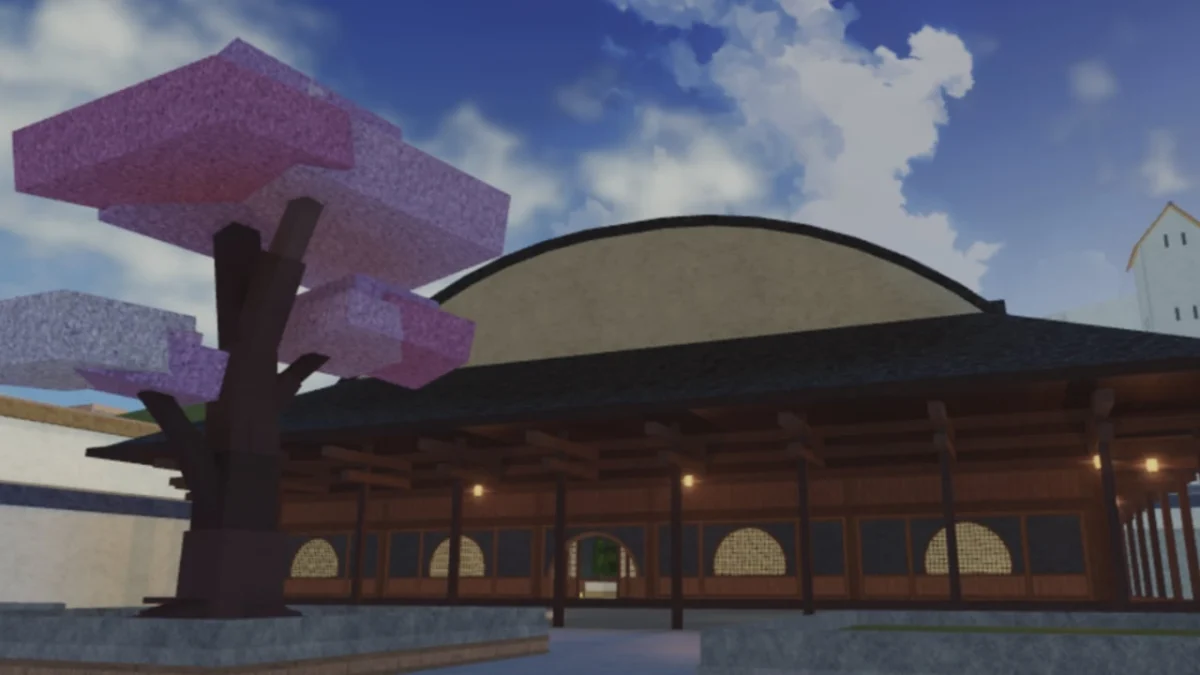
Main Facts
The vibrant and often tumultuous world of Roblox gaming recently saw the introduction, and subsequent shelving, of an ambitious player-versus-player (PvP) mode within the popular title Type Soul. Dubbed the "Culling Games," this mode sought to blend the high-stakes, supernatural combat of renowned anime series Bleach and Jujutsu Kaisen into a dynamic, faction-based arena experience. Available on the Roblox platform, Type Soul itself is a sprawling action RPG that allows players to embody various supernatural entities, including Soul Reapers, Arrancars, and Quincies, each with unique abilities and progression paths. The Culling Games were designed as a competitive arena where these factions could clash, earning points for their respective teams in a timed, objective-based battle.
However, despite its promising premise and the inherent appeal of its source material, the Culling Games mode faced significant challenges, ultimately leading to its temporary removal from the game. This guide, while detailing the original mechanics, shop, and intended rewards of the Culling Games, also serves as a retrospective, offering insight into its design, the community’s reception, and the factors that led to its current inactive status. It’s important to note that as of the latest updates to Type Soul, the Culling Games are no longer active, and there are no immediate plans for their reintroduction, making this information primarily for reference and historical context.
The allure of Type Soul lies in its robust character progression, deep combat mechanics, and faithful interpretation of its anime inspirations. Players are drawn to its open-world exploration, challenging boss battles, and the thrill of mastering their chosen faction’s powers. Alongside its open-world elements, Type Soul also features dedicated competitive modes, such as Ranked play, which offer structured PvP experiences and unique rewards for skilled combatants. The Culling Games were intended to augment this competitive landscape, providing a large-scale, dynamic battleground for faction supremacy.
Chronology: From Anticipation to Shelving
The journey of the Type Soul Culling Games is a classic example of a highly anticipated game mode encountering significant hurdles post-launch. Its announcement generated considerable excitement within the Type Soul community, promising an epic clash reminiscent of the titular Culling Game arc in Jujutsu Kaisen, fused with the established lore and character archetypes of Bleach. Players envisioned grand, tactical battles where their mastered abilities and factional allegiances would be put to the ultimate test.
Initial Rollout and Design Philosophy:
Upon its initial release, the Culling Games introduced a distinct competitive environment. The core concept revolved around timed matches where opposing factions — Soul Reapers, Arrancars, and Quincies — vied for dominance by accumulating points. Victory was awarded to the faction with the highest score when the timer expired. This design aimed to encourage strategic teamwork, objective control, and intense skirmishes across the map. The mode also featured a dedicated in-game shop, allowing players to spend their earned Culling Games points on exclusive items, intended to further incentivize participation and success.
Emergence of Critical Issues:
Almost immediately following its launch, player feedback began to highlight several significant issues that marred the experience. The most prominent complaint revolved around the matchmaking system. Unlike traditional competitive modes designed for strict team parity, the Culling Games frequently initiated matches with severely unbalanced faction numbers. For instance, a match might begin with six Soul Reapers, four Arrancars, and only two Quincies. This numerical disparity inherently created an unfair playing field, making it exceedingly difficult for outnumbered factions to compete effectively, let alone secure victory. Such imbalances quickly led to frustration, as players felt their efforts were often futile before the match even truly began.
Another point of contention was the mode’s reward system. While the Culling Games Shop offered a clear avenue for spending earned points, the broader rewards for winning matches were reportedly unclear and inconsistent. Many players reported a low drop rate for desirable items, with some even claiming that rewards failed to materialize entirely after a win. This lack of transparency and perceived lack of tangible rewards undermined the competitive drive, as players questioned the value of investing their time and effort into a mode that seemed to offer little in return.
Furthermore, the game mode, despite its faction-vs-faction premise, allowed players to attack members of their own team. While theoretically offering a niche for "rage-baiting" or internal conflict, this mechanic largely served no strategic purpose and could lead to accidental friendly fire or intentional griefing, further detracting from the intended competitive experience.
Community Reaction and Developer Response:
The accumulation of these issues led to a significant wave of negative feedback across Type Soul‘s community channels, including Discord servers, Roblox forums, and social media platforms. Players expressed disappointment over the mode’s unpolished state, citing the unbalanced matches and unrewarding progression as major deterrents. This widespread dissatisfaction likely prompted the developers to take decisive action.
In a subsequent update, the Culling Games mode was officially "shelved." This decision, while disappointing to those who had hoped for its success, was largely interpreted as an acknowledgment of the mode’s fundamental flaws. The developers indicated that the information regarding the Culling Games would remain for reference, but that there were no immediate plans for its reintroduction. This suggests a recognition that the mode required a significant overhaul, rather than minor tweaks, to meet player expectations and achieve its full potential.
Supporting Data: Mechanics, Shop, and Rewards Under Scrutiny
To fully understand the community’s reaction and the developers’ decision, a closer examination of the Culling Games’ mechanics, its dedicated shop, and the contested reward system is essential.
Core Mechanics: Factional Warfare with a Flaw:
The central premise of the Culling Games was straightforward: Factions clash on a timer, earning points for their team. The faction with the most points at the end wins. This design encourages continuous engagement and objective play, as every action could contribute to the team’s score. Points were typically awarded for defeating opponents, capturing objectives, or performing specific actions unique to the map.
-
Factions: Type Soul features three primary factions:
- Soul Reapers: Guardians of the living world, wielding Zanpakuto and Kido.
- Arrancars: Hollows who have removed their masks, gaining human-like forms and powerful abilities.
- Quincies: Human spiritualists with the power to manipulate Reishi, often utilizing bows and spiritual weapons.
The Culling Games brought these iconic rivalries to the forefront, promising epic showdowns between distinct playstyles.
-
Timer and Victory Conditions: Matches were typically time-limited, often around 10-15 minutes. This enforced a fast-paced environment, demanding constant action and strategic decision-making to outscore opponents within the given timeframe.
-
Friendly Fire and Its Impact: The ability to attack players within one’s own faction, while perhaps an oversight or a poorly implemented feature, generated confusion and occasional frustration. In a mode designed for cohesive team play, the possibility of being attacked by an ally—whether intentionally or accidentally—undermined trust and diverted focus from the primary objective of defeating enemy factions.
The Matchmaking Conundrum:
The most damning piece of "supporting data" for the Culling Games’ failure comes from player reports regarding matchmaking. The scenario described in the original article—"Soul Reapers have 6 players while Arrancars only have 4, and Quincies may just have 2"—was not an isolated incident but a recurring problem.
The implications of such unevenness are profound:
- Reduced Engagement: Outnumbered teams quickly became disheartened, leading to players disengaging, idling, or even leaving matches early, further exacerbating the imbalance.
- Lack of Competitive Integrity: The core principle of fair competition was violated, making victories feel unearned for the dominant team and losses feel inevitable for the disadvantaged.
- Frustration and Time Waste: Players entering a game mode specifically for competitive thrills found themselves in one-sided skirmishes, perceiving their time investment as wasted.
The Culling Games Shop: A Glimmer of Hope, Clouded by Doubt:
With points earned from participation and victories, players could visit the exclusive Culling Games Shop. While the original content left the shop’s inventory blank, a mode of this nature would typically offer:
- Cosmetic Enhancements: Exclusive titles, emotes, auras, or unique visual effects for weapons or characters.
- Temporary Buffs: Short-duration stat boosts (e.g., increased damage, defense, speed) applicable within the Culling Games or even the main game.
- Rare Crafting Materials: Ingredients for high-tier items, unique weapon re-rolls, or ability upgrades.
- Consumables: Health potions, spiritual energy restoratives, or single-use utility items.
- Re-roll Tokens: Items allowing players to re-roll stats on equipment or abilities, a common progression mechanic in Type Soul.
- Unique Abilities or Skill Modifiers: Minor variations or enhancements to existing faction abilities.
The existence of a dedicated shop was a positive design choice, providing a clear progression path for Culling Games participants. However, the issues with point acquisition (due to uneven matches) and the overall reward structure likely diminished the shop’s appeal. If winning felt impossible, and rewards for playing were meager, the motivation to grind for shop currency would naturally plummet.
The Enigmatic Reward System:
The most critical failure of the Culling Games, alongside matchmaking, was its ambiguous reward system. The original article highlights:
- "It isn’t very clear what you get or the drop rate."
- "Many players are reporting that, as well as the games being unfair, items won’t drop when you win."
This lack of clarity is a fatal flaw in any competitive game mode. Players need clear objectives and tangible incentives. When rewards are opaque, and worse, when they fail to drop even upon victory, the entire motivation loop breaks down.
While specific confirmed rewards were scarce, typical rewards in such a mode might have included: - Exclusive Culling Games-themed gear or accessories.
- Large quantities of Yen (in-game currency).
- Rare Soul Orbs or other progression materials.
- Temporary access to powerful abilities or transformations.
- Experience multipliers for general character progression.
The failure to deliver on these fundamental aspects—fair play and clear rewards—ultimately led to the community’s disaffection and the mode’s withdrawal.
Official Responses: A Strategic Silence
In the wake of widespread player complaints and the subsequent shelving of the Culling Games, the official communication from the Type Soul development team has been notably sparse regarding the mode’s future. The initial statement, confirming the mode was "shelved" and that "there doesn’t seem to be an immediate plan" for its reintroduction, serves as the primary official response.
This measured, almost cautious, approach to communication can be interpreted in several ways:
- Acknowledging Deep-Seated Issues: The decision to shelf a major game mode, rather than merely hotfix it, suggests that the developers recognized the problems were fundamental and not easily resolved with minor patches. This implies a need for significant redesign or even a complete re-evaluation of the mode’s core concept.
- Avoiding Over-Promising: By stating there are "no immediate plans," the developers avoid committing to a timeline they might not be able to meet. This can be a strategic move to manage player expectations and prevent further disappointment should a re-release be delayed or further redesigned.
- Focusing Resources: Game development, especially for a live-service title like Type Soul on Roblox, involves constant prioritization. Shelving the Culling Games likely allowed the development team to reallocate resources to other critical areas, such as bug fixes, new content for existing modes, or improving core gameplay, which may have been deemed more vital for the game’s overall health.
- Gathering Data and Re-evaluating Design: It is plausible that the developers are using this hiatus to thoroughly analyze player feedback, review internal data on match performance, and brainstorm entirely new approaches to a large-scale PvP mode. This period could be crucial for learning from past mistakes and designing a more robust and enjoyable experience for the future.
While the community might crave more detailed explanations or a roadmap for the Culling Games’ return, the current stance reflects a pragmatic decision-making process. For developers, a strategic silence can sometimes be more effective than making premature promises that could later be broken, further eroding player trust.
Implications: Lessons Learned and the Path Forward
The saga of the Type Soul Culling Games carries significant implications, not just for Type Soul itself, but for the broader landscape of competitive game development on platforms like Roblox. It highlights critical lessons in game design, community management, and the delicate balance required to launch and sustain a successful live-service game mode.
Impact on Type Soul’s Ecosystem:
The shelving of the Culling Games undoubtedly left a void for players seeking large-scale faction warfare. While Type Soul offers other PvP avenues like Ranked mode, the unique appeal of a multi-faction, objective-based battle was distinct. The mode’s failure, however, could have a silver lining:
- Strengthening Core Gameplay: By removing a problematic mode, developers can redirect focus to refining existing systems, improving overall game stability, and enhancing other popular features, ultimately leading to a more polished core experience.
- Community Trust: While the initial disappointment was palpable, the act of shelving a flawed mode, rather than stubbornly maintaining it, can eventually rebuild trust. It signals that developers are listening to feedback and are committed to quality, even if it means admitting when something isn’t working.
- Player Migration: Some players might have temporarily disengaged from Type Soul due to the Culling Games’ issues. A successful reintroduction, or a new, well-designed competitive mode, would be crucial for re-engaging these players.
Lessons for Game Developers:
The experience of the Culling Games offers invaluable insights for any developer aiming to create competitive multiplayer modes:
- Prioritize Fair Matchmaking: This is non-negotiable for competitive integrity. Algorithms must strive for numerical and skill parity, even if it means longer queue times or more flexible team compositions.
- Transparent and Rewarding Progression: Players need to understand what they’re playing for and have confidence that their efforts will be recognized. Clear reward structures, reliable drop rates, and visible progress indicators are essential motivators.
- Thorough Testing and QA: Major game modes require extensive internal testing and, ideally, public test realms (PTRs) or beta phases to iron out critical flaws before a full launch. Catching issues like unbalanced matchmaking or broken reward systems pre-release saves significant player goodwill.
- Clear Communication: While initial silence can be strategic, sustained lack of communication regarding a shelved feature can lead to speculation and further player frustration. Regular, albeit high-level, updates on the status and future plans can help maintain community engagement.
- Iterative Design: It’s often better to launch a simpler, well-executed mode and build upon it with community feedback, rather than an overly ambitious one that buckles under its own weight.
The Future of the Culling Games (or its Successor):
Should the Culling Games ever return, or be replaced by a similar large-scale PvP mode, it would need a significant overhaul. Key improvements would likely include:
- Robust Matchmaking System: A complete redesign to ensure balanced teams, possibly incorporating a "backfill" system for dropped players or dynamically adjusting objectives based on team size.
- Revamped Reward Structure: Clear objectives, guaranteed rewards for wins (with a chance for rarer drops), and a transparent system for earning and spending Culling Games points.
- Redesigned "Friendly Fire" Mechanics: Either removal of friendly fire or a system that heavily penalizes it to prevent griefing.
- New Maps and Objectives: To maintain freshness and strategic depth, new maps with varied objectives beyond simple point accumulation could be introduced.
The Type Soul Culling Games, while a short-lived endeavor in its initial form, serves as a poignant case study in the complexities of modern game development. Its legacy is not just one of unfulfilled potential but also of valuable lessons that, if applied, could pave the way for a more successful and engaging competitive experience in Type Soul‘s vibrant and ever-evolving world. The community remains hopeful that the spirit of the Culling Games, a grand clash of supernatural powers, will one day return, stronger and more balanced than before.


 Lina Irawan
 Sagoh
Sagoh