Azzam Bilal Chamdy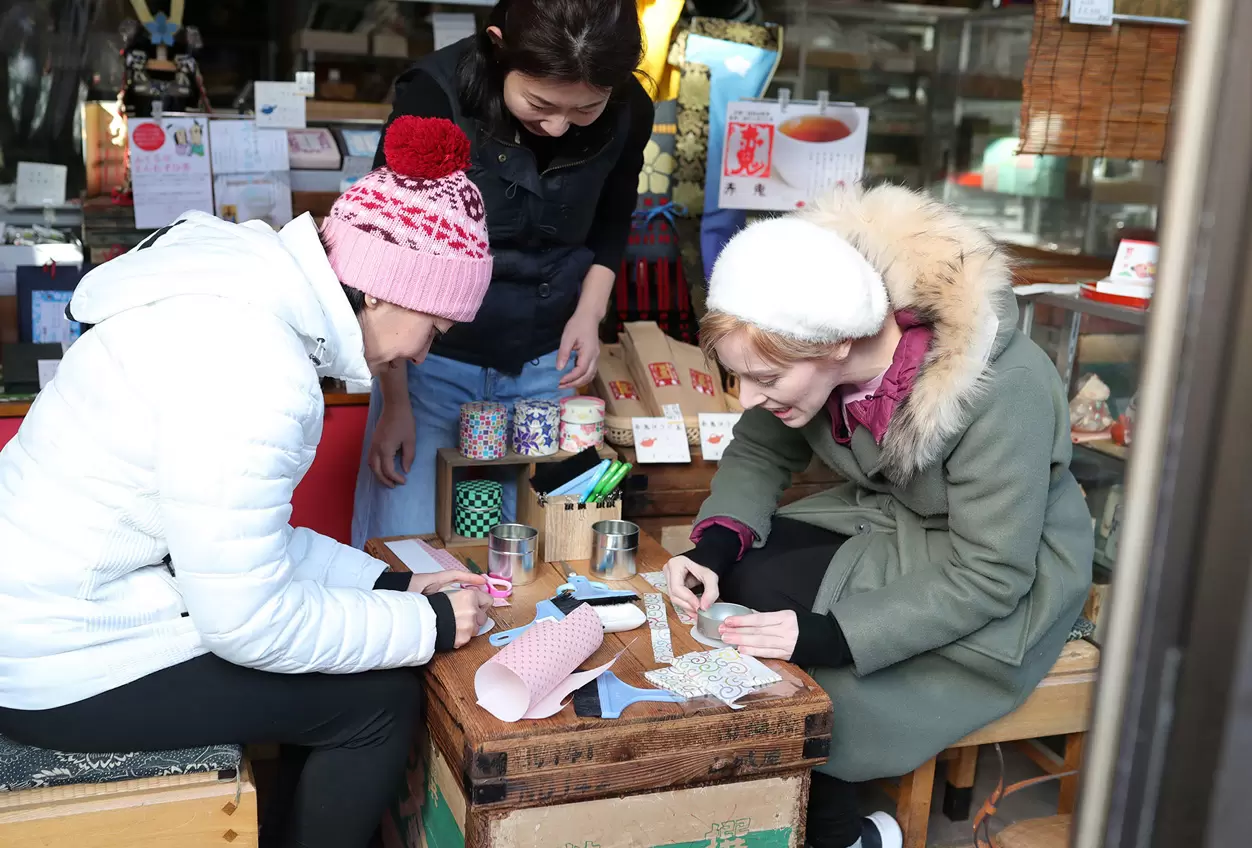
Located in the northwestern reaches of Kyoto Prefecture, Fukuchiyama City stands as a compelling testament to Japan’s historical depth and pastoral elegance. Often overshadowed by the bustling, tourist-laden streets of Kyoto City, this former castle town—forged under the ambition of Sengoku-period warlord Akechi Mitsuhide—offers a rare intersection of urban convenience and authentic rural immersion.
For the modern traveler, Fukuchiyama represents a “third place”: a sanctuary that is neither a crowded metropolis nor a remote, inaccessible village. It is a destination defined by its accessibility, sitting just 80 minutes by train from Kyoto City and 100 minutes from Osaka, yet worlds away in terms of pace, culture, and connection to the land. Through the efforts of the Kitairo (Third Place Tourism Council), visitors can now access a curated suite of experiences that go beyond sightseeing, inviting them to participate in the living traditions of the Japanese countryside.
![[80 minutes by train from Kyoto ] Experience the countryside in Fukuchiyama City , Kyoto Prefecture , a special place only locals know about](https://resources.matcha-jp.com/resize/720x2000/2025/12/19-253414.webp)
Main Facts: The Intersection of History and Nature
Fukuchiyama serves as the gateway to the northern Kinki region. As a major transit hub, it connects the Sanin Line, the Fukuchiyama Line, and the Maizuru Line, serving as the departure point for the Kyoto Tango Railway. However, the city is far more than a transit point. It is a municipality that has successfully integrated its feudal legacy with sustainable rural tourism.
Key Highlights:
- Akechi Mitsuhide’s Legacy: The city’s identity is anchored by Fukuchiyama Castle, a masterpiece of defense and architectural design that offers panoramic views of the townscape below.
- Satoyama Philosophy: The region embraces the Satoyama concept—the traditional Japanese zone between the foothills and the arable land, where humans and nature coexist in a balanced, sustainable cycle.
- Culinary Heritage: From organic tomato farming to the precise preparation of ichijusansai (the traditional Japanese meal structure of one soup and three sides), the city acts as a living laboratory for Japanese gastronomy.
Chronology of Cultural Preservation
The development of Fukuchiyama as a tourist destination is not a recent phenomenon but the culmination of centuries of preservation.
![[80 minutes by train from Kyoto ] Experience the countryside in Fukuchiyama City , Kyoto Prefecture , a special place only locals know about](https://resources.matcha-jp.com/resize/720x2000/2025/12/19-253401.webp)
- 1579: Akechi Mitsuhide begins the construction of Fukuchiyama Castle, establishing the town as a regional power center.
- The Edo-Meiji Era: The town flourishes as a merchant hub, fostering the growth of long-standing craft businesses, such as the four-generation-old tea caddy shops that remain active today.
- The Modern Era: Recognizing the need to bridge the gap between rural decline and urban interest, local stakeholders established the Kitairo (Third Place Tourism Council).
- 2021–Present: The council formalizes a variety of experiential programs, ranging from Zen meditation to sustainable hunting, ensuring that traditional skills are passed down while simultaneously generating economic vitality for the region.
Supporting Data: Experiential Tourism Programs
The Kitairo council offers a diverse portfolio of activities, each designed to provide deep-dive insights into local life. All programs offer English-language support, lowering the barrier for international visitors.
1. The Heritage and Craft Track
Visitors can explore Fukuchiyama Castle with an English-speaking guide who demystifies the history of the Akechi clan. Following the history tour, guests are invited to the Yamashiroya Tea Shop. Here, in a space that has served the community for four generations, visitors learn to craft their own chazutsu (tea caddy). Participants select custom washi paper and take home a souvenir of locally grown gyokuro (shaded green tea), bridging the gap between historical craft and modern aesthetic.
![[80 minutes by train from Kyoto ] Experience the countryside in Fukuchiyama City , Kyoto Prefecture , a special place only locals know about](https://resources.matcha-jp.com/resize/720x2000/2025/12/19-253402.webp)
2. The Spiritual and Culinary Track
At the 400-year-old Fukushoji Temple, visitors can engage in Zazen (meditation) under the guidance of a resident monk. The experience culminates in yakuzen (medicinal cuisine), a dietary practice aimed at longevity and physical balance. This "eating meditation" allows travelers to treat a meal as an act of mindfulness.
3. The Agrarian and Wilderness Track
Perhaps the most ambitious programs involve the region’s relationship with its environment:
![[80 minutes by train from Kyoto ] Experience the countryside in Fukuchiyama City , Kyoto Prefecture , a special place only locals know about](https://resources.matcha-jp.com/resize/720x2000/2025/12/19-253403.webp)
- Vegetable Harvesting: At local farms, visitors harvest seasonal staples like Manganji peppers. The experience concludes at a traditional farmhouse where the vegetables are grilled over a irori (hearth), a quintessential Japanese rural experience.
- The Hunter-Chef Initiative: In a unique, ethically conscious program, participants accompany a 20-year veteran hunter to observe the realities of wildlife management. This is paired with a high-end French course at Bistro Q, where the harvested game is prepared by professional chefs, transforming a raw, agricultural necessity into a sophisticated culinary experience.
Official Perspectives: The Mission of Kitairo
The Third Place Tourism Council (Kitairo) operates on a philosophy of "community-integrated tourism." Their official position is that tourism should not be an extractive industry, but a regenerative one. By connecting visitors with local farmers, temple monks, and traditional artisans, the council ensures that the money spent by tourists flows directly into the preservation of the Satoyama landscape.
"We do not offer ‘tours’ in the traditional sense," a representative noted. "We offer invitations into the daily lives of the people who call Fukuchiyama home. Whether it is playing tennis with a former national champion who now grows tomatoes or learning to make dashi from scratch, our goal is to foster a genuine human connection that transcends language barriers."
![[80 minutes by train from Kyoto ] Experience the countryside in Fukuchiyama City , Kyoto Prefecture , a special place only locals know about](https://resources.matcha-jp.com/resize/720x2000/2025/12/19-253404.webp)
Implications: A Model for Regional Revitalization
Fukuchiyama’s model of tourism has significant implications for Japan’s broader demographic challenges. As rural populations age and urban centers become increasingly overcrowded, Fukuchiyama provides a blueprint for how mid-sized cities can maintain relevance.
Economic Impact
By diversifying its tourism offerings, the city creates secondary revenue streams for traditional industries. A tea shop is no longer just a retailer; it is a workshop. A farm is no longer just a supplier; it is an educational facility. This creates a resilient economic model that is less reliant on seasonal mass tourism and more focused on high-value, niche engagement.
![[80 minutes by train from Kyoto ] Experience the countryside in Fukuchiyama City , Kyoto Prefecture , a special place only locals know about](https://resources.matcha-jp.com/resize/720x2000/2025/12/19-253405.webp)
Cultural Preservation
The inclusion of English-language support for programs like lacquer painting, Zazen, and wild game hunting ensures that these intangible cultural heritages are not lost. When younger generations see that international visitors value these traditions, it increases local pride and encourages the continuation of these practices.
The Future of "Slow Travel"
Fukuchiyama represents the antithesis of the "check-list" travel style. It encourages the "Slow Travel" movement—where the quality of the encounter, such as a morning meditation session or a conversation with a local hunter, takes precedence over the number of sites visited.
![[80 minutes by train from Kyoto ] Experience the countryside in Fukuchiyama City , Kyoto Prefecture , a special place only locals know about](https://resources.matcha-jp.com/resize/720x2000/2025/12/19-253406.webp)
Conclusion: Planning Your Visit
For those looking to escape the "Golden Route" of Tokyo-Kyoto-Osaka, Fukuchiyama offers a serene, intellectually stimulating alternative. Whether arriving from Kyoto Station via the "Hashidate" or "Kinosaki" limited express or from Osaka on the "Konotori," the journey is a seamless transition into the heart of rural Japan.
As travelers increasingly seek authenticity over artifice, Fukuchiyama stands ready. It is a town where the history of the Sengoku period meets the innovation of modern sustainable living, inviting every visitor to leave behind their role as a spectator and become a participant in the enduring story of Kyoto’s hidden countryside.
![[80 minutes by train from Kyoto ] Experience the countryside in Fukuchiyama City , Kyoto Prefecture , a special place only locals know about](https://resources.matcha-jp.com/resize/720x2000/2025/12/19-253407.webp)
Further Resources:
- Kitairo Official Website: www.kitairo.jp
- Instagram: @kitairo2021
- Travel Tip: Utilize the tourist information center at the north side of Fukuchiyama Station for bicycle rentals and personalized local route planning.


 Neng Nana
 Asro
Asro