Nana Wu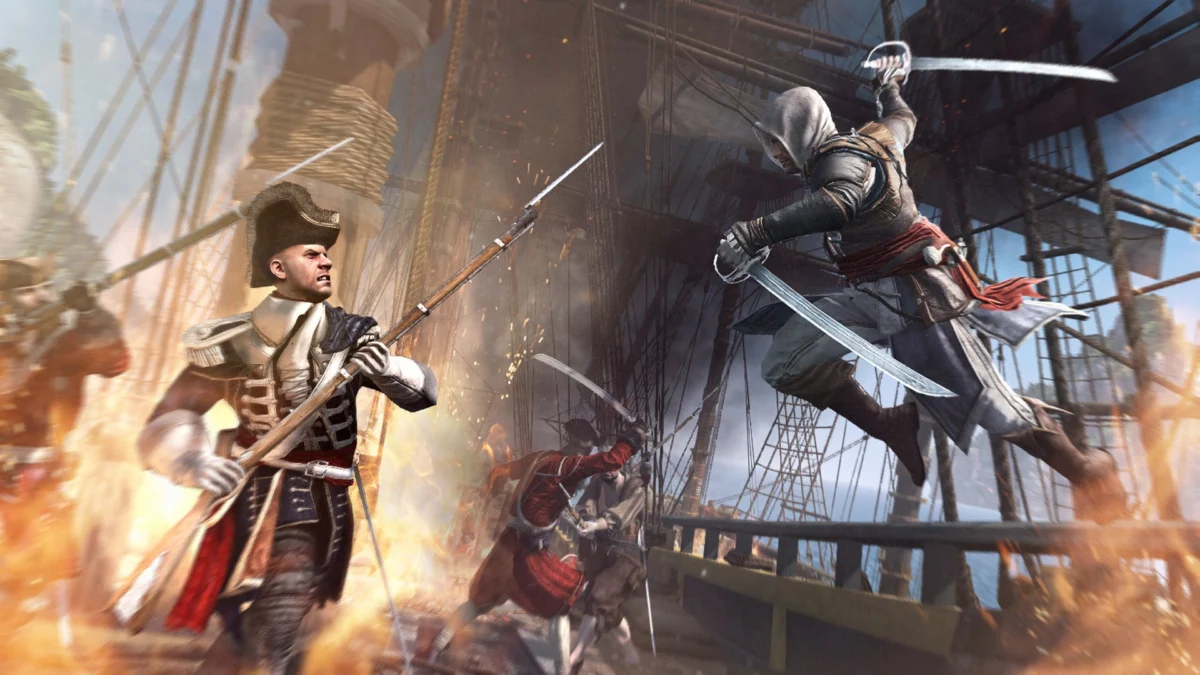
Paris, France – [Date of Publication] – Gaming giant Ubisoft, renowned for its sprawling Assassin’s Creed sagas, tactical Rainbow Six titles, and innovative open-world experiences, finds itself at a pivotal juncture, grappling with a significant year of financial contraction. The company has reported a sharp decline in its Q4 and full fiscal year 2025-26 performance, marked by substantial drops in revenue and net bookings. This downturn, attributed by the publisher to a "softer new release schedule" and the ongoing implementation of a "new operating model," signals a period of profound restructuring and strategic recalibration for the French multinational.
While the immediate outlook points to continued challenges, with the current fiscal year (FY26-27) anticipated to be a "low point" in its financial trajectory, Ubisoft’s leadership remains steadfast in its commitment to a long-term vision of recovery. The company projects a "strong rebound" in positive free cash flow by FY27-28, culminating in "robust" free cash flow generation by FY28-29. This ambitious turnaround plan underscores a calculated risk: endure short-term pain for long-term stability and renewed growth.
Main Facts: A Year of Contraction and Strategic Overhaul
Ubisoft’s financial disclosures for the fiscal year ending March 31, 2026, paint a challenging picture. The company reported a 21.8% year-over-year (YoY) decrease in revenue and a 17.4% YoY decline in net bookings. These figures underscore the immediate impact of a leaner release schedule and the initial phases of a comprehensive internal transformation. The quarter ending March 31, 2026, also mirrored this trend, showing a significant year-on-year decline in performance, further contributing to the full-year deficit.
The company’s operating losses widened dramatically, escalating from €196.5 million in the previous fiscal year to a staggering €1.3 billion. This stark increase directly reflects the significant costs associated with its ongoing restructuring efforts, including project cancellations, studio adjustments, and strategic repositioning.
Despite these financial headwinds, certain segments of Ubisoft’s portfolio demonstrated remarkable resilience. Live service titles like Tom Clancy’s Rainbow Six Siege and The Division 2, alongside the enduring popularity of the Assassin’s Creed franchise, provided critical stability and engagement. However, these successes were insufficient to offset the broader declines stemming from a reduced slate of new premium game releases and the overheads of its corporate overhaul.
Looking ahead, the company has explicitly warned that the current fiscal year (FY26-27) will represent a nadir in its financial performance, characterized by continued restructuring costs, a constrained release schedule, and an expected trough in free cash flow. Yet, management expresses confidence that this period of intensive investment and painful adjustments will pave the way for a strong resurgence in subsequent fiscal years, driven by a revitalized content pipeline and a more efficient operational framework.
Chronology: Ubisoft’s Journey Through Transformation
Ubisoft’s current financial results are not an isolated event but rather a culmination of several years of evolving strategies and reactions to a dynamic, often challenging, video game market. The journey towards its current "new operating model" has been a gradual yet persistent effort to adapt and streamline.
Early 2020s: Initial Challenges and Strategic Shifts
The early 2020s saw Ubisoft grappling with a mix of challenges. While major titles continued to sell, the company faced scrutiny over game quality, release cadence, and an over-reliance on established franchises. Reports of internal workplace culture issues also cast a shadow, prompting commitments to significant internal reforms. Financially, the company had begun to experience periods of inconsistent performance, often attributed to delays in key titles and the increasing cost of AAA game development.
FY2023-24: The Precursor to Transformation
The fiscal year preceding the current report (FY2023-24) likely saw the initial seeds of the current transformation being sown. While specific details from that period aren’t in the provided text, the jump in operating losses from €196.5 million to €1.3 billion for FY25-26 suggests that some level of strategic investment or early restructuring costs were already impacting the bottom line. It was during this period that internal discussions around efficiency, portfolio rationalization, and a revised operational blueprint would have intensified.
FY2025-26: The Year of "Decisive Action"
As articulated by CEO Yves Guillemot, FY2025-26 was "one of decisive action for Ubisoft." This year marked the concrete implementation of the new operating model. This wasn’t merely a theoretical shift but involved tangible, often painful, decisions. The report explicitly states that seven projects have now been cancelled, with six games delayed. These decisions are direct outcomes of the rationalization of its game portfolio and a more disciplined approach to resource allocation. The significant widening of operating losses to €1.3 billion directly reflects the financial outlay for these restructuring activities, including severance packages, write-offs of development costs for cancelled projects, and the overheads of transitioning to a new organizational structure. The "softer new release schedule" observed this year is a direct consequence of these cancellations and delays, as the company deliberately scaled back its output to re-focus its efforts.
FY2026-27: The Anticipated "Low Point"
The current fiscal year, FY2026-27, is projected to be the trough of this transformation. Ubisoft anticipates a "softer release slate" continuing from the previous year, meaning fewer major new titles will hit the market. Crucially, "restructuring costs" are expected to persist, further weighing on the company’s financials. This period is also forecast to represent a "low point in our free cash flow trajectory," indicating that the company will likely continue to burn cash as it completes its overhaul and invests in its future pipeline. This phase is critical for "pursu[ing] and comple[ting] the execution of this transformation," as stated by management. The company will focus on supporting its robust live service portfolio, launching Assassin’s Creed Black Flag Resynced on July 9, and delivering "other targeted premium games based on established Ubisoft brands."
FY2027-28 and FY2028-29: The Horizon of Rebound
Beyond the immediate challenges, Ubisoft forecasts a significant upturn. A "strong rebound" is expected in FY27-28, with the company projecting a return to positive free cash flow. This turnaround is predicated on the successful completion of the restructuring, the stabilization of its new operating model, and the emergence of a "much stronger and sustained content cycle." The following fiscal year, FY28-29, is anticipated to bring "robust" free cash flow, signifying a return to financial health and sustainable growth. This long-term outlook highlights the strategic patience required, with the full benefits of the transformation not expected to materialize for another two to three years.
Supporting Data: A Mixed Bag of Resilience and Retrenchment
The financial report, while signaling overall decline, also provides crucial insights into the strengths and weaknesses of Ubisoft’s diverse portfolio.
Overall Financial Performance (Full Year Ending March 31, 2026):
- Revenue: Down 21.8% year-over-year. This substantial drop indicates a significant reduction in sales across the board, reflecting the impact of fewer new releases and potentially underperforming existing titles outside of the live service segment.
- Net Bookings: Down 17.4% year-over-year. Net bookings, which often include sales of games, in-game content, subscriptions, and merchandise, show a similar trend to revenue. The slightly smaller percentage decline compared to revenue might suggest that while fewer new units were sold, recurring revenue streams from live services and back-catalogue items provided some mitigation.
- Operating Losses: Widened significantly from €196.5 million to €1.3 billion. This is perhaps the most striking figure, demonstrating the massive financial impact of the restructuring program. It indicates substantial one-time costs associated with project cancellations, asset write-downs, workforce adjustments, and the overhaul of internal processes. This loss reflects an investment in future efficiency, albeit a costly one in the short term.
Key Performance Indicators (KPIs):
- Monthly Active Users (MAUs): The company reported 36 million monthly unique users and 129 million unique users across consoles and PC, excluding XDefiant. These figures, while broad, suggest that Ubisoft still commands a significant global audience. The exclusion of XDefiant is notable, possibly indicating that the game’s performance did not meet internal expectations or that its metrics are being analyzed separately due to its launch timing or specific strategic role.
- Back-catalogue Performance: The firm’s back-catalogue remained "broadly stable" and has "mostly driven net bookings this year." This is a crucial indicator of the enduring value of Ubisoft’s vast library of games. In a year with fewer new releases, the continued sales of older, established titles provide a vital revenue floor and demonstrate the strength of its core intellectual properties.
Game-Specific Highlights:
- Tom Clancy’s Rainbow Six Siege: Delivered "strong engagement and rising MAUs, peaking at over 10 million in March." This tactical shooter continues to be a cornerstone of Ubisoft’s live service strategy, proving its longevity and ability to attract and retain players through consistent updates and competitive play.
- The Division 2: Saw "net bookings more than double across the full fiscal period." This is an exceptional performance for a game released several years ago, highlighting the success of its ongoing content support, seasonal updates, and potentially its monetization strategies. It underscores the potential for well-managed live service games to generate significant recurring revenue.
- Assassin’s Creed: Continues to deliver "a strong performance, outperforming and delivering year-on-year engagement growth, [and] closing the year with over 30 million players." As Ubisoft’s flagship franchise, its consistent performance is vital. The engagement growth suggests that recent entries or ongoing support for older titles within the series are resonating with players, maintaining the brand’s immense cultural and commercial power.
- Other Growth Titles: Avatar: Frontiers of Pandora, The Crew Motorfest, and For Honor all reported growth. The Crew Motorfest notably reached "record quarterly users," indicating a successful launch and sustained interest for the racing title. These successes demonstrate that while the overall slate was soft, certain new or recently updated titles found their audience.
Strategic Retrenchment:
- Seven projects cancelled, six games delayed: These figures are a stark reminder of the difficult decisions made under the new operating model. Project cancellations lead to write-offs and lost investment, while delays push back potential revenue generation, contributing to the "softer release schedule" and widened operating losses.
Official Responses: Leadership’s Vision and Assurance
Ubisoft’s co-founder and CEO, Yves Guillemot, provided comprehensive commentary on the company’s financial results and the rationale behind its transformative strategy. His statements are a blend of acknowledging immediate difficulties and projecting unwavering confidence in the long-term outlook.
Guillemot characterized the past fiscal year as one of "decisive action for Ubisoft." He emphasized that the company "initiated one of the most ambitious transformations in the company’s history," aiming to forge "a more focused, agile and disciplined organization that is capable of consistently delivering high-quality experiences to players through a sustained release cadence while supporting value creation over time." This language highlights a clear intention to move away from previous perceived inefficiencies or a scattergun approach to game development. The goal is not just to cut costs but to build a more robust and predictable creative and commercial engine.
He further elaborated on the specifics of this "strategic reset": "in FY2025-26, we began putting in place a new operating model, rationalized our portfolio of games and executed with discipline on our cost reduction program while significantly deleveraging the Group." This confirms that the project cancellations, delays, and widening operating losses are all direct, deliberate consequences of this strategic pivot. The mention of "deleveraging the Group" suggests a focus on reducing debt and improving financial health, even at the cost of short-term profitability.
Addressing the immediate future, Guillemot confirmed the challenging outlook for the current fiscal year: "In FY2026-27, we will pursue and complete the execution of this transformation, and continue investment ahead of a much stronger and sustained content cycle. This year is therefore expected to represent a low point in our free cash flow trajectory along with a softer release slate and restructuring costs." This direct acknowledgment of a "low point" is a transparent attempt to manage investor expectations, signaling that the difficult period is not yet over. However, he quickly pivots to the future content strategy: "We will continue to grow our Live games, led by Rainbow Six Siege and its strong roadmap, deliver Assassin’s Creed Black Flag Resynced and launch other targeted premium games based on established Ubisoft brands." This outlines a clear path: leverage existing successes, capitalize on proven brands with remasters/remakes, and strategically launch new premium titles.
In his concluding remarks, Guillemot underscored the profound nature of the changes: "This two-year transformation comes with difficult decisions and a disappointing short-term financial performance, but I firmly believe that, together, these actions are better positioning Ubisoft to deliver sustainable free cash flow over time." This statement encapsulates the company’s current philosophy: the pain is necessary, the decisions are tough, but the long-term vision of financial stability and creative strength remains the guiding principle. It’s a plea for patience from investors and a clear message to employees about the direction the company is heading.
Implications: Navigating the Future of Gaming
Ubisoft’s financial report and strategic outlook carry significant implications for the company itself, its vast global workforce, the broader video game industry, and its dedicated player base.
For Ubisoft:
- High Stakes Transformation: This is not a minor adjustment but a fundamental re-engineering of the company. The success of this "new operating model" will determine Ubisoft’s trajectory for the next decade. Failure to achieve the projected "strong rebound" could have severe consequences for its market position and independence.
- Reliance on Established Brands: The strategy of focusing on live services (Rainbow Six Siege, The Division 2) and "targeted premium games based on established Ubisoft brands" (Assassin’s Creed Black Flag Resynced) suggests a more conservative approach to new IP. While this reduces risk, it could also limit innovation and the potential for breakout new franchises. The challenge will be to keep these established brands fresh and engaging.
- Workforce Impact: The "restructuring" and "cost reduction program" almost invariably involve workforce reductions, studio reorganizations, and a shift in development priorities. The widening operating loss linked to restructuring costs strongly implies significant human resources impacts. This can affect morale, institutional knowledge, and the company’s ability to attract top talent in the future.
- Investor Confidence: While the long-term vision is clear, the short-term financial pain and the projected "low point" in FY26-27 will test investor patience. The market will closely watch for concrete signs of the promised rebound and the successful execution of the new strategy.
For the Gaming Industry:
- Industry-Wide Trend: Ubisoft’s struggles are not unique. The broader gaming industry has been experiencing significant layoffs, studio closures, and project cancellations across various major publishers and developers. High development costs, increasing competition, and shifting consumer habits (e.g., free-to-play, subscription models) are pressuring traditional AAA publishing models. Ubisoft’s transformation reflects a wider industry pivot towards efficiency, sustainability, and a greater emphasis on recurring revenue streams.
- Live Service Dominance: The continued strong performance of Rainbow Six Siege and The Division 2 reinforces the critical importance of live service games in a publisher’s portfolio. These titles provide consistent engagement and revenue, acting as financial anchors amidst the volatile nature of new premium releases.
- Brand Value and Longevity: The enduring strength of the Assassin’s Creed brand, even without a major new mainline entry in the reporting period, highlights the immense value of well-established intellectual property. The decision to release Assassin’s Creed Black Flag Resynced underscores the strategy of leveraging nostalgia and proven successes.
- The Cost of AAA Development: The sheer scale of Ubisoft’s operating loss and the number of cancelled projects are a stark reminder of the enormous financial investment and inherent risks associated with modern AAA game development. It reinforces the need for rigorous project management, clear strategic direction, and a willingness to cut losses early if projects aren’t meeting targets.
For Players:
- Slower Release Cadence: Players can expect fewer new Ubisoft titles in the immediate future, particularly original IPs. The focus will be on quality over quantity, and on delivering consistent updates for existing live service games.
- Emphasis on Core Franchises: The strategy reinforces a commitment to beloved brands like Assassin’s Creed and Rainbow Six. Fans of these series may see more frequent updates, remasters, or spin-offs.
- Potential for Higher Quality: If the transformation is successful, the promise of "consistently delivering high-quality experiences" could mean a more polished and engaging product across the board, moving away from past criticisms of Ubisoft’s open-world formula or perceived lack of innovation in some titles.
In conclusion, Ubisoft stands at a critical juncture. The past fiscal year was undeniably difficult, marked by significant financial declines and the painful necessity of widespread restructuring. However, the company’s leadership has articulated a clear, albeit challenging, path forward. By rationalizing its portfolio, streamlining operations, and doubling down on its most successful live services and established brands, Ubisoft aims to emerge from this transformation as a more agile, disciplined, and ultimately, more profitable entity. The success of this ambitious two-year plan will not only redefine Ubisoft’s future but also offer valuable insights into the evolving landscape of the global video game industry. The coming years will be a definitive test of its resolve and strategic foresight.

 Lina Irawan
 Sagoh
Sagoh