

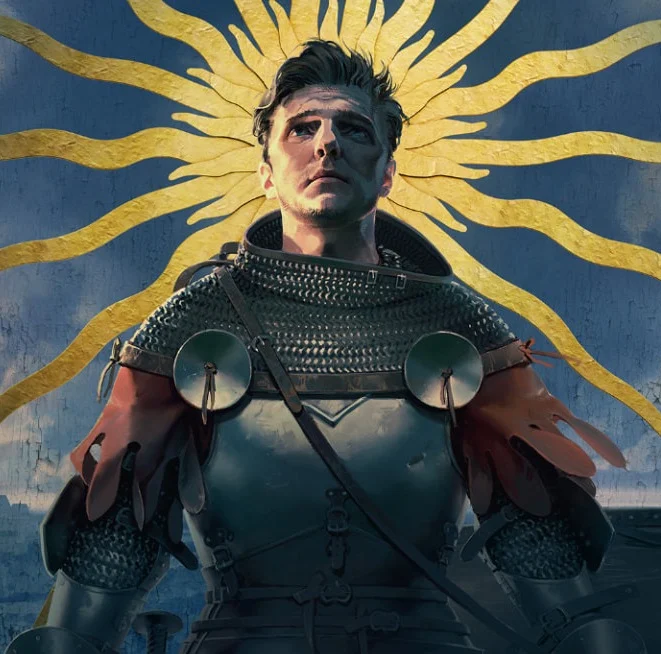
In a move that has sent shockwaves through the gaming industry and left a community of millions in a state of profound uncertainty, Bungie has officially confirmed that Destiny 2 will cease receiving traditional live service content updates following the conclusion of its current roadmap. The final update, scheduled for June 9, marks the definitive end of an era for a franchise that has defined the modern looter-shooter genre for over a decade.
For many, Destiny 2 was more than just a game; it was a digital home, a social hub, and a relentless commitment to a decade-long narrative arc. With the announcement that Bungie intends to pivot away from the Destiny 2 framework, the studio is effectively closing the book on one of the most ambitious experiments in the history of interactive entertainment.
A Legacy of Light and Darkness: The Chronology of Destiny
To understand the weight of this announcement, one must look back at the trajectory of the franchise. Launched in 2014, the original Destiny promised a world of infinite possibility. Despite a rocky launch, it evolved through expansions like The Taken King into a cultural phenomenon.
- 2014–2017: The original Destiny establishes the "Guardian" mythos, creating a blueprint for the "game-as-a-service" model that many would attempt to emulate.
- 2017: Destiny 2 launches, aiming to refine the formula with a more accessible narrative and improved technical infrastructure.
- 2019: Bungie splits from publisher Activision, gaining full independence. This era saw the transition to a free-to-play model and the introduction of the "Season of" structure.
- 2020–2023: The "Light and Darkness Saga" reaches a fever pitch. Expansions like The Witch Queen receive critical acclaim, while the studio navigates the technical challenges of the "Content Vault," a controversial move that removed older story content to manage the game’s file size.
- 2024–2026: The lead-up to The Final Shape represents the climax of the narrative. However, internal turmoil at Bungie, characterized by layoffs and shifting priorities, began to overshadow the game’s development.
The announcement on May 21, 2026, serves as the final chapter in this timeline. While the servers will remain operational for the foreseeable future, the "live" heart of the game—the weekly resets, seasonal narrative threads, and consistent content drops—will effectively stop.
The State of the Studio: Mismanagement and Market Realities
The decision to shutter Destiny 2’s development pipeline did not happen in a vacuum. Over the past several years, Bungie has been plagued by reports of internal instability, financial pressures, and a perceived disconnect between the development team and the player base.
Industry analysts point to a "perfect storm" of factors:
- Scope Creep: The effort required to maintain a game as massive as Destiny 2 while simultaneously developing new projects proved unsustainable for a studio of Bungie’s size.
- The "Live Service" Fatigue: The gaming market has seen a shift in player preferences. As the novelty of the battle pass and the seasonal grind wanes, player retention has become increasingly difficult.
- Leadership Transitions: The pressures of balancing Sony’s acquisition expectations with the need to maintain creative autonomy led to significant friction within the organization.
As PC Gamer’s Tim Clark famously illustrated through his own anecdote—ignoring extreme weather warnings to complete a raid—the emotional investment of the player base was immense. When that investment is met with a lack of transparency or a perceived decline in quality, the resulting alienation is palpable. Many in the community feel that the game was left to "rot" in its final months, with resources diverted toward other initiatives while the core experience suffered from bugs, lack of content variety, and a sense of stagnation.
Official Responses and the "Beyond Destiny 2" Strategy
In a formal statement released via their official blog, Bungie leadership attempted to soften the blow, framing the move as a necessary evolution rather than a failure.
"While our love for Destiny 2 has not changed," the studio stated, "it has become clear that after The Final Shape, we have reached the time for our shared worlds, and Destiny, to live beyond Destiny 2."
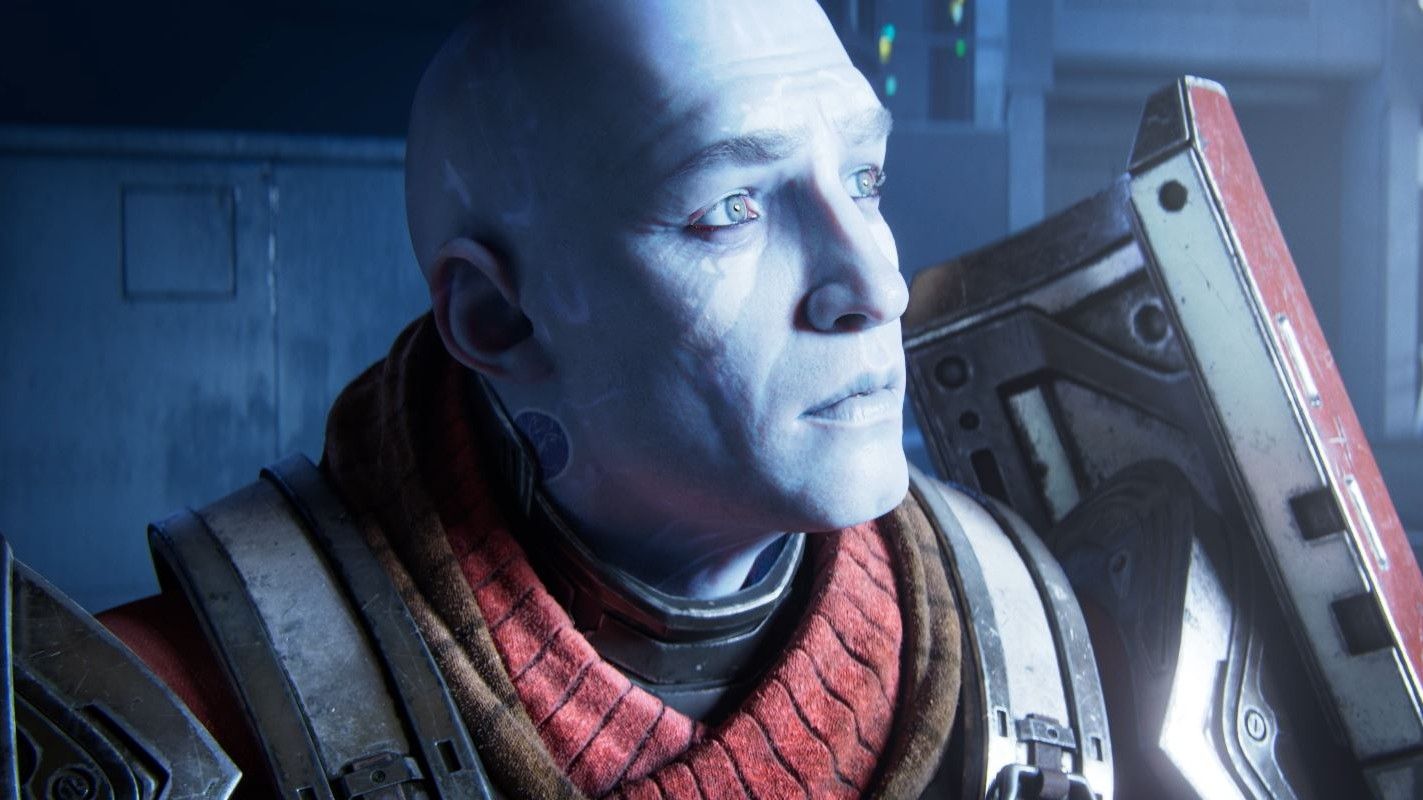
This language suggests that while the current game engine and infrastructure are being retired, the intellectual property (IP) of Destiny is far from dead. Bungie is signaling a potential shift toward either a sequel or a broader multimedia approach. However, for the current player base, this vague promise of a future beyond the current game provides little comfort.
The studio has promised a final "farewell" period, ensuring that the existing content remains accessible, but they have made it clear that the cadence of new, meaningful content is reaching its hard stop.
The Human Cost: What This Means for the Industry
The end of Destiny 2 is a cautionary tale for the industry at large. It highlights the inherent risks of the live service model, where the success of a project is tied entirely to the perpetual satisfaction of a volatile audience.
Implications for Players
For the dedicated players, this is a moment of profound loss. Thousands of hours spent grinding for specific "god roll" weapons, mastering raid mechanics, and building digital friendships are now essentially frozen in time. The "sunset" of Destiny 2 raises uncomfortable questions about digital ownership: what happens to the money and time invested when the developer decides the game is no longer profitable?
Implications for the Industry
The industry is currently witnessing a "correction." After years of developers chasing the "Destiny killer" dragon, the trend is moving away from endless, monolithic live services and back toward more contained, high-quality, singular experiences. Bungie’s exit from the live service space serves as a signal that even the most successful, best-in-class service games have a shelf life.
Looking Ahead: A Post-Destiny Landscape
As June 9 approaches, the Destiny 2 community is bracing for the end. Social media platforms are filled with tributes to the game’s greatest moments—the first time seeing the Traveler, the sheer complexity of the "Last Wish" raid, and the camaraderie of the Iron Banner.
Whether Bungie can successfully pivot to a new project or a new iteration of Destiny remains to be seen. The studio’s credibility has been shaken, and they will need to work significantly harder to earn back the trust of a community that feels abandoned.
For now, the Tower remains a quiet place. The music still plays, the neon lights of the City still flicker, but the sense of purpose—that shared, driving force that kept millions of Guardians logging in every day—is fading. Destiny 2 may be entering its final days as a live service, but its impact on the industry, for better or for worse, is cemented in the history of gaming.
As we look to the horizon, one thing is certain: the era of the "forever game" is reaching a critical inflection point, and Bungie is leading the retreat. Whether they are retreating to regroup or simply retreating from a battlefield they can no longer hold is a question that will occupy the industry for years to come.












No comments yet. Be the first to join the conversation!