Evan Lee Salim
By [Your Name/Journalist Alias]
May 21, 2026
The era of the Guardians is drawing to a quiet, definitive close. Bungie, the storied developer behind the Halo and Destiny franchises, officially announced today that June 9, 2026, will mark the final live-service content update for Destiny 2. After nearly twelve years of evolving, expanding, and occasionally reinventing itself, the game that defined the modern "live-service" looter-shooter genre is entering its sunset phase.
While the servers will remain active—allowing players to traverse the Sol System, run raids, and engage in PvP activities much like the original Destiny continues to function today—the relentless cycle of seasonal updates, narrative expansions, and technical overhauls is coming to an end. For a community that has spent over a decade tethered to the rhythm of weekly resets and annual expansions, the news signals not just the end of a game, but the conclusion of a cultural phenomenon in the gaming industry.
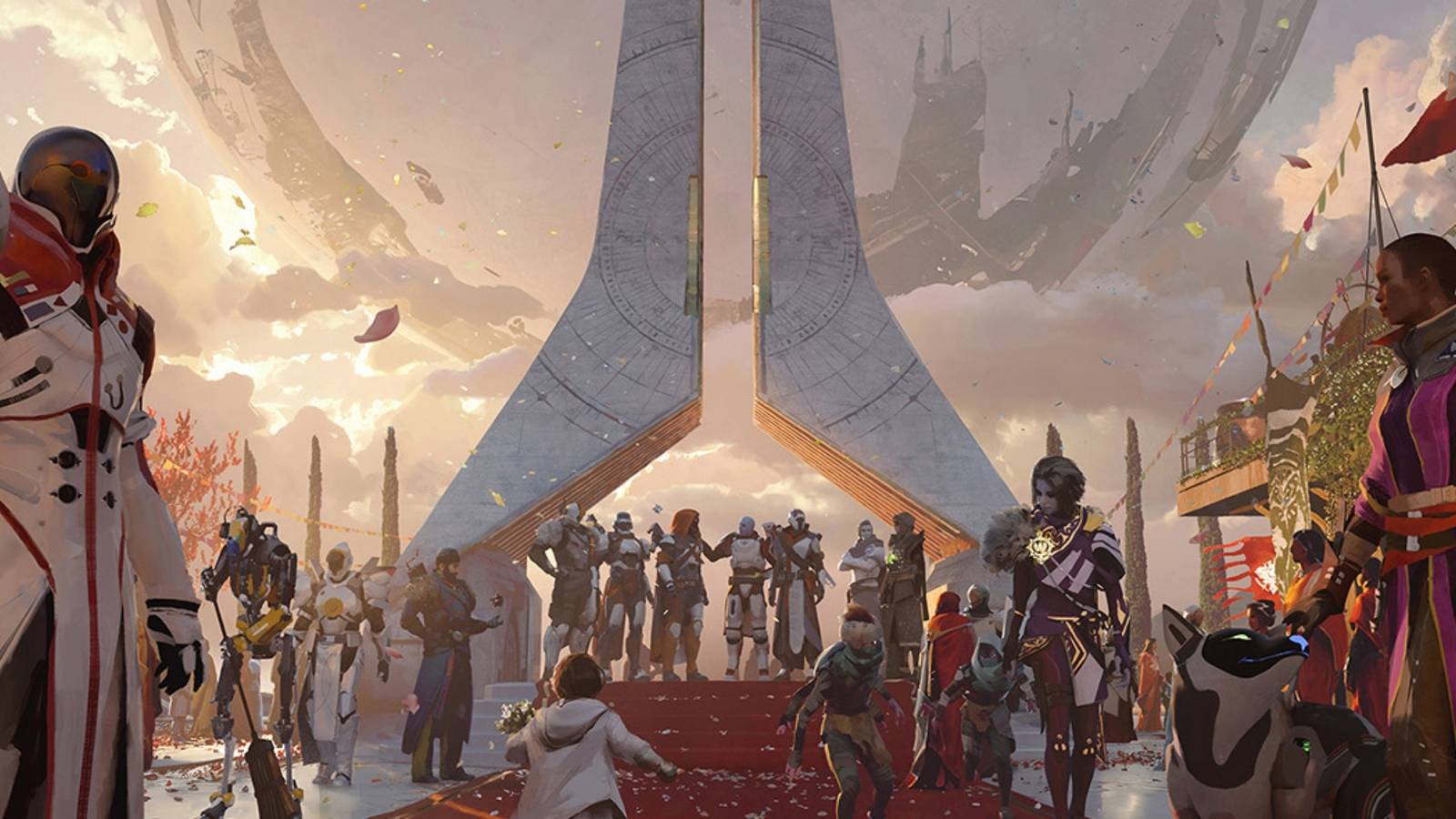
A Legacy Built in Light and Darkness
To understand the weight of this announcement, one must look at what Destiny 2 represented at its zenith. Launched in 2017 as the successor to the 2014 original, the game was designed to be a "hobby"—a persistent online world that players would return to for years.
Across its lifespan, Destiny 2 provided some of the most memorable moments in gaming history. From the frantic, high-stakes coordination of the "Last Wish" raid to the narrative gut-punch of Cayde-6’s demise in Forsaken, the game cultivated a deep, almost familial bond with its player base. The storytelling evolved from the somewhat nebulous, fragmented lore of the early days into a sophisticated, multi-arc saga that culminated in the critically acclaimed The Final Shape.
However, the game’s history is also marked by internal friction. The controversial "content vaulting" initiative, which saw large swaths of the game’s early content removed to maintain technical stability, became a flashpoint for player frustration. Yet, even in its most divisive moments, the gunplay, art direction, and orchestral score remained industry-leading.

The Chronology of a Winding Path
The writing on the wall has been visible for some time, though the suddenness of the June 9 cutoff has caught many by surprise. The decline of Destiny 2 was not a sudden collapse, but a slow, tectonic shift in player sentiment and studio priorities.
- 2017–2019: The Formative Years: Destiny 2 launched to mixed reviews but found its footing with the Forsaken expansion, which many critics regard as the moment the franchise truly realized its potential as a compelling narrative experience.
- 2020–2022: The Seasonal Pivot: As Bungie shifted toward a consistent seasonal model, the game saw massive engagement spikes, particularly with the release of The Witch Queen, which received universal acclaim for its campaign design.
- 2023–2025: Turbulence and Realignment: Following a series of high-profile layoffs and reports of financial strain, the studio’s output began to feel more restrained. The release of The Final Shape served as a narrative climax that effectively wrapped up the "Light and Darkness" saga that had been running since the franchise’s inception.
- 2026: The Final Descent: Following months of diminished player counts and shifting focus toward internal incubation, today’s announcement confirms that the live-service engine will finally be turned off, marking the end of active development.
Supporting Data: A Shifting Landscape
The metrics behind this decision paint a stark picture of the current state of the industry. Industry analysts have noted for months that Destiny 2 was struggling to maintain the engagement levels required to sustain its massive development costs.
In a recent report, it was highlighted that the game’s daily active player (DAP) counts had fallen below those of Starfield—a title that, while successful in its own right, occupies a different space in the gaming market. This comparison is particularly telling; Starfield, a single-player-focused experience available on Game Pass, managed to outpace a live-service titan that relies on constant, daily engagement.
Furthermore, the "budgetary reality" facing the studio is significant. With approximately 400 developers reportedly still tied to the project as of early 2026, the cost-to-revenue ratio for a game that has finished its main narrative arc became unsustainable. When the cost of maintaining a massive, sprawling live-service infrastructure outweighs the revenue generated by the diminishing returns of late-stage seasonal content, the decision to pivot becomes an operational necessity.
Official Responses and the "Warm Sign-Off"
Bungie’s official statement was notably devoid of the corporate jargon that often accompanies such announcements. Instead, the studio opted for a tone of gratitude, emphasizing the shared stories and the "life-long memories" created by the community.
"We’ve traveled from the Cosmodrome to the Pale Heart, and every step of the way, you were there with us," the statement read in part. "To our Guardians, we say thank you. We will see you in the stars."
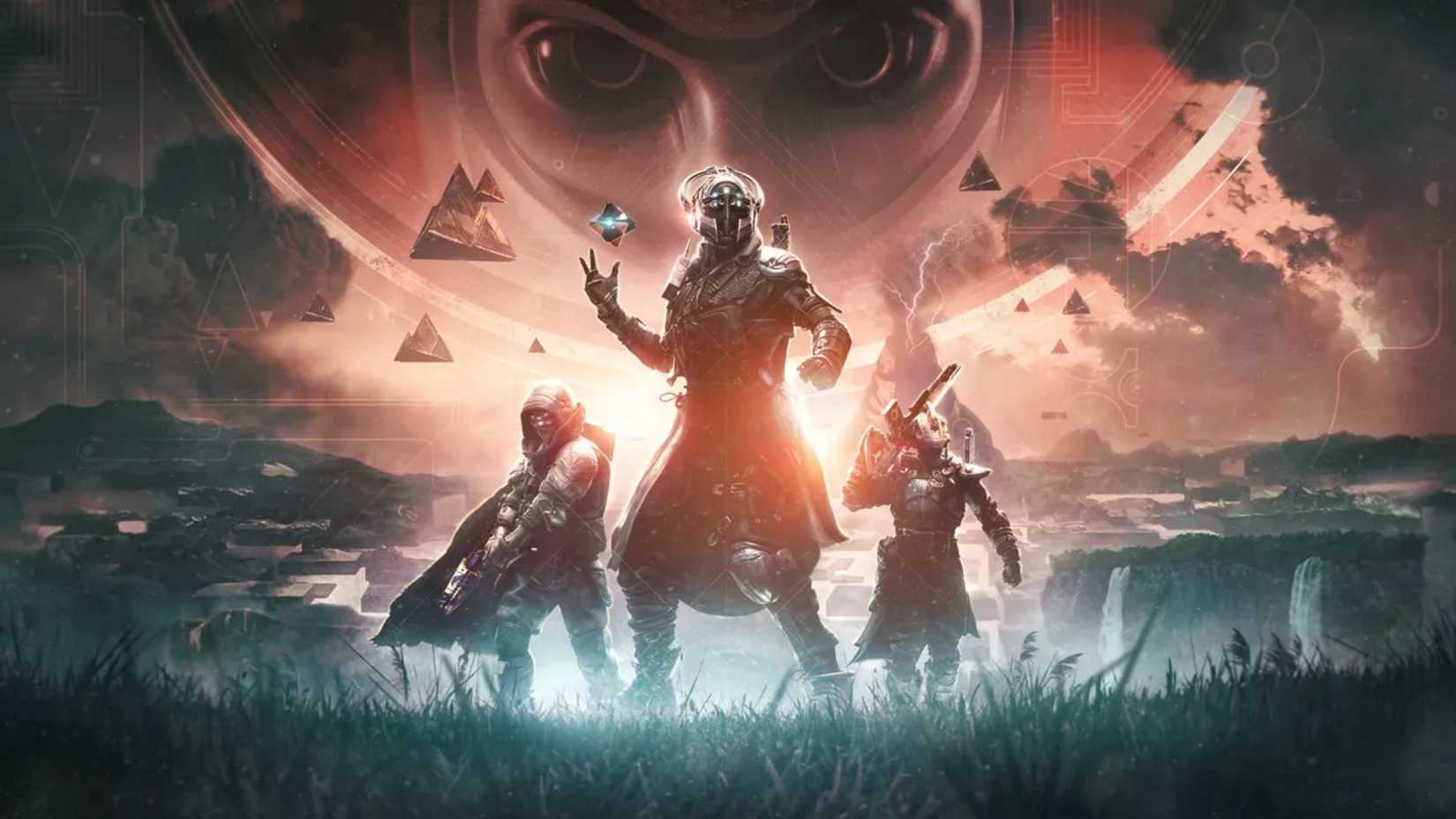
This "warm sign-off" has resonated with the player base, though it has not dampened the underlying sense of grief. For many, Destiny 2 was more than a game—it was a digital space where friendships were forged in the fires of high-level Raids and Dungeons. The suddenness of the announcement, however, has drawn some criticism. With less than a month of "runway" before the final update, many players feel that the transition period is insufficient for a game of such historical significance.
The Implications: A Future Beyond the Traveler
The most pressing question for the industry now is what becomes of the studio. Bungie has clearly stated that it is not closing its doors, but rather shifting its focus toward "incubating its next games."
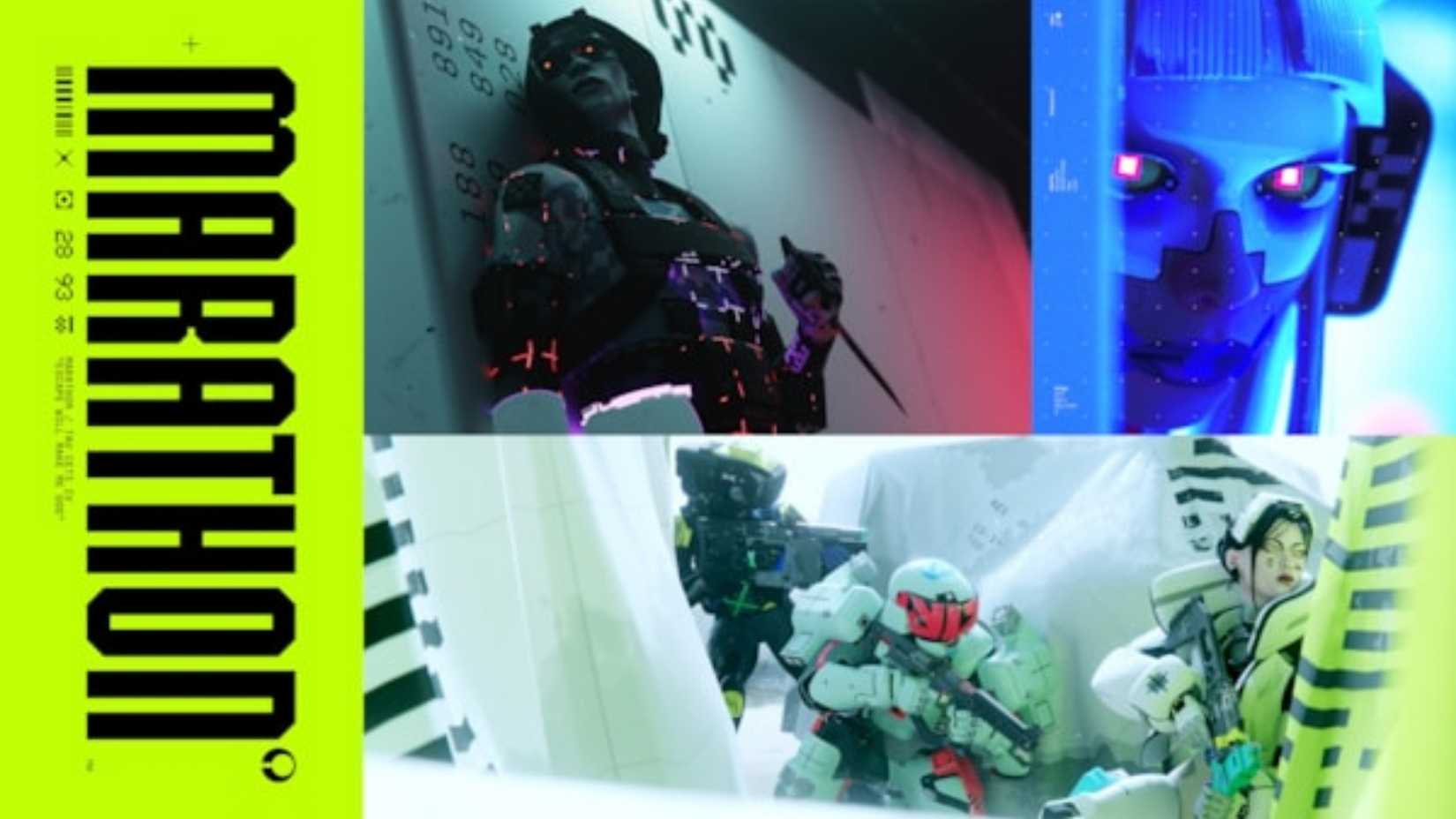
The primary vehicle for this future is Marathon, the upcoming extraction shooter that has been a focal point of Bungie’s development efforts for several years. Marathon currently faces an uphill battle; having launched only two months ago, its player engagement numbers are reportedly comparable to those of Destiny 2. The pressure on the studio to turn Marathon into a sustainable, long-term success is immense. In many ways, the fate of the studio now rests entirely on the shoulders of this new IP.
The "Vaulted" Problem
There is also the matter of preservation. Much of Destiny 2’s history—the Red War campaign, the early seasons, and massive chunks of world-building—has been "vaulted" or removed entirely. With the end of active support, the community is left wondering if a comprehensive, linear "co-op campaign" version of the Light and Darkness saga will ever be created. The demand for a curated, playable experience that summarizes the last twelve years is clear. Whether Bungie has the resources or the interest to consolidate the franchise into a definitive, offline-playable legacy remains a significant, unanswered question.
Conclusion: The End of an Era
The conclusion of Destiny 2 is a poignant reminder of the fragility of the live-service model. These games are designed to feel eternal, yet they are tethered to the financial and creative health of the studios that build them.
As the sun sets on the Tower, the legacy of the game will likely be debated for years to come. Was it a masterpiece of world-building hindered by its own monetization, or was it the ultimate example of the "game as a hobby" gone wrong? Regardless of the answer, the impact of Destiny 2 on the landscape of modern gaming is undeniable. It pushed boundaries in raid design, social interaction, and episodic storytelling.

June 9, 2026, will not be a day of explosive celebration. It will be a quiet, reflective moment—a final login, a final patrol, and a final farewell to a digital universe that, for many, felt like a second home. The Guardians may be hanging up their capes, but the influence of their journey will echo in the industry for years to come.
"We’ll see you in the stars," Bungie promised. For the millions of players who called the Sol System home, the stars will undoubtedly look a little different from now on.


 Asep Darmawan
 Iffa Jayyana