

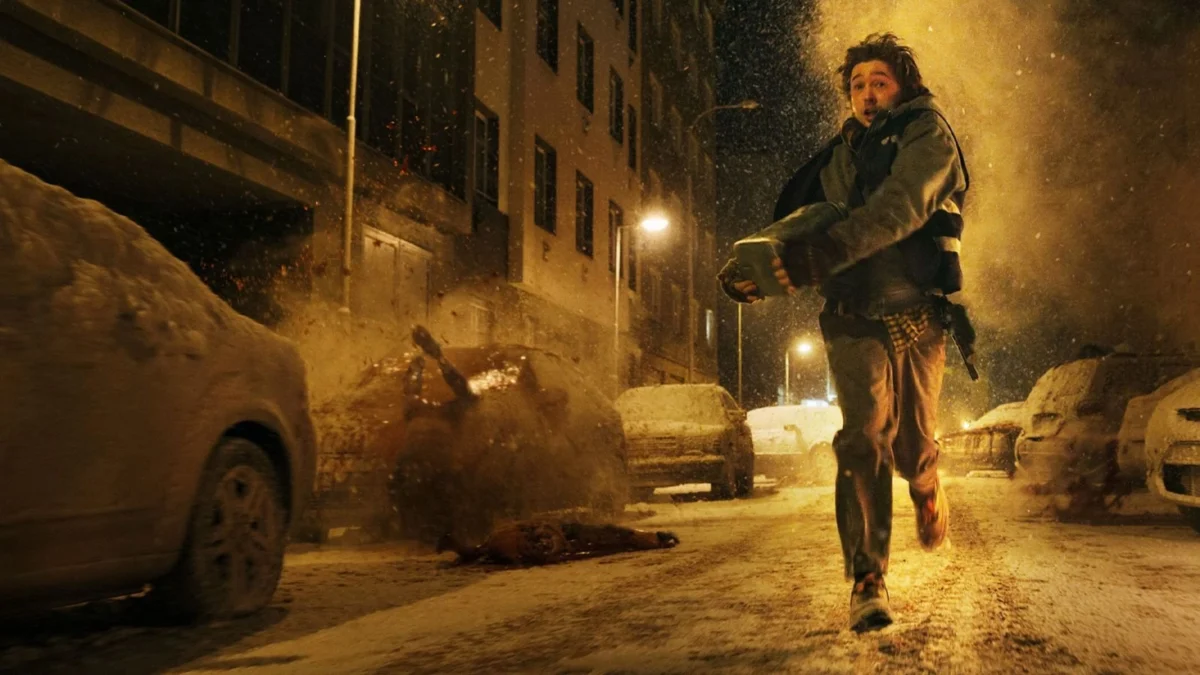
The cinematic landscape of 2026 has been dominated by the anticipation surrounding the latest Resident Evil adaptation. However, as the film nears its September 18 release date, the discourse has shifted from excitement to intense scrutiny. Directed by Zach Cregger—fresh off the critical triumph of his horror masterpiece Weapons—the new project has sparked a firestorm of debate following the debut of its first trailer. For a franchise that has struggled to find a consistent cinematic footing, this latest iteration represents a bold, if polarizing, departure from the source material that fans have spent decades studying.
A Legacy of Adaptation: The History of Resident Evil on Screen
To understand the current friction between Cregger and the Resident Evil fanbase, one must first look at the franchise’s turbulent history with Hollywood. Since Capcom’s survival horror titan launched in 1996, the IP has been a staple of gaming culture. However, its transition to the silver screen has been famously inconsistent.
The Paul W.S. Anderson-led series, which began in 2002 and spanned six films, largely eschewed the narrative beats of the games, instead opting for an original protagonist, Alice. While commercially successful, these films were frequently criticized by the gaming community for prioritizing action over the claustrophobic, survival-horror DNA that defined the Resident Evil games.
Following the conclusion of that saga, 2021’s Resident Evil: Welcome to Raccoon City attempted a more "faithful" approach, weaving together plot elements from the first two games. Despite this, it was met with lukewarm critical reception and failed to capture the cultural zeitgeist. When Zach Cregger was announced as the director for this latest reboot, there was a palpable sense of hope. Given his reputation for subverting horror tropes and his visceral, high-tension directing style, many believed he was the filmmaker capable of finally "getting it right."
The Spark: A Trailer That Divided a Fandom
The friction began in earnest following the release of the first trailer. While the production values were undeniably high—showcasing the grit and atmospheric dread that made Weapons such a success—fans were quick to notice the absence of iconic pillars.
The trailer reveals a narrative centered on Bryan, a medical courier navigating the chaos of a Raccoon City outbreak. Crucially, the footage lacks appearances from series mainstays like Leon S. Kennedy, Claire Redfield, or Jill Valentine. For a vocal segment of the fanbase, the absence of these characters, combined with a tone that seems distinct from the campy, B-movie horror roots of the games, felt like a betrayal.
The narrative, while allegedly running parallel to the events of Resident Evil 2, seems to operate in a vacuum. It is a self-contained story—a stylistic choice that Cregger intentionally made to distinguish his work from the "multiverse" or "legacy sequel" trends currently dominating Hollywood.
Official Response: Cregger Addresses the Backlash
In a candid interview with director Curry Barker for Interview Magazine, Cregger broke his silence regarding the online vitriol. He acknowledged that the reaction to the teaser has been, in his words, a "wild week."
"There’s so many people that clearly really want the video game, meaning the characters and story from the video game, and anything different than that is really not welcomed," Cregger admitted. "I didn’t realize how passionate some people were about that."
Cregger’s defense is not based on a lack of appreciation for the source material, but rather a creative philosophy that favors cinematic integrity over fan service. He argued that a literal translation of the games—essentially a beat-for-beat recreation—would fail to satisfy anyone, including the most ardent supporters.

"If I did that, I don’t think I’d be creatively fulfilled, and I don’t even think they would enjoy it," Cregger stated. "If I just did the story of the games, I think the most diehard fans would be bummed. So I don’t know what to do about it."
This sentiment underscores a recurring dilemma in modern adaptations: the tug-of-war between "authenticity" to the source and the necessity of creating a functional, engaging film. By opting for an original protagonist and a self-contained story, Cregger is betting that the Resident Evil brand is strong enough to support a new perspective within the established universe, rather than being beholden to the baggage of previous iterations.
The Implications: What This Means for Future Adaptations
The Resident Evil controversy is a microcosm of a larger industry-wide debate. As studios continue to mine video game IPs for content, they are finding that the "fan-first" model often leads to diminishing returns or creative stagnation.
1. The Death of the "Faithful" Adaptation?
There is an increasing trend toward "remixing" rather than "adapting." Shows like HBO’s The Last of Us succeeded by staying close to the narrative, while films like The Super Mario Bros. Movie succeeded by embracing the aesthetic. Cregger is attempting a third path: using the setting and rules of the world to tell a new story. If he succeeds, it could set a precedent for directors to take more liberties with established franchises, potentially liberating them from the "fan service" trap.
2. The Creative Fulfillment Argument
Cregger’s point about "creative fulfillment" is significant. A director forced to adhere to a rigid checklist of character arcs and plot points often loses the ability to innovate. By choosing to step away from the established cast, Cregger is asserting his right to be an auteur within a blockbuster framework. This risk is high; if the film is successful, he will be praised as a visionary. If it fails, he will likely be remembered as the director who ignored the source material at his own peril.
3. Fan Sentiment and Brand Loyalty
The backlash also highlights the unique relationship between gamers and their favorite franchises. Unlike literature or comics, video games are participatory experiences. Fans have spent hundreds of hours in the shoes of Leon or Claire; seeing them omitted from a film is not just a narrative change—it feels like the removal of a personal connection. Cregger’s challenge is to convince these fans that a high-quality, atmospheric horror experience is a worthy substitute for the nostalgia they are craving.
Looking Toward September: The Final Verdict
As the September 18 release date approaches, all eyes are on the box office and the critical consensus. The film is currently positioned as one of the most anticipated releases of 2026, a testament to the enduring power of the Resident Evil name, regardless of the controversy.
The success of the film will ultimately depend on whether Cregger can deliver on the horror promise. If the film is terrifying, well-paced, and technically proficient, the narrative departures may be forgiven—or even celebrated. If the film falters, it will undoubtedly be cited as a cautionary tale of why filmmakers should listen to the core audience.
For now, the divide remains. Cregger has made his stance clear: he is interested in making a Resident Evil movie, not a Resident Evil video game. Whether that distinction is enough to win over the masses remains the most compelling narrative of the 2026 film season.
As we await the premiere, one thing is certain: the conversation surrounding this project is far from over. The tension between the director’s vision and the audience’s expectations has created a level of pre-release engagement that few other films this year have managed to achieve. Whether this curiosity translates into critical acclaim or box-office disappointment will define the next chapter of this legendary horror franchise.










No comments yet. Be the first to join the conversation!