Siti Muinah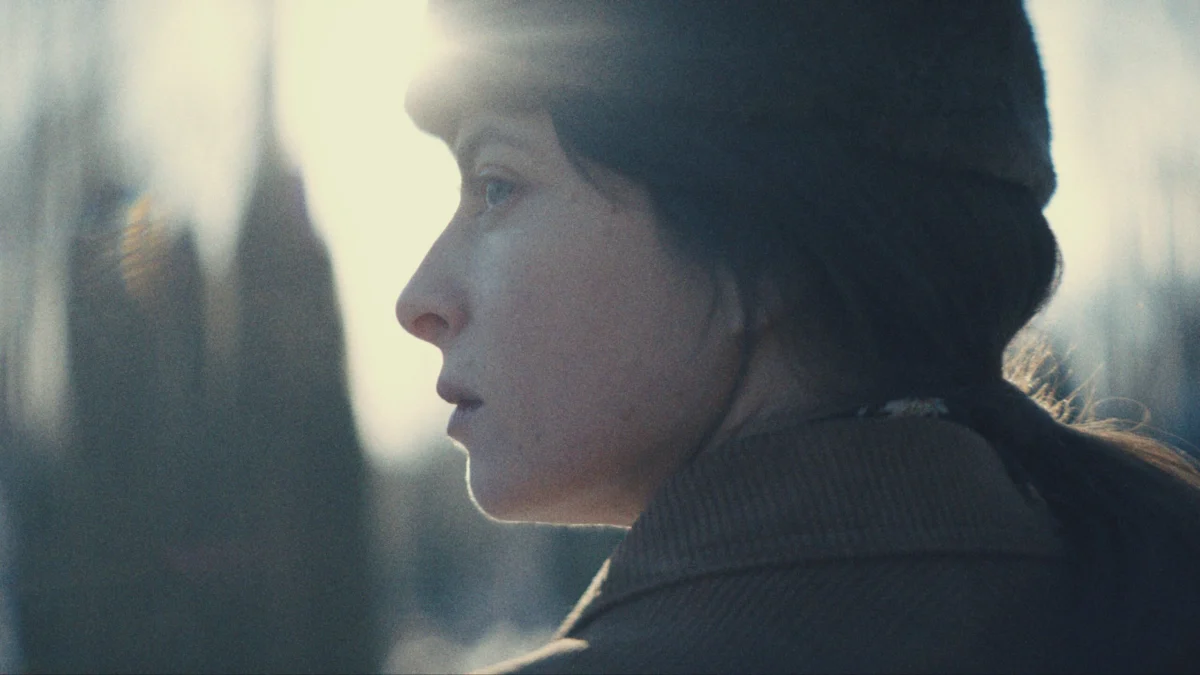
By Samantha Nelson
Published May 25, 2026, 2:00 PM EDT
Main Facts
Apple TV+ is set to launch its highly anticipated new series, "Star City," on May 29, promising a gripping journey into an alternate history where the Soviet Union triumphed decisively in the Space Race. Billed as a paranoid thriller, the show delves deep into the secretive world of the Soviet space program, exploring themes of espionage, political manipulation, and the immense psychological toll of a totalitarian state on its most brilliant minds and dedicated servants. With a narrative pivot from traditional science fiction to a tense conspiracy drama, "Star City" is poised to captivate audiences with its unique blend of historical revisionism and psychological suspense.
The series is helmed by Ben Nedivi, co-showrunner of Apple’s acclaimed "For All Mankind," lending a proven track record in crafting intricate alternate-history narratives. "Star City" boasts a formidable cast, including Rhys Ifans, known for his compelling performances in "House of the Dragon," who portrays the enigmatic "Chief Designer" – a character inspired by the real-life father of the Soviet space program, Sergei Korolev. Joining him are Anna Maxwell Martin as the ruthless KGB operative Lyudmilla Raskova, Agnes O’Casey as the ambitious new agent Irina Morozova, and Ruby Ashbourne Serkis as Tanya Markelova, the seemingly carefree cosmonaut’s wife who becomes an unwitting pawn in a dangerous game. The show’s creators reveal inspirations drawn from cinematic masterpieces of surveillance and paranoia, such as Florian Henckel von Donnersmarck’s The Lives of Others and Francis Ford Coppola’s The Conversation, promising a rich, atmospheric experience. The first two episodes premiere on Apple TV+ on May 29, with new episodes releasing Fridays through July 10.
Chronology: Rewriting the Cosmos and Crafting a Thriller
The foundational premise of "Star City" hinges on a pivotal "what if" in the annals of the Cold War: What if the Soviet Union’s brilliant but often overlooked lead engineer, Sergei Korolev, had not succumbed to complications during surgery in 1966? In our timeline, Korolev’s untimely death crippled the Soviet space program, allowing the United States to eventually surpass its rival and ultimately land humans on the Moon. "Star City" reimagines this critical juncture, positing a scenario where Korolev not only survived but continued to innovate, leading the Soviet Union to unprecedented successes in space, repeatedly humiliating the United States and firmly establishing its dominance beyond Earth’s atmosphere.
This alternate history is meticulously crafted to set the stage for the show’s unique narrative. Instead of merely catching up, the U.S. remains perpetually behind, fueling a desperate scramble for intelligence and a deep-seated paranoia within the Soviet regime to protect its technological secrets. The series name, "Star City," refers to the real-life, highly classified cosmonaut training facility hidden outside Moscow. In this fictionalized world, it becomes the nerve center of Soviet space power, a place of extraordinary scientific achievement shielded by an impenetrable wall of state secrecy and ruthless surveillance.
The conceptualization of "Star City" by showrunners like Ben Nedivi grew organically from a fascination with the often-untold stories and hidden complexities of the Space Race. While "For All Mankind" explored an alternate American perspective, the allure of the Soviet narrative, with its inherent opaqueness and ideological underpinnings, presented a fresh canvas. "The Soviet space game was always shrouded in mystery, not just to the West, but even to many within the Soviet Union itself," Nedivi explains during a recent press event. "The idea of taking that historical secrecy and magnifying it through a ‘what if’ scenario, where their success only makes them more paranoid, felt like a natural progression for a dramatic series."
The decision to pivot from a pure sci-fi focus to a conspiracy-thriller was a deliberate artistic choice. "We realized early on that the true drama wasn’t just in the rockets and the cosmonauts, but in the human cost of such an ambitious, secretive endeavor," Nedivi adds. "The political machinations, the internal struggles, the constant threat of being watched — these elements are ripe for a thriller. It allows us to explore not just the triumphs of space, but the shadows they cast on the ground." This chronological development, from historical divergence to thematic emphasis, underpins the entire structure of "Star City," promising a narrative that is as intellectually stimulating as it is emotionally gripping.
Supporting Data: Characters, Themes, and Craft
The richness of "Star City" lies in its deeply etched characters and the intricate web of thematic concerns they navigate, all brought to life with meticulous production design.
The Architect of Ambition: The Chief Designer
At the heart of Star City’s scientific endeavors is the enigmatic Chief Designer, portrayed with captivating intensity by Rhys Ifans. Referred to only by his title to protect his identity from both foreign adversaries and domestic political rivals, this character is a thinly veiled, yet dramatically expanded, version of Sergei Korolev. Ifans immersed himself in Korolev’s biography, uncovering the immense pressure and paradoxical anonymity that defined his life. "Ordinarily, a man like this would be celebrated by society," Ifans notes, reflecting on Korolev’s historical obscurity despite his monumental achievements. "He’d be out on the streets in ticker tape parades time and time again. But I don’t think that ever was his driving ambition. His ambition is getting humans away from Earth’s atmosphere into space."
The Chief Designer is a man torn between his pure scientific vision and the brutal realities of Soviet bureaucracy. His brilliance is indispensable, granting him a degree of protection, but it also makes him a target. Party officials, valuing showy, propagandistic victories over incremental scientific progress, constantly undermine his long-term goals. The KGB, ever-present, views his program as both a source of national pride and a critical vulnerability. This internal conflict forms a core tension of the series: Can true scientific progress flourish under the suffocating weight of political control and pervasive paranoia? Ifans portrays the Chief Designer not just as a genius, but as a man haunted by the knowledge that every success is bought with the currency of secrecy and potential human sacrifice. His character embodies the tragic paradox of Soviet ambition: reaching for the stars while crushing individual freedom on Earth.
The Iron Lady of Surveillance: Lyudmilla Raskova
Opposing the Chief Designer’s scientific pragmatism is Lyudmilla Raskova, a formidable WWII veteran who heads KGB surveillance within Star City, brought to life by Anna Maxwell Martin. Raskova is a product of a system that demands absolute loyalty and efficiency, her past as a veteran implying a hardened resolve and a deep understanding of strategic necessity. For Raskova, state security and the suppression of dissent are paramount, even if it means sacrificing scientific integrity or individual lives. She frequently clashes with the Chief Designer, her primary objective being to root out any perceived threat, especially a mole suspected of collaborating with U.S. intelligence.
"So much of the program that they were so proud of was based on the idea of secrecy and security," co-showrunner Ben Nedivi explains. "It felt only natural in telling this story that the intelligence apparatus and the KGB would be a big part of the story, much more than in For All Mankind." Raskova is not merely a villain; she represents the institutional paranoia of the Soviet state. Her character is complex, driven by a twisted sense of duty and perhaps even a belief that her ruthless methods are for the greater good of the Motherland. Martin portrays Raskova with a chilling precision, hinting at the buried trauma of her past while maintaining an unyielding facade of control.
The Observer and the Obsessed: Irina Morozova and Tanya Markelova
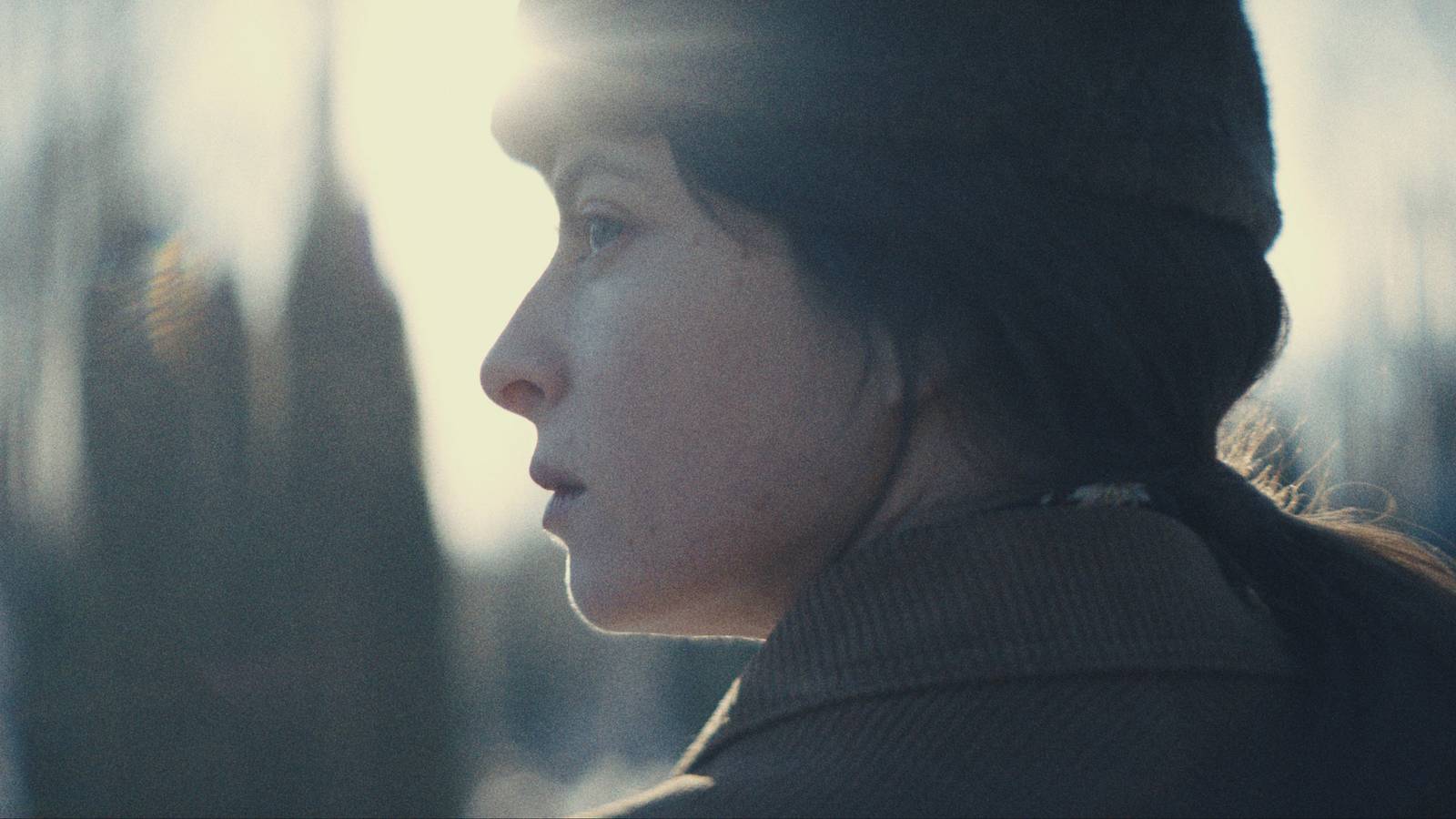
Raskova’s influence extends to Irina Morozova, an ambitious new KGB agent played by Agnes O’Casey. Tasked with the intimate and invasive duty of eavesdropping on cosmonauts and their spouses, Irina finds herself caught in a psychological crucible. Her initial ambition gradually gives way to a profound internal struggle as the act of surveillance blurs the lines between duty and obsession.

A particularly compelling dynamic unfolds between Irina and Tanya Markelova (Ruby Ashbourne Serkis), the carefree wife of one of Star City’s top cosmonauts. Tanya, vibrant and seemingly unburdened by the pervasive anxieties of Star City, becomes the unwitting subject of Irina’s intense scrutiny. "They are in such a strange relationship where they find each other alluring and fascinating," Martin says of Raskova and Irina’s dynamic. "With Lyudmilla, there’s the control and treating [Irina] like her toy or her pet, but then valuing her as well at the same time, or valuing the potential of her." This mentorship, however, also serves to amplify Irina’s own psychological unraveling.
The showrunners drew significant inspiration from The Lives of Others and The Conversation to explore the profound psychological impact of surveillance, not just on the surveilled, but on the observers themselves. "Irina becomes obsessed with Tanya," O’Casey reveals. "She spent hours of her life listening to her and she’s fallen in love with her. She’s so lovable. She’s everything Irina’s not." This unrequited, voyeuristic ‘love’ becomes a central emotional arc, highlighting how constant exposure to another’s private life can warp perception and identity. Tanya, in her innocent exuberance, represents everything Irina’s rigid, controlled world denies her, making her both an object of duty and a vessel for forbidden longing.
Crafting the Paranoid Aesthetic
The production design and visual aesthetic of "Star City" are crucial in establishing its paranoid thriller atmosphere. Recreating a plausible, yet chilling, Soviet secret base required extensive research into historical archives and architectural styles of the era. The sets emphasize confinement, muted colors, and utilitarian brutalism, reflecting the harsh realities of life under state control. The sound design is equally critical, elevated by the show’s focus on audio surveillance. Whispers, static, and the subtle sounds of everyday life become narrative tools, immersing the audience in Irina’s world of eavesdropping. This meticulous attention to detail ensures that the series is not just a story about paranoia, but an experience that instills it in the viewer. The blend of high-stakes space missions with the claustrophobic tension of the surveillance rooms creates a unique dramatic rhythm, setting "Star City" apart in the crowded landscape of prestige television.
Official Responses: The Vision Behind the Veil
The creators and cast of "Star City" have offered compelling insights into their collaborative vision for the series, emphasizing its distinct identity while acknowledging its thematic connections to previous works. Ben Nedivi, co-showrunner, has been particularly vocal about the intentional shift in genre and perspective. "Balancing the show’s spy thriller elements with the high stakes space missions and personal drama that drive For All Mankind was a challenge," Nedivi admits. "But the historical context of the Soviet program naturally lent itself to a different kind of tension. Their secrecy wasn’t just about protecting technology; it was about protecting an ideology, and that required a pervasive, often brutal, intelligence apparatus."
Nedivi elaborates on the influence of The Lives of Others and The Conversation: "[Lyudmilla and Irina are] listening to the cosmonauts and the engineers. That ended up becoming one of the fun things of working on the show because suddenly sound and the idea of voyeurism was something we were able to explore in a way we only touched on briefly in For All Mankind." This focus on auditory immersion underscores the psychological depth the show aims to achieve, inviting viewers to question the ethics and emotional toll of constant observation.
Rhys Ifans’ dedication to embodying the Chief Designer is evident in his comments regarding his preparation. "I knew nothing about the Soviet space program before joining Star City, but I read everything I could about Korolev to prepare for the role," he states. His portrayal seeks to capture not just the scientific genius, but the profound isolation and constant danger that defined Korolev’s existence within the Soviet system. "He was hidden away and kind of protected at such great lengths by the state," Ifans remarks, highlighting the paradox of a revered figure forced into anonymity.
Anna Maxwell Martin provides a nuanced perspective on her character, Lyudmilla Raskova, acknowledging the complexity of her motivations. "Lyudmilla is not simply evil; she is a product of her time and her experiences," Martin explains. "Her actions, however brutal, are driven by a deep-seated belief in the system and a profound understanding of the stakes involved in the Cold War. She represents the unyielding face of state power." Her exploration of Raskova’s ‘alluring and fascinating’ dynamic with Irina suggests a deeper, almost manipulative, form of mentorship that further blurs moral lines.
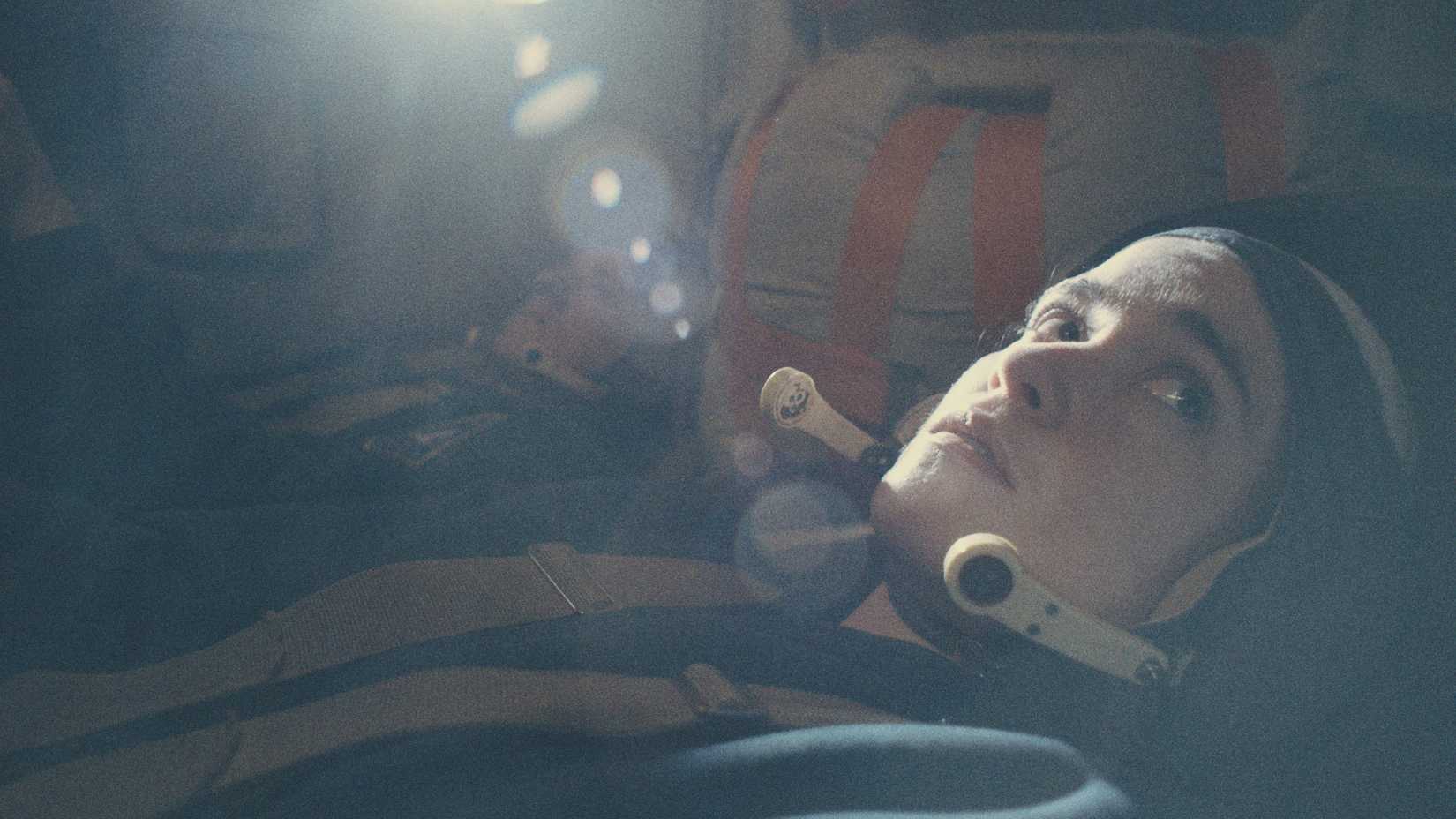
Agnes O’Casey’s description of Irina’s burgeoning obsession with Tanya is perhaps the most poignant "official response," revealing the show’s emotional core. Her admission of Irina "falling in love" with Tanya underscores the human cost of surveillance and the unexpected emotional entanglements that can arise from extreme psychological proximity. These collective statements from the cast and crew illuminate the careful thought and artistic intention behind "Star City," promising a series that is as intellectually stimulating as it is emotionally resonant.
Implications: Apple TV+’s Expanding Universe of Prestige Drama
"Star City" arrives as a significant addition to Apple TV+’s burgeoning slate of ambitious, high-quality dramas, further solidifying the platform’s reputation for compelling and thought-provoking content. Following the critical success of "For All Mankind," "Severance," and "Foundation," "Star City" signals Apple’s continued investment in sophisticated storytelling, particularly within the speculative fiction and historical drama genres. Its unique premise and genre blend allow it to appeal to fans of alternate history, spy thrillers, and psychological dramas, potentially broadening Apple TV+’s subscriber base and enhancing its prestige.
The series is poised to spark considerable discussion, not just about its alternate historical timeline, but also about its contemporary relevance. The themes of pervasive state surveillance, the erosion of privacy, and the psychological toll of living under constant scrutiny resonate deeply in an increasingly digital and interconnected world. "Star City" offers a historical mirror to modern anxieties, prompting viewers to consider the balance between security and freedom, and the moral ambiguities inherent in systems of control. Its exploration of voyeurism and its impact on both observer and observed could trigger critical conversations about ethics in intelligence gathering and the human cost of power.
Should "Star City" achieve critical acclaim and strong viewership, it could pave the way for further expansions within Apple’s alternate history universe. The show’s rich historical backdrop, coupled with its complex character dynamics, offers ample potential for future seasons exploring different periods of the Soviet space program or even spin-off narratives focusing on other aspects of the Cold War from a non-American perspective. By venturing into the shadowy world of the Soviet Union, "Star City" not only rewrites history but also redefines the boundaries of prestige television, challenging audiences to confront uncomfortable truths about power, ambition, and the enduring human spirit amidst oppression.


 Lina Irawan
 Sagoh
Sagoh