Nila Kartika Wati
In the landscape of 2026’s indie gaming scene, few titles have managed to capture the intersection of existential dread and profound intimacy quite like Schrödinger’s Call. Developed by Acrobatic Chirimenjako and published by Shueisha Games, this visual novel—released on May 27, 2026—transcends the boundaries of the genre to deliver a haunting, meditative experience. Set against the backdrop of an impending apocalypse, the game challenges players to act as the final bridge between the living and the hereafter, posing a singular, devastating question: If you could make only one final phone call before the end of the world, what would you say?
The Premise: The Last Confidant
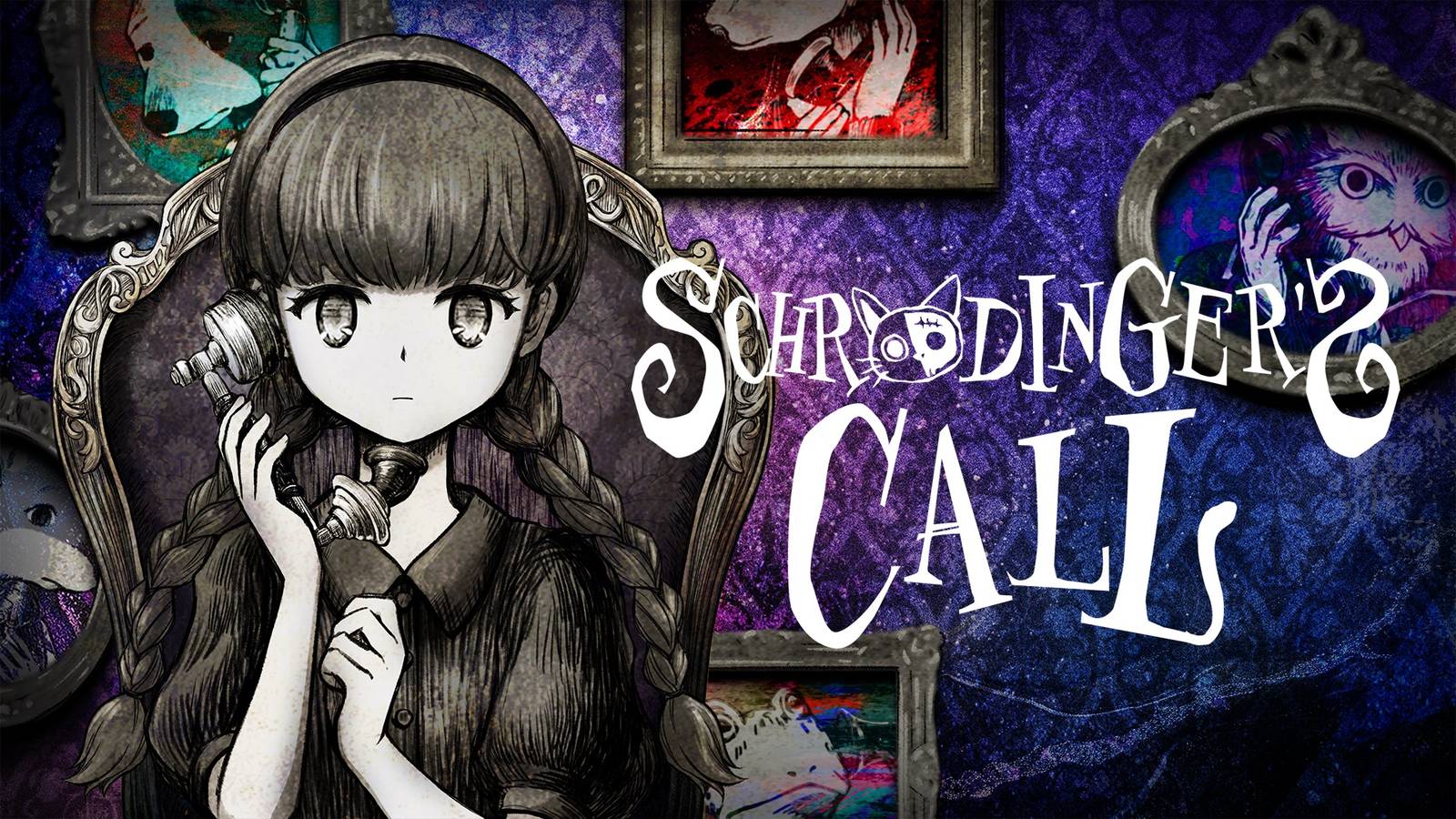
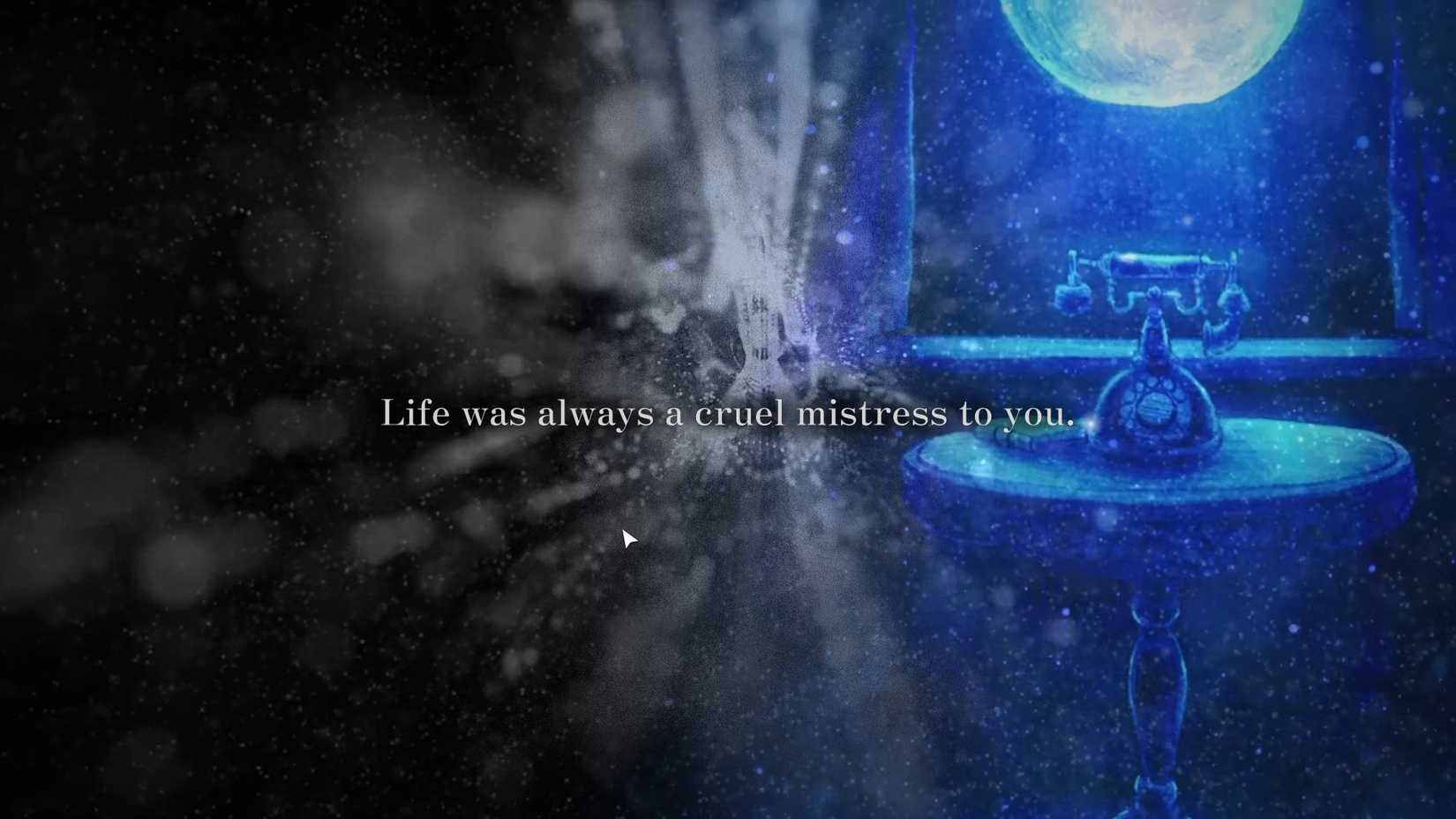
The narrative thrust of Schrödinger’s Call places the player in the shoes of Mary, a protagonist defined by her lack of identity. Mary awakens in a stark, windowless room containing only a chair, a telephone, and an enigmatic feline companion named Toby Notoby Hamlet. The name itself is a deliberate literary allusion to Shakespeare’s Hamlet, specifically the iconic "to be, or not to be" soliloquy. This is not merely window dressing; it establishes the game’s core philosophical framework: the state of quantum superposition.
In the world of Schrödinger’s Call, humanity is trapped in a state where the outcome of existence is both "yes" and "no." With the moon having collided with Earth, the world is effectively ending. Mary discovers she is the "last Confidant," a role that requires her to answer a series of final phone calls from souls across the globe who are in their terminal nanoseconds of life. As she assists these callers in resolving their unfinished business, she begins to recover the fragments of her own lost memory, slowly uncovering the truth behind her existence in the void.
Chronology of a World’s End
The game’s structure is episodic, defined by the specific souls Mary encounters on the other end of the line. Each chapter serves as a contained emotional arc.

- The Awakening: The player begins with no context, mirroring Mary’s own amnesia. The initial interaction with Toby Notoby Hamlet sets the stakes: 21 nanoseconds remain until total erasure.
- The Investigative Phase: Unlike traditional visual novels that rely on branching paths based on combat or romance, Schrödinger’s Call leans heavily into detective mechanics. The player must utilize a notebook to track clues, cross-reference dialogue, and piece together the fragmented memories of the callers.
- The Climax: As the narrative progresses, the lines between the callers’ regrets and Mary’s own buried history begin to blur. The pacing is deliberate, forcing players to confront the inevitability of the catastrophe.
- The Resolution: The game does not offer a "happy" ending in the conventional sense, but rather a profound acceptance of the human condition. The final reveal regarding Mary’s identity forces a re-evaluation of everything the player thought they knew about their role in the apocalypse.
Mechanics and Narrative Depth
The genius of Schrödinger’s Call lies in its restraint. As a visual novel, it minimizes complex gameplay mechanics to ensure the narrative remains the primary focus. The player is, in essence, a detective of the soul. You are tasked with listening to callers who possess only "foggy memories"—a narrative device that makes the act of gathering information feel tactile and earned.
The "detective" element is not about solving a murder or a conspiracy; it is about solving the mystery of what it means to have lived. The notebook system is essential here. Players must carefully select dialogue options, as even a small misunderstanding can leave a soul with their regret unresolved, a failure that hangs heavy in the silence of the room. This creates an atmosphere where the player feels the weight of the characters’ pasts, even as they know that death is mere seconds away.
The Art and Sound: A Storybook of Grief
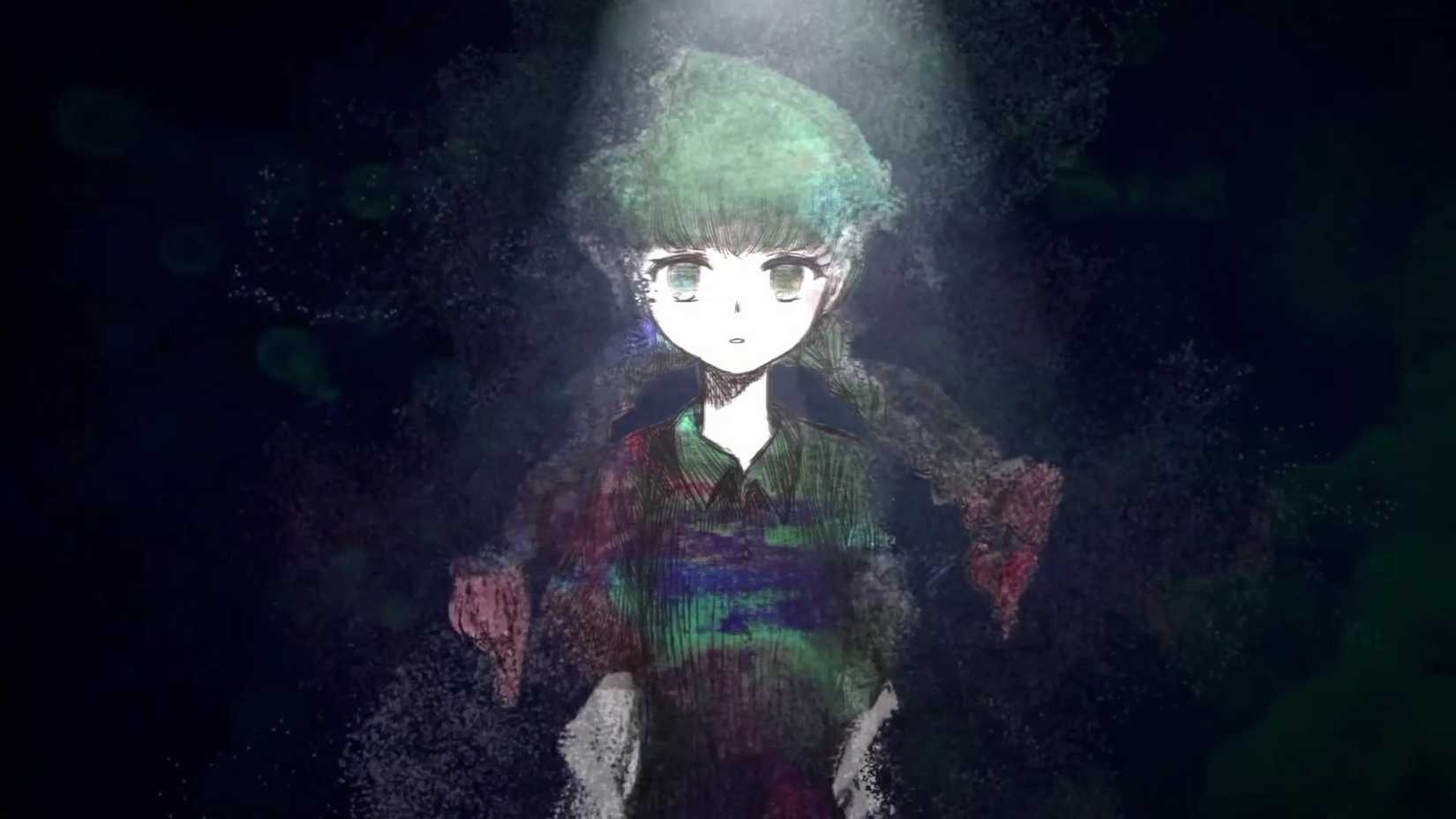
Visually, the game opts for a stylistic, static-heavy aesthetic. By limiting the animation, the developers evoke the feeling of flipping through a physical picture book. The clarity of the images fluctuates throughout the game, artfully mirroring the callers’ fading memories. This is a subtle yet powerful narrative tool; as the characters struggle to remember the details of their lives, the visuals become increasingly dreamlike and abstract.
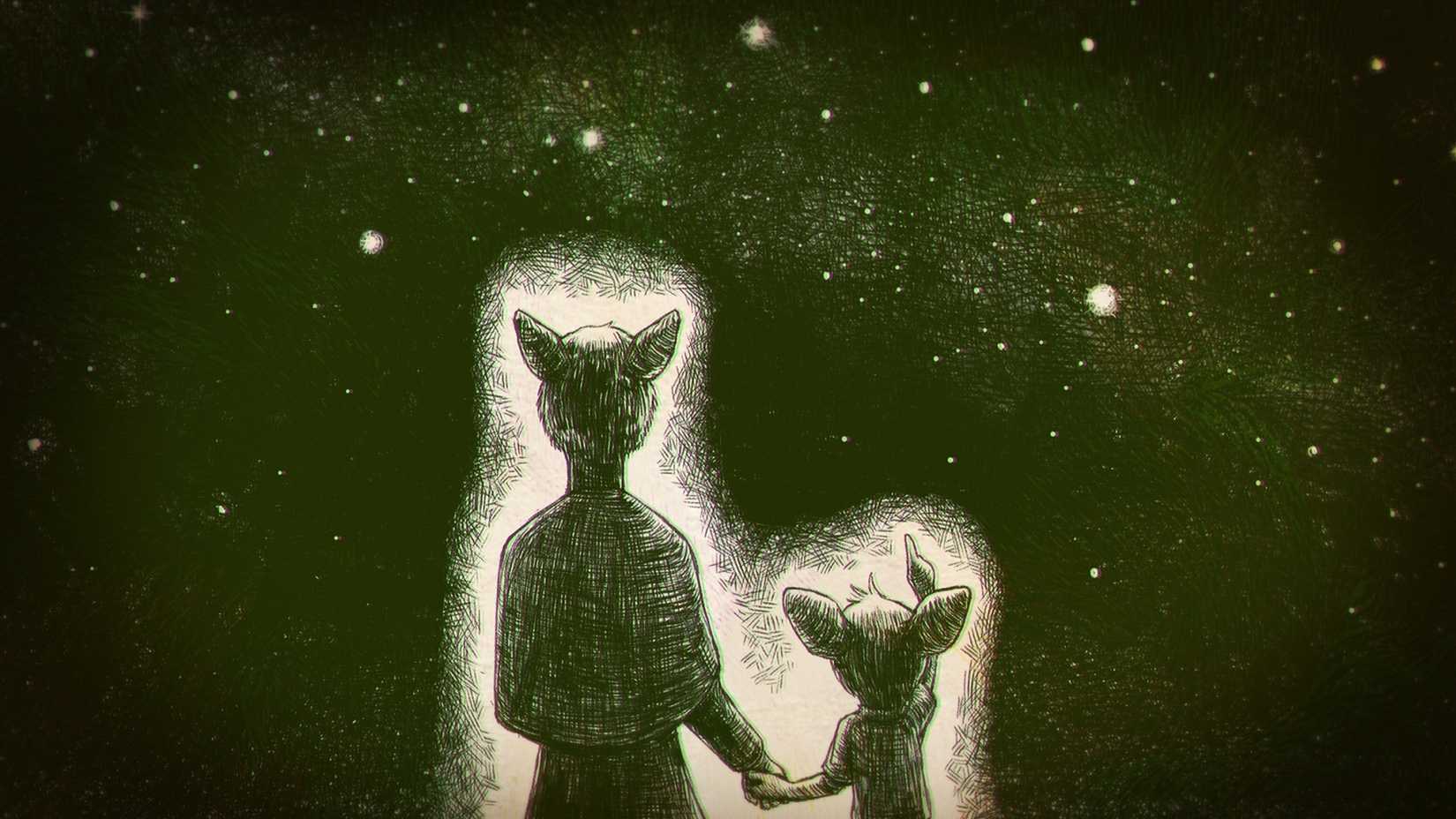
Perhaps the most striking design choice is the portrayal of the characters. Mary is the only human depicted on screen, while the callers are represented as animals. This design choice isolates Mary, reinforcing her role as a unique entity, or perhaps an observer outside of the natural order.
The sound design is equally atmospheric. With a soundtrack that is both ethereal and grounding, the game avoids the common pitfall of over-scoring. The music does not attempt to dictate the player’s emotions but rather invites them into the space. The lack of English voice acting—while potentially a hurdle for some—serves to heighten the sense of isolation and focus, forcing the player to engage deeply with the subtitles and the non-verbal auditory cues.
Implications for the Visual Novel Genre
Schrödinger’s Call is being heralded as a potential "genre-reinventor." By stripping away the tropes common to the visual novel genre—such as excessive romance options or predictable "good/bad" endings—Acrobatic Chirimenjako has crafted something closer to interactive poetry.

The game’s implication is clear: we define our lives through the regrets we carry. By forcing players to process these regrets repeatedly, the game demands a high degree of emotional investment. It is not a casual experience. It is a work that stays with the player long after the credits roll, leading many to engage in multiple playthroughs.
Multiple sessions are not just recommended; they are arguably necessary. The layered storytelling allows for new revelations on a second pass. Just as a detective might revisit a crime scene to find a clue previously obscured by emotion, the player is encouraged to return to Mary’s room to look at the narrative with fresh eyes.
Official Data and Reception
- Developer: Acrobatic Chirimenjako
- Publisher: Shueisha Games
- Release Date: May 27, 2026
- Platforms: PC, Nintendo Switch
- Genre: Visual Novel / Drama
- Rating: ESRB Everyone (Mild Fantasy Violence)
Since its release, the game has been noted for its accessibility, despite its heavy subject matter. While it is a "single-player only" experience, the communal discourse surrounding the game’s deeper meanings—particularly the theories surrounding Mary’s true nature—has been robust across social media and gaming forums.
Final Verdict
Schrödinger’s Call is a triumph of indie development. It manages to be both a technical accomplishment in its narrative structure and a devastatingly beautiful exploration of human existence. It stands as a testament to the idea that games do not need high-octane action to be compelling. Sometimes, all it takes is a phone, a chair, and the courage to listen to someone’s final words.
For those who have never delved into the visual novel genre, there is no better entry point. It is a game that respects the player’s intelligence and demands their empathy. As the industry looks toward the latter half of 2026, Schrödinger’s Call will undoubtedly remain a high-water mark for narrative-driven indie titles. It is, quite simply, an unforgettable experience that dares to ask what remains when everything else is stripped away.


 Azzam Bilal Chamdy
 Muslim