Layla Zulfa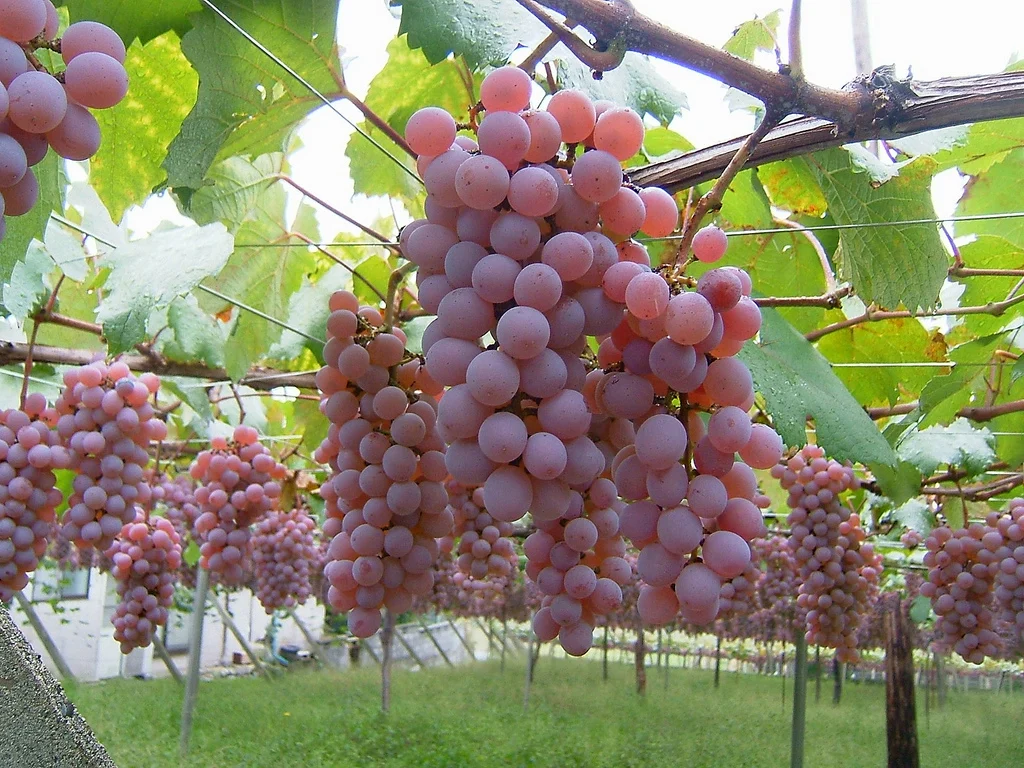
For the average international traveler, the Japanese tourism experience is often defined by the "Golden Route"—a predictable, high-speed rail trajectory connecting Tokyo, Kyoto, and Osaka. While these hubs offer undeniable grandeur, they frequently bypass the quiet, agricultural heartbeat of the nation. Tucked away on the Kii Peninsula, Mie Prefecture offers a sensory alternative: a three-season fruit-picking calendar that provides a rare, intimate look at Japanese rural life. Far from the commercialized, brand-heavy orchards of Yamanashi or Fukushima, Mie’s kajitsu-gari (fruit picking) remains a genuine, local-scale pursuit that bridges the gap between the urban visitor and the land.
Main Facts: The Mie Agricultural Advantage
Mie’s orchard belt is strategically positioned across the Kii Peninsula’s inland hills and the sprawling Ise-Shima coastal plain. Unlike the industrial tourism operations found elsewhere, Mie’s farms operate on a human scale. This is not about mass production for export; it is about supplying the discerning markets of the Kansai and Chubu regions.
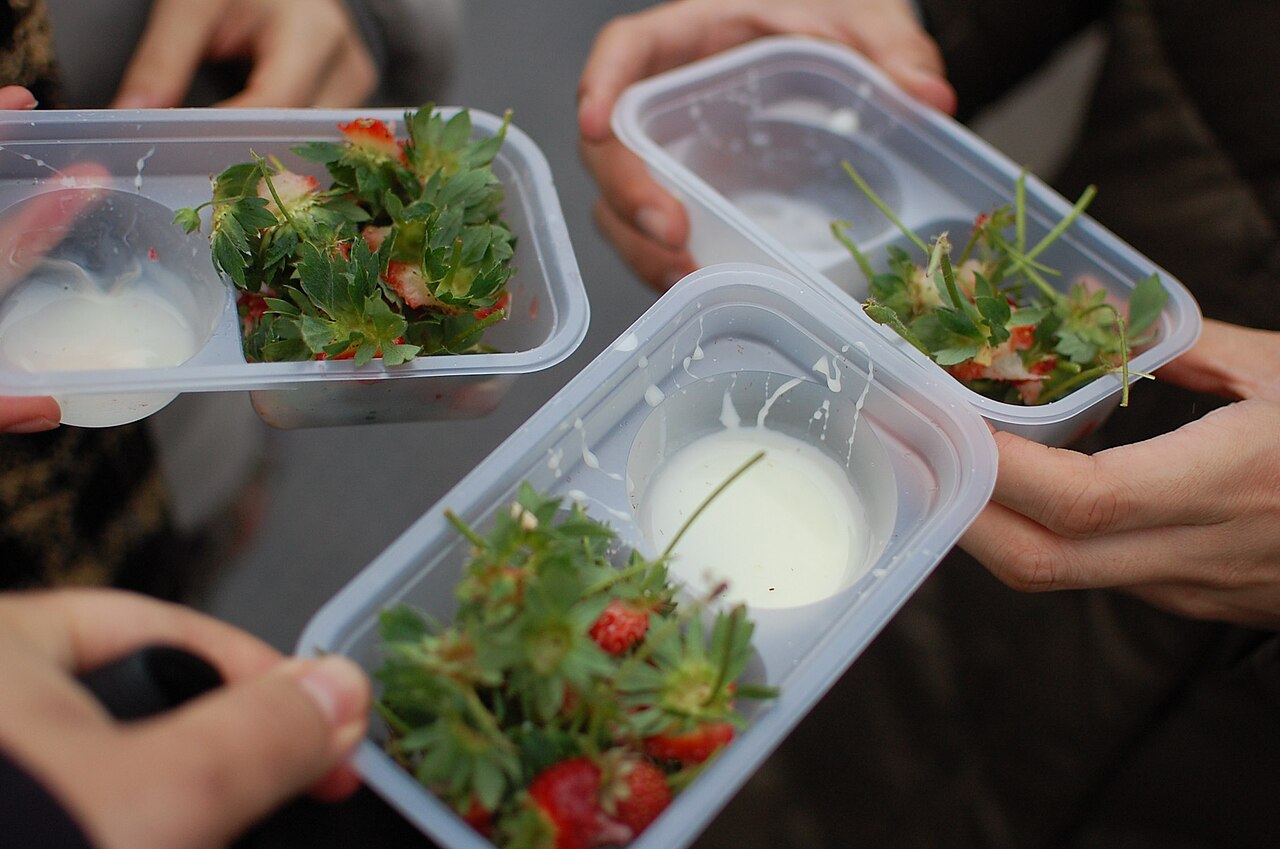
For the visitor, this offers several distinct advantages. First, the pricing is remarkably competitive. Because these farms are not catering to the massive tour-bus circuits, orchard-direct prices often undercut Tokyo-area equivalents by 40% to 50%. Second, the experience follows the quintessentially Japanese all-you-can-eat within the allotted time format. This turns a simple afternoon of agriculture into a low-key, lighthearted eating contest, creating an atmosphere that is as much about community and enjoyment as it is about the harvest itself.
The Chronology of the Harvest
Mie Prefecture’s agricultural calendar is a masterclass in seasonal transition, ensuring that there is almost always something ripening on the vine.
Strawberry Season (January–May)
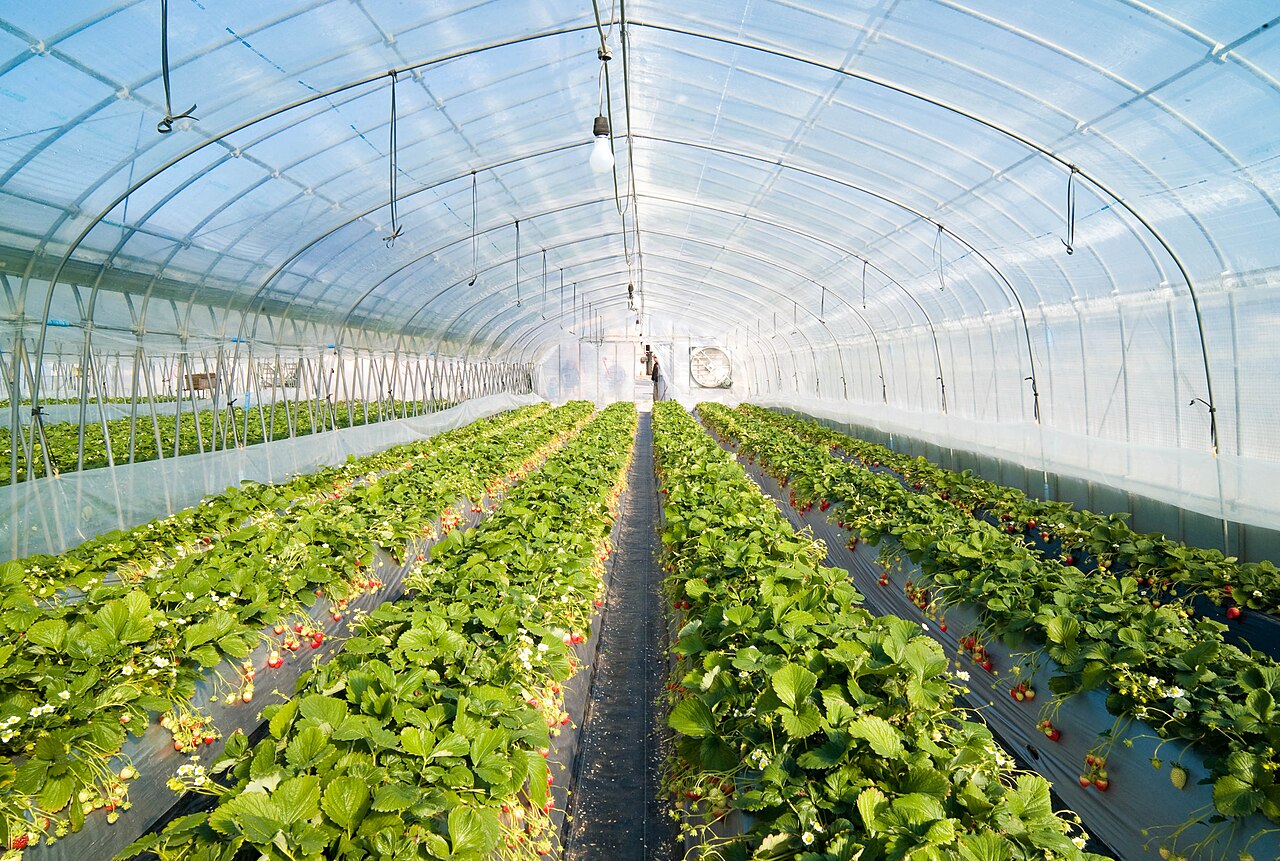
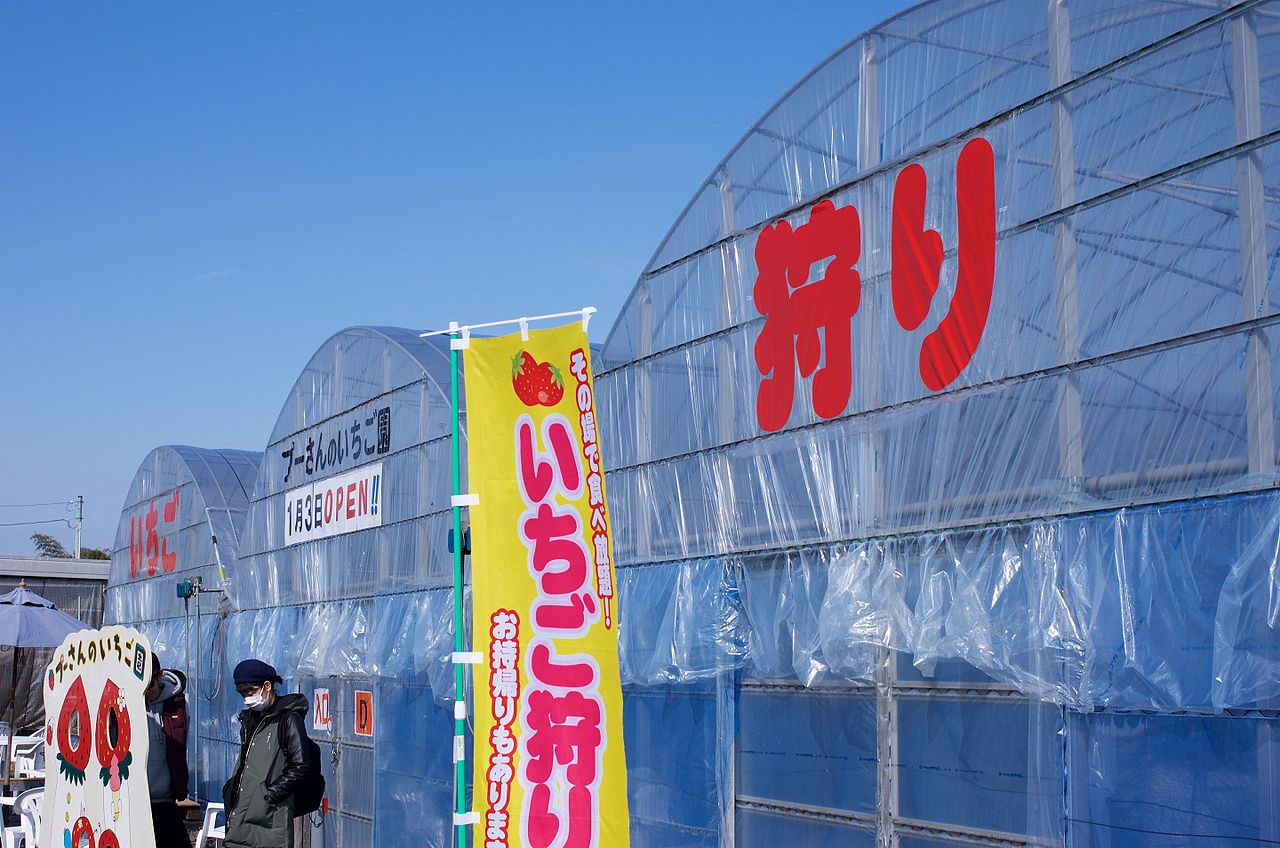
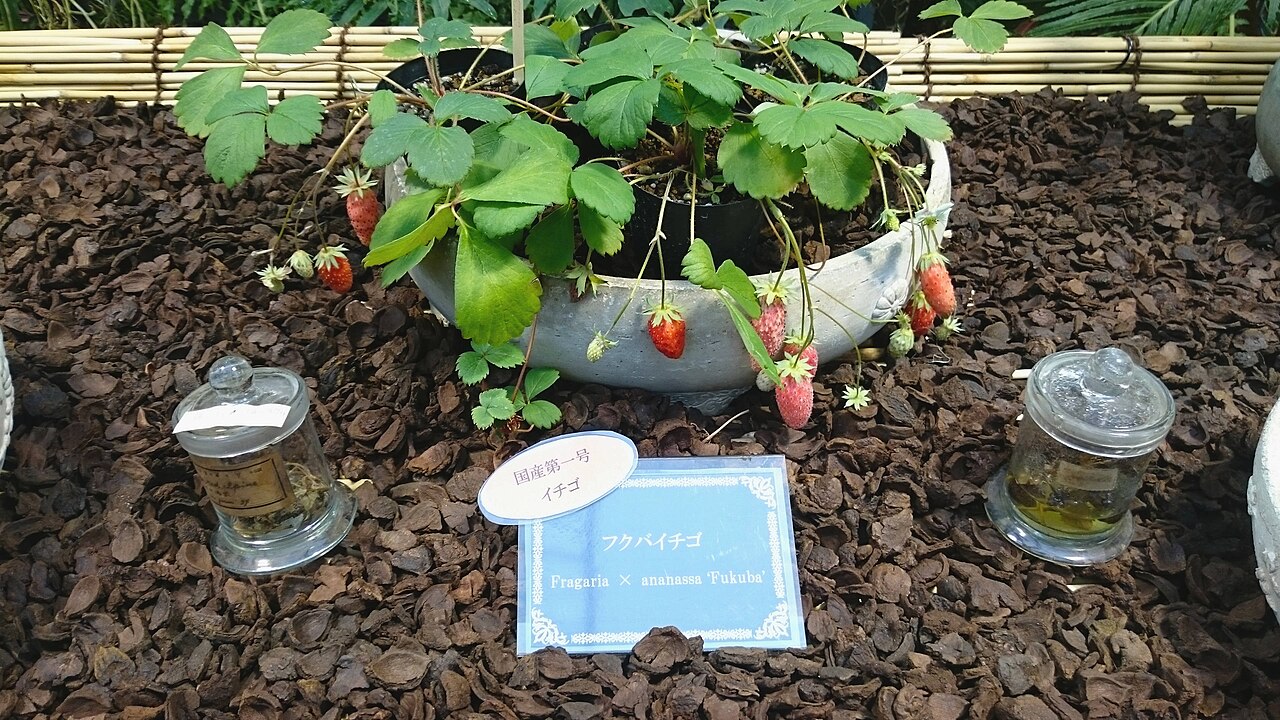
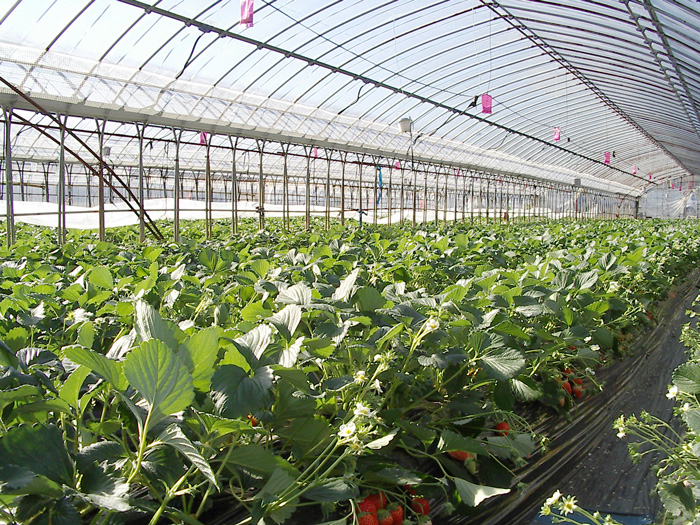
Ichigo-gari is the most accessible entry point for visitors. The season kicks off in mid-January, utilizing sophisticated, climate-controlled greenhouses that allow for an extended harvest period. Unlike traditional soil farming, modern Mie farms predominantly use raised, hydroponic benches. This "waist-height" design is a boon for travelers; it eliminates the need for back-breaking labor, allowing pickers to harvest fruit comfortably while standing. Varieties such as the popular Amaou and the sweeter Tochigiotome are staples, with the occasional appearance of the rare, pale Hakuou (white strawberry).
Plum and Peach Season (June–July)
As the heat of early summer sets in, the focus shifts to stone fruits. Ume-gari (plum picking) takes place in June, primarily for those interested in the artisanal craft of home-pickling. By July, the peach orchards in the central hills open their gates. While these operations are smaller than those in the famed Fukushima orchards, the quality of the Mie harvest is exceptionally high, providing a more exclusive, less crowded environment for the picker.
Grape Season (August–October)
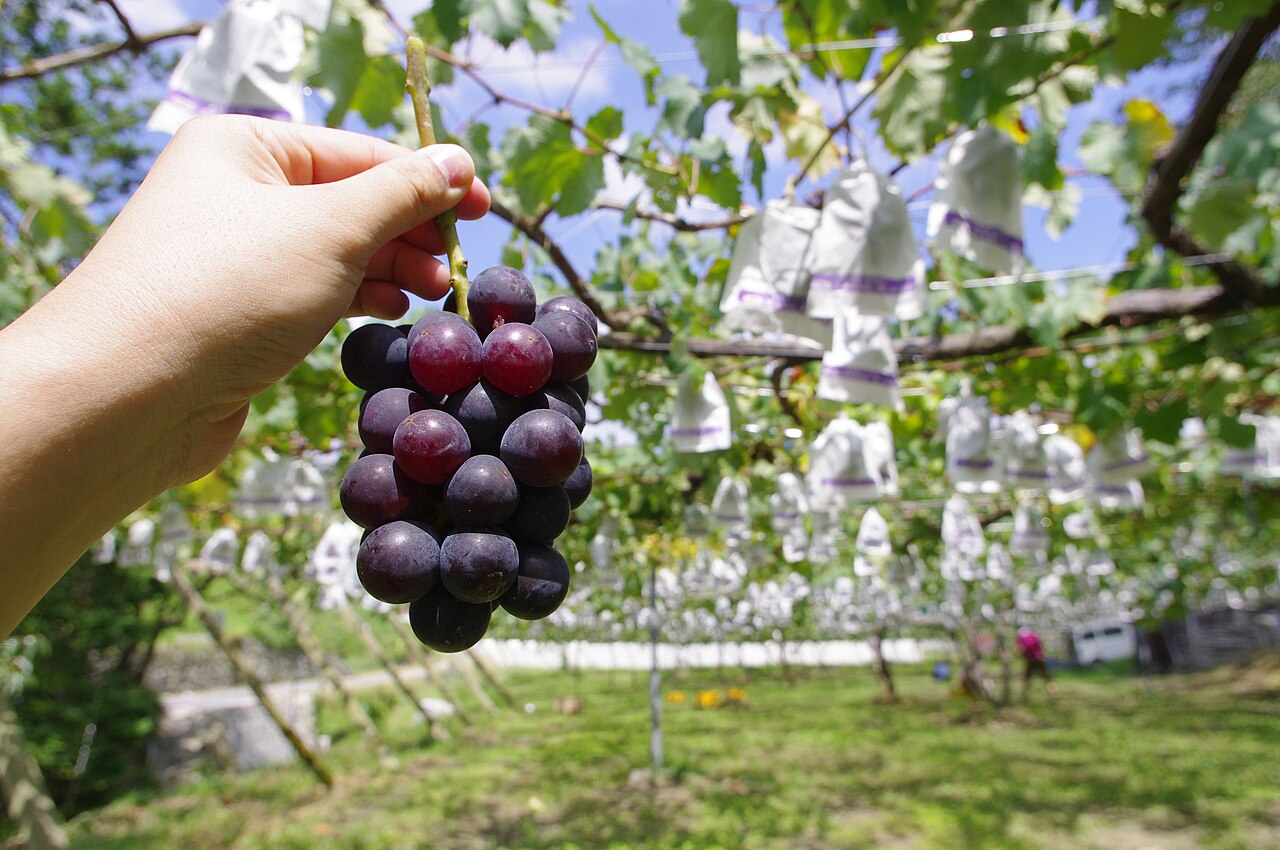
Perhaps the most celebrated agricultural event in the prefecture is Budo-gari. From late August through October, the inland regions of Nabari and Iga transform. Using the traditional Japanese overhead trellis system, the fruit is kept shaded and clean, making the act of harvesting an upward-reaching, leisurely stroll rather than a hunt through dense foliage.
Citrus and Pears (September–February)
As the year draws to a close, the focus turns to the southern Kumano coast. The region is famous for its unshu mandarins. Mikan-gari is a winter staple, often coinciding with the cooling weather, while pear picking (nashi-gari) during the autumn months offers crisp, refreshing varieties like Kosui and Hosui.
Supporting Data: Understanding the "All-You-Can-Eat" Model
To understand Japanese fruit picking, one must unlearn the Western "pick-and-weigh" model. In Japan, the fee is a flat rate for access to the greenhouse or orchard.
- Entry Fees: Typical costs range from ¥1,500 to ¥3,500 depending on the fruit and the duration of the slot (usually 30 to 60 minutes).
- The Consumption Rule: The price covers unlimited consumption within the designated area. The fruit is intended to be enjoyed at the peak of ripeness, right off the vine or branch.
- Prohibitions: Taking fruit out of the picking area without weighing and paying the additional "take-home" premium is strictly forbidden.
- Efficiency: A standard 30-minute slot for strawberries typically allows a visitor to consume 30–50 strawberries, provided they follow the "snip-and-eat" technique demonstrated by the staff.
Official Responses and Agricultural Innovation
The vitality of Mie’s fruit industry is not accidental. It is the result of a symbiotic relationship between local farmers and academic institutions like Mie University. The university’s agricultural research station serves as the intellectual engine for the region, having developed specific regional cultivars—such as unique local strawberries and pears—that are optimized for the prefecture’s specific climate.
Agricultural officials in Mie have consistently emphasized that their goal is "sustainable agritourism." Unlike the mass-tourism model that risks depleting the soil or degrading the visitor experience, Mie’s approach focuses on smaller, family-owned operations. This ensures that the profit remains within the local community, keeping the agricultural landscape vibrant and preventing the abandonment of farmland—a growing concern in rural Japan.
Strategic Implications: Planning Your Trip
Logistics and Accessibility
The primary challenge for the international traveler in Mie is transportation. Public transit to these rural farms is sporadic. The most effective strategy is to secure a rental car from major transit hubs such as Nagoya, Tsu, or Nabari station. A half-day car rental generally costs between ¥4,000 and ¥6,000, providing the freedom to explore the rural hills at your own pace. For those hesitant to drive, several tour operators in Osaka and Nagoya offer specialized seasonal bus tours that include both transportation and entry fees.
Integrating the Experience
Fruit picking should be viewed as a 90-minute "anchor" activity rather than a full-day commitment. Here are the most logical combinations:
- The Family Circuit: Combine a morning strawberry pick in Nabari with an afternoon at the famous Nagashima Spa Land. The 45-minute drive between the two makes for a perfect, well-rounded day.
- The Cultural Pilgrim: For those visiting the Ise Grand Shrine, a morning stop at a local strawberry or pear farm adds a layer of agricultural depth to the spiritual journey.
- The Gastronome’s Choice: Pair a morning harvest with a lunch featuring Matsusaka beef. This juxtaposition of world-class wagyu and field-fresh fruit represents the pinnacle of Mie’s regional offerings.
Conclusion: Is It Worth the Journey?
Is a trip to a Mie orchard worth the detour from the standard Tokyo-Kyoto circuit? For the standalone traveler looking for a quick, "touristy" checkbox, perhaps not. The travel time to reach the deeper pockets of the Kii Peninsula is significant. However, for the traveler who views Japan through the lens of immersion, the answer is a resounding yes.
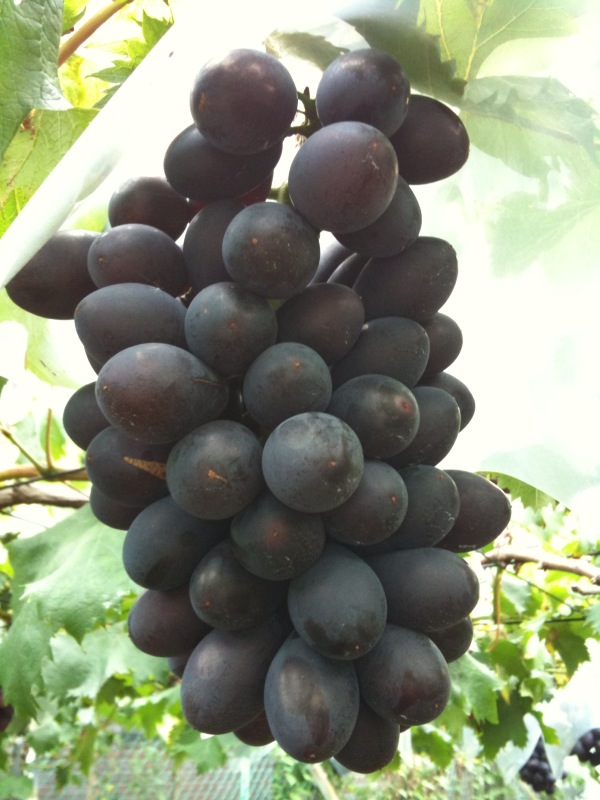
Mie offers an agricultural ecosystem that is rare in its authenticity. It is one of the few places where the boundary between the producer and the consumer is completely erased. In an era where "travel" often feels like viewing a curated exhibit, the act of kneeling in a greenhouse to pick a sun-warmed strawberry or reaching up to harvest a heavy bunch of grapes provides a visceral, unfiltered connection to the Japanese countryside. It is, ultimately, a reminder that the best parts of Japan are often found not in the crowded squares of its great cities, but in the quiet, green rows of its family-tended hills.


 Neng Nana
 Asro
Asro