Nana Muazin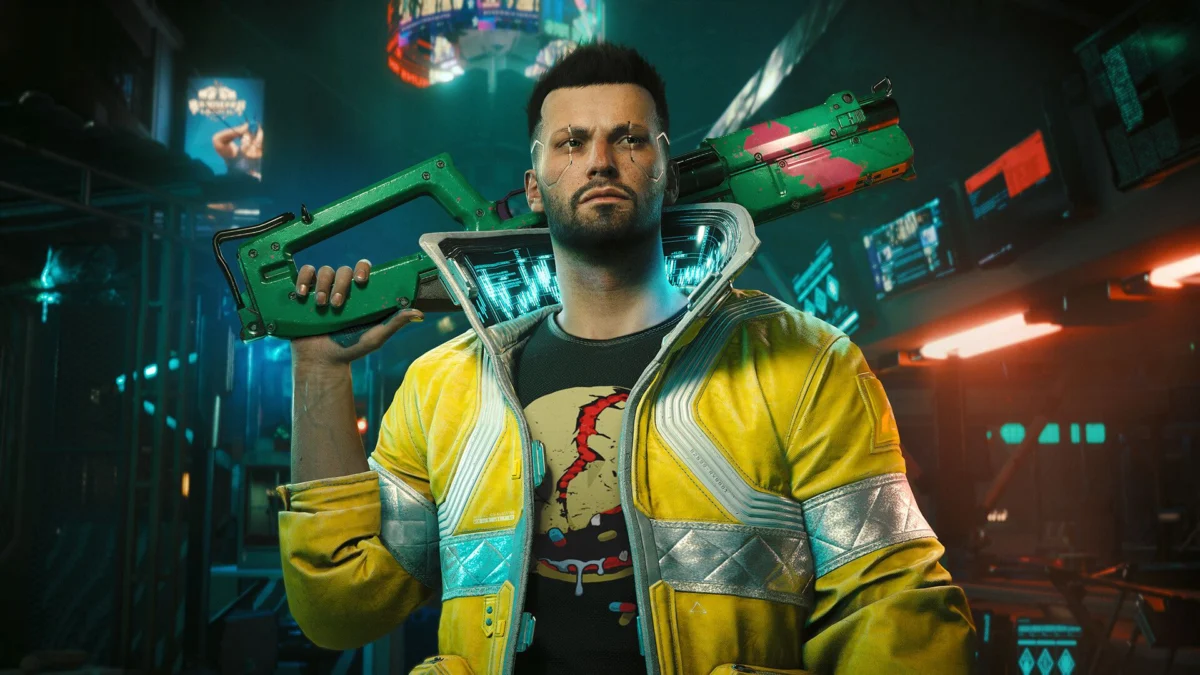
The adage "a delayed game is eventually good, but a rushed game is forever bad" has become the industry’s most tired cliché, yet for CD Projekt Red (CDPR), it remains a haunting reality. Despite an extensive, years-long redemption arc that transformed Cyberpunk 2077 from a technical disaster into a critically acclaimed masterpiece, the specter of its 2020 launch continues to loom over the Polish developer.
As the studio pivots toward the next generation of its crown jewel franchise, The Witcher 4, the lessons learned from the chaos of Night City are serving as both a compass and a cautionary tale. In a recent, candid interview with Edge, CDPR co-CEO Michał Nowakowski acknowledged that while the studio has made significant strides, the institutional trauma of the Cyberpunk launch remains a permanent scar on the company’s history.
The Chronology of a Crisis: From Hype to Infamy
To understand the weight resting on the shoulders of the developers currently working on The Witcher 4, one must revisit the atmosphere of late 2020. Cyberpunk 2077 was arguably the most anticipated video game in history. Following the monumental success of The Witcher 3: Wild Hunt, CDPR had cultivated a reputation as an industry paragon—a studio that could do no wrong.
When the game finally arrived in December 2020, the disconnect between expectation and reality was catastrophic. While the PC version offered a glimpse of a stunning future, the console versions—particularly on base PlayStation 4 and Xbox One—were riddled with game-breaking bugs, abysmal frame rates, and a complete lack of optimization. The fallout was immediate: Sony took the unprecedented step of removing the game from the PlayStation Store, and the studio’s stock price plummeted.
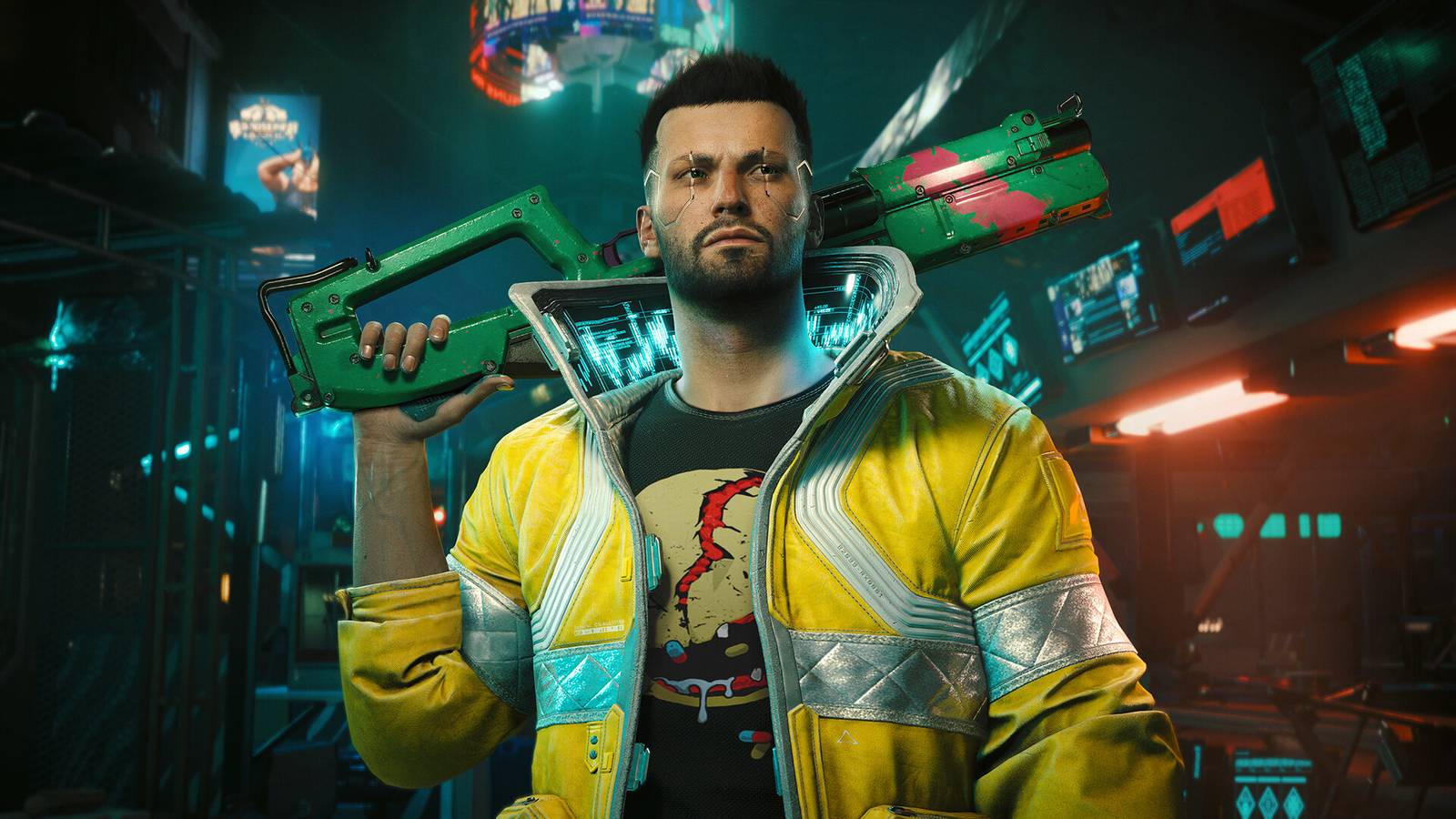
The development cycle had been marred by reports of "toxic crunch," where developers were pushed to their breaking points to meet impossible deadlines. This period not only damaged the consumer relationship but also internal morale. It was a failure of management, infrastructure, and communication that took three years of diligent, expensive patches—culminating in the Phantom Liberty expansion and the 2.0 update—to rectify.
The Institutional Trauma of CDPR
Nowakowski’s recent comments shed light on the psychological state of the studio today. He admits that he is not "100 percent convinced" that the company has undergone a full redemption. "I think we’ve lost the faith of some people indefinitely, and that’s a fair thing," he noted.
This level of humility is rare in the high-stakes world of AAA gaming. It suggests that the leadership at CDPR has moved past the arrogance that defined their pre-2020 era. They are no longer operating under the assumption that their brand name alone guarantees success. Instead, there is a clear, sober understanding that trust, once broken, is significantly harder to rebuild than it is to squander.
The Stakes for The Witcher 4
The Witcher 4 represents more than just a sequel; it is the definitive test of whether the studio has truly changed its stripes. Unlike Cyberpunk 2077, which was an entirely new IP, The Witcher is the foundation upon which CDPR’s legacy is built. Failure here would not just be a technical disappointment; it would be a betrayal of the studio’s roots.

A New Strategic Approach
One of the most significant shifts in CDPR’s strategy is the abandonment of the "post-launch fix" mentality. In the modern era, many studios release "early" builds, banking on day-one patches and post-launch support to iron out the creases. Nowakowski and his team have signaled that this is not the path for The Witcher 4.
The studio is acutely aware that, unlike the live-service or multiplayer games that benefit from iterative testing (such as Battlefield or ARC Raiders), a single-player, narrative-driven RPG lives and dies by its initial experience. You cannot "patch" a ruined story or a disconnected first playthrough. Therefore, the internal focus has shifted heavily toward ensuring that the base product is polished, complete, and structurally sound at the moment of release.
The Complexity of Single-Player Development
The challenge for the 513 employees currently assigned to the project is immense. Single-player games require a level of meticulousness that is difficult to simulate in a beta environment. You cannot have a closed beta for The Witcher 4 without potentially spoiling the narrative core of the game. Consequently, the studio is relying on a more rigorous, internal QA-driven development model, which, while slower, is designed to prevent the catastrophic bugs that plagued their previous title.
Supporting Data: The Cost of Reputation
While the financial success of Cyberpunk 2077 in the long term was significant, the cost of its initial failure is difficult to quantify in mere dollars. It involves the loss of "pre-order confidence"—a metric that many publishers rely on for Q4 forecasting.
In 2024 and beyond, consumer sentiment has shifted. Gamers are more skeptical, more vocal, and less patient with broken promises. CDPR’s recent market performance suggests that while investors have forgiven the studio, the player base remains a guarded audience. The expectation for The Witcher 4 is not just a game; it is a demonstration of corporate maturity.
Implications for the Future of AAA Gaming
The lessons being applied to The Witcher 4 have implications that stretch far beyond Warsaw. The industry is currently in a state of flux, with massive layoffs and cancelled projects becoming increasingly common. CDPR’s commitment to avoiding the crunch culture that defined the Cyberpunk years is a direct response to both ethical concerns and the practical reality that burnt-out developers do not produce the best work.
If CDPR can launch The Witcher 4 as a stable, complete experience, it will serve as a blueprint for other AAA studios looking to reclaim their reputation. Conversely, if the game falters, it may signal that the "AAA-RPG" model has become too bloated and complex to be managed without sacrificing either the health of the developers or the quality of the product.
Conclusion: A Path Toward Stability
The journey from the chaotic launch of 2020 to the quiet, methodical development of The Witcher 4 is a story of necessary evolution. CDPR is no longer the studio that promises the moon and delivers a crater; they are a studio that understands the value of silence, preparation, and, most importantly, the sanctity of the player’s time.
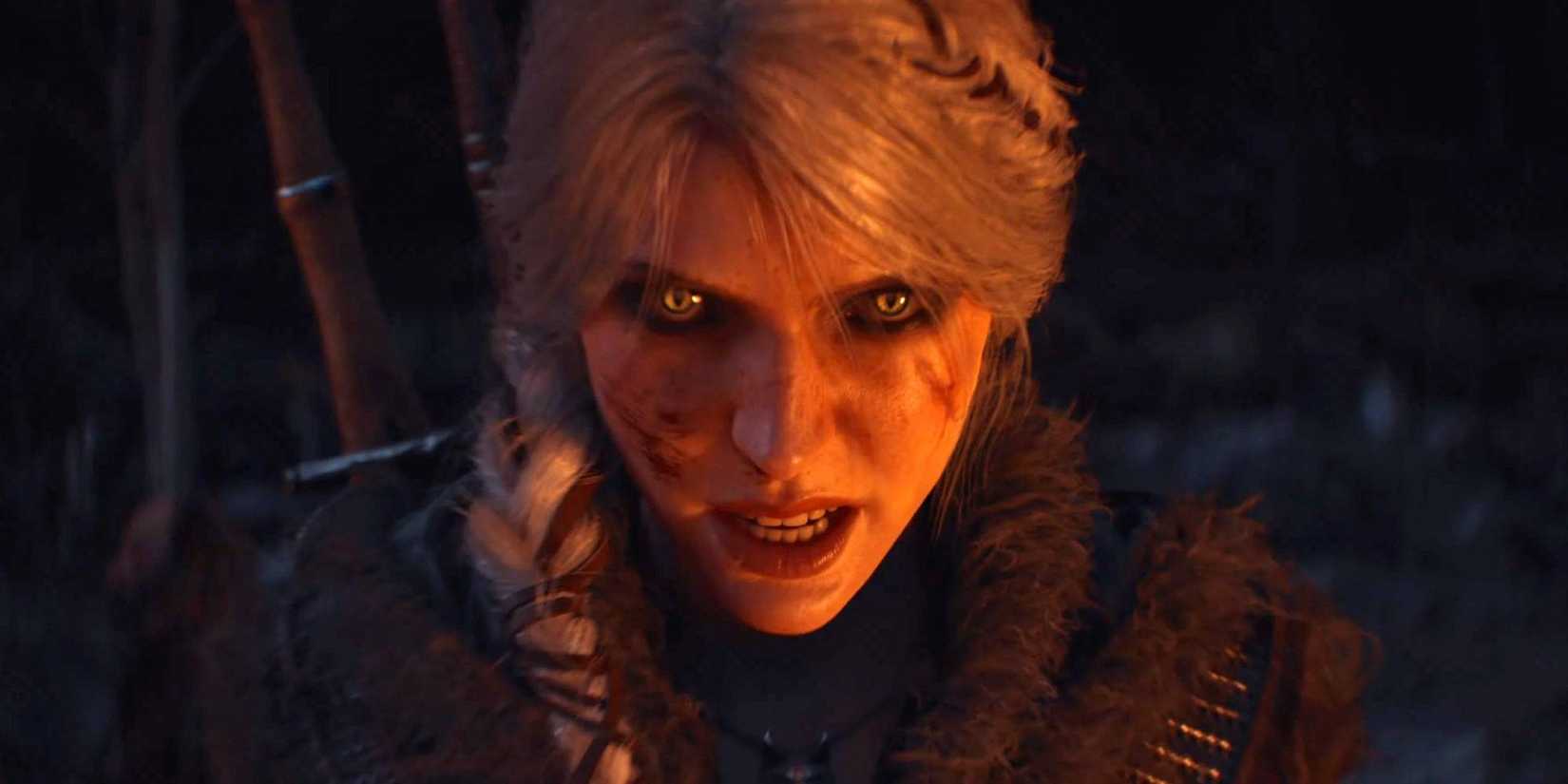
The 513 developers tasked with bringing the next chapter of the Witcher universe to life are working under the weight of history, but also with the benefit of hindsight. As the industry moves toward an uncertain future, the success of The Witcher 4 will be measured by more than just Metacritic scores or unit sales. It will be measured by whether the studio has truly shed its ghosts, allowing them to finally step out of the shadow of Night City and into a new era of stability.
While no release window has been confirmed, the anticipation is palpable. For now, the fans wait—not with the blind fervor of 2020, but with the cautious, earned hope that the next time they step into the world of the Witcher, they will find a journey worthy of the journey the developers themselves have taken to get there.


 Lina Hope
 Jia Lissa