Siti Muinah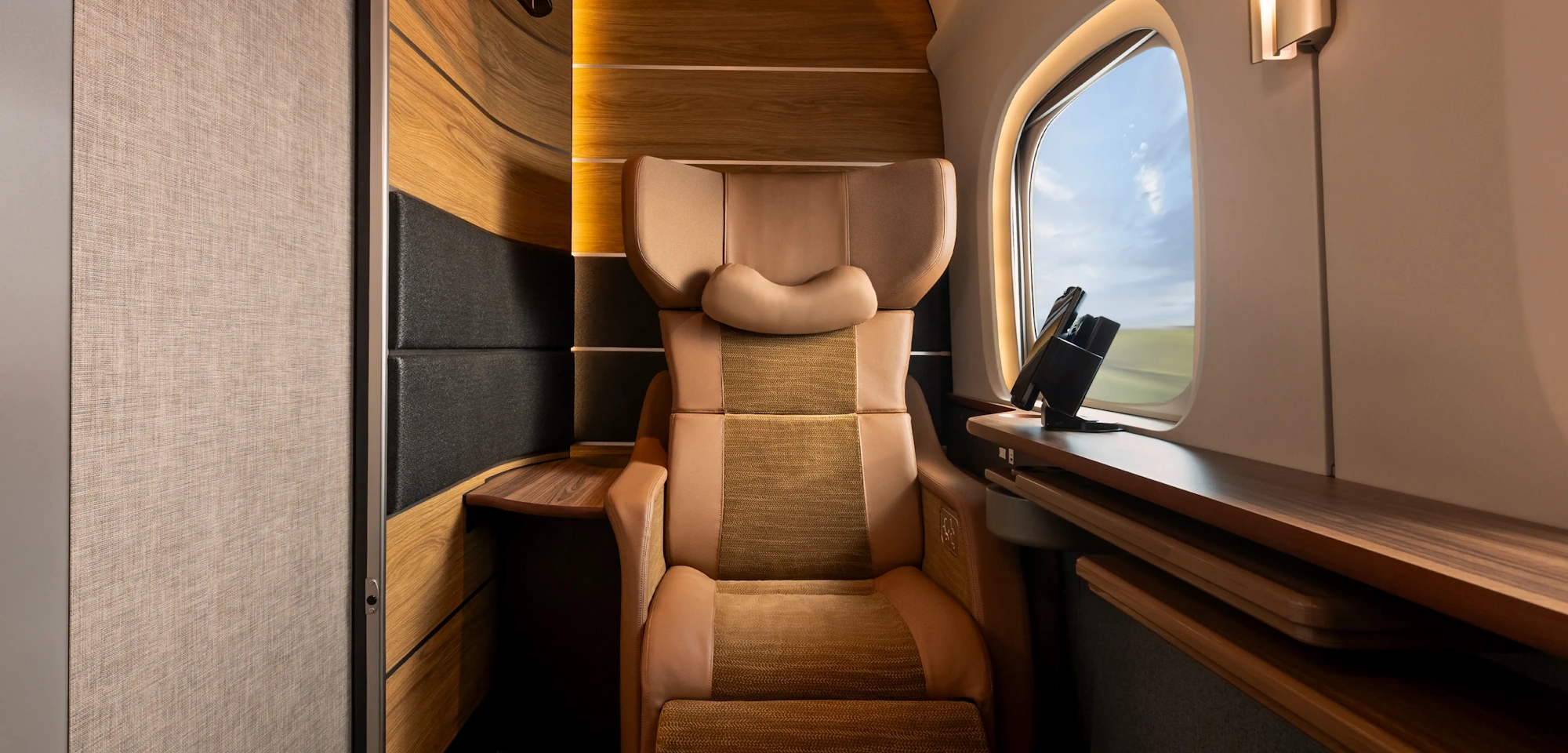
For over six decades, Japan’s shinkansen (bullet train) network has been the global gold standard for high-speed rail. Renowned for its unparalleled punctuality, surgical efficiency, and safety, the system has traditionally prioritized mass transit utility over bespoke luxury. However, as travel habits evolve and the demographic profile of the "premium traveler" shifts, JR Central is making a bold move to redefine the rail experience.
Beginning October 1, 2026, the Tokaido Shinkansen—the artery connecting Tokyo, Nagoya, Kyoto, and Osaka—will introduce "Supreme Class," a high-end service offering fully private, lockable cabins. This initiative marks a significant departure from the standard "Green Car" (first-class) experience, signaling a pivot toward privacy, personalization, and the transformation of travel time into a high-value asset.
The Dawn of a New Era in Rail Luxury
The introduction of Supreme Class is not merely an aesthetic upgrade; it is a strategic repositioning of the bullet train as a competitor to domestic business-class air travel. While the Green Car has long served as the elite tier for Japanese rail, Supreme Class elevates this to a level comparable to international airline first-class suites.
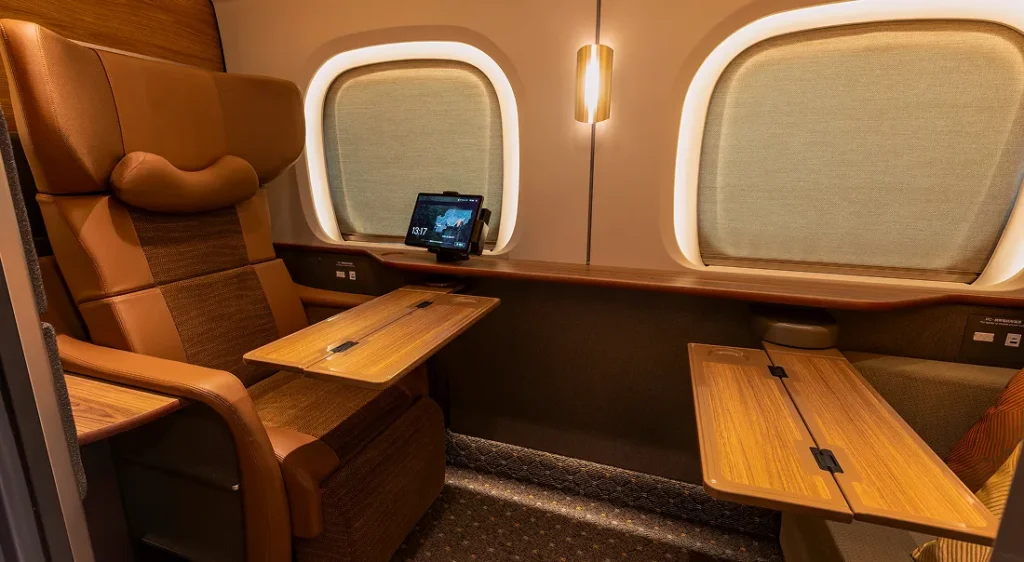
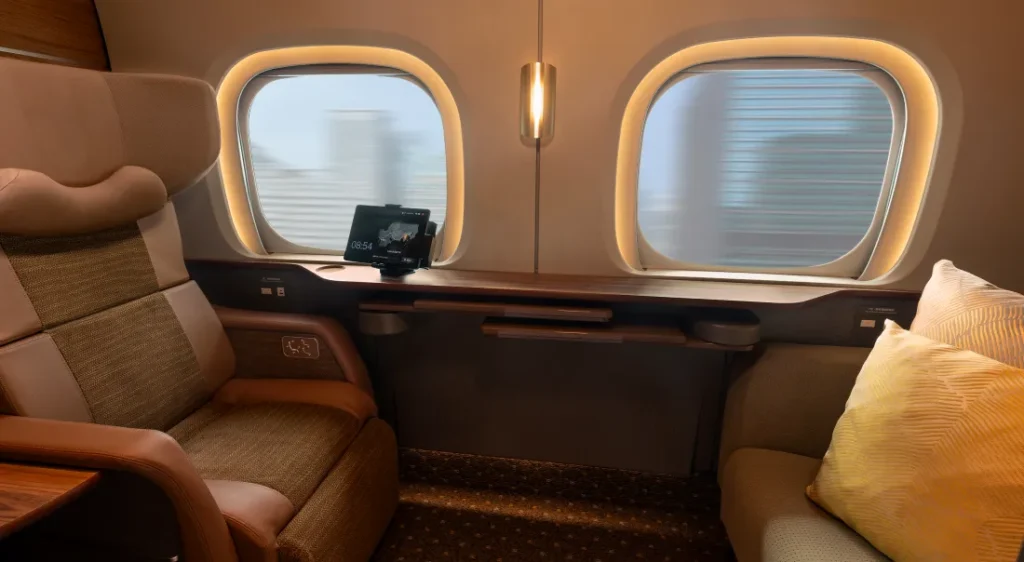
The service will debut on select N700S series trainsets, featuring two distinct cabin configurations. The first is a single-occupancy "solo" cabin designed for the modern business professional or the solo traveler seeking solitude. The second is a larger, two-person suite that includes a lounge-style sofa, making it ideal for couples, families, or high-level executive meetings.
Architectural Precision at 285 km/h
The cabins are marvels of interior engineering. Each suite is enclosed by a lockable electronic door, providing complete seclusion from the rest of the train. Inside, the environment is entirely passenger-controlled; via an integrated seatback tablet, travelers can manipulate ambient lighting, cabin temperature, and the ergonomic reclining settings of their seating.
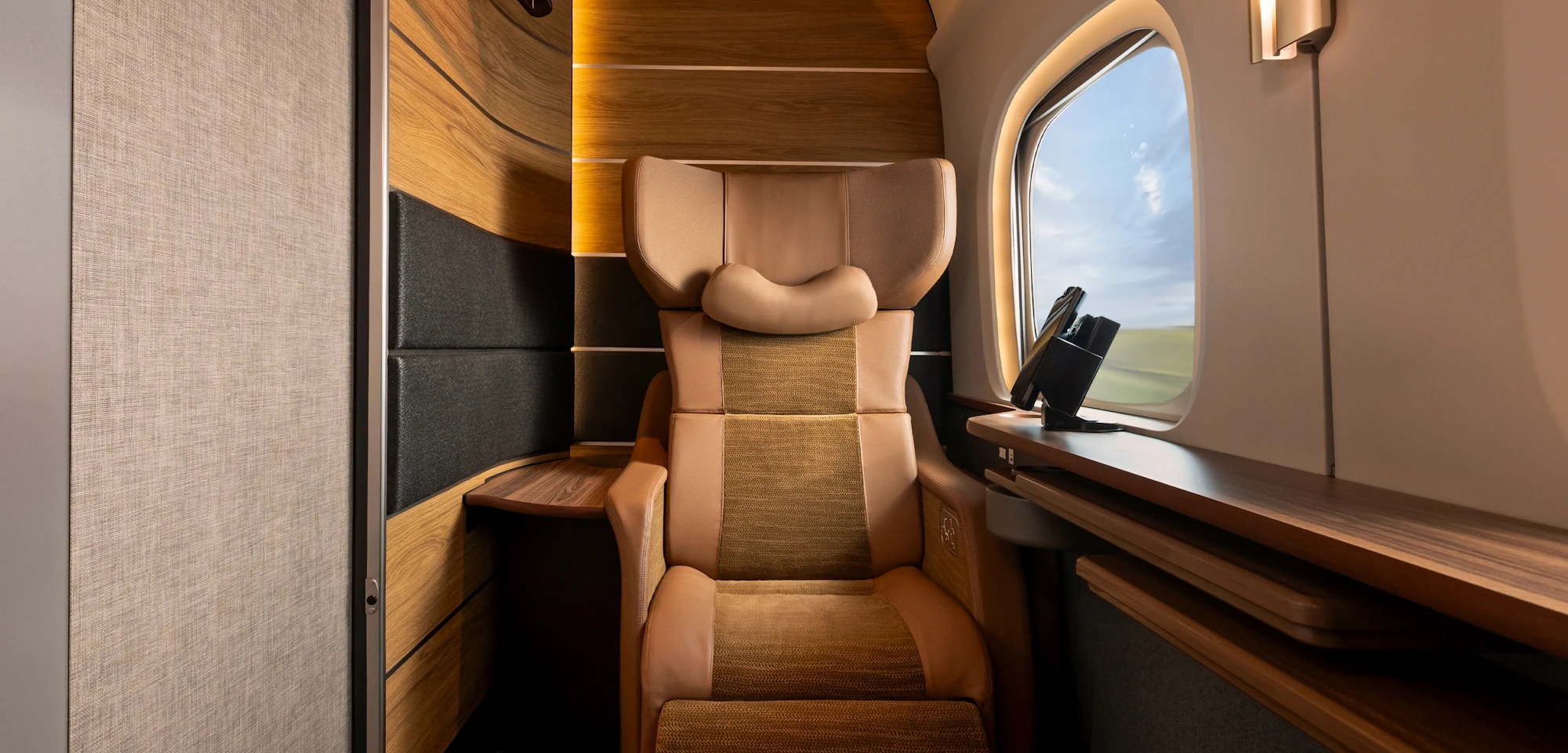
To cater to the "mobile office" demographic, JR Central has included high-speed, dedicated Wi-Fi and built-in headrest audio systems that allow for immersive entertainment or silent work without the intrusion of ambient noise. The aesthetic is minimalist and modern, mirroring the high-tech, sleek exterior of the N700S trainsets while providing the intimacy of a luxury boutique hotel room.
A Chronology of the Supreme Class Rollout
The road to the launch of Supreme Class has been marked by careful planning, testing, and a desire to rekindle a lost tradition of rail travel.
- Pre-2003: Private compartments were a feature of the iconic 100 series Shinkansen. When these trains were retired from the Tokaido line in 2003, the "private room" experience effectively vanished from the main corridor.
- Early 2026: JR Central announces a strategic shift toward premium, privacy-focused travel, aligning with market trends observed by other operators like JR East, which is simultaneously developing its own "Luna Azul" sleeper train.
- July 25–26, 2026: A public trial period is scheduled. A lottery-selected group of 24 passengers will test the cabins on the Nozomi line, providing real-world feedback to engineers.
- September 15, 2026: Official reservations open at 5:30 a.m. Japan time via the Smart EX and EX Reservation systems.
- October 1, 2026: The official launch of Supreme Class service on active routes.
- Fiscal Year 2027: The anticipated rollout of "Supreme Class Seats," a semi-private, high-walled iteration of the current premium seating.
Supporting Data: The Economics of Exclusivity
The price point for Supreme Class is substantial, reflecting the scarcity of the product and the high operational costs of dedicating large amounts of floor space to individual cabins. While fares fluctuate based on the specific route and distance, JR Central has released sample pricing for the Tokyo to Shin-Osaka corridor.
For a trip between Tokyo and Shin-Osaka, a single-passenger cabin is priced at approximately ¥42,100, while the more expansive two-person suite commands ¥60,500. These figures are significantly higher than standard Green Car or Ordinary Car fares, placing the service in the ultra-premium bracket.
| Configuration | Target Passenger | Route (Sample: Tokyo-Osaka) |
|---|---|---|
| Solo Cabin | Business/Privacy Seekers | ¥42,100 |
| Dual Suite | Couples/Executives | ¥60,500 |
Note: Prices are based on EX Reservation member rates; standard Smart EX fares may incur additional nominal fees.
The pricing structure serves a dual purpose: it acts as a barrier to entry that ensures exclusivity, and it creates a direct price-competitive environment with domestic flights. For the time-conscious traveler, the ability to board a train in downtown Tokyo and arrive in downtown Osaka in roughly two hours—without the two-hour buffer required for airport security and peripheral travel—is a compelling value proposition.
Official Responses and Strategic Vision
JR Central’s spokesperson stated that the development of Supreme Class was a direct response to the "increasingly diverse travel needs and changing work styles" of the post-pandemic era. As remote work becomes normalized, the train has ceased to be merely a transit vessel and has become a workspace.
By providing a sound-proof, private environment, JR Central is capturing the demographic of the "digital nomad" and the high-net-worth individual who views time as their most limited resource. Furthermore, the company noted that the luxury rail market in Japan is seeing a resurgence in demand for "the journey as the destination." By emphasizing comfort and personalized service, the operator is attempting to capture the growing inbound tourism market, which increasingly seeks cultural and premium experiences rather than just efficient transit.
Broader Implications: The Future of Japanese Rail
The introduction of Supreme Class is part of a larger, systemic shift within Japan’s rail infrastructure. The 2027 arrival of "Supreme Class Seats"—semi-private, business-class-style pods with high walls—suggests that the company is segmenting its offerings more aggressively than ever before.
Competition and Market Dynamics
This pivot serves as a challenge to the domestic airline industry. Japan’s domestic air travel has long held an advantage over the shinkansen in terms of cabin comfort and privacy. By essentially importing the "business class" cabin experience into the rail sector, JR Central is effectively neutralizing the comfort advantage of airlines.
The Infrastructure Challenge
However, this transition is not without its hurdles. Because Supreme Class requires significant interior modifications to the N700S trainsets, availability will be limited. Unlike standard carriages, which are interchangeable, these premium cars are specific. This creates a "lottery effect" for passengers: travelers will need to be diligent about checking which trainsets are scheduled for their preferred routes, as not every Nozomi departure will feature the new cabins.
Furthermore, the restriction preventing the use of the one-year advance reservation program highlights the experimental nature of the service. JR Central is managing expectations by limiting booking windows, likely to prevent scalping and to ensure that the initial rollout can be monitored for operational efficiency.
A New Cultural Norm
Perhaps most significantly, Supreme Class reflects a shift in Japanese service culture. For years, the shinkansen experience was defined by a sense of egalitarian efficiency. Everyone—from the salaryman to the tourist—shared the same level of service excellence. By introducing a rigid class structure that includes private, lockable doors, JR Central is embracing a more globalized, stratified approach to service. While this may feel like a departure from the "shared experience" of Japanese rail, it is an essential evolution for a company facing an aging population and a globalized travel market that demands high-touch, high-privacy amenities.
Conclusion: A Suite Above the Rails
The Supreme Class represents more than just a luxurious seat; it represents the maturation of the shinkansen as a holistic travel product. As the Tokaido Shinkansen prepares to move into this new era, the focus on the "journey itself" signals that the speed of the train is no longer its only competitive advantage.
Whether one is a business executive preparing for a merger in Osaka, a couple celebrating an anniversary, or an international traveler seeking the pinnacle of Japanese hospitality, the private cabin offers a unique vantage point: a silent, personal sanctuary moving at 285 kilometers per hour through the heart of Japan. As the October 2026 launch date approaches, all eyes in the global rail industry will be on JR Central to see if this marriage of high-speed engineering and high-end hospitality can redefine the future of transport.


 Neng Nana
 Asro
Asro