

As the mobile industry gears up for the next highly anticipated Samsung Unpacked event, the tech giant has begun to pull back the curtain on a design shift that could redefine the foldable category. Recent social media teasers have confirmed what industry analysts have suspected for months: Samsung is moving away from the narrow, tall aspect ratios that have defined its Galaxy Z Fold series for years, opting instead for a shorter, wider, and notably "boxy" form factor.
This strategic pivot signals a maturation of the foldable market. By abandoning the "candy bar" aesthetic that has characterized the folded state of devices like the Galaxy Z Fold 5 and 6, Samsung is positioning its next-generation hardware to offer a more natural, widescreen experience when fully deployed.
The Core Facts: A Shift in Geometry
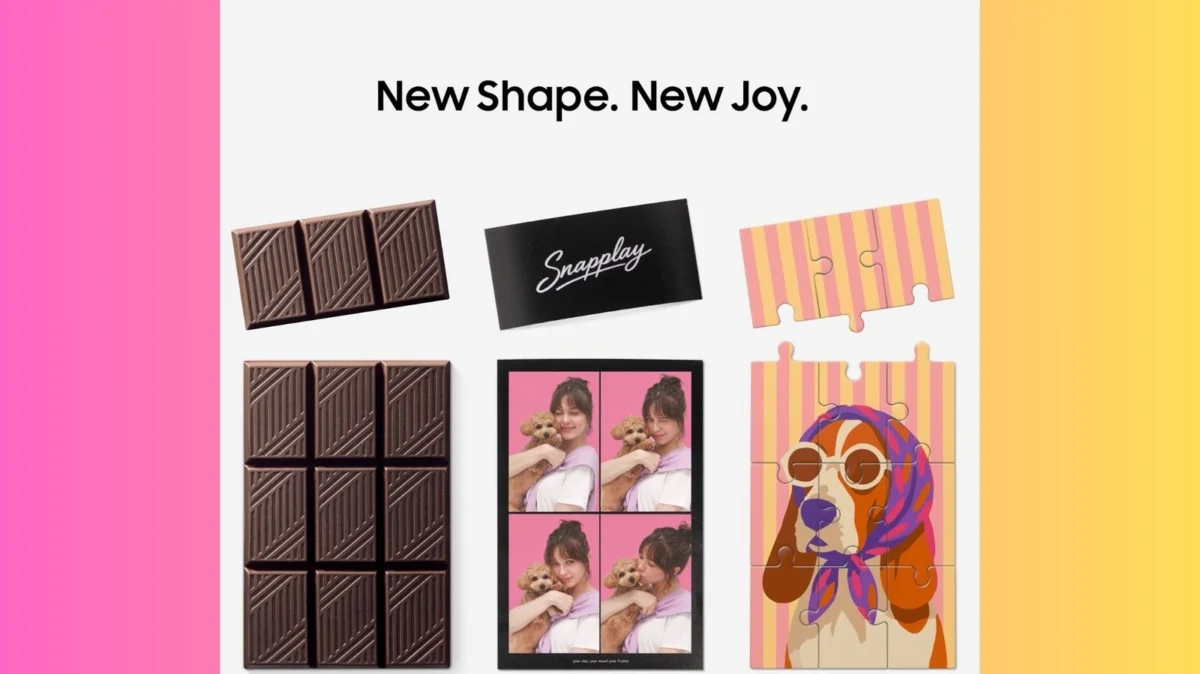
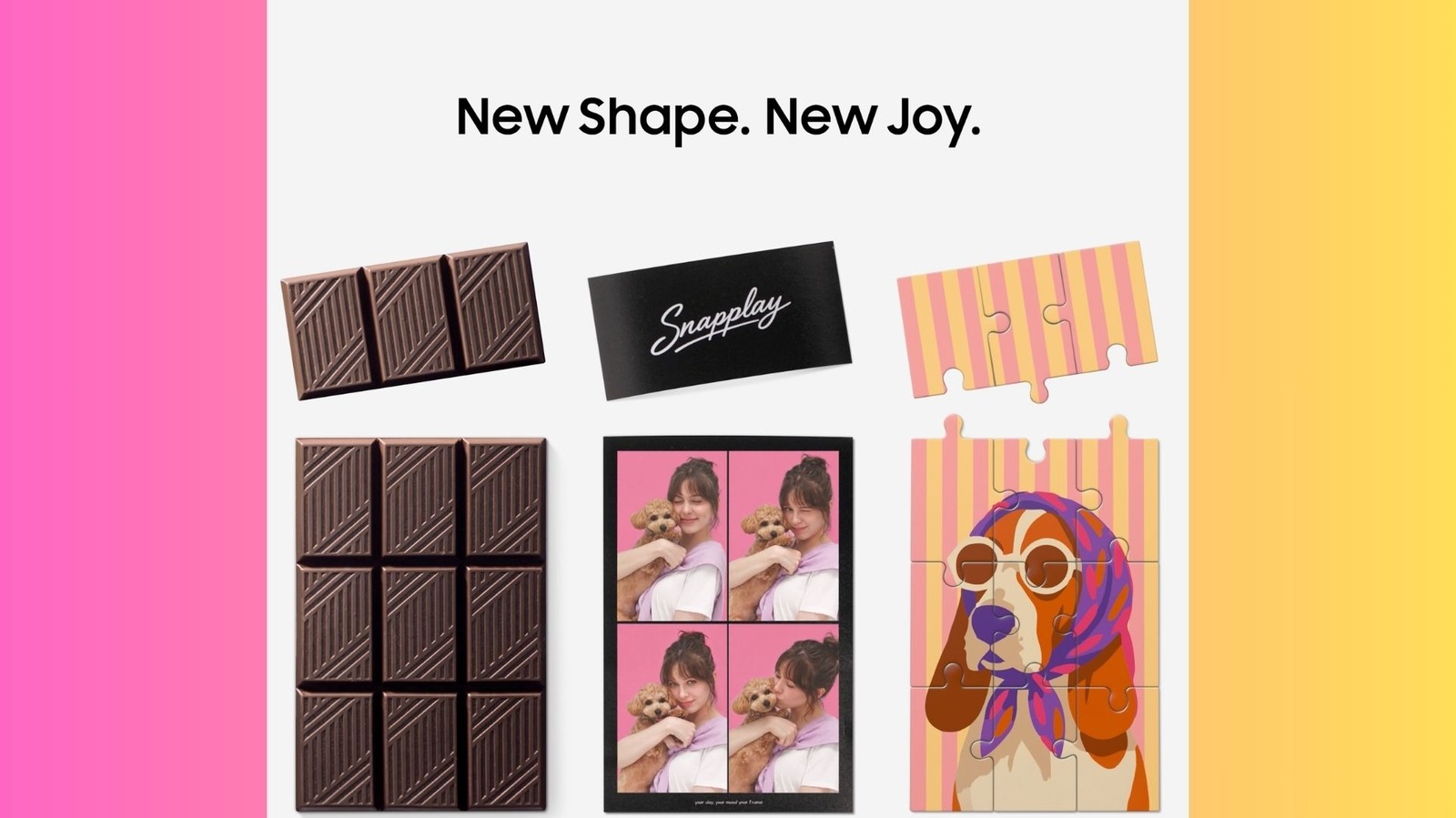
The core of the recent teaser campaign involves a series of cryptic, playful videos shared across Samsung’s official social media channels. These clips feature everyday objects—a segmented chocolate bar, a four-part photographic puzzle, and a cartoon image of a basset hound—all of which have had their top portions "broken off."
While the teasers are abstract, the message is unmistakable: the next Samsung foldable will shed the elongated, vertical orientation that often makes typing on the outer cover screen feel cramped. By adopting a wider chassis, the device promises to offer a significantly more usable outer display, mirroring the width of standard flagship smartphones. When unfolded, this new geometry suggests that the internal screen will likely move away from the near-square "tablet" look toward a more traditional widescreen aspect ratio, which is better suited for cinematic media consumption and side-by-side multitasking.
A Chronology of the Foldable Evolution
To understand why this change is so significant, one must look at the historical trajectory of the Galaxy Z Fold line.
- 2019 – The Genesis: The original Galaxy Fold was an experimental leap. It was narrow, awkward, and featured a minuscule outer screen that felt like an afterthought.
- 2020–2022 – The Refinement Phase: With the Galaxy Z Fold 2, 3, and 4, Samsung focused on durability, hinge mechanics, and internal screen-to-body ratios. However, the external "cover screen" remained stubbornly narrow, a compromise necessitated by the need to fit a full-sized internal display into a device that still felt like a phone in the hand.
- 2023 – The TriFold Experiment: Samsung briefly toyed with radical form factors, such as the Galaxy Z TriFold. While innovative, it served as a proof-of-concept rather than a mass-market product, highlighting the company’s desire to innovate beyond the standard bi-fold hinge.
- 2024 – The "Boxy" Pivot: Recent leaks and the current teaser campaign indicate that Samsung is finally listening to consumer feedback. Users have long complained that the narrow screens of the Fold series make typing difficult and apps look stretched. The upcoming shift to a wider design represents the first major ergonomic overhaul of the Fold series in half a decade.
Supporting Data: Why "Wide" is Winning
The push toward a wider aspect ratio is supported by shifting consumer usage patterns. According to internal market research cited by industry supply chain experts, foldable users spend approximately 60% of their time on the external cover screen.
In the current Galaxy Z Fold architecture, that 60% of interaction happens on a display that is roughly 25% narrower than a standard Galaxy S24 Ultra. This creates a "bottleneck" where the user must unfold the device just to perform simple tasks like sending a quick text or checking a notification.
By widening the chassis, Samsung is aiming to recapture the "one-handed usability" of a standard smartphone. If the new device matches the dimensions of a standard flagship phone when folded, it eliminates the cognitive friction of switching between two different form factors. Furthermore, for those who use their foldables for productivity, a wider internal screen reduces the "letterboxing" effect often seen when viewing 16:9 or 21:9 video content, effectively maximizing the available screen real estate for media rather than dead space.
Official Responses and Corporate Strategy
Samsung has remained characteristically tight-lipped regarding the specific technical specifications of the upcoming device. However, the company’s recent press statements emphasize a focus on "human-centric design."
"Our goal has always been to break the boundaries of what a mobile device can do," a spokesperson noted during a recent briefing. "As we listen to our community, we recognize that the definition of ‘portable’ is evolving. The next chapter of our foldable journey is about refinement, comfort, and ensuring that the folded experience is just as premium as the unfolded one."
Analysts suggest this move is also a defensive measure against increasing competition. Brands like OnePlus, Google, and various Chinese manufacturers have recently launched foldables that feature wider, more "normal" aspect ratios, putting pressure on Samsung to justify its narrow design. By adopting a wider frame, Samsung is effectively neutralizing one of the biggest selling points of its competitors.
Implications for the Market
The transition to a boxier foldable has massive implications for the mobile ecosystem:
1. The App Ecosystem
For years, developers have struggled to optimize Android apps for the unique, narrow-to-square transition of the Galaxy Z Fold. A wider aspect ratio will likely standardize the foldable experience, making it easier for app developers to create responsive interfaces that look good on both the outer and inner screens. This standardization is a critical step toward mainstream adoption.
2. The Accessory Market
A change in dimensions means the entire ecosystem of cases, screen protectors, and mounts will need to be redesigned. This is a massive logistical undertaking, but one that signals Samsung is committed to this new design language for at least the next two to three generations of hardware.
3. The End of the "Niche" Era
By making the foldable feel more like a traditional smartphone, Samsung is lowering the barrier to entry for the average consumer. The "boxy" design is less intimidating than the tall, slender designs of the past, potentially inviting a larger demographic of users who were previously put off by the "clunky" feel of earlier foldables.
4. Competitive Pressure
If this new design proves successful, we should expect a cascade effect. Competitors who were banking on their wider screens to win over Samsung defectors may find themselves back at the drawing board, forced to innovate on software or durability to keep up with Samsung’s massive manufacturing scale and brand ecosystem.
Conclusion: A Bold New Shape
The upcoming Samsung Unpacked event promises to be a watershed moment for the foldable industry. By embracing a wider, boxier form factor, Samsung is admitting that the experimental era of foldables is over. We are now entering the era of the "refined foldable"—a device that seeks to combine the best of both worlds: the portability of a traditional smartphone and the expansive power of a tablet.
Whether this move will trigger a permanent shift in mobile design remains to be seen. However, if the current teaser campaign is any indication, Samsung is betting big that the future of mobile is not just folding—it’s getting wider. As we await the official unveiling, one thing is clear: the narrow, uncomfortable foldables of the past are on their way out, and a more balanced, ergonomic future is just around the corner.











