Lina Irawan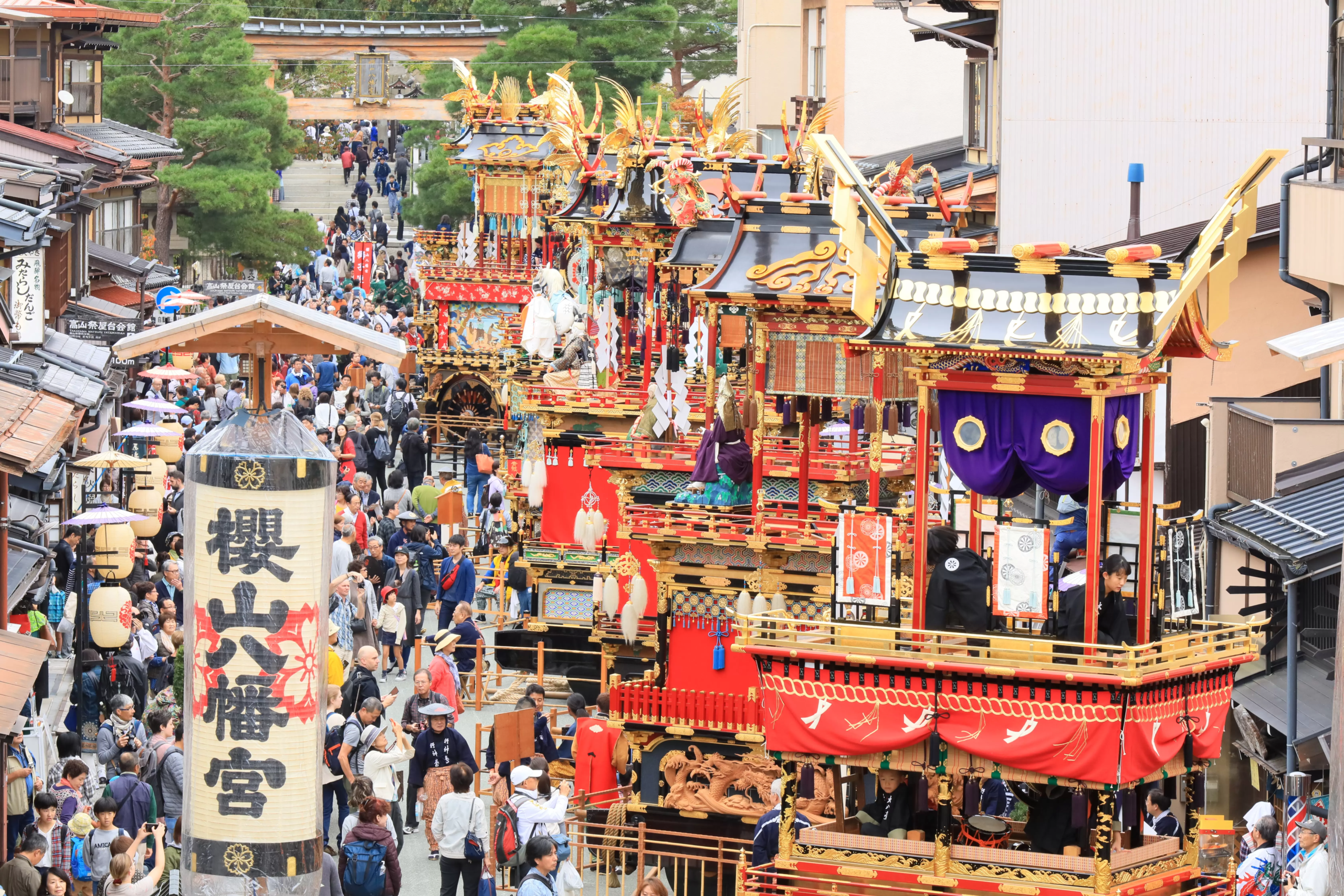
Every year, as the crisp air of autumn descends upon the Hida region of Gifu Prefecture, the historic streets of Takayama City undergo a transformation that transcends time. On October 9th and 10th, 2026, the city will once again host the Takayama Autumn Festival (Hachiman Festival), an event that serves as both a living museum of Edo-period artistry and a profound expression of communal devotion. Recognized as a UNESCO Intangible Cultural Heritage, this festival is not merely a local celebration; it is a globally significant testament to Japanese craftsmanship and cultural continuity.

Main Facts: The Essence of the Hachiman Festival
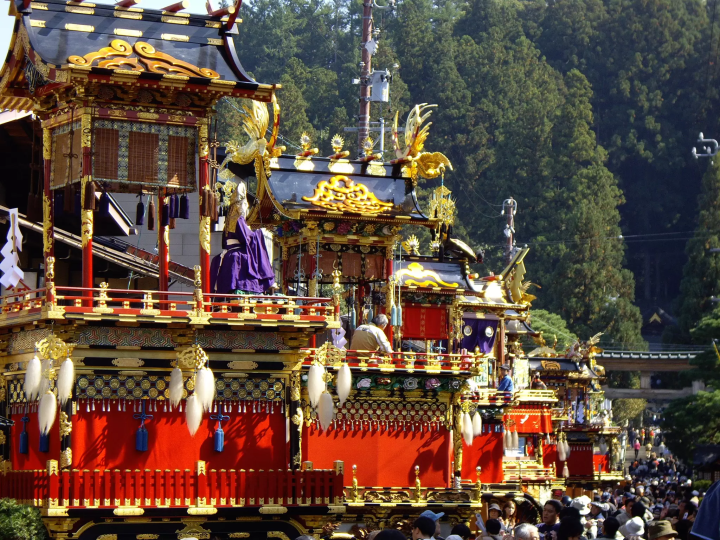
The Takayama Festival is categorized into two distinct seasonal events: the spring Sanno Festival (held at Hie Shrine) and the autumn Hachiman Festival (held at Sakurayama Hachiman Shrine). While both share the moniker "Takayama Festival," the autumn iteration, which is the focus of this guide, is celebrated for its unique atmosphere, specific collection of 11 magnificent floats (yatai), and the poignant, lantern-lit evening festivities.

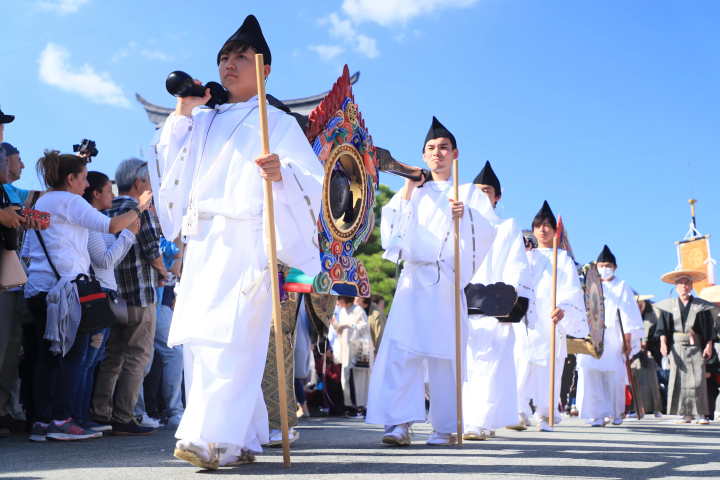
These 11 floats are marvels of engineering and aesthetics. They are adorned with intricate wood carvings, delicate lacquerware, and metalwork that demonstrate the zenith of Hida craftsmanship. Some of these structures feature sophisticated mechanical puppets known as Karakuri, which perform complex routines that seem almost supernatural in their fluidity. The festival is a multi-sensory experience, blending the rhythmic thrum of drums, the haunting melodies of gagaku music, and the sight of hundreds of participants dressed in authentic kamishimo (Edo-period formal attire).
Chronology: A Legacy Carved in Time
The roots of the Takayama Festival trace back to the late 16th and early 17th centuries, a period marked by the Kanamori clan’s governance of the Hida region (1585–1692). It was during this era of relative stability that the foundations for the current festivities were laid.

- 1718: Historical records indicate that the first of the great yatai floats appeared, marking the beginning of a competitive tradition where neighborhood groups vied to build the most impressive structures.
- 1804–1830 (Bunka/Bunsei Eras): This period saw the introduction of the Karakuri puppets, which quickly became the central attraction of the festival.
- 1837: The influence of master craftsman Tachikawa Washiro reached Takayama, inspiring local artisans like Taniguchi Yoroku to elevate the woodcarving techniques on the floats to unprecedented levels.
- 1960: The 23 surviving Takayama Festival floats were designated as Important Tangible Folk Cultural Properties of Japan.
- 1979: The festival’s ritual events were elevated to the status of Important Intangible Folk Cultural Properties.
- 2016: The event achieved global recognition when UNESCO inscribed the "Yama, Hoko, and Float Events" of Japan—including the Takayama Festival—on the Representative List of the Intangible Cultural Heritage of Humanity.
The Art of the Karakuri: Mechanical Mastery
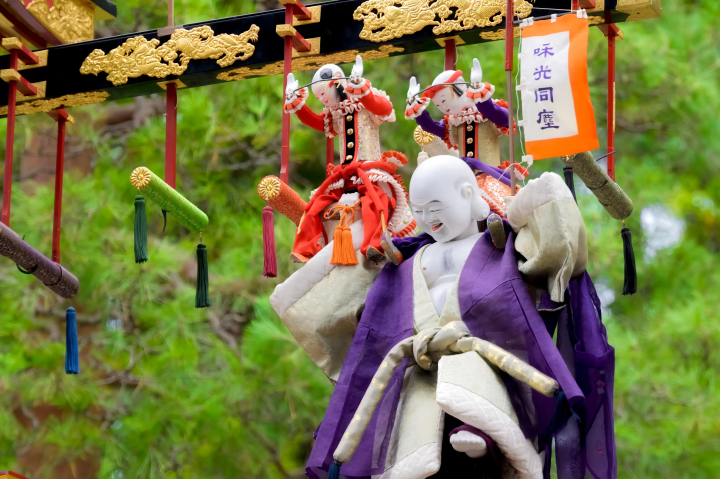
The Karakuri performances are perhaps the most anticipated aspect of the festival. During the 2026 celebration, these performances will take place on the Hotei-dai float within the grounds of Sakurayama Hachimangu Shrine.
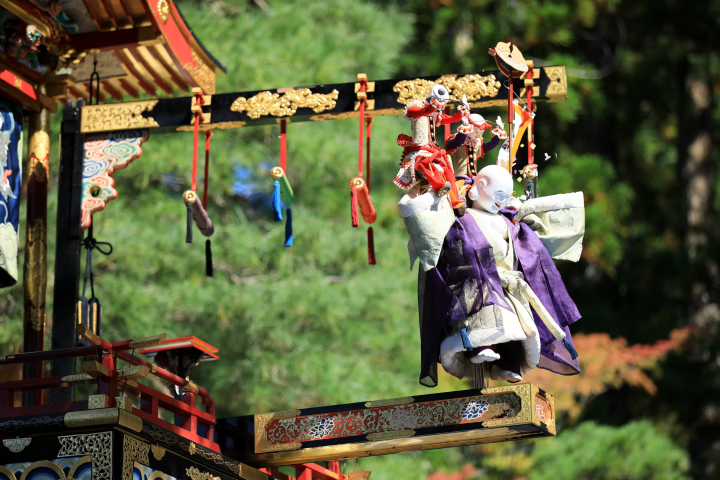
These puppets are not mere automatons; they are masterpieces of historical engineering. Operated by a team of eight skilled Ayakata (puppeteers) using a complex system of 36 strings, the puppets mimic human actions with startling realism. In the Hotei performance, two child puppets spin on swings before landing on the monk Hotei’s hands and shoulders, revealing a banner that reads "Wako Dojin"—a Buddhist phrase signifying "peace and unity."
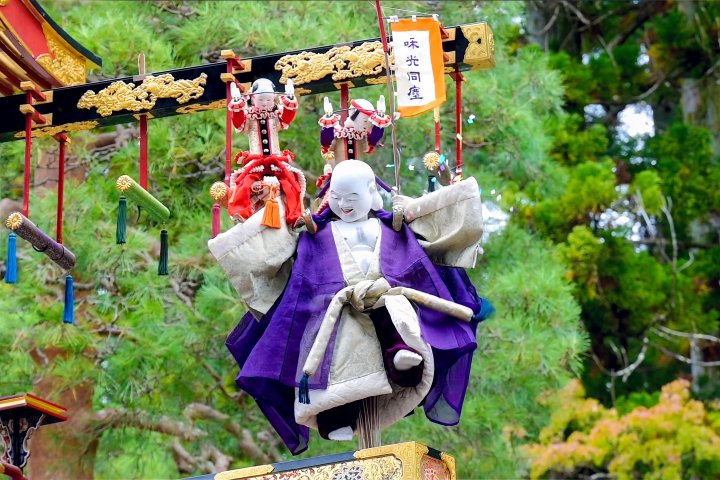
The skill required for this operation is immense. Because the mechanisms are so delicate and complex, Ayakata often begin their training in elementary school, dedicating decades to mastering the intuition required to make the puppets "come alive." This dedication ensures that the traditions of the Edo period remain vibrant and unbroken in the 21st century.
Supporting Data: The Anatomy of the Festival
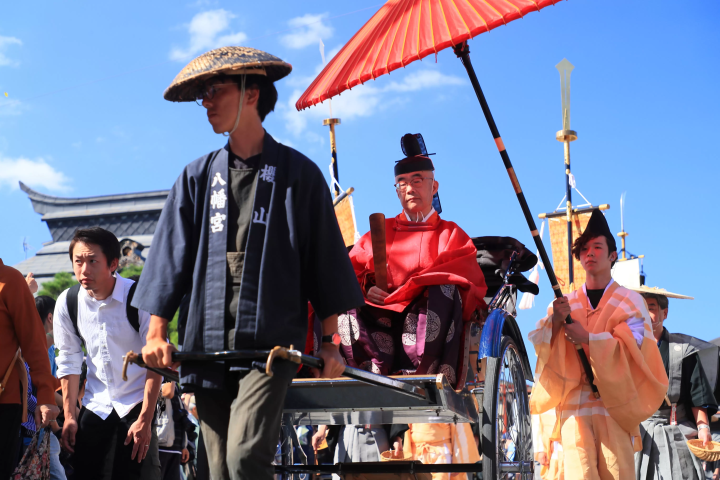
The festival is far more than a parade; it is a deeply codified ritual. Central to the procession is the Goshinko, a sacred journey in which the mikoshi (portable shrine) carries the deity of the Hachiman Shrine through the streets.
The Procession Hierarchy
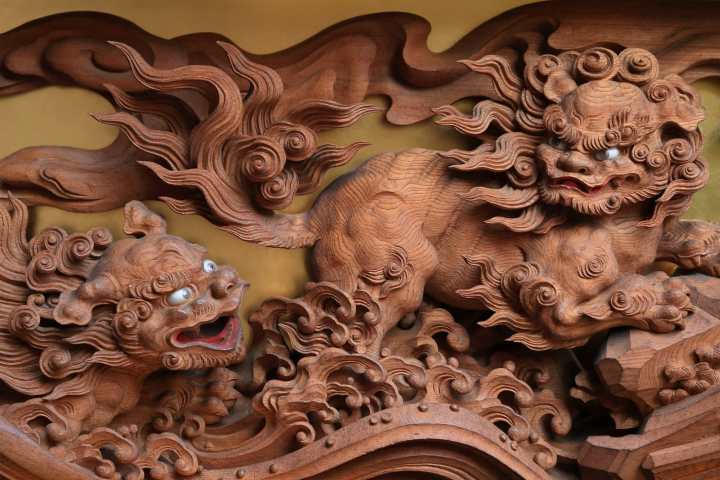
- The Lion Dance (Tokubei-jishi): This performance leads the procession, acting as a spiritual vanguard to cleanse the streets of malevolent spirits.
- Toukeiraku: Known locally as Kankakokan for the rhythmic sounds of gongs and drums, participants wear Hida-dyed costumes featuring dragon and phoenix motifs.
- Guardians: Clad in kamishimo, these participants represent the traditional hierarchy of the Edo period. Because this attire is so rarely worn today, the city government holds mandatory dressing seminars to ensure historical accuracy is maintained.
The Yoi Matsuri (Evening Festival)
On the evening of October 9th, the atmosphere shifts from ceremonial to mystical. As darkness falls, each of the 11 floats is adorned with approximately 100 paper lanterns. The sight of these illuminated giants moving through the narrow, dark streets of Takayama is considered one of the most beautiful spectacles in Japan. The parade concludes when the floats return to their respective storehouses, accompanied by the melancholy "Takai Yama" farewell song.

Official Responses and Preservation Efforts
The preservation of the Takayama Festival is a collaborative effort between the local government, the Sakurayama Hachimangu Shrine, and the yatai groups (the neighborhood organizations that maintain the floats).
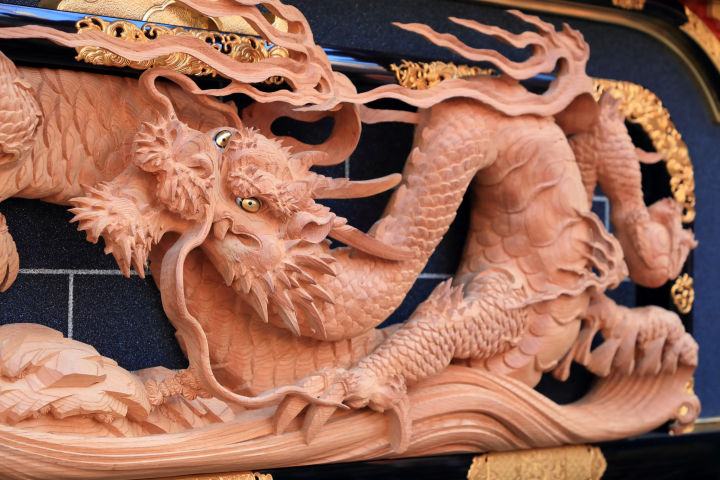
"The festival is not just an event; it is our identity," notes a representative from the Takayama City Tourism Department. "The maintenance of these floats requires a level of craftsmanship—lacquer work, metal forging, and wood carving—that is becoming increasingly rare. By passing these skills down to the younger generation, we are ensuring that the spirit of Hida remains intact."

The city’s proactive stance, including the maintenance of the Takayama Festival Floats Exhibition Hall, allows visitors to witness the engineering marvels year-round. This facility provides vital context, as it explains the history of the shrines and the rigorous standards of the yatai groups, ensuring that the UNESCO designation is supported by concrete, accessible public education.
Implications: A Model for Cultural Sustainability
The Takayama Autumn Festival offers a blueprint for how modern societies can honor their past while remaining relevant to contemporary audiences. The strict adherence to traditional protocols—such as the prohibition against looking down on the procession from high places or the hanging of traditional curtains—fosters a deep sense of respect and continuity among the local population.
For the international visitor, the festival provides a unique window into a Japan that existed before the rapid industrialization of the 20th century. It emphasizes the importance of community, the value of slow, deliberate craftsmanship, and the beauty of seasonal change. As we look toward the 2026 festival, the continued support for this event serves as a safeguard for Hida’s cultural heritage, proving that even in an age of high-speed digital connectivity, there remains an enduring human need for the tangible, the ceremonial, and the awe-inspiring beauty of tradition.
2026 Festival Schedule at a Glance
- Dates: October 9th (Fri) – 10th (Sat), 2026.
- Float Parade: Oct 9th (9:00–17:00), Oct 10th (9:00–16:00).
- Karakuri Dedication: Oct 9th (12:00, 14:00), Oct 10th (11:00, 13:00).
- Evening Festival: Oct 9th (18:15–20:30).
- Note: In the event of inclement weather, some outdoor events may be cancelled. Please check the official Hida Takayama Tourism website for real-time updates.


 Neng Nana
 Asro
Asro