The cinematic landscape is bracing for a return to the verdant, perilous expanse of J.R.R. Tolkien’s Middle-earth. After years of speculation and the quiet expansion of the franchise’s reach, Warner Bros. and New Line Cinema have confirmed that the next chapter of the live-action saga, The Lord of the Rings: The Hunt for Gollum, is officially in production. Bolstered by a star-studded cast and the return of the creative architects behind the original Academy Award-winning trilogy, the project is shaping up to be one of the most anticipated theatrical events of the decade, currently slated for a December 17, 2027, release.
A Dream Realized: Anya Taylor-Joy Enters the Woodland Realm
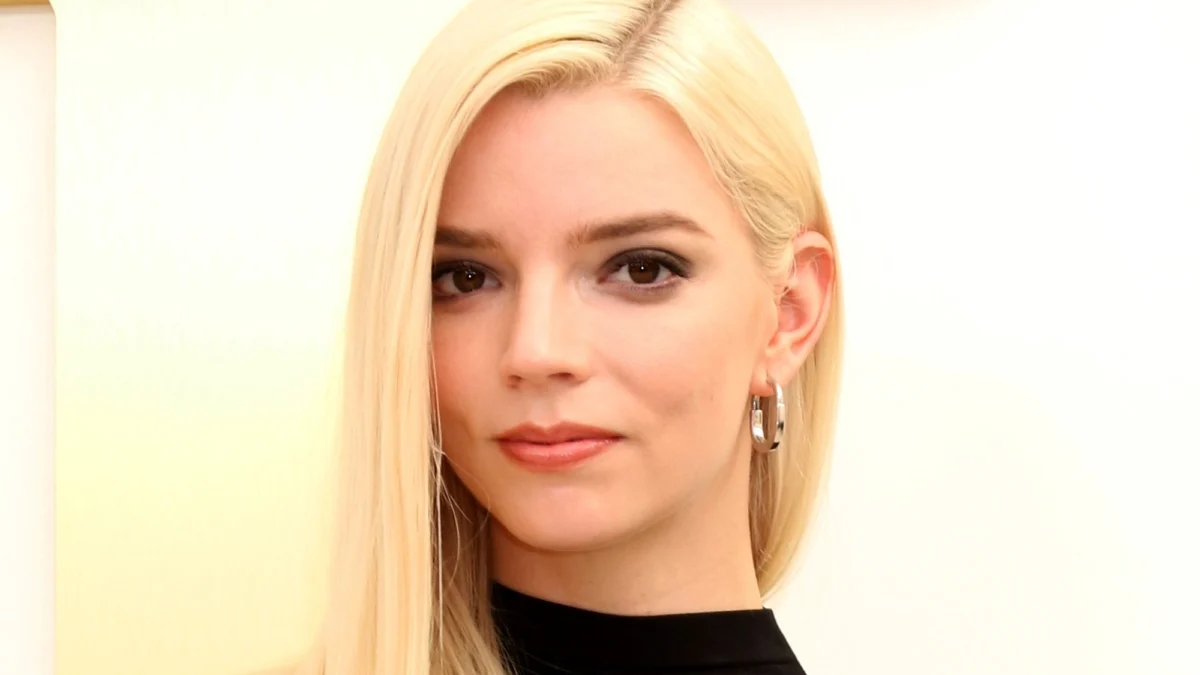
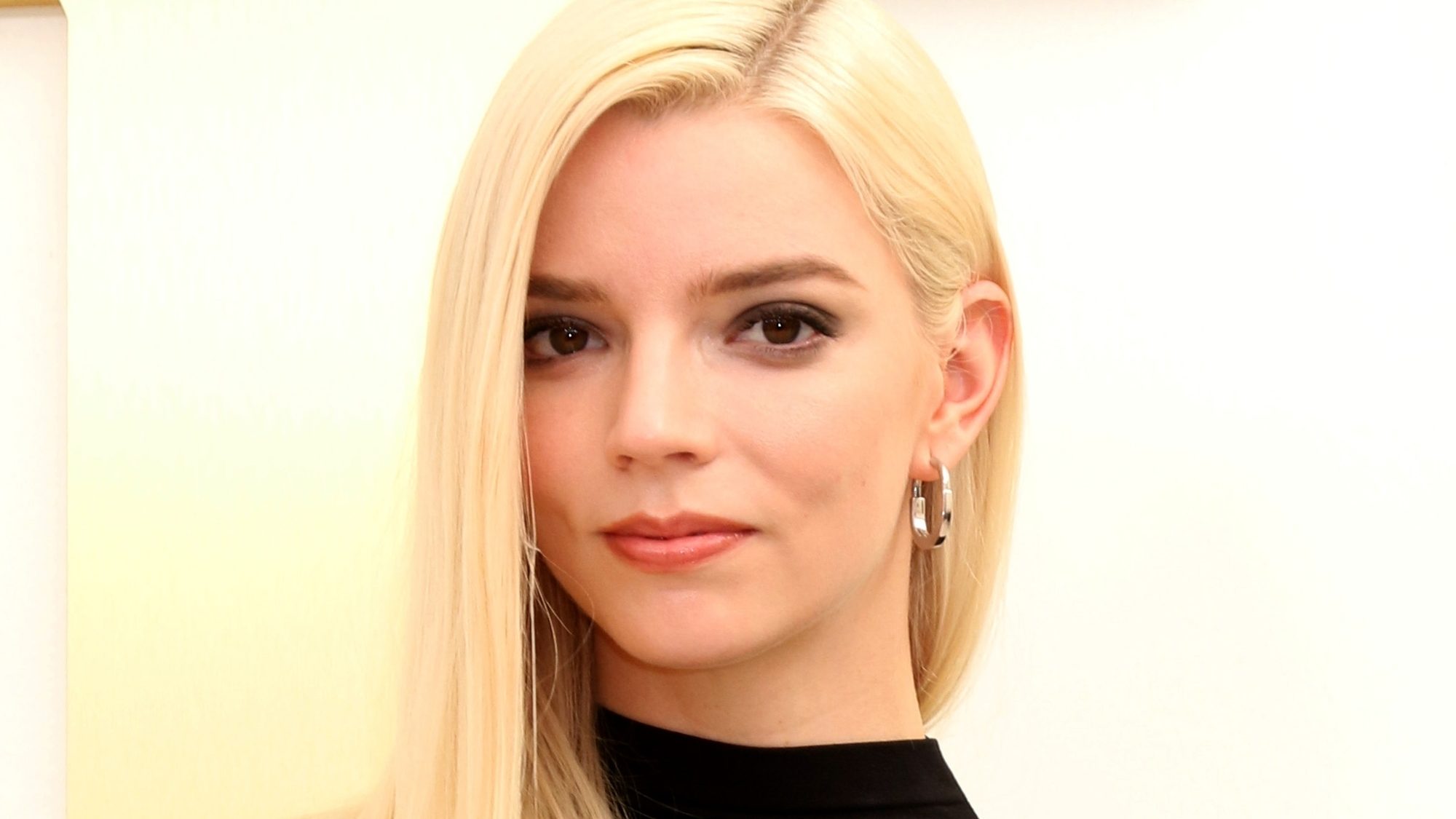
The excitement surrounding the project reached a fever pitch recently when Anya Taylor-Joy—a talent widely regarded as one of the most versatile actors of her generation—confirmed her participation in the film. Speaking with Rotten Tomatoes, Taylor-Joy expressed a palpable sense of wonder regarding her role, characterizing the opportunity as "a dream come true."
"I mean, I feel like I’ve been an Elf my whole life, so it feels very validating to go and actually do it as a job," Taylor-Joy joked during the interview. "I’m a huge fan of Lord of the Rings, I’m a huge fan of Andy Serkis. I think he’s a wonderful man and a wonderful, innovative creator. So I think just being able to be a part of this world and inhabit this character is a dream come true."
Taylor-Joy is set to portray Serek, a character described in early reports as a Sindar Elf of the Woodland Realm and a trusted, lethal agent of King Thranduil. Her casting, unveiled alongside an atmospheric promotional video last month, serves as a cornerstone for the studio’s marketing push, signaling that this project is intended to carry the same gravitas and high-fantasy polish that defined Peter Jackson’s original cinematic milestones.
The Chronology of a Return to Middle-earth
The path back to the Third Age has been a meticulous, years-long endeavor. The initial announcement that franchise legend Andy Serkis would direct and star in The Hunt for Gollum arrived in May 2024, sending shockwaves through the fandom. The news was accompanied by the confirmation that the primary creative team—including Peter Jackson, Fran Walsh, and Philippa Boyens—would return to produce, ensuring the continuity of the franchise’s "look and feel."
By October 2024, the production team began clarifying the narrative scope of the film. Philippa Boyens provided vital context, noting that the story occupies a specific, high-tension window within the established timeline: the period after Bilbo Baggins’ momentous "Eleventy-First" birthday party but before the harrowing journey into the Mines of Moria.
"It’s quite an intense story," Boyens explained during an industry briefing. "It’s a specific chunk of an incredible untold story, told through the perspective of this incredible creature."
The development timeline was further clarified to address rumors regarding the number of films in production. While some initial reports suggested a two-part split for The Hunt for Gollum, Boyens definitively corrected the record, stating that while the team is working conceptually on two separate live-action Middle-earth projects, The Hunt for Gollum is a singular, standalone narrative entity.
A Legacy Cast and a New Guard
The strength of The Hunt for Gollum lies in its delicate balance between returning icons and new, powerhouse additions. The casting sheet reads like a who’s-who of prestige cinema. Alongside Taylor-Joy, industry heavyweights have been attached to the project to flesh out the intricate political and social fabric of Middle-earth.
Reports from The Hollywood Reporter and other trade publications indicate that Kate Winslet is slated to play the character of Marigol, while Jamie Dornan is set to step into the boots of the Ranger known as Strider. Leo Woodall, rising to prominence for his recent television work, has been cast as Halvard.
Perhaps most significantly for the long-time fanbase, the production is anchoring itself in the familiar faces of the original films. Ian McKellen is set to reprise his definitive role as Gandalf, and Elijah Wood will return as Frodo Baggins. Furthermore, Lee Pace is confirmed to return as King Thranduil, reprising a character that served as one of the most compelling highlights of The Hobbit trilogy.
The production infrastructure is equally robust. The screenplay, penned by Walsh and Boyens, is being further developed by Phoebe Gittins and Arty Papageorgiou. Production duties are handled by a powerhouse quartet: Peter Jackson, Fran Walsh, Philippa Boyens, and Zane Weiner. On the executive side, Ken Kamins, Andy Serkis, and Jonathan Cavendish of The Imaginarium are overseeing the project’s high-stakes execution.
Implications: Why This Matters for Warner Bros.
The decision to lean heavily into the Lord of the Rings intellectual property is a strategic pivot for Warner Bros. After the mixed reception of previous attempts to expand the franchise via animation, the studio is clearly signaling a return to the "prestige blockbuster" model. By investing substantial capital and bringing back the core creative team that secured 17 Academy Awards, Warner Bros. is betting that the audience’s appetite for Middle-earth remains unsatiated.
The narrative focus—the hunt for Gollum—also serves a thematic purpose. By positioning the story from the perspective of the titular creature, the filmmakers can explore the moral ambiguity of the One Ring’s influence in a way that the original trilogy could only hint at. The search for Gollum by Gandalf and Aragorn is a fundamental piece of the lore that bridge the gap between The Hobbit and The Fellowship of the Ring, providing the filmmakers with a "missing link" that feels both nostalgic and fresh.
Furthermore, the involvement of Andy Serkis as both director and star cannot be overstated. As the man who gave Gollum his soul through performance capture, Serkis is uniquely qualified to helm a project that centers on the character’s internal and external struggle. His evolution from actor to director is a narrative arc that mirrors the evolution of the franchise itself—moving from the groundbreaking tech of 2001 to the seamless, hyper-realistic immersion of 2027.
Looking Toward 2027
As the production continues to coalesce, the industry is watching closely. The December 17, 2027, release date suggests that the film is being positioned as a "tentpole" holiday release, a slot that historically favors fantasy epics with wide-reaching, multi-generational appeal.
With Anya Taylor-Joy’s enthusiasm and the collective weight of the returning creative team, The Hunt for Gollum is more than just a sequel or a prequel; it is an attempt to define the next era of fantasy cinema. As Serek, Taylor-Joy will undoubtedly bring a new, ethereal dimension to the Woodland Realm, grounding the film in the high-stakes, character-driven drama that made the original films cultural monoliths.
For the fans who have spent years speculating on the gaps in Tolkien’s maps, the hunt is finally underway. Whether it is the return of the Grey Pilgrim or the introduction of new agents within Thranduil’s domain, the coming years promise to be a transformative time for one of the greatest stories ever told. As the production gears up for principal photography, one thing is certain: Middle-earth is ready to be reclaimed, and the audience is ready to follow.