Rifan Muazin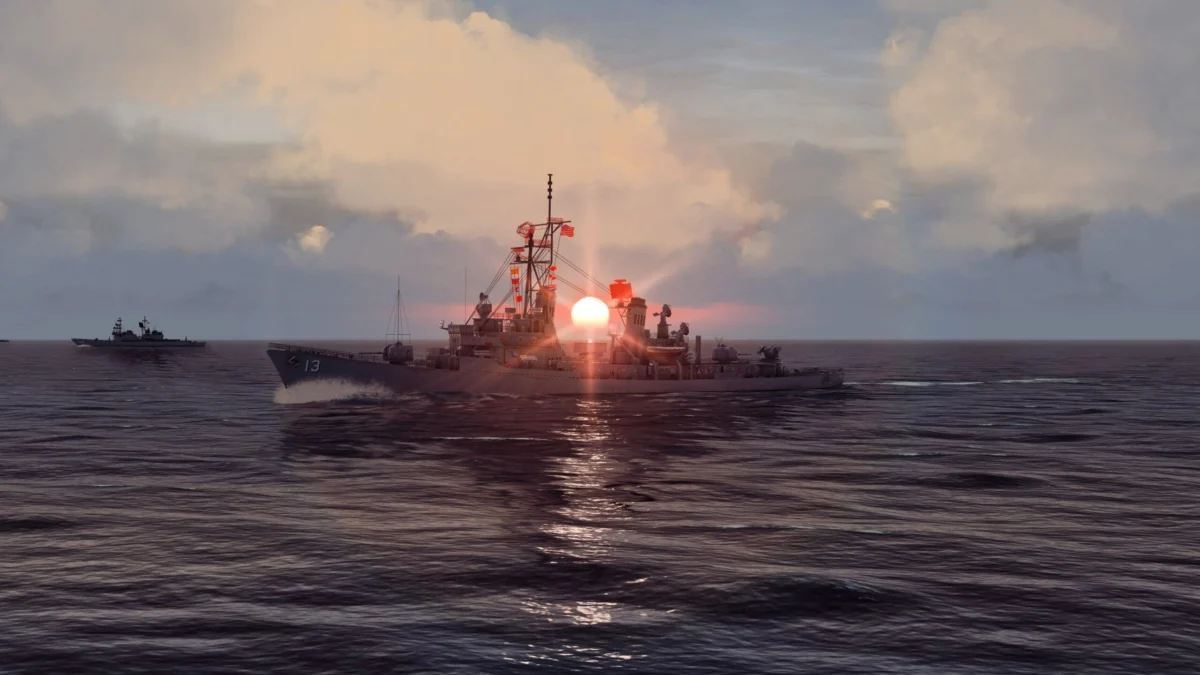
For decades, the genre of modern naval combat simulations occupied a niche space, often defined by the "armchair admiral" experience found in classics like Red Storm Rising, 688 Attack Sub, and the storied Jane’s series. These games offered a specific, cerebral thrill—the cold, calculated tension of tracking a nuclear submarine via sonar or coordinating a missile strike against a distant fleet. After a long, quiet period in the genre, Sea Power: Naval Combat in the Missile Age has emerged as the definitive successor, and with its massive 0.8.0 "Independence Day" update, it is officially coming into its own.
The Evolution of the Virtual High Seas
Sea Power, developed by Triassic Games and published by the legendary MicroProse, entered early access in November 2024. While the initial release showcased a deep, technically proficient simulation engine, it was notably missing a core pillar: a persistent, meaningful campaign structure. Players were relegated to skirmishes and isolated missions, which, while fun, failed to capture the strategic weight of sustained naval conflict.
The release of version 0.8.0 on July 5, 2026, marks a watershed moment for the title. By introducing the long-awaited "Task Force Mode" and a dedicated, linear campaign, Triassic Games has effectively bridged the gap between a high-fidelity combat simulator and a full-scale grand strategy experience.
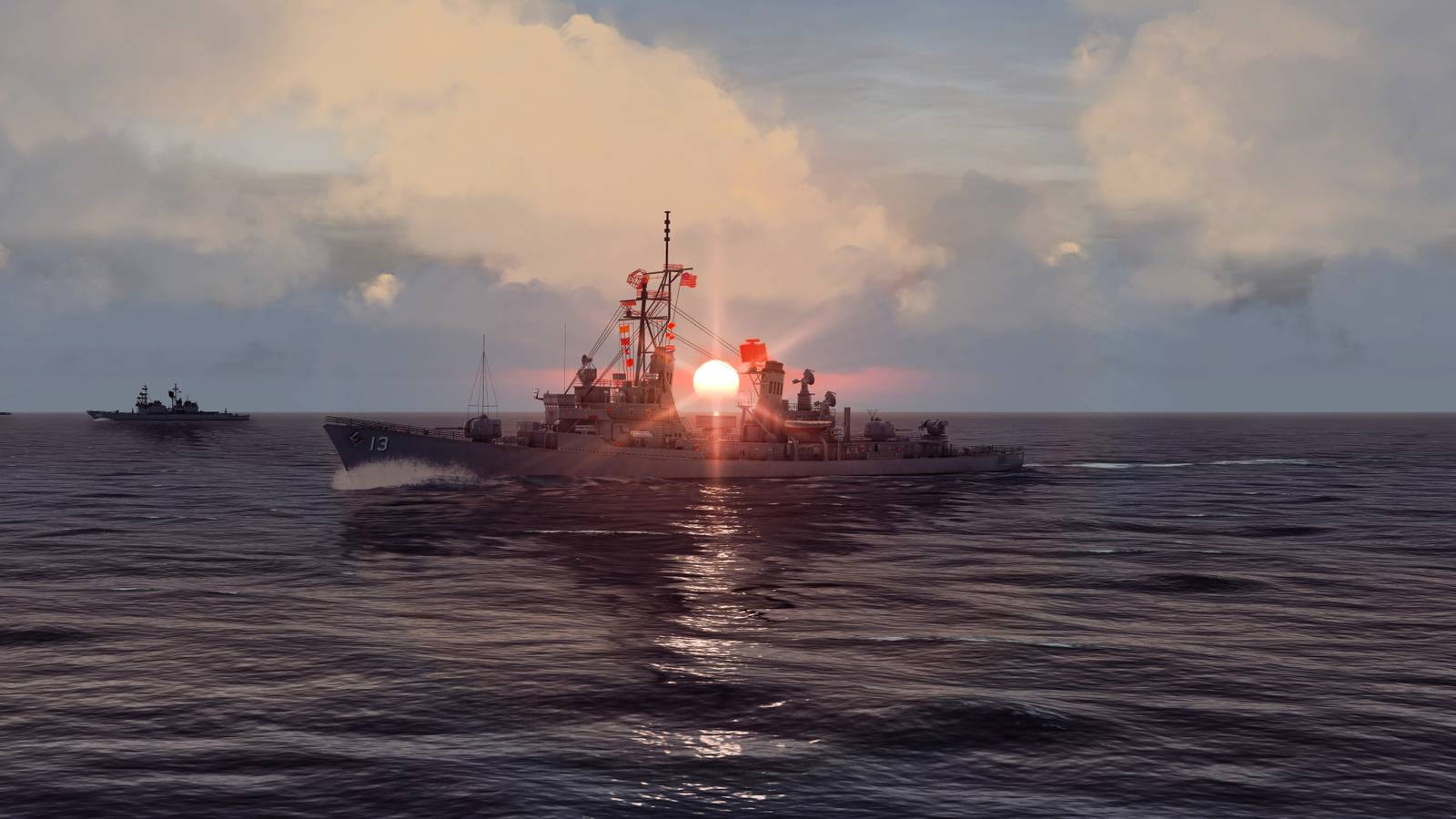
Chronology: From Launch to the 0.8.0 Milestone
To understand the significance of this update, one must look at the trajectory of the game’s development. Since its debut in late 2024, the community has consistently clamored for more context—a reason to care about the ships being deployed.
- November 2024: Sea Power launches into Steam Early Access. It is lauded for its ballistics, radar modeling, and authentic Cold War atmosphere, but criticized for a lack of narrative progression.
- Q1 2025 – Q2 2026: A series of incremental patches focus on quality-of-life improvements, unit balancing, and UI refinement. During this time, the community on platforms like Reddit and the official Steam forums provides a steady stream of feedback regarding sonar behavior and AI aggressiveness.
- July 5, 2026: The 0.8.0 "Independence Day" update drops. This is the largest content injection to date, adding the "Pacific Strike ’85" campaign, a full overhaul of sonar and electronic warfare systems, and a suite of new units, including the F-111C and Mirage III variants.
The "Pacific Strike ’85" Campaign and Task Force Mode
The centerpiece of the new update is the Pacific Strike ’85 campaign. For the first time, players take command of a NATO task force operating in the volatile theater of the Western Pacific. The campaign is designed to force players into difficult resource management decisions.
Task Force Mode introduces a deck-building mechanic that will feel immediately intuitive to veterans of WARNO or Broken Arrow. Players must assemble their fleet with care, considering the strategic composition of their ships, aircraft, and submarine support. Unlike previous mission structures, this campaign is persistent. The damage your ships sustain, the munitions you expend, and the losses you suffer carry over from one mission to the next.

This persistence changes the tactical calculus entirely. An aggressive, all-out strike might win a single engagement, but if it leaves your destroyers devoid of anti-aircraft missiles, your task force will be a sitting duck in the subsequent mission. This creates a "logistics-first" gameplay loop that forces the player to think like a real-world fleet commander.
Supporting Data: Technical Overhauls and AI Sophistication
The 0.8.0 update is not merely content-heavy; it is a fundamental shift in the game’s underlying physics and AI logic. Triassic Games has addressed the "sonar problem," which was a point of contention for many players. In the current build, detection ranges are far more dynamic, influenced by environmental factors such as thermoclines, sea state, and the specific technological capabilities of both the hunter and the hunted.
The AI has received a significant "intelligence" boost. Enemy units now exhibit superior torpedo handling and a more aggressive use of electronic countermeasures (ECM). The ability of the AI to employ jammers defensively—masking their movements—or offensively—blinding the player’s sensors—adds a layer of "cat and mouse" complexity. To counter this, developers have introduced a new minimap visualization that allows players to track radar performance degradation under jamming, providing the necessary information to make informed tactical decisions.
Furthermore, the game has expanded its roster of playable nations. The inclusion of Australian and French naval assets, alongside the F-111C strike-fighter, adds historical flavor that extends well beyond the Pacific theater. These units are already being utilized to build out future scenarios, most notably an upcoming Falklands War simulation.
Immersion: The "Z-Key" Revolution
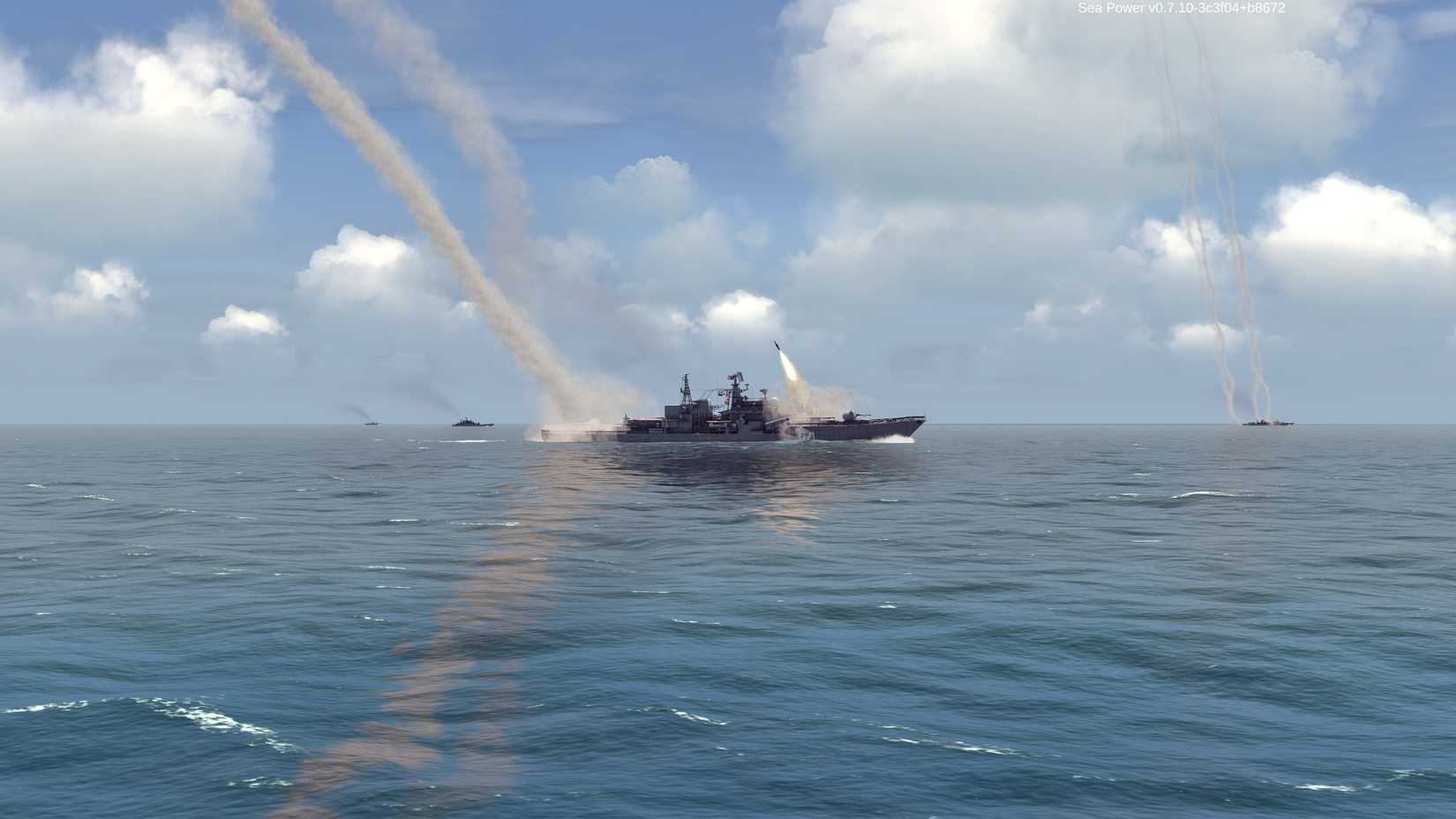
Perhaps the most understated but impactful addition is the inclusion of binocular and periscope views. By pressing ‘Z’, players can now peer through the optics of their selected units.
While this may seem like a cosmetic feature, it fundamentally changes the immersion factor. Being able to see the horizon through the lens of a submarine periscope, or checking the sky for incoming bogies with binoculars, grounds the player in the seat of the commander. The ability to toggle between standard, zoomed, and night-vision modes via the LShift+Z command ensures that players have the visibility tools required for the high-stakes naval encounters that define the game.
Official Perspectives and Industry Context
The decline of the naval strategy genre over the last two decades has been a source of lament for many enthusiasts. The "accessible mechanics" trend that dominated the 2010s often stripped away the depth required for a true naval simulation. Titles like Cold Waters (2017) and Command: Modern Operations (2019) attempted to hold the line, but they often lacked the visceral, cinematic production value found in the golden age of simulation gaming.
Triassic Games’ approach with Sea Power represents a rejection of this trend. By leaning into the complexity of missile-age combat, they are betting that a dedicated audience is hungry for realism.
"We wanted to build a world where the player felt the weight of their choices," said a spokesperson for the development team in a recent dev blog. "The shift in 0.8.0 isn’t just about adding ships; it’s about adding consequences."
Implications for the Genre
The success of Sea Power in its current state suggests a revitalization of the "armchair admiral" sub-genre. As the game moves closer to a full 1.0 release, it sets a new benchmark for what players should expect from modern strategy titles.
- The Rise of Persistence: Players are no longer satisfied with "one-off" battles. The success of the persistent campaign in Sea Power proves that long-term strategic planning is a highly desirable feature.
- The Demand for Simulation Fidelity: The positive reception of the sonar and ECM overhauls highlights that the community values realistic, granular modeling over arcade-style simplification.
- The MicroProse Effect: By partnering with a legacy publisher like MicroProse, Triassic Games has successfully tapped into a demographic of older, dedicated strategy gamers who grew up on the classics, while simultaneously attracting a new generation of players interested in tactical, high-stakes military simulation.
Conclusion
Sea Power: Naval Combat in the Missile Age has transitioned from a promising technical proof-of-concept into a robust, challenging, and deeply immersive strategy experience. With the 0.8.0 update, the game has finally provided the framework that its complex systems deserved.
For those who spent their youth staring at green-phosphor displays in 688 Attack Sub or plotting trajectories in Red Storm Rising, Sea Power is not just a game; it is a return to form. As the title continues to evolve toward its full release, it stands as a testament to the fact that the naval strategy genre is not only alive but sailing in deeper, more dangerous waters than ever before. Whether you are a veteran of the genre or a newcomer to the complexities of modern naval warfare, Sea Power offers an experience that is as rewarding as it is unforgiving.


 Asro
Asro
 Muslim