In a surreal intersection of influencer culture and professional sports, the Mexican national soccer team found itself at the center of a FIFA regulatory firestorm this week. What began as a flamboyant gesture of support from prominent American content creator Stephen Deleonardis—better known to his millions of followers as "SteveWillDoIt"—quickly devolved into a cautionary tale regarding the rigid ethical frameworks governing international football.
The Mexican squad, currently riding the momentum of a high-stakes World Cup campaign, was forced to return a lavish bounty of Rolex timepieces gifted by Deleonardis. The decision, though seemingly ungrateful on the surface, was a calculated move to preserve the integrity of the team’s eligibility and avoid severe sanctions from football’s global governing body.
The Extravagant Gesture: A Million-Dollar Motivation
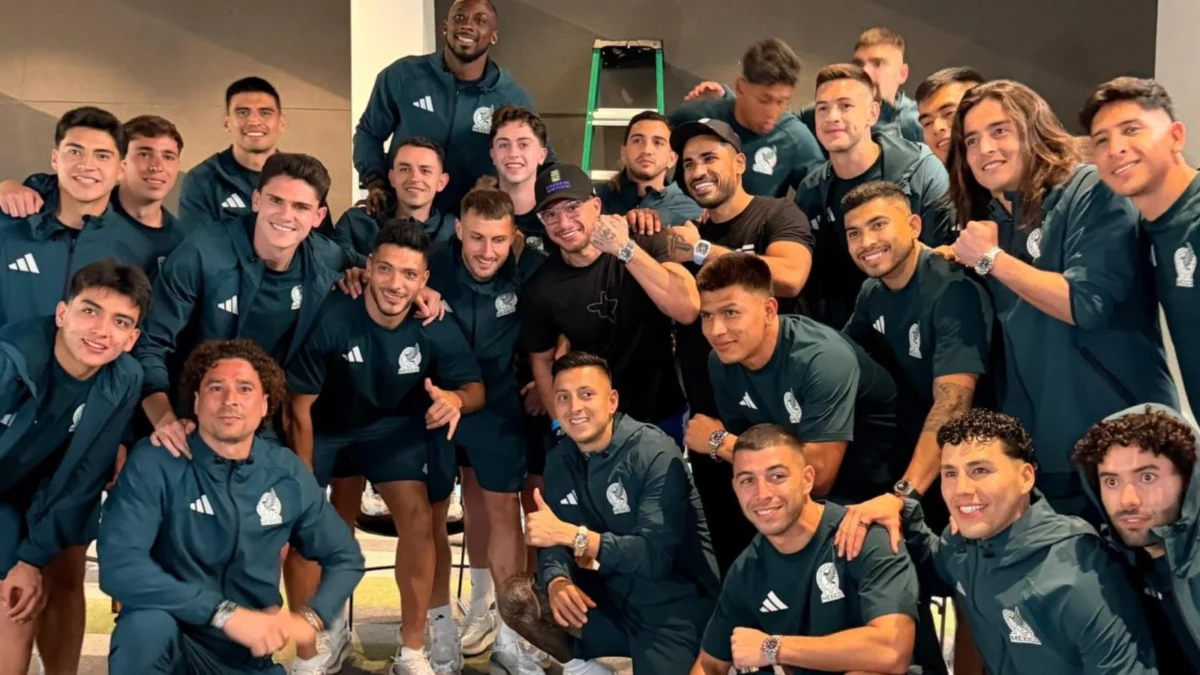
The controversy ignited just hours before Mexico’s decisive match against Ecuador. Deleonardis, a figure synonymous with high-octane, wealth-flaunting social media content, arrived at the team’s camp with a mission to serve as the squad’s ultimate "superfan." In an act of unparalleled generosity, he presented the entire roster and coaching staff with brand-new Rolex watches, an expenditure he estimated at approximately $1 million.
The reception was, by all accounts, jubilant. Footage circulated on Instagram showing the players in high spirits, hoisting Deleonardis into the air in a display of camaraderie. Whether it was the allure of the gift or the sheer energy of the encounter, the motivation seemingly paid off on the pitch: Mexico went on to secure a clinical 2-0 victory over Ecuador, fueling the fervor of their domestic fanbase.
However, the intersection of luxury goods and professional competition rarely goes unnoticed by regulatory bodies. While the players viewed the watches as a celebratory gift, FIFA’s investigative eyes viewed them as a potential breach of the game’s fundamental tenets.
Chronology of a Controversy
The timeline of the incident highlights the rapid shift from celebration to damage control:
- Pre-Match Buildup: Deleonardis arrives at the team facility, documenting his interaction with players and presenting the watches.
- The Victory: Mexico defeats Ecuador 2-0, with the team’s morale seemingly buoyed by the unconventional "booster."
- Regulatory Scrutiny: Within 24 hours of the footage going viral, FIFA’s ethics committee reportedly signaled that the gifts were in direct violation of the Code of Ethics.
- The Ultimatum: Mexican football officials are presented with a clear choice: return the gifts or face a formal investigation that could result in player bans and heavy fines.
- The Statement: The Mexican Football Federation issues a formal apology and confirmation via X (formerly Twitter) that the watches have been returned in full to ensure compliance with international tournament standards.
The FIFA Code of Ethics: Why Gifts Are Forbidden
At the heart of this conflict lies Article 21 of the FIFA Code of Ethics. This section is designed to protect the "sanctity" of the sport, explicitly prohibiting players, officials, and staff from accepting gifts or benefits that hold significant monetary value.
FIFA’s guidelines state that any gift accepted must have "symbolic or tribal value"—a narrow definition that excludes luxury watches. The logic behind this strict policy is rooted in the prevention of bribery and undue influence. Even if a donor has no malicious intent, the existence of such a transaction creates a "conflict of obligation." If a player were to accept a gift worth tens of thousands of dollars, FIFA argues that their objectivity—and the appearance of the sport’s fairness—is compromised.
The consequences for ignoring these rules are severe. Under Article 21, a violation can result in:
- Fines: A minimum of $12,500 per individual involved.
- Professional Suspension: Bans from football-related activities for up to two years.
- Tournament Expulsion: In extreme cases, the disqualification of a national team from an ongoing competition.
Given the gravity of these penalties, the Mexican Football Federation had little choice but to distance themselves from the influencer’s largesse.
Official Responses and Damage Control
In a carefully worded statement released on X, the Mexican Football Federation sought to strike a balance between acknowledging the fan’s passion and respecting the rules of the tournament. The statement confirmed that "by mutual agreement," the players and staff decided to return the items.
"The Mexican national team holds the values of integrity, sportsmanship, and compliance with FIFA regulations as paramount," the statement read. "While we appreciate the passion of our supporters, we must ensure that our participation in the World Cup remains beyond reproach."
For his part, Deleonardis has remained relatively quiet regarding the return of the watches, though his initial social media posts framed the gift as a gesture of "motivation" rather than an attempt to influence the game. The incident has reignited a long-standing debate about the role of influencers in professional sports. As content creators gain more capital and influence, their ability to "sponsor" teams outside of traditional, regulated channels presents a new challenge for governing bodies like FIFA.
Implications for the World Cup and Beyond
The return of the watches is more than just a footnote in the tournament’s history; it serves as a litmus test for how FIFA intends to handle the rise of "influencer culture" in soccer. With the tournament reaching its most critical stage—the Round of 16—the pressure on players to remain focused is immense.
Mexico is currently preparing for a high-profile showdown against England at the Estadio Azteca. The backdrop of this tournament has already been volatile, marked by intense fan behavior and, tragically, news of three deaths reported during the celebrations following the victory against Ecuador. This atmosphere of high tension has forced the team to remain hyper-vigilant about their public image and administrative compliance.
The Broader Impact on Sports Integrity
The "Rolex incident" highlights several critical issues that sports governing bodies will need to address:
- The Blurring Lines of Sponsorship: Influencers often lack the vetting process of official sponsors. When a random individual provides gifts, it bypasses the legal frameworks that monitor corporate sponsorships, creating a "grey market" for influence.
- The Burden on Players: Players are often put in difficult positions when approached by wealthy fans. They are forced to act as regulators, knowing that accepting a gift could end their career.
- Transparency in Fan Engagement: FIFA will likely need to issue clearer guidelines on how players should interact with high-net-worth fans to avoid future misunderstandings.
Conclusion: A Lesson in Professionalism
The Mexican national team’s swift action to return the gifts effectively neutralized what could have been a catastrophic scandal. By prioritizing their eligibility over the allure of luxury, the players have demonstrated the professional discipline required to compete at the highest level of international football.
As they move forward into the Round of 16, the focus will now shift back to the pitch. The episode serves as a reminder that in the world of professional sport, the only currency that truly matters is the score on the board. Whether the team can channel the energy of their supporters into a victory against England remains to be seen, but they have cleared the administrative hurdle that threatened to derail their campaign.
For SteveWillDoIt, the incident serves as a lesson in the limitations of wealth in a highly regulated environment. In the world of elite FIFA football, the rules are written in stone—or in this case, in the regulations of the Code of Ethics—and they apply to everyone, regardless of the size of the gift or the reach of the social media account.