Raul Delapena Setiawan
For decades, the mention of Japan’s mountainous regions—particularly the snow-drenched prefectures of Nagano—evoked images of pristine powder, après-ski lodges, and the exhilarating rush of winter sports. However, a significant transformation is taking place across these high-altitude landscapes. As Japan’s tourism sector evolves, ski resorts are increasingly shedding their "seasonal-only" labels, successfully rebranding themselves as vibrant, multi-dimensional summer leisure destinations.
By leveraging their naturally cool climates, stunning topography, and existing infrastructure, these resorts are offering an enticing alternative to the sweltering heat of Japan’s urban lowlands. This shift is not merely a survival tactic; it is a calculated effort to capitalize on the growing demand for nature-based "wellness" travel and immersive outdoor experiences.
The Evolution of the Summer Alpine Retreat
Historically, Japanese ski resorts were often deserted ghost towns once the spring thaw arrived. However, over the past five years, a strategic pivot has occurred. Recognizing that the high altitude provides a natural reprieve from the oppressive humidity of a Japanese summer, operators have invested heavily in year-round facilities.
The strategy is simple: accessibility meets escapism. Through the use of existing gondolas and ropeways, tourists can reach heights exceeding 1,700 meters without the need for strenuous hiking. This democratization of alpine access has opened the door for families, casual travelers, and city dwellers looking for a weekend reset.
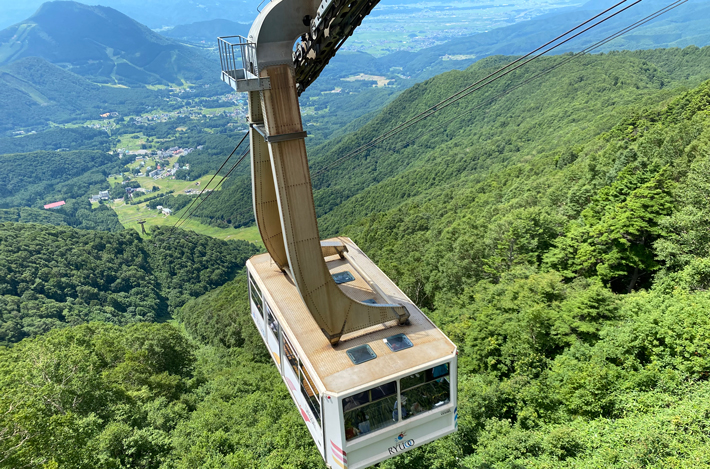
Ryuoo Mountain Resort: Chasing the Sea of Clouds
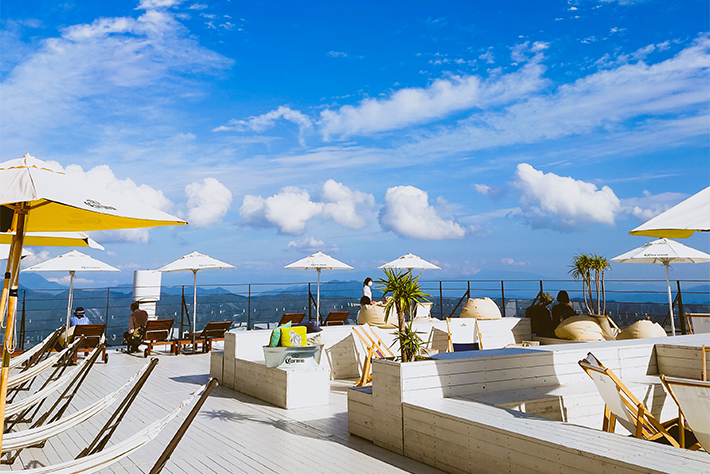
Located in the Kitashiga Highlands of northeastern Nagano, the Ryuoo Mountain Resort serves as a premier example of this transformation. The resort’s centerpiece is the "SORA terrace," perched at an altitude of 1,770 meters.
A Phenomenon in the Sky
The primary draw here is the "sea of clouds," a dramatic weather phenomenon where the clouds gather below the observation deck, creating the illusion of standing above the world. Data from 2022 revealed a remarkable 65.9% occurrence rate for this spectacle. Contrary to popular belief, these cloud formations are more frequent in the evening hours than in the early morning, allowing visitors to enjoy the view without the need for an alpine dawn patrol.
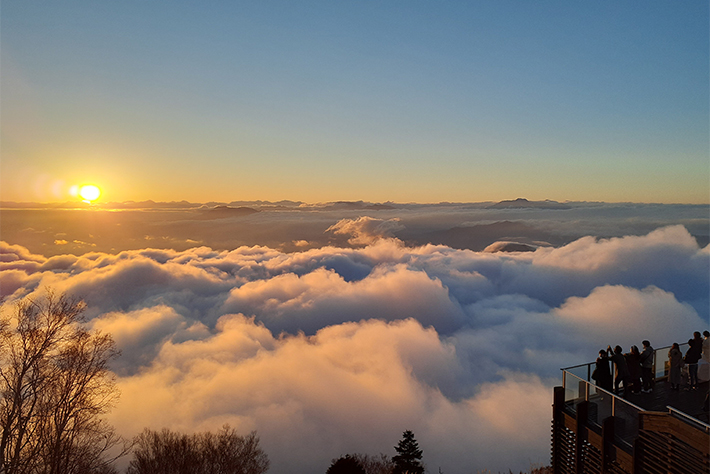
Culinary and Starlit Experiences
The SORA terrace cafe has elevated the mountain dining experience by integrating local, seasonal ingredients. Their signature menu items—often whimsically modeled after the sea of clouds themselves—have become viral hits on social media. Beyond the cafe, the resort offers premium glamping at the base of the mountain. Far from city light pollution, the region provides a pristine canvas for stargazing, where visitors can witness the sunset transition into a breathtaking celestial display.
Hakuba Happo-One: The Intersection of Trekking and Luxury
Hakuba is world-renowned as a winter sports mecca, but in the warmer months, Hakuba Happo-One shifts its focus to mountain recreation and luxury relaxation.

Accessible Alpine Beauty
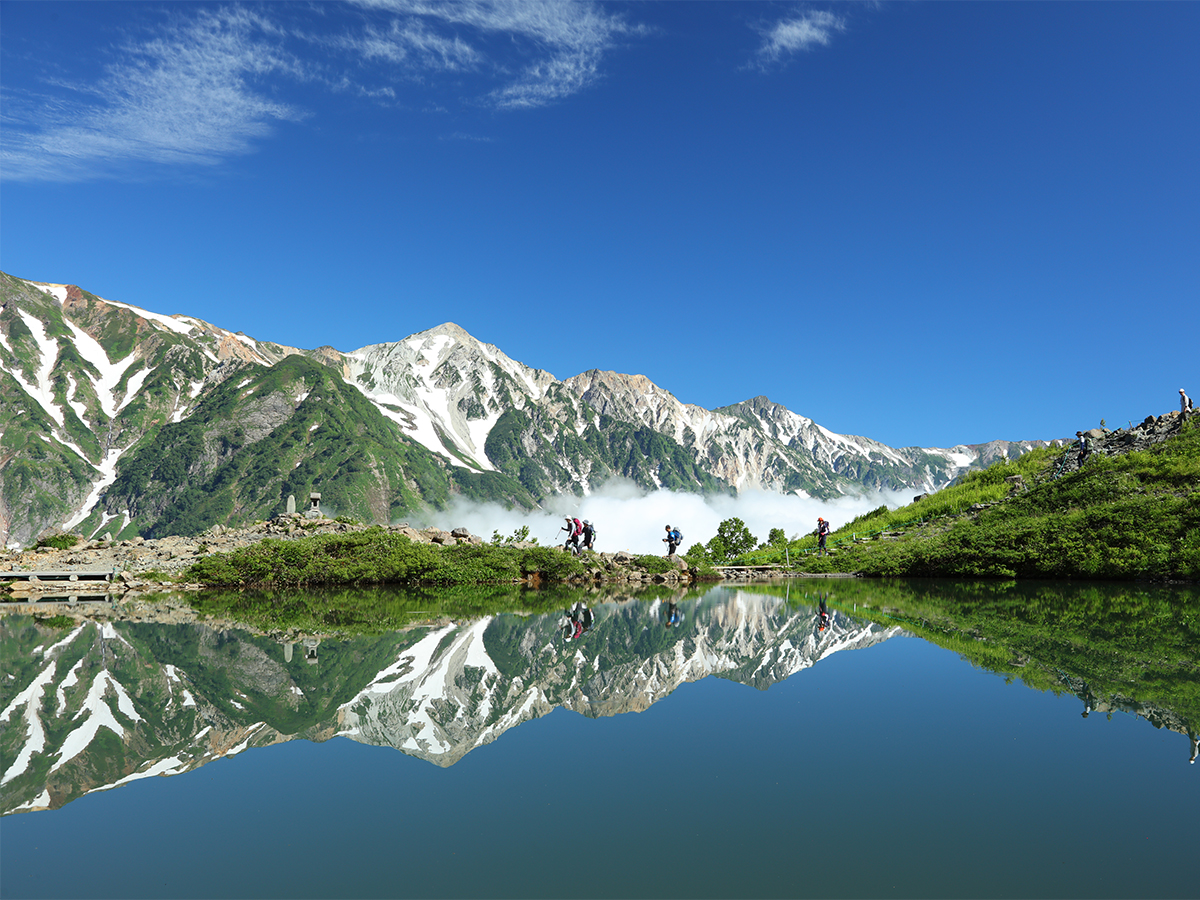
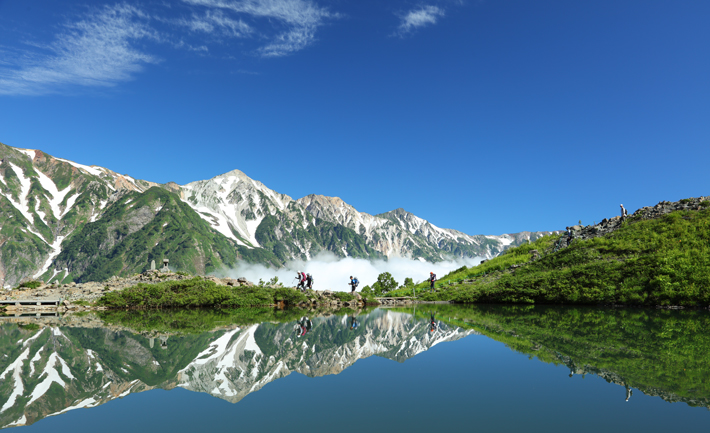
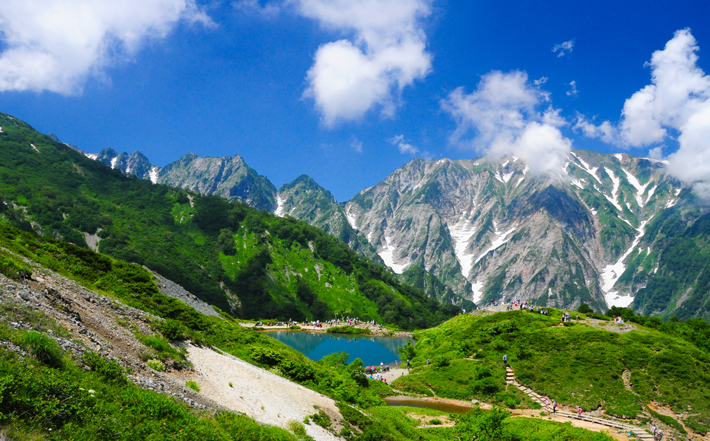
The resort facilitates a seamless transition into the high mountains via its gondola system. A short, hour-long trek from the upper lift terminal brings visitors to the iconic "Happo Pond." On clear days, the pond acts as a perfect mirror, reflecting the jagged, snow-dusted peaks of the Hakuba mountain range. Because the trail is well-maintained and beginner-friendly, it allows even novice hikers to experience the alpine timberline, where rare mountain flora blooms in the short, intense summer season.
The Rise of Mountain Wellness
For those who prefer relaxation over exertion, the resort has debuted "HAKUBA MOUNTAIN BEACH." This facility mirrors the aesthetic of a coastal retreat but is situated 1,400 meters above sea level. Embracing the modern Japanese trend of sauna-shukyo (sauna culture), the resort offers outdoor saunas and jacuzzis. Immersing oneself in an outdoor bath with panoramic mountain views provides a physical and mental restoration that is difficult to replicate at sea level.
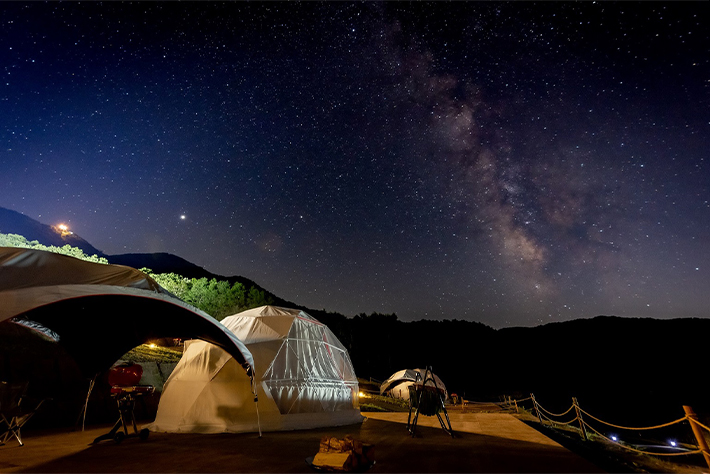
Tsugaike Mountain Resort: The Ultimate Adventure Playground
For families and thrill-seekers, Tsugaike Mountain Resort has positioned itself as the largest outdoor park in the Hakuba area.
"WOW!" and the Spirit of Adventure
The resort’s "WOW!" facility is a testament to the shift toward active tourism. It includes "Cogidas," a high-altitude cycling course that creates the sensation of riding through the clouds, and "Tobidas," a daring 12-meter jump onto a massive air cushion. The resort has successfully diversified its offerings to include zip-lining, bouldering, and mountain biking, ensuring that guests of all ages find an activity that matches their risk tolerance.
Environmental Stewardship
Beyond the adrenaline-fueled attractions, the resort provides access to one of Japan’s most significant high-altitude wetlands. At 1,900 meters, visitors can traverse wooden boardwalks to observe sensitive alpine ecosystems. This duality—the high-octane adventure of "WOW!" paired with the educational, serene nature walks—is what keeps Tsugaike at the forefront of the summer tourism conversation.
Implications for the Future of Japanese Tourism
The rise of summer ski resorts represents a broader change in how Japan manages its seasonal assets. By converting underutilized winter infrastructure into high-value summer destinations, these resorts are achieving several key objectives:
- Economic Stabilization: By diversifying revenue streams, resorts can support year-round staff employment, reducing the reliance on short-term seasonal hiring.
- Reduced Congestion: By promoting the highlands, tourism boards can help alleviate "over-tourism" in traditional urban hubs like Tokyo and Kyoto, distributing visitor spending to rural prefectures.
- Accessibility and Infrastructure: The integration of Shinkansen and highway bus connectivity to these mountain gateways means that international travelers and urban locals can easily reach these destinations without needing to navigate the complexities of mountain driving.
A Note on Accessibility
One of the most significant barriers to mountain tourism is physical fitness. The reliance on existing ski lift infrastructure solves this. By removing the "barrier of entry"—the need for expensive gear or high levels of physical stamina—these resorts have effectively opened the mountain experience to everyone from toddlers to the elderly.
Conclusion: A Blueprint for Sustainable Growth
While the idea of a "summer ski resort" may sound like a contradiction, the reality is a compelling synergy of nature and engineering. These locations provide more than just cool air; they offer an immersive experience that aligns with the global shift toward sustainable, nature-based, and wellness-focused travel.
For travelers planning a Japanese vacation, the mountains of Nagano offer a unique, multi-layered experience. Whether you are hunting for the perfect sea-of-clouds photograph, hiking to crystal-clear alpine ponds, or testing your limits at an adventure park, the summer transformation of these resorts is a trend that is only gaining momentum. As Japan continues to refine its tourism strategy, the alpine regions are clearly positioning themselves not just as a winter escape, but as an essential year-round destination.
If you find yourself overwhelmed by the humidity of a Japanese summer, look upward. The peaks are calling—and they are far more accessible than you might think.


 Neng Nana
 Asro
Asro