Iffa Jayyana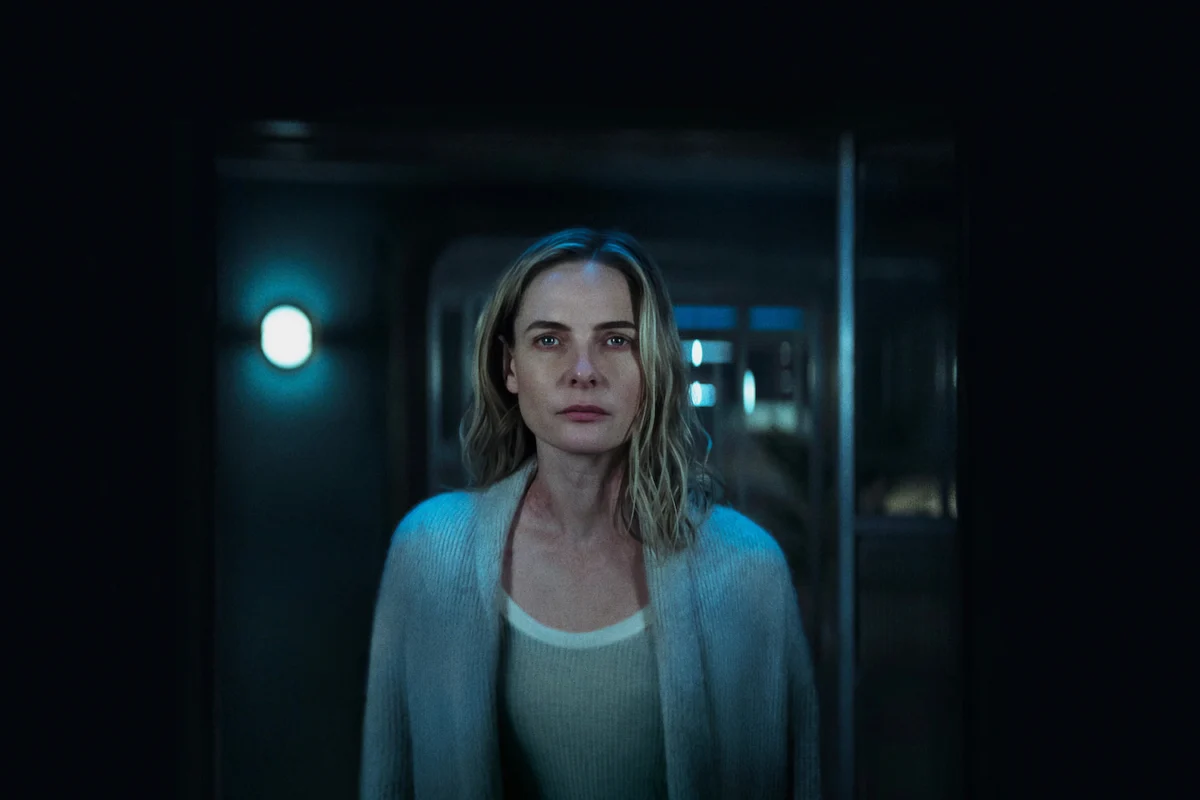
As we crest the summit of the calendar year, the cultural landscape feels particularly dense. We find ourselves in that peculiar psychological space where the passage of time accelerates, yet the weight of impending pop-culture milestones—like the inevitable, looming convergence of Dune: Part 3 and Avengers: Doomsday—begins to feel heavy. Whether it’s the persistent earworm of a mid-2000s indie folk song or the creeping dread of a world that feels increasingly like the setting of a high-concept science fiction drama, the mid-year malaise is real.
This week, we take stock of the media defining our current moment: the bizarre return of Silo, the democratization of award-caliber short fiction, and the importance of engaging with long-form historical analysis.
The Chronology of Content: A Mid-Year Status Report
The first six months of the year have been defined by a shift in consumption habits. We are moving away from the "binge-everything" model toward a more curated, albeit frantic, engagement with prestige television and short-form literature.
- January–March: The "Post-Holiday Hangover" period saw a surge in long-form investigative journalism and a slow rollout of mid-season TV renewals.
- April–June: The focus shifted toward the spring television season, highlighted by the critical success of Widow’s Bay.
- July (Present): We are currently in the "Silo Phase"—a period marked by a paradoxical desire to watch bleak, claustrophobic narratives despite the summer heat, paired with an urgent push to read Hugo Award finalists before the August 8 voting deadline.
The Silo Phenomenon: Why We Watch the Unwatchable
It is a profound irony that Silo, an Apple TV+ series centered on a community living in a subterranean bunker because the surface world is toxic, returned to our screens just as the Northern Hemisphere entered the height of summer. The timing is, as one might say, "acutely uncomfortable."
The show’s premise—a hermetically sealed society operating under the assumption that the world outside is a death trap—serves as a grim mirror for contemporary anxieties about climate change, social isolation, and political polarization. Yet, despite the show’s penchant for "hamster wheel" storytelling—specifically the narrative reliance on medically induced amnesia, which forces characters to re-learn truths already established—it remains undeniably addictive.
The Anatomy of the Silo Appeal
The show succeeds not because of its high-concept plot, but because of its commitment to character-driven tension. The performances of Jessica Henwick, Harriet Walter, and Alexandria Riley elevate the material, transforming what could be standard dystopian fare into a study of human endurance. The "Lady Macbeth" quality of Riley’s character, in particular, provides a psychological anchor that keeps the viewer tethered to the screen, even when the plot threatens to spiral into repetitive tropes.
Democratizing Literature: The Hugo Award Finalists
In a move that serves as a boon to readers everywhere, the finalists for the Hugo Awards in the Short Story and Novelette categories are now fully accessible online. This is not merely a convenience for Hugo voters; it is an essential democratic experiment in the literary world.
Accessing the Canon
By making these works available for free, the organizations behind these awards are acknowledging that the barrier to entry for high-quality short fiction is often financial or logistical. For those who wish to participate in the voting process, the deadline is August 8. The sheer volume of material is daunting, but it offers a rare opportunity to engage with the cutting edge of speculative fiction without the commitment of a 400-page novel.
The Necessity of "Depressing" Longreads
While television often serves as a distraction, the best long-form journalism serves as a confrontation. Over the recent holiday period, a piece by Bathsheba Demuth in n+1 regarding the Trump family, historical amnesia, and the United States’ complex, often predatory relationship with Greenland, gained significant traction.
This is not "easy" reading. It is a dense, historical excavation that highlights the patterns of colonization and the erasure of indigenous histories. The piece is a stark reminder that what we are taught in school—and what we choose to remember as a collective—is often a carefully curated fiction. In a time where "strategic amnesia" is increasingly weaponized in political discourse, reading these accounts is not just a hobby; it is a civic duty.
The Art of the Negative Review
In the "bookish" corners of the internet, a perennial debate persists: Is there value in negative criticism? In an era where algorithms favor engagement and publishers push for positive buzz, the critical takedown has become an endangered species.
However, the recent review of Daniel Kraus’s Angel Down by Abigail Nussbaum in Strange Horizons serves as a masterclass in the craft of negative criticism. The book, a Pulitzer Prize winner, is treated by Nussbaum not as a sacred object, but as a text to be interrogated. Whether one agrees with her assessment is irrelevant; the value lies in the rigorous articulation of why a work fails for a particular reader.
Criticism, at its core, is a dialogue. If we only accept praise as valid discourse, we lose the ability to analyze why certain narratives resonate and others ring hollow. As Nussbaum demonstrates, a well-reasoned critique is an act of respect toward the reader and the art form itself.
Implications for the Second Half of the Year
As we look toward the remainder of the year, several trends are clear. First, we are entering a "content-saturated" autumn, where the backlog of prestige TV and award-season literature will demand even more of our time. Second, the lines between escapism and social commentary are blurring; we are increasingly choosing to engage with art that reflects our anxieties rather than art that helps us flee from them.
Recommendations for the Weekend
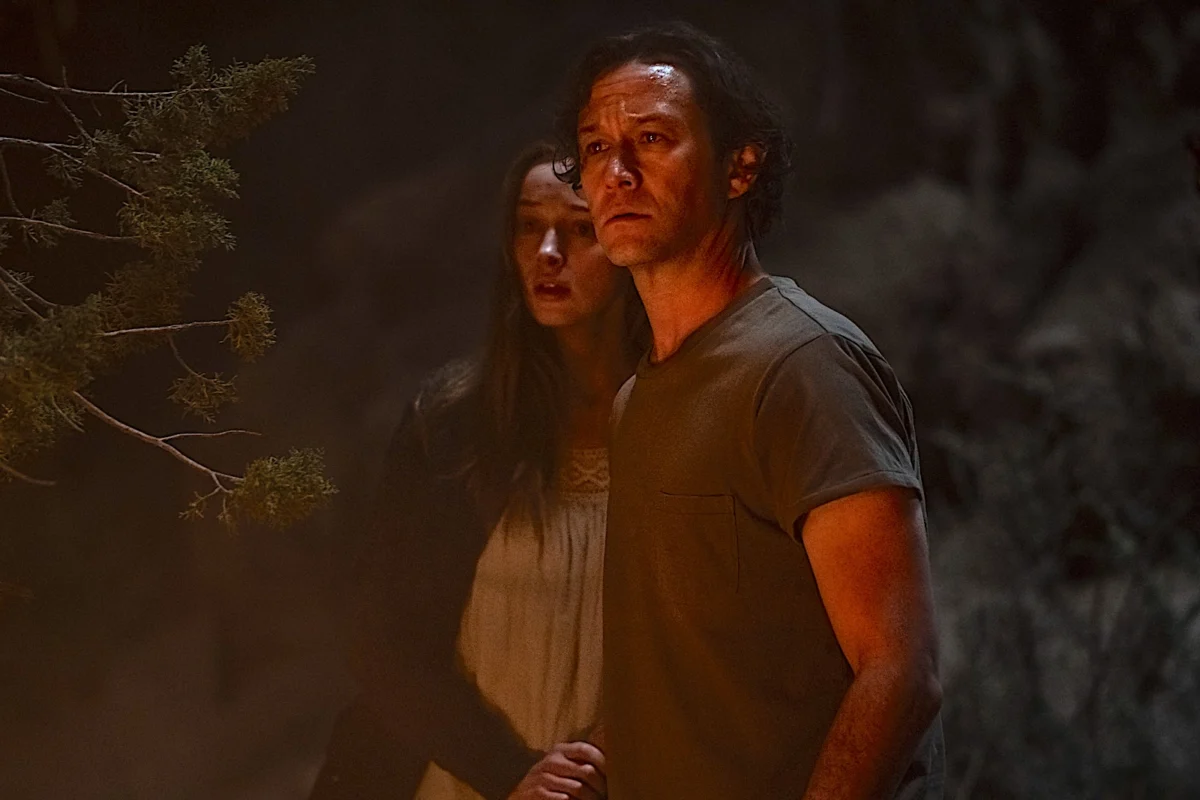
- For the TV watcher: If you haven’t yet dived into Widow’s Bay, the Emmy nominations are a testament to its quality. Specifically, watch for Dale Dickey’s performance; it is a masterclass in subtlety and presence.
- For the reader: Visit the official Hugo Award finalist page. Even if you don’t vote, the short stories and novelettes available there represent the current zenith of the genre.
- For the citizen: Take a moment to check in with your representatives. It is a cliché for a reason—active participation remains the primary mechanism for change, no matter how daunting the news cycle feels.
A Final Note on Self-Care
The pace of the modern media cycle is designed to exhaust. Between the "Dunesday" looming on the horizon and the daily churn of geopolitical crisis, it is vital to remember the basics. Hydrate, maintain your connections with friends, and—perhaps most importantly—give yourself permission to disconnect. If you find yourself in a "hamster wheel" of news consumption or repetitive streaming, step back. The stories will still be there when you return.
As we continue through the second half of the year, the goal should not be to consume more, but to consume with more intent. Whether it’s a challenging historical essay or a flawed-but-compelling dystopian drama, our engagement with media is a reflection of our priorities. Choose them wisely.

 Nila Kartika Wati
 Nana Muazin