In the annals of gothic literature, H.P. Lovecraft’s At the Mountains of Madness stands as a definitive text of cosmic dread. It is a story defined by its chilling isolation, the fragility of the human psyche, and the terrifying realization that humanity is an insignificant speck in a vast, uncaring universe. Usually, this narrative is filtered through the lens of frantic, doomed explorers. But what if the protagonists were not terrified researchers, but the indigenous inhabitants of the Antarctic itself?
Melbourne-based studio Origame Digital, known for their acclaimed photography-sim Umurangi Generation, is turning the genre on its head with their upcoming title, Penguin Colony. By casting players as a waddling, snow-bound penguin, the studio is crafting an experience that manages to be both a playful animal-exploration game and a searing critique of colonial-era myth-making.
The Genesis of an Unlikely Adaptation
The journey to Penguin Colony was not a straight line. Following the success of Umurangi Generation, the team at Origame Digital—led by game director Tali Faulkner—initially conceptualized a complex, systems-driven detective game. However, the shifting tides of the global gaming industry, characterized by tightening budgets and a reluctance from publishers to back high-risk, experimental mechanics, forced a pivot.
"Partly due to the current games crash, there’s not a lot of money going around or people taking risky ideas, so how can we make a smaller game on a cheaper budget and rein in the scope?" Faulkner explains. "Well, the Antarctic is just ice, right?"
What began as a pragmatic solution to a production hurdle blossomed into a creative masterstroke. By leaning into the stark, monochromatic, and desolate beauty of the South Pole, the team found they could build expansive, "linear open-world" environments without the resource-heavy demands of urban or high-fantasy landscapes.
A "Souped-Up" PS2 Aesthetic
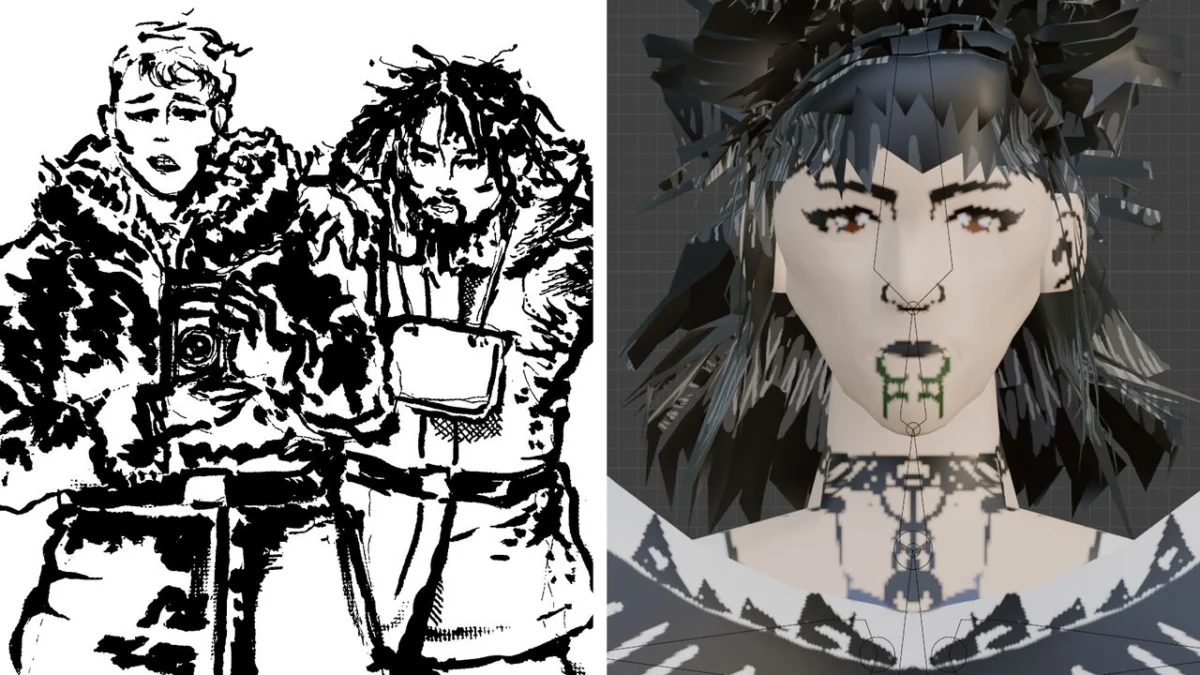
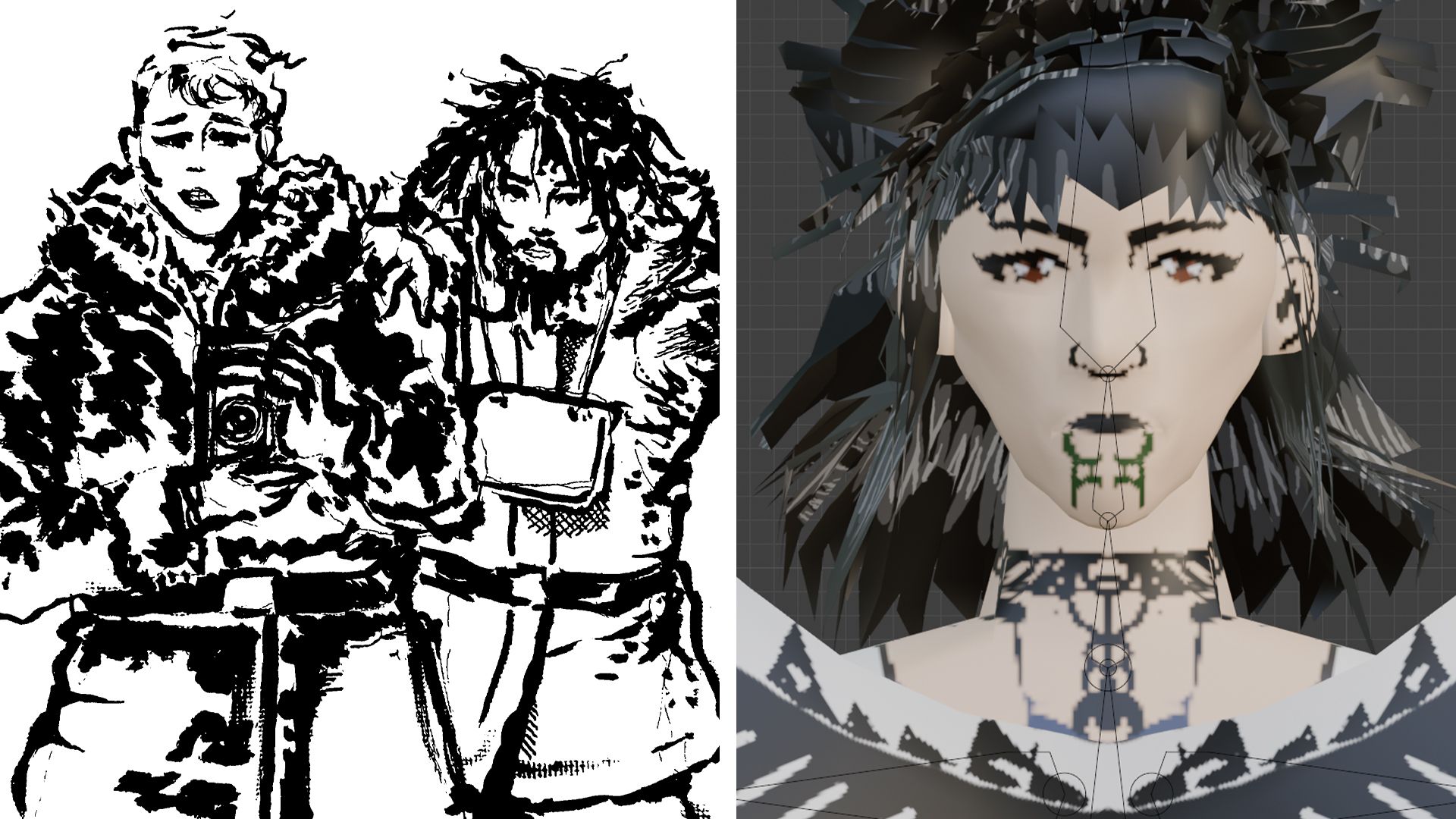
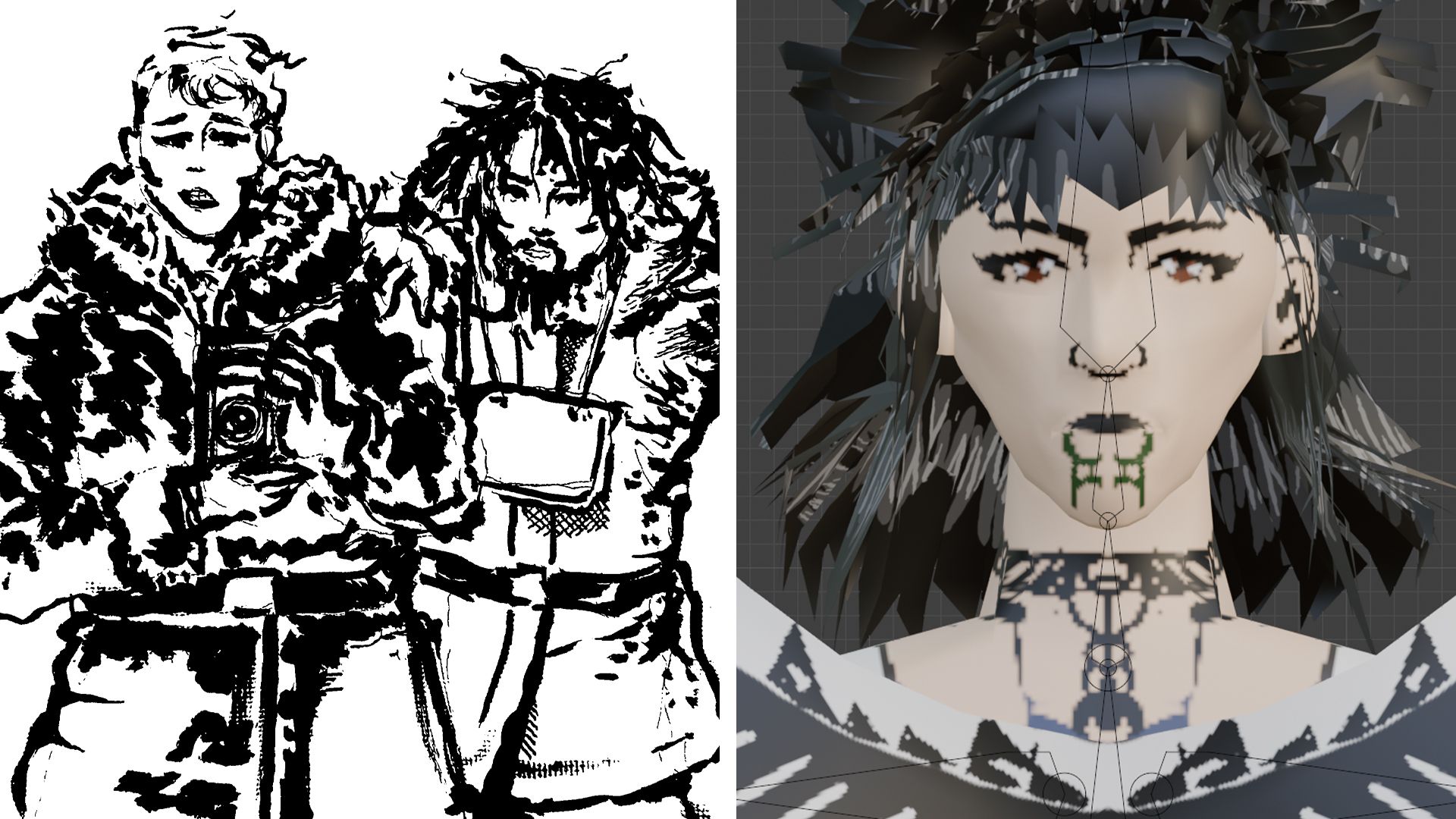
Aesthetically, Penguin Colony serves as a spiritual successor to the lo-fi 3D art movement that has gained significant traction in the indie scene over the last few years. While modern titles often chase photorealism, Origame Digital is doubling down on the charm and technical constraints of early 2000s hardware.
"It’s a souped-up PS2 game," Faulkner notes, describing the visual language of the project. "It’s kind of like if you were making a PS2 game and had the power of a PS3."
This stylistic choice does more than evoke nostalgia; it provides a unique texture to the world. The stark, low-poly geometry of the ice shelves, combined with the deliberate, almost mechanical gait of the penguin models, creates an uncanny atmosphere that mirrors the "unreal" nature of Lovecraftian fiction. It is a world that feels both grounded in a specific technological era and completely alien.
Mechanics: The Art of the Waddle
One of the primary critiques leveled against Umurangi Generation was its occasionally "janky" movement. In Penguin Colony, the developers have turned that concern into a core design pillar. Navigating the Antarctic as a penguin requires a nuanced approach to movement that feels distinct from the human-centric platforming found in most AAA titles.
Players do not control a single avian entity; instead, the game employs a swarm-like mechanic. You can switch between different species—from the common Adélie to the majestic Emperor penguin—each with specialized locomotion and environmental interactions.
"If this was a game where you were a human character, you would essentially just be walking through the snow with a gun," Faulkner says. "This game gives you the fantasy of playing as a penguin who can slide, hop, and swim. We wanted the water to feel like an alien world underneath."
The Emperor penguin, for example, prioritizes speed via belly-sliding, while the Rockhopper is built for the treacherous, steep cliffs of the Antarctic interior. By allowing players to "leap" between these species, the game creates a rhythmic flow of traversal that turns the barren landscape into a high-speed playground.
Chronology and Conflict: The 1939 Backdrop
The narrative of Penguin Colony is set in 1939—a deliberate choice that places the story a few years after Lovecraft’s death, yet deep within the geopolitical tensions of the era. The story involves two competing human factions converging on the Antarctic, both seeking a mysterious eldritch power.
The presence of the Nazis is not merely an inclusion for the sake of historical flavor; it is a thematic device. The game examines the historical tendency of these expeditions to engage in "myth-making"—the practice of rewriting history to suit an ideological agenda.
"The idea is this expedition believes that the thing that has been calling people to the Southern Hemisphere isn’t a Lovecraft abomination, but it’s an Aryan god," Faulkner explains. "The Nazis are sort of there to myth-make around that. We know from history and films like Indiana Jones that the relic-hunting missions they went on were purely propagandistic."
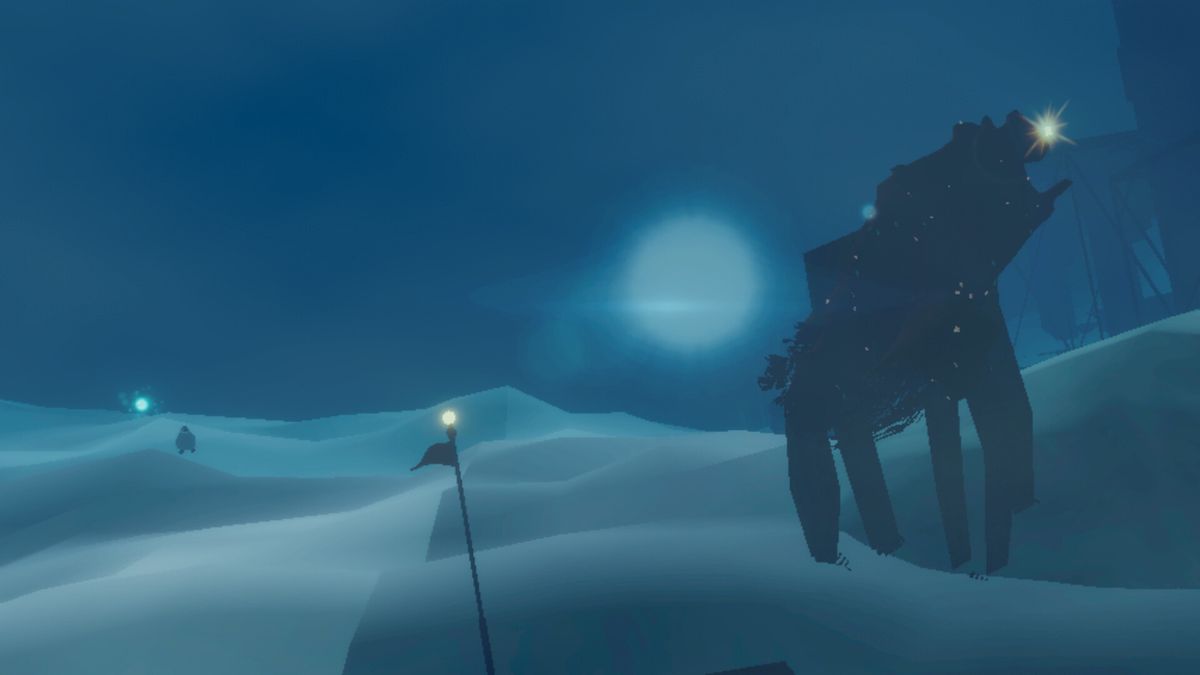
By juxtaposing these self-important human factions against the indifferent, survivalist perspective of the penguin colonies, the game highlights the absurdity of human obsession. The Nazis, searching for artifacts to validate their distorted worldview, are presented as archeologists who are completely out of their depth, blind to the true, terrifying scale of the ancient forces they are disturbing.
Supporting Data and Development Scope
While Penguin Colony does not match the sheer scale of Hideo Kojima’s Death Stranding, it utilizes a "linear open-world" structure that mimics the pacing of classic adventure games. Each level functions as a self-contained ecosystem.
The technical development has been lean. By focusing on environmental storytelling through ice formations and subtle atmospheric effects, the studio has kept the scope manageable. The assets for the penguins were meticulously researched, with models based on real-world biological data, ensuring that while the story is fantastical, the "protagonists" feel authentic to their real-world counterparts.
Implications for the Lovecraftian Genre
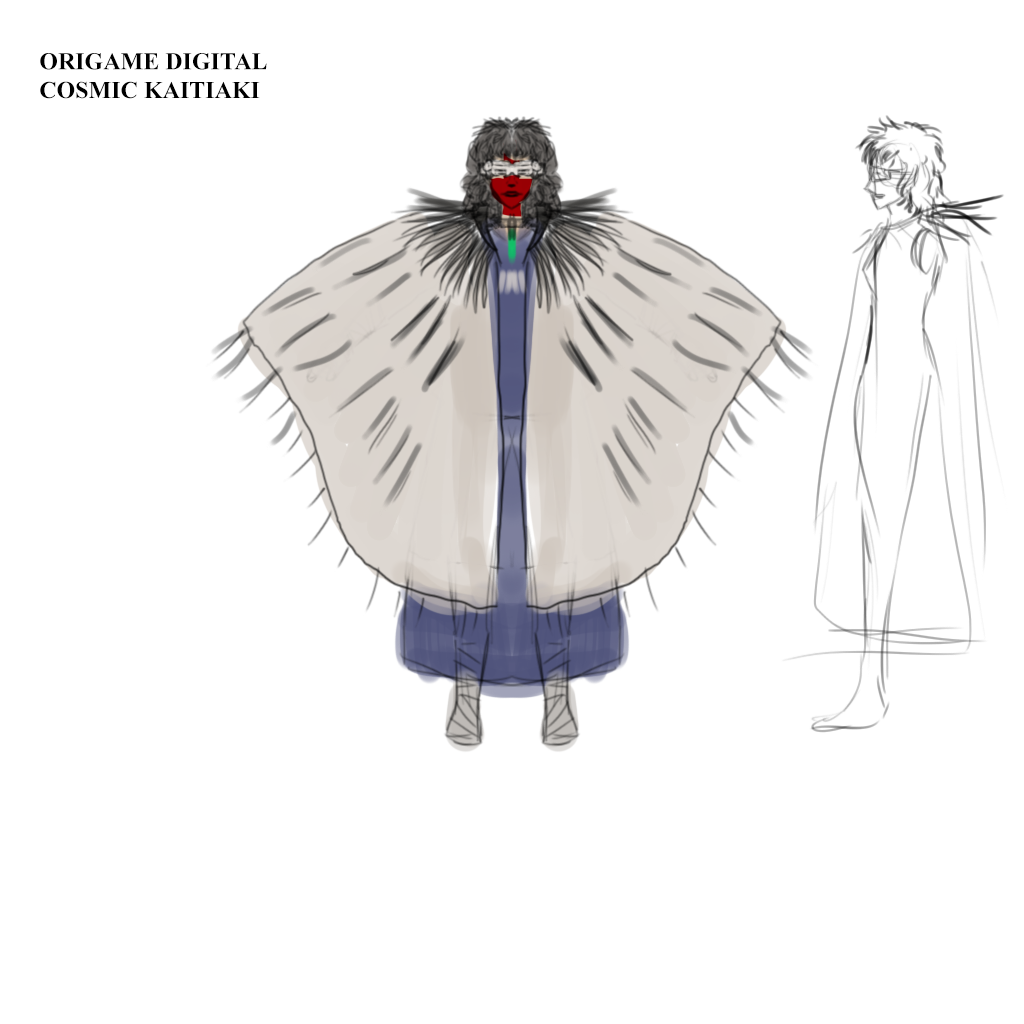
The decision to adapt Lovecraft while simultaneously addressing the author’s well-documented prejudices is a bold move. Lovecraft’s fiction is frequently criticized for its underlying xenophobia and racism. By centering the story on the indigenous fauna of the Antarctic and the Maori Kaitiaki, Origame Digital is effectively reclaiming the horror genre from the exclusionary roots of its founder.
This approach transforms the "cosmic horror" into something more nuanced. It is no longer just about the fear of the unknown; it is about the intersection of colonial arrogance and the ancient, immutable forces of nature. The humans in Penguin Colony are the interlopers—loud, destructive, and ultimately transient—while the penguins are the silent, enduring witnesses to a history that neither party truly understands.
Official Stance and Future Roadmap
Origame Digital has remained transparent about the game’s development, frequently engaging with the community via their presence at events like BitSummit. The game is slated for release on PC and the upcoming Nintendo Switch successor in 2026.
For those eager to experience the game’s unique blend of survival, exploration, and surrealist horror, a demo is currently available on Steam. This early build showcases the core mechanics and the haunting atmosphere, offering a glimpse into what may well be one of the most innovative indie titles of the next few years.
Conclusion: A New Perspective on the Abyss
Penguin Colony is a testament to the power of perspective. By removing the human element from the center of the narrative, Origame Digital has managed to revitalize a stagnant genre. The game does not just ask what it is like to be a penguin in the face of an eldritch god; it asks what remains of our human myths when the history books are stripped away and replaced by the cold, biting winds of the Antarctic.
In an industry often obsessed with bigger maps, higher fidelity, and safer narratives, Penguin Colony is a breath of frigid, refreshing air. It proves that with enough creativity, even a flightless bird can soar—or at least, slide across the ice into the heart of a cosmic mystery. As the 2026 release date approaches, players would do well to keep their eyes on the horizon, for the abyss is looking back, and it looks a lot like a penguin.