Raul Delapena Setiawan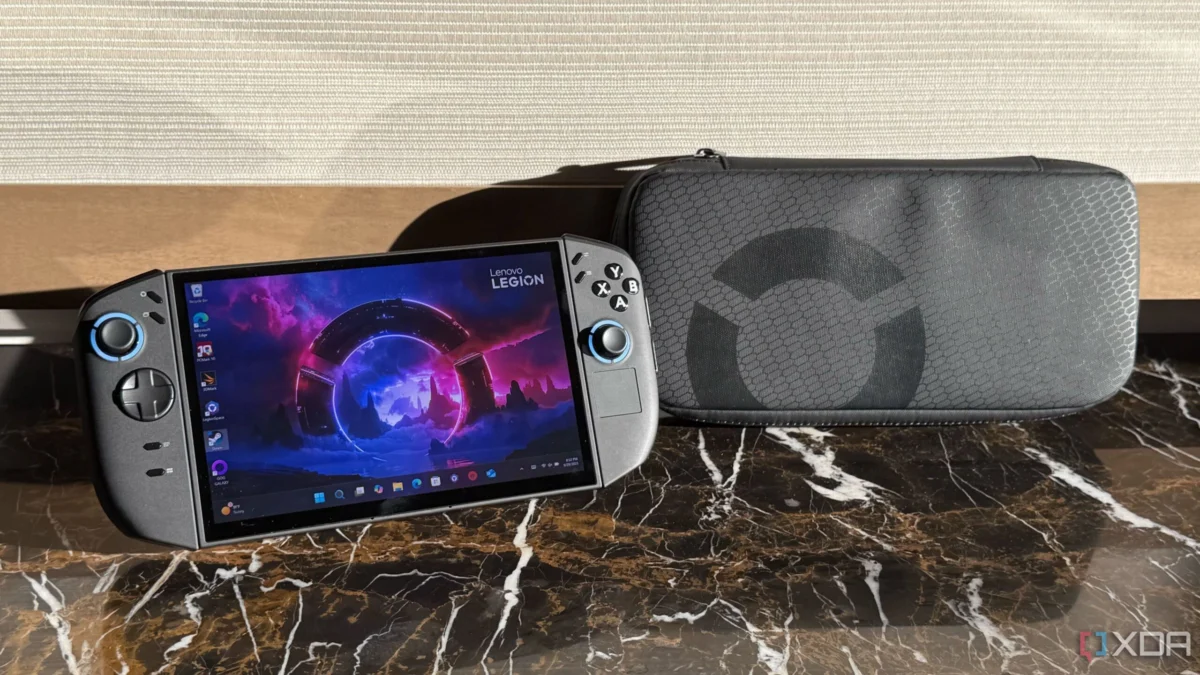
In the fast-paced world of mobile computing, hardware specifications often dominate the conversation. We are currently witnessing a "silicon arms race" in the handheld PC market, with heavyweights like the Lenovo Legion Go 2—armed with the formidable AMD Ryzen Z2 Extreme—pushing the boundaries of what portable devices can achieve. Yet, despite the arrival of increasingly powerful silicon and high-resolution displays, the Steam Deck, a device launched in 2022 with a custom APU that is now considered aging, remains the global standard.
The success of the Steam Deck is not an anomaly; it is a masterclass in product strategy, ecosystem integration, and value proposition. While competitors focus on raw throughput, Valve has successfully convinced the gaming world that the experience—not the specs—is the ultimate currency.
The Architecture of Dominance: Main Facts and Market Position
To understand why the Steam Deck continues to top sales charts, one must look at the landscape of the handheld market. When the Steam Deck debuted, it wasn’t just a piece of hardware; it was an entry point into a curated ecosystem.
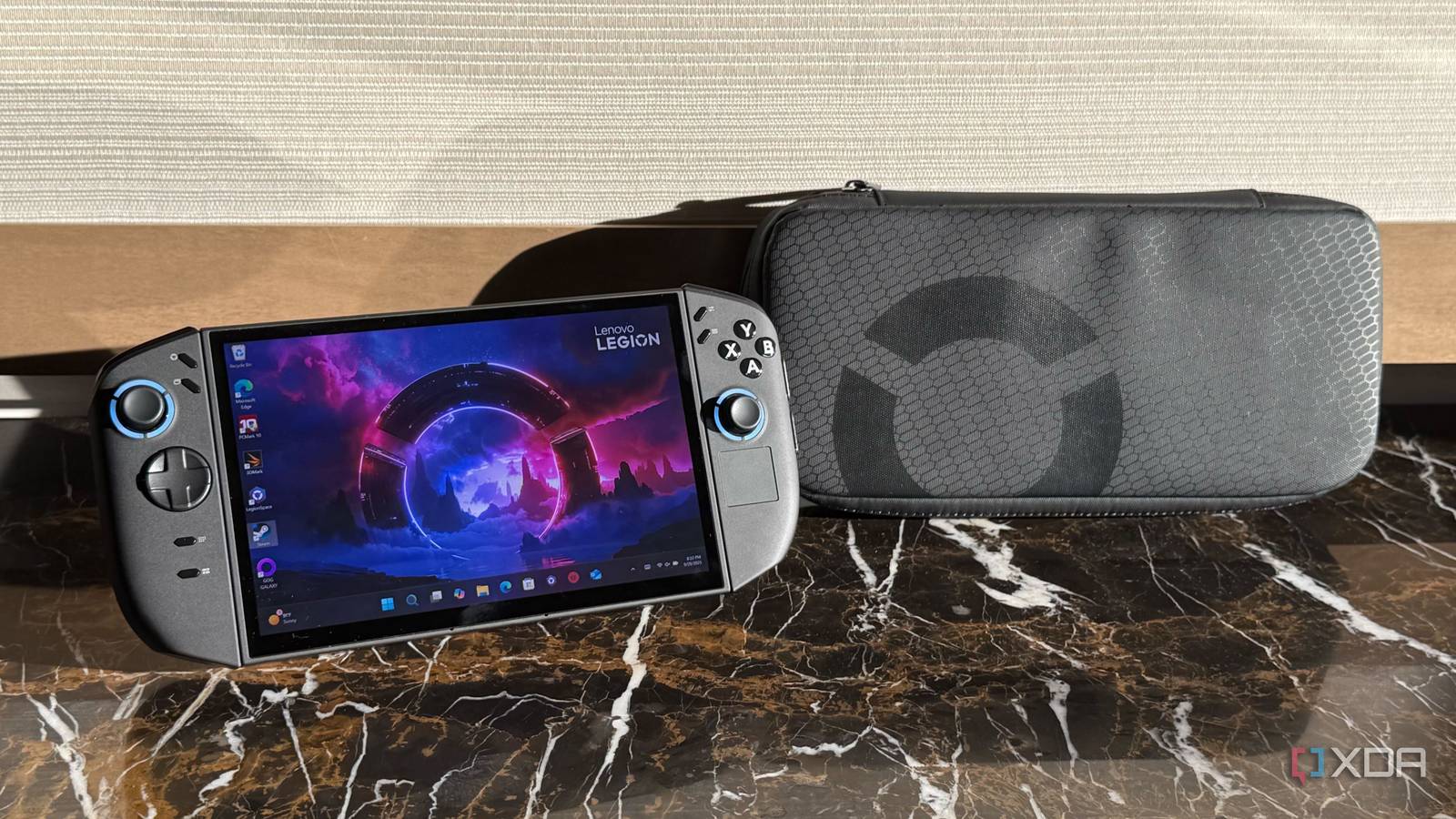
The primary fact remains: Steam Deck sales continue to hover at millions of units worldwide, creating a "critical mass" that developers simply cannot ignore. When a platform reaches an installed base of six million units, it shifts from being a niche enthusiast device to a primary gaming platform. This penetration forces developers to prioritize the Deck during the optimization phase of game development. If a game is not "Deck Verified," it risks missing out on a significant segment of the PC gaming population.
A Chronology of Success: From Launch to Standard-Bearer
The journey of the Steam Deck is a study in consistent iteration and strategic focus:
- February 2022: Valve officially launches the Steam Deck, introducing the world to SteamOS—a Linux-based, gaming-centric operating system.
- Late 2023: Valve releases the Steam Deck OLED, addressing the most significant critiques of the original model (screen quality and battery life) while maintaining the original performance profile. This cemented the device’s place in the market for years to come.
- 2024–2025: As competitors like Asus and Lenovo launched devices with more powerful chips, the industry anticipated a "Steam Deck Killer." Instead, the Deck’s sales remained robust, proving that consumer loyalty was tied to the software experience rather than peak clock speeds.
- Present Day: The Steam Deck has effectively set the performance floor for developers. It has become the "reference platform," similar to how the PlayStation or Xbox defines performance targets for console games.
The Software Advantage: Proton and SteamOS
The "secret sauce" of the Steam Deck is not found in the APU, but in the software layer. Valve’s development of Proton—a compatibility layer that allows Windows-based games to run on Linux—has been the single most important technical achievement in the handheld space.

While Windows-based handhelds struggle with the overhead of a desktop-class operating system that was never designed for a 7-inch touchscreen, Valve’s SteamOS is lean, efficient, and built for a singular purpose: gaming. This optimization means that even with an older chip, the Steam Deck delivers a level of stability and "console-like" ease of use that Windows devices still struggle to replicate.
The Deck Verified program acts as a final layer of quality assurance. By clearly labeling which games are optimized, Valve removes the friction of "will this work?" that plagues the broader PC gaming market. This psychological safety net is invaluable to the average consumer who wants to pick up a device and play, rather than spend hours tweaking drivers and resolution settings.
The Value Proposition: Why Pricing Matters
One of the most critical factors in the Steam Deck’s enduring success is its aggressive pricing. As we see handhelds creeping into the $1,000+ territory, they enter a dangerous competitive zone: the gaming laptop.

Once a handheld device exceeds the $800 price point, a consumer must ask themselves: "For this price, should I just buy a laptop that is significantly more powerful?" Valve has successfully anchored the Steam Deck at a price bracket—sub-$600—where it feels like an affordable luxury rather than a major capital investment. By keeping the price competitive, Valve has ensured that the Deck remains the most accessible entry point into high-end PC gaming, even when the underlying hardware is technically surpassed by newer, pricier entrants.
Implications for the Industry: Can Silicon Alone Win?
The recent launch of devices featuring the AMD Ryzen Z2 Extreme highlights the industry’s obsession with "more." More cores, more threads, more teraflops. However, the market is signaling that silicon alone is no longer enough to secure victory.
The "Hardware Ceiling"
The handheld market is currently facing a bottleneck. Increasing performance leads to two major issues: heat and power consumption. A device with a more powerful chip that lasts only 45 minutes on a single charge is objectively a worse handheld than a slightly less powerful device that lasts for two or three hours. Valve’s restraint in pushing for maximum clock speeds at the expense of battery life has proven to be the correct move for the form factor.
The Developer Incentive
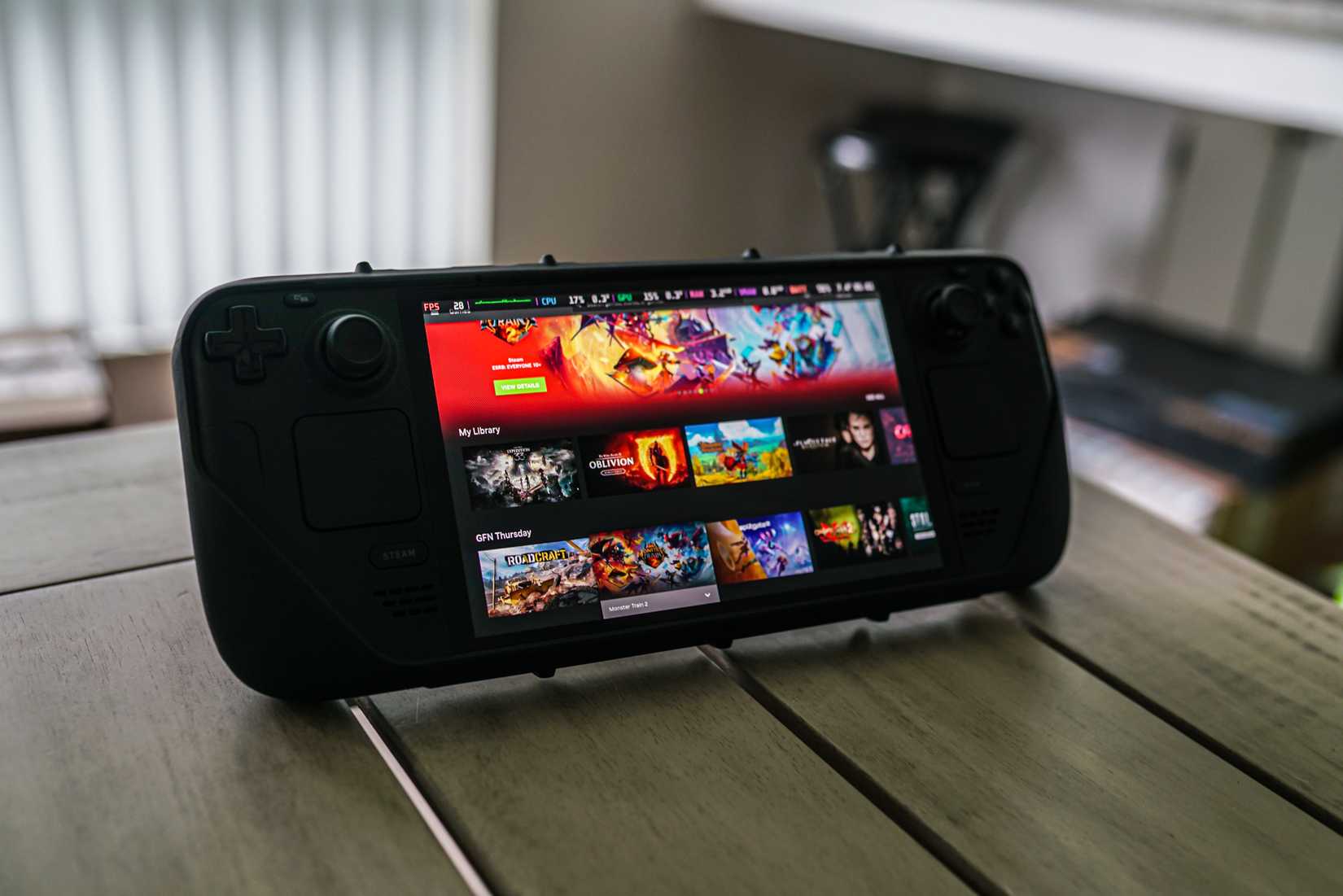
Developers are currently caught in a cycle of optimization. Because the Steam Deck is the industry standard, developers prioritize the Deck to ensure their titles are "Verified." This creates a virtuous cycle:
- Games run well on the Deck.
- More people buy the Deck.
- Developers prioritize the Deck.
- The ecosystem grows.
Competitors have yet to break this cycle because they lack a comparable software ecosystem. For a manufacturer like Lenovo or Asus to succeed, they would need to build an operating system as robust as SteamOS, a compatibility layer as effective as Proton, and a store-front as dominant as Steam—a task that is arguably more expensive than developing the hardware itself.
The Verdict: Experience Over Raw Numbers
As we look toward the future, the lessons provided by the Steam Deck are clear. Raw throughput only matters if the user is constantly reminded of what they are missing. On a Steam Deck, the user is rarely reminded of a "lack of performance" because the software is so expertly tuned to the hardware.
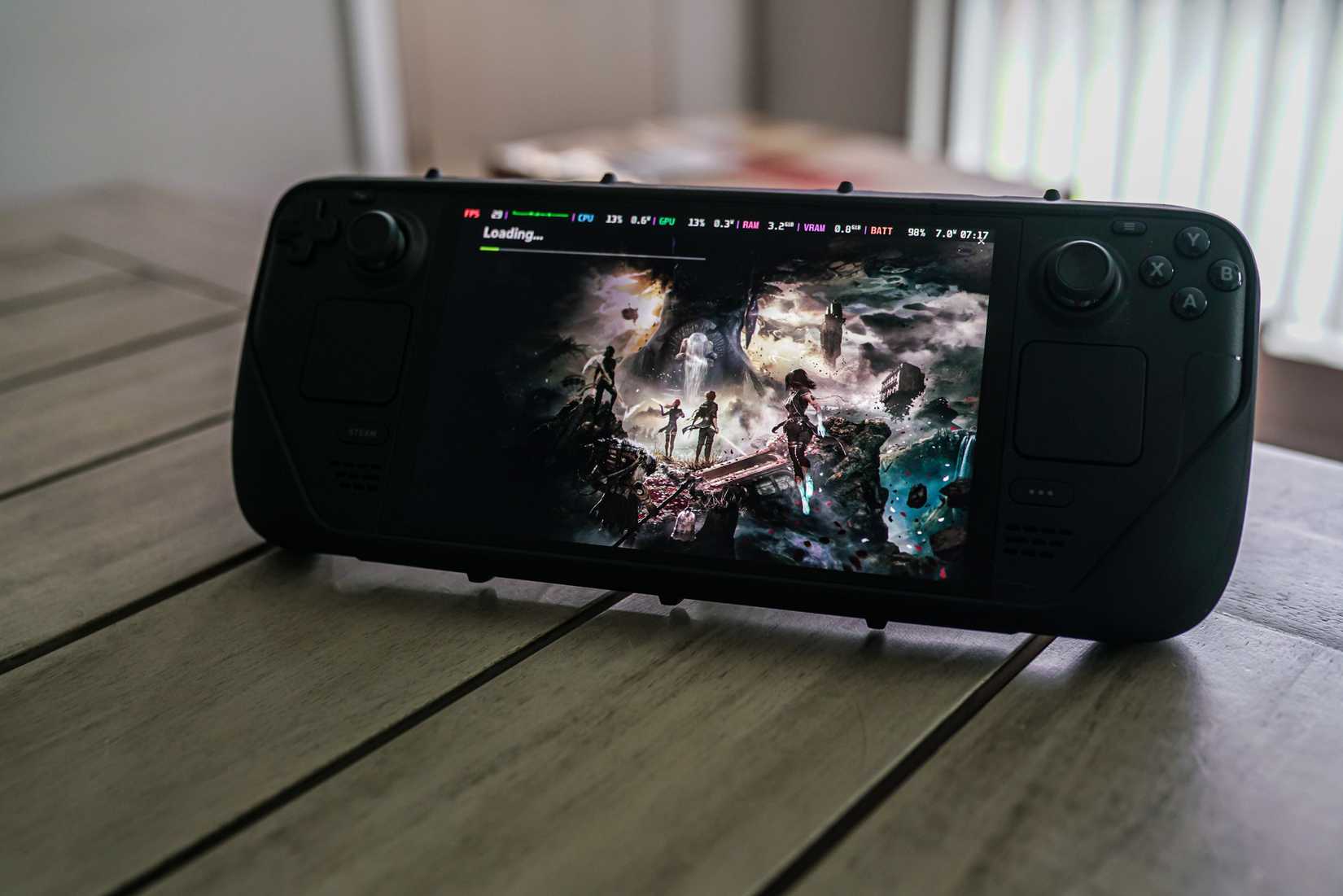
The handheld market has become a battleground, but it is not a battle of benchmarks. It is a battle of user experience. The Legion Go 2 and its successors are impressive engineering feats that will surely satisfy the "spec-sheet" enthusiast. However, the Steam Deck has achieved something far more difficult: it has become the standard by which all other handhelds are measured.
For the average gamer, the choice is simple. Do you want the most powerful device that requires constant tinkering, or do you want the device that simply works? As long as Valve continues to prioritize the ecosystem, the Steam Deck will likely hold its crown, regardless of how many teraflops its competitors manage to pack into their chassis. The future of handheld gaming isn’t just about faster chips; it’s about making the PC experience as seamless as the console experience, and right now, Valve is the only company that has truly mastered that art.


 Azzam Bilal Chamdy
 Layla Zulfa