

In the hyper-competitive digital landscape of 2026, the mantra "content is king" has evolved. Today, content is only as powerful as its timing. For social media marketers, influencers, and enterprise teams, the ability to maintain a consistent, high-quality presence across fragmented digital channels is no longer a luxury—it is an operational necessity. As social algorithms increasingly favor accounts that maintain steady, predictable posting cadences, social media scheduling tools have transitioned from "nice-to-have" utilities to mission-critical infrastructure.

The Evolution of Social Media Management
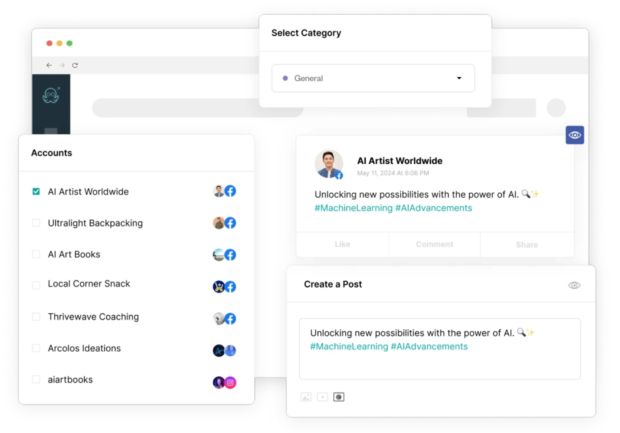
The shift toward automated scheduling began as a simple convenience, but it has matured into a sophisticated ecosystem. Modern scheduling platforms are no longer just "post-it" boards; they are command centers that integrate AI-driven content generation, cross-platform analytics, and complex team approval workflows.

By moving away from manual, real-time posting, organizations can reclaim thousands of hours annually. This shift allows marketing teams to focus on strategy, community engagement, and creative development rather than the logistical headache of hitting "publish" at 3:00 AM to reach a global audience.
The Strategic Value of Automation
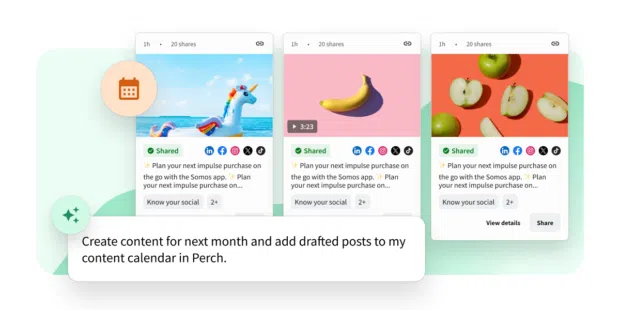
The primary value proposition of these tools is consistency. Social media algorithms, particularly those on TikTok, Instagram, and LinkedIn, reward accounts that publish high-quality content at regular intervals. Beyond consistency, these tools provide:
- Time Efficiency: The ability to batch-create and schedule a month’s worth of content in a single afternoon.
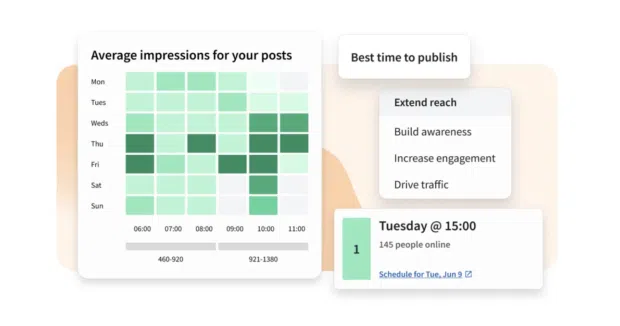
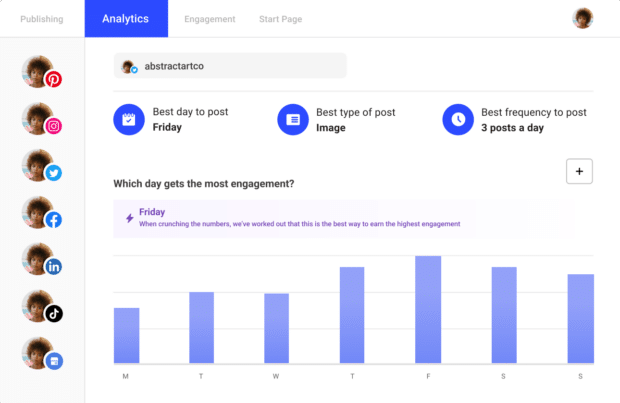
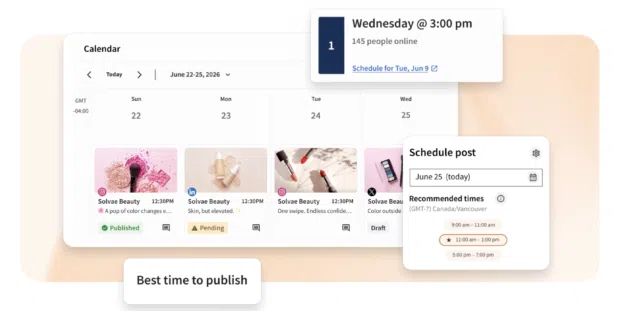
- Optimal Timing: AI-powered insights that analyze your specific audience’s activity to suggest the precise minute a post is most likely to gain traction.
- Unified Governance: For large enterprises, scheduling tools ensure brand voice compliance through multi-layered approval processes, preventing off-brand messaging before it ever goes live.
A Comparative Analysis of Top-Tier Scheduling Tools
As of 2026, the market for scheduling software has bifurcated into two camps: specialized, niche-focused tools and all-in-one enterprise suites. Below is a breakdown of the leading solutions available to marketers today.
1. Perch by Hootsuite: The Enterprise Gold Standard
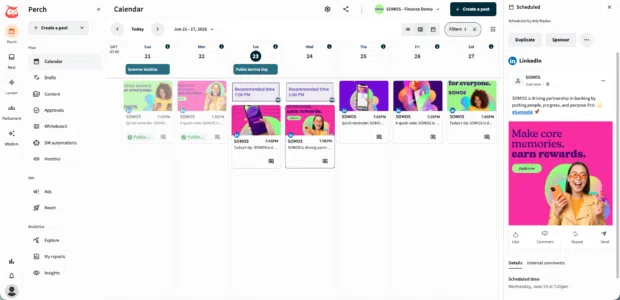
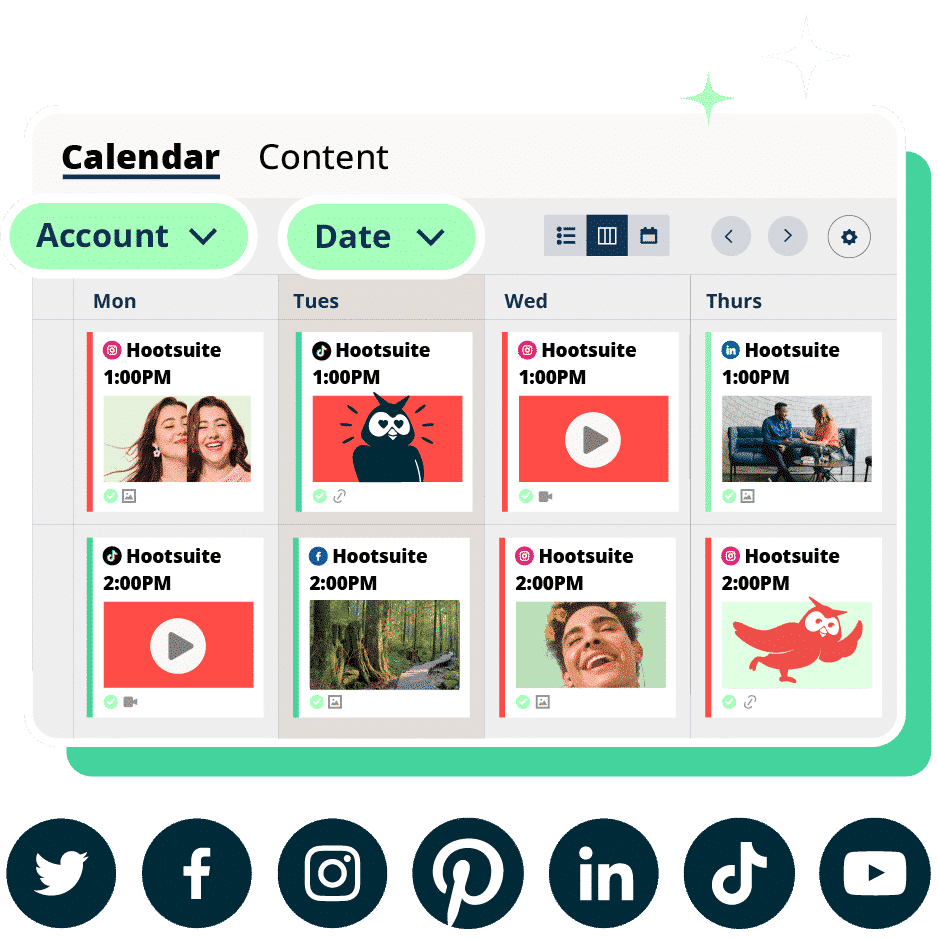
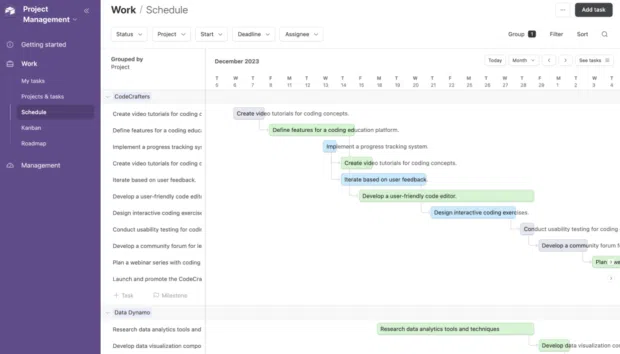
For large teams and organizations managing complex portfolios, Perch stands out as a comprehensive hub. It goes beyond simple scheduling by offering an end-to-end workflow—from AI-assisted brainstorming with "Wisdom" to detailed cross-channel analytics. Its visual drag-and-drop calendar allows teams to map out campaigns across eight major platforms, including Threads and YouTube, ensuring that the "big picture" strategy is always visible.
2. Later: The Visual Storyteller
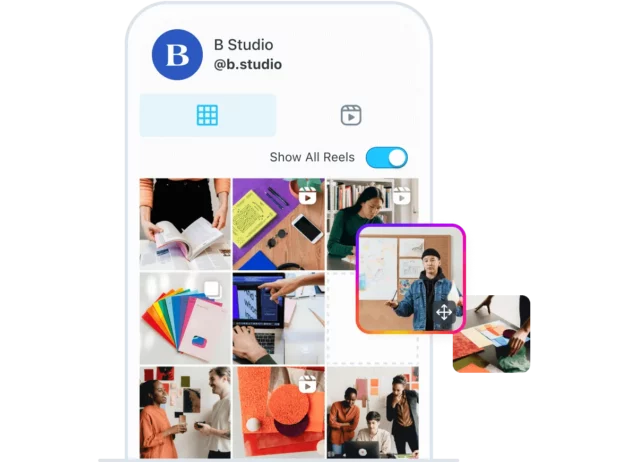
Later has cemented its status as the go-to platform for creators and brands that prioritize aesthetic cohesion. By focusing on the visual planning of the Instagram grid, Later allows users to curate a look and feel that aligns with their brand identity before a single post is published. It remains the top choice for design-forward teams.
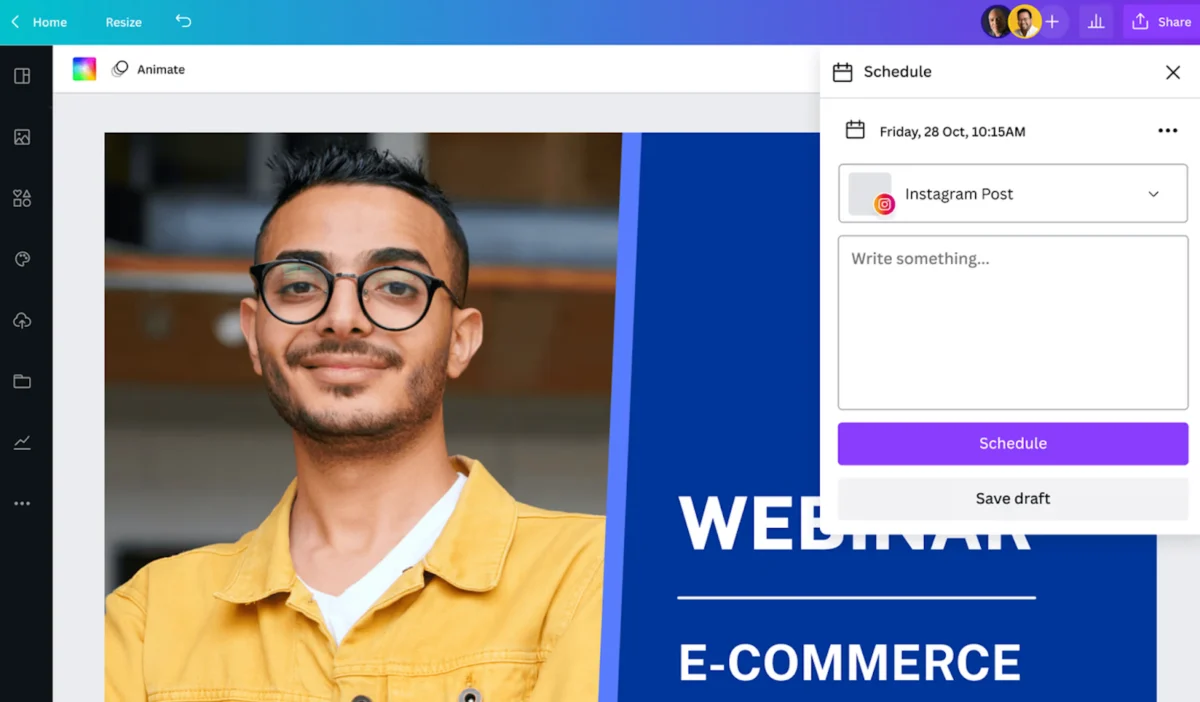
3. Canva: Designing and Scheduling in One Flow
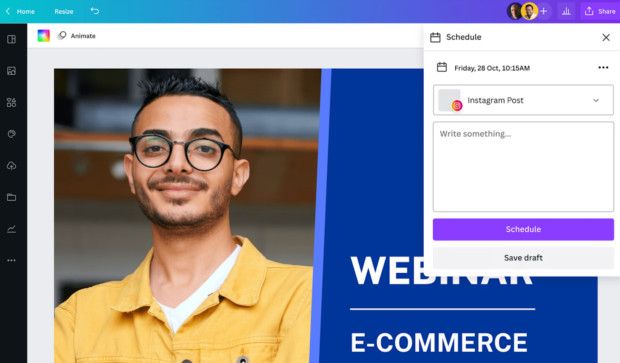
The "platform hopping" fatigue is real. Canva has addressed this by integrating a scheduler directly into its design interface. For teams that live in Canva, the ability to move from a finished graphic to a scheduled post without downloading, re-uploading, and switching tabs represents a significant boost in workflow velocity.
4. HubSpot: The CRM-Integrated Powerhouse
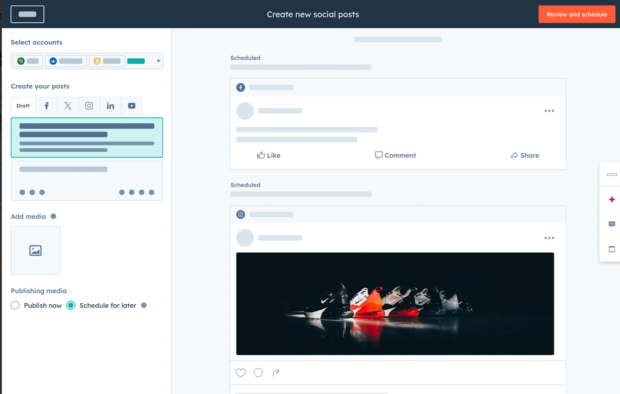
For marketers who view social media as a top-of-funnel lead generation tool, HubSpot is unmatched. By tying social activity directly to CRM data, marketing teams can track which specific social posts led to actual conversions, providing a clear line of sight into ROI.
5. Buffer: The Minimalist Choice
For solopreneurs and small business owners, simplicity is often the most valuable feature. Buffer’s interface is famously intuitive, requiring almost no onboarding time. It provides a clean, "no-frills" experience for those who want to schedule content without the clutter of enterprise-level analytics.
Supporting Data: The ROI of Scheduling
The implementation of a professional scheduling suite often results in a measurable lift in key performance indicators (KPIs). Data from 2025-2026 indicates that businesses utilizing third-party scheduling tools see, on average, a 22% increase in post engagement compared to those posting manually. This is attributed to two factors:
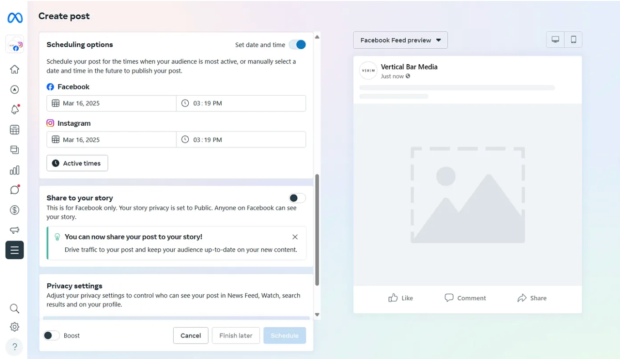
- Optimal Posting Times: Automated tools leverage historical data to post when the audience is most active, rather than when the creator happens to be free.
- Increased Frequency: Automated tools facilitate a higher volume of content, which correlates directly with broader reach and algorithm visibility.
The Mechanics: How Scheduling Tools Function
It is a common misconception that scheduling tools "post for you" through some mysterious backchannel. In reality, these tools function through official APIs (Application Programming Interfaces). Think of an API as a secure, digital handshake between the scheduling tool and the social network.

When you schedule a post, you are essentially sending a set of instructions to the social platform’s server. At the designated time, the server executes that instruction. This secure method ensures that your account remains compliant with the platform’s terms of service while providing you with the power to manage multiple accounts from a single dashboard.
Implications for Future Strategy
As we look toward the latter half of 2026, the role of AI in these tools is set to expand. We are already seeing "Wisdom" and other AI agents move beyond mere caption generation to include image editing, trend forecasting, and automated response management.
The Shift Toward "Evergreen" Recycling
Tools like MeetEdgar have popularized the concept of "evergreen recycling." By automatically re-sharing high-performing content at set intervals, brands can ensure their best work continues to drive traffic long after the initial publication date. This "set it and forget it" strategy is becoming increasingly popular for brands that want to maintain a presence without constant, daily content creation.
Choosing the Right Tool for Your Business
When selecting a tool, decision-makers must weigh three variables:
- Scalability: Will this tool grow with your team? If you are a team of two now, will you need approval workflows when you become a team of twenty?
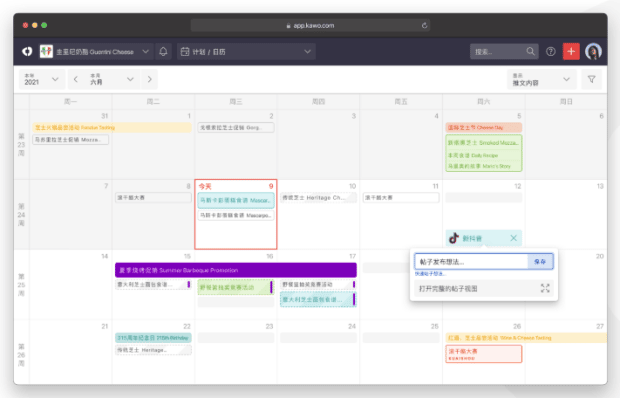
- Platform Breadth: Does the tool support the specific channels your audience frequents? (e.g., if your audience is in China, you need specialized tools like KAWO).
- Integration Depth: Does the tool connect with your existing tech stack (CRM, Shopify, Email Marketing)?
Conclusion: Investing in Time
Ultimately, the best scheduling tool is the one that removes friction from your creative process. Whether it is the robust, data-heavy environment of Perch by Hootsuite, the visual elegance of Later, or the CRM integration of HubSpot, the goal remains the same: to stop managing the process of social media and start managing the impact of your social media.
By automating the logistics, you buy back the time required to think creatively, engage deeply with your community, and pivot your strategy in response to the fast-moving trends of 2026. In the end, the most valuable commodity for any social media manager is not the content itself, but the time to make that content matter.










