Nila Kartika Wati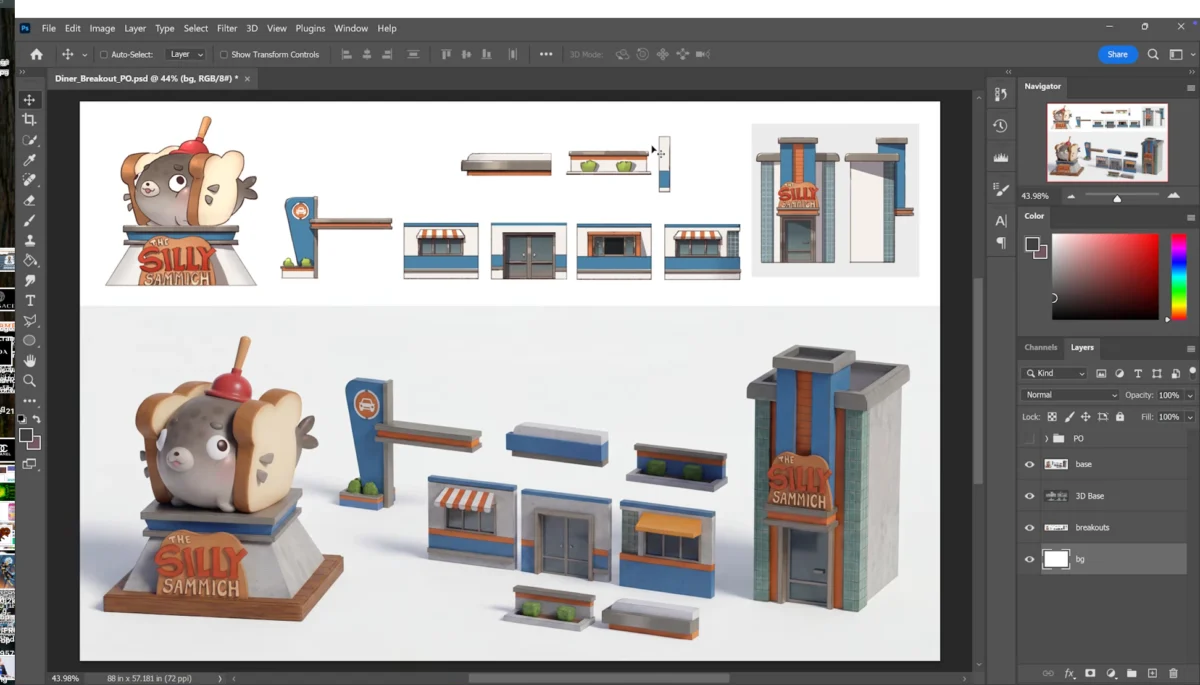
In the rapidly evolving landscape of digital art and game development, few topics are as polarizing as the integration of Generative AI. Recently, Epic Games found itself at the epicenter of this debate after releasing a video demonstrating how its artists utilize AI tools to accelerate the concept art workflow. While the company intended to showcase efficiency and modern technical integration, the reaction was swift and fierce, highlighting a profound, unresolved ethical schism within the professional creative industry.
The Catalyst: A Behind-the-Scenes Look at Modern Workflows
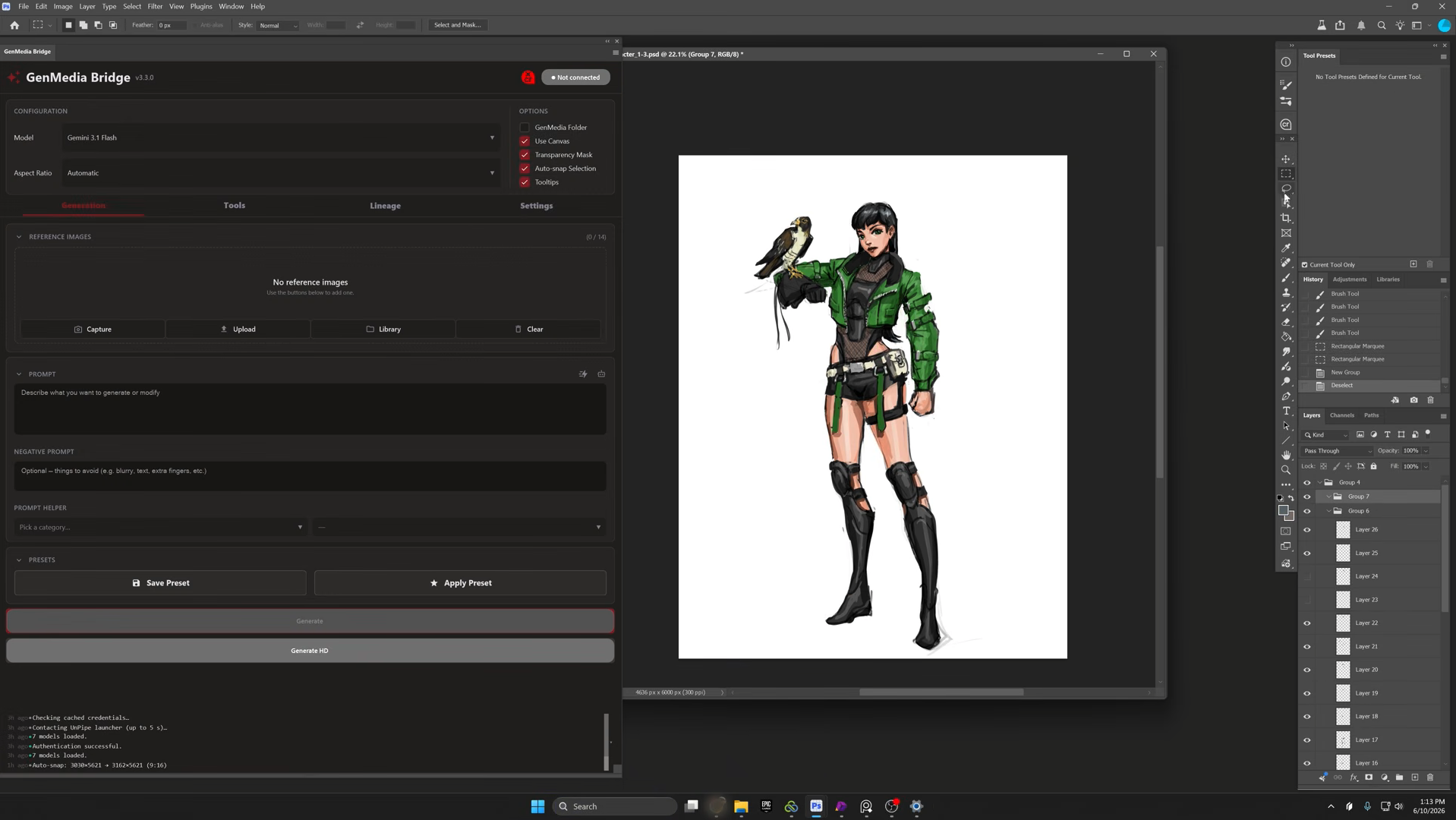
The controversy stems from a promotional video released by Epic Games, designed to provide a glimpse into the internal processes used by their concept artists. The video meticulously tracks the creation of assets from initial, human-penned sketches to final, polished renders. Throughout the demonstration, artists utilized specialized software, including Adobe Photoshop’s generative features and Unreal Engine’s "Nano Banana" toolset.
The artists featured in the video were careful to emphasize that the AI is not a replacement for human intent. They characterized the technology as a "starting point" rather than a final solution, highlighting instances where the AI produced color errors, missing anatomical details, or structural inconsistencies. By framing these tools as a means to iterate faster, Epic aimed to present AI as a sophisticated assistant. However, for a community already reeling from economic instability and the existential threat posed by generative models, the message was perceived not as a display of progress, but as an affront to traditional craft.
A Chronology of Escalation
The integration of AI into professional creative pipelines has been a slow-burn process, but the tension has reached a boiling point over the past year.
- Early Adoption (2022–2023): As generative models like Midjourney and Stable Diffusion moved from novelty to utility, major studios began experimenting with these tools for prototyping and mood boarding.
- The Layoff Context (Late 2023): Epic Games, the developer behind the ubiquitous Unreal Engine and Fortnite, announced significant staff reductions, laying off approximately 830 employees. This created a backdrop of deep resentment. When the company began publicly touting AI integration shortly after, many saw it as a "slap in the face" to the talent that had been let go.
- The Recent Backlash (Present Day): The release of the workflow video acted as a lightning rod. Social media platforms, particularly X (formerly Twitter) and professional art forums, were flooded with criticism. The debate quickly transcended the video itself, evolving into a broader critique of corporate ethics, the theft of creative labor through model training, and the perceived devaluation of human expertise.
The Ethical Divide: Arguments for and Against
The discourse surrounding Epic’s video is multifaceted, revealing a distinct gap between industry pragmatists and traditionalists.
The Case for "The New Toolset"
Supporters of the approach taken by Epic argue that technology has always disrupted the creative process. From the introduction of the digital tablet to the transition from physical film to digital photography, "cheat codes" have often become industry standards. Proponents suggest that using AI to handle the tedious aspects of iteration allows artists to focus on high-level conceptualization. By leveraging AI to turn a rough sketch into a 3D-style render, artists can visualize ideas in minutes rather than hours, theoretically raising the quality of the final product by allowing for more rounds of refinement.
The Case Against "Algorithmic Theft"
Critics, however, argue that the fundamental architecture of generative AI is built on the unauthorized use of human-made art. The sentiment that AI models are "trained on the theft of creative labor" remains the primary objection. For many artists, every output generated by an AI is a derivative of countless hours of uncredited human labor. Furthermore, the argument is made that "speed" should not be the primary metric of success in art. When studios prioritize the ability to churn out endless iterations, the human element—the subtle choices, the emotional resonance, and the intentionality—risks being stripped away, leading to a homogenised aesthetic often described as "AI slop."
Industry Implications: Quality vs. Abundance
One of the most concerning aspects of this transition for many observers is the potential for a "race to the bottom" regarding quality. As the barrier to entry for producing high-fidelity concept art lowers, the market may become saturated with content.
If a studio can generate a thousand variations of a character concept in the time it once took to draw one, the risk is not just the loss of jobs, but the loss of focus. When art becomes a commodity produced in bulk, the specific, nuanced craft that defines legendary game design could be buried under a sea of procedurally generated filler. This poses a long-term question for the gaming industry: Is the goal to create meaningful, enduring experiences, or to maximize the velocity of content production at any cost?
Official Responses and Transparency
Epic Games has maintained a stance of "positive transparency." By choosing to show how these tools work, they believe they are de-mystifying the process and encouraging an open dialogue. The company has avoided adopting a defensive posture, instead continuing to push the narrative that AI is a tool like any other, subject to the skill and oversight of the human operator.
However, critics argue that "transparency" is a convenient shield. Being open about using AI does not address the ethical concerns regarding the datasets used to train these models, nor does it provide a solution for the artists who feel their careers are being rendered obsolete by the very technology they are expected to adopt.
Looking Ahead: The Future of the Creative Pipeline
The reaction to Epic’s video is a clear signal that the creative industry is not yet ready to embrace AI as a standard partner in the creative workflow. The divide is not merely technical; it is ideological.
For studios, the challenge will be to find a balance that respects the sanctity of human craft while remaining competitive in an increasingly automated world. For artists, the challenge is to define where the line is drawn. If an artist uses an AI to generate a texture, is that the same as using an AI to generate a character design? The industry is currently struggling to define these boundaries in real-time.
As we move forward, it is clear that the "AI revolution" in gaming will not be a seamless transition. It will be a battle—a fight for the soul of digital creativity. Whether the industry moves toward a hybrid model that centers human artists or succumbs to the pressures of mass-produced, algorithmic output remains to be seen. What is certain, however, is that the human element of art is currently fighting to maintain its relevance in an era where the machine is increasingly capable of mimicry.
The industry’s giants, like Epic, hold significant power in determining the path forward. If they continue to prioritize efficiency, they may find themselves further alienated from the very community of creators that made their platforms, such as the Unreal Engine, the gold standard for the industry. The conversation is far from over, and the outcome will likely define the aesthetic and ethical character of gaming for decades to come.

 Dwi Wanna
 Asep Darmawan