

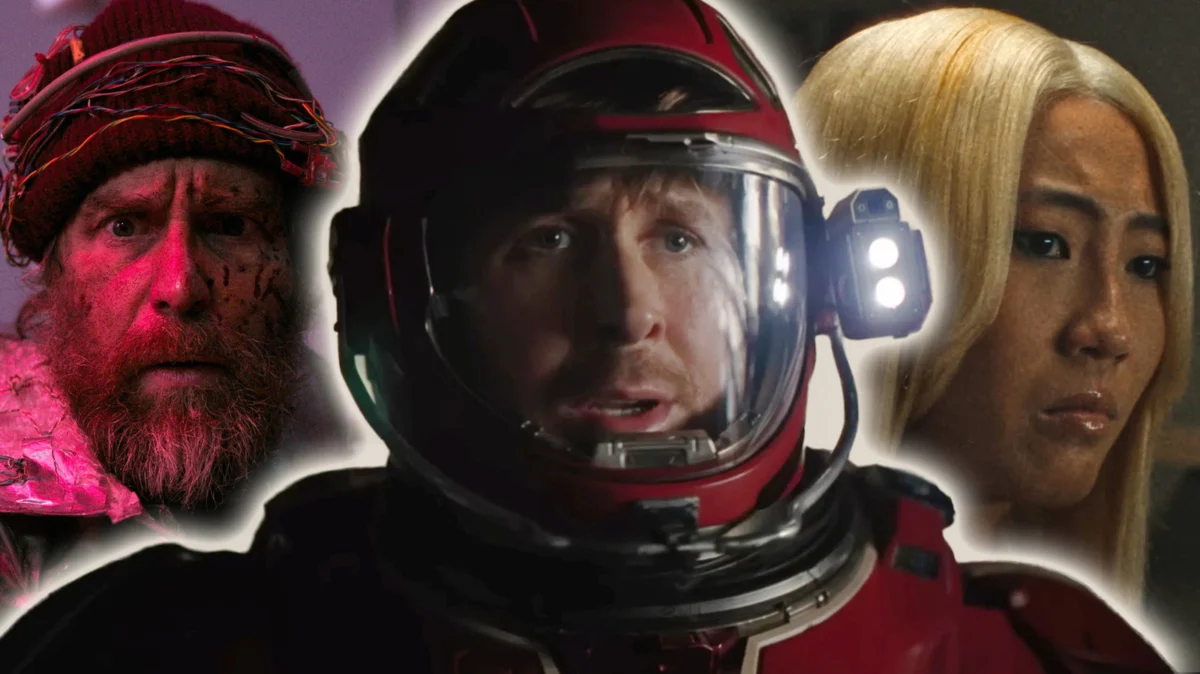
The landscape of science fiction in 2026 has proven to be as expansive and unpredictable as the genre itself. While audiences continue to clamor for the high-octane spectacle of space exploration, this year has seen a profound shift toward the cerebral. Filmmakers are increasingly using the "what if" scenarios of speculative fiction to hold a mirror up to our most pressing societal anxieties: the ethical quagmires of artificial intelligence, the fragility of our environment, and the persistent, haunting nature of human grief.
While blockbusters like Project Hail Mary have dominated the cultural conversation, 2026 has offered a diverse array of narratives that prove the genre is currently in a state of intellectual renaissance. From low-budget, high-concept indie thrillers to bold, visionary studio projects, the following six films represent the gold standard of science fiction in the year to date.
The 2026 Sci-Fi Landscape: A Chronological Overview
The first half of 2026 has been marked by a return to "big swing" storytelling. Early in the year, audiences were greeted by the return of Gore Verbinski with the chaotic, genre-bending Good Luck, Have Fun, Don’t Die. This set a tone for a year that favored experimentation over franchise reliance.
As the spring months rolled in, Pixar’s Hoppers provided a necessary pivot toward family-friendly social commentary, using the medium of animation to explore complex themes of empathy and environmental activism. By mid-year, the focus shifted to the visceral and the psychological with Markiplier’s Iron Lung, proving that YouTube-native creators could deliver high-tension, professional-grade genre cinema.
Currently, as we move into the latter half of the year, we are seeing the maturation of the "multiverse" concept—moving away from superhero fatigue and toward intimate, character-driven dramas like Redux Redux and social parables like Slanted.
Top 6 Sci-Fi Films of 2026
1. Good Luck, Have Fun, Don’t Die
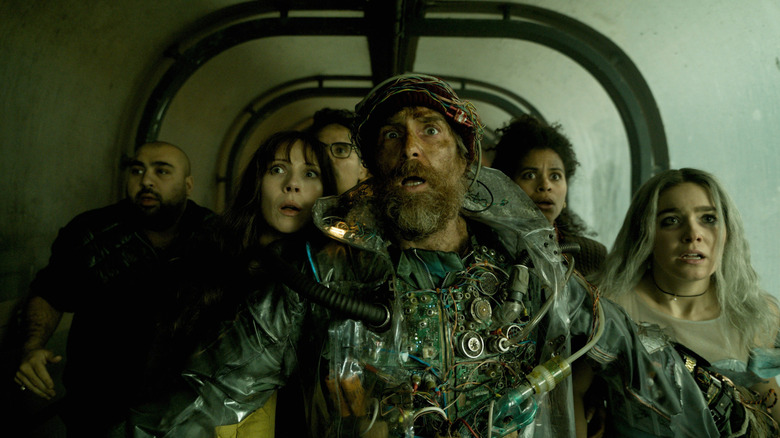
Director Gore Verbinski, absent from the director’s chair for nearly a decade, returned with a vengeance. Good Luck, Have Fun, Don’t Die is an audacious, maximalist exploration of our current existential dread. The film functions as a collage of modern anxieties, weaving together threads of time travel, the rapid erosion of privacy, and the creeping threat of AI-driven creative obsolescence.
Sam Rockwell leads a stellar ensemble cast, providing the grounded anchor required to navigate Verbinski’s labyrinthine narrative. By securing independent funding through Briarcliff Entertainment after major studios expressed hesitation, the production team maintained total creative freedom. The result is a film that feels dangerous, unhinged, and deeply relevant—the most daring sci-fi release of the year.
2. Hoppers
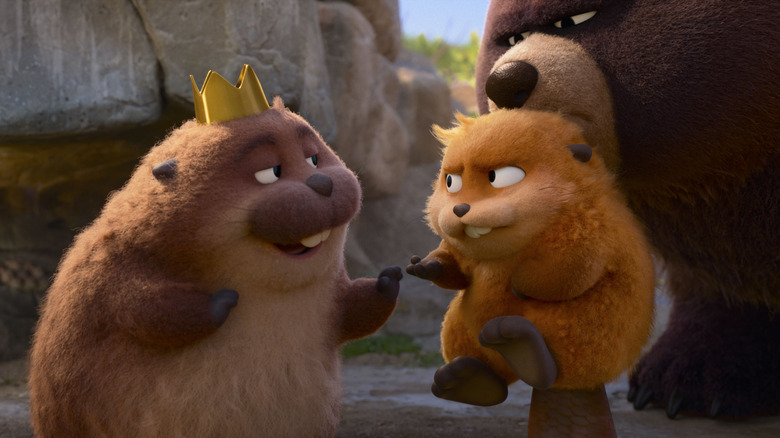
Pixar has long been the gold standard for "hidden-depth" animation, and Hoppers continues that tradition. Directed by Daniel Chong, the film utilizes a high-concept premise—the ability to transfer human consciousness into animal-robot hybrids—to explore the concept of radical empathy.
Unlike the Avatar films, which utilize similar technology for spectacle, Hoppers uses it as a metaphor for the limitations of human perspective. It asks a difficult question: Can we ever truly understand another’s suffering if we haven’t walked in their shoes (or paws)? The film’s nuanced take on "performative activism" versus genuine allyship has sparked significant debate, marking it as one of the most intellectually rigorous animated features in recent memory.
3. Iron Lung
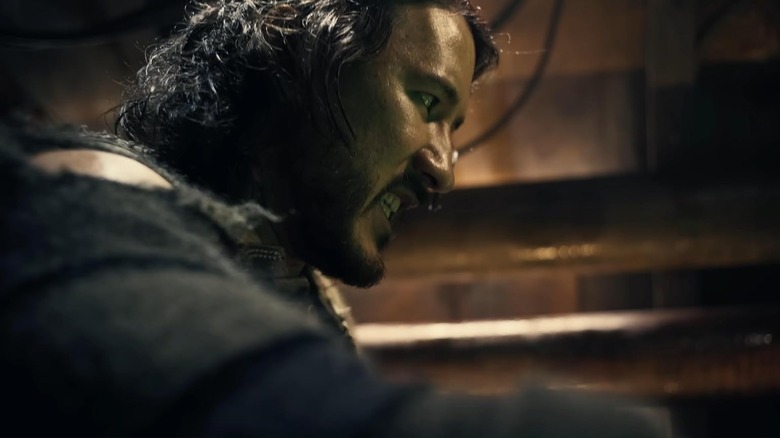
In a masterclass of restraint, Markiplier’s Iron Lung proves that terror is often most effective when it is claustrophobic. Based on the cult-classic video game by David Szymanski, the film eschews the "jumpscare" mechanics common in modern horror in favor of a slow-burn, atmospheric dread.
The production is a testament to the power of environmental storytelling. Trapped within a rusted, failing submarine, the protagonist (played by the director himself) must navigate a Lovecraftian oceanic abyss. By focusing on the mechanical failure of the vessel and the psychological breakdown of the pilot, the film taps into a primal fear of the unknown. It is a bleak, uncompromising vision that rewards viewers who appreciate the "survival-at-all-costs" philosophy of deep-sea sci-fi.
4. Project Hail Mary
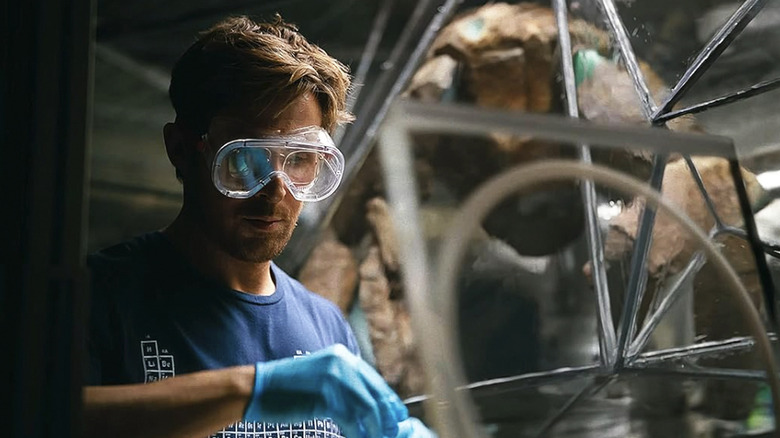
The heavyweight champion of 2026, Project Hail Mary, is a triumph of adaptation. Directors Phil Lord and Chris Miller successfully translated Andy Weir’s dense, scientifically rigorous novel into a film that is as emotionally resonant as it is intellectually stimulating.
Ryan Gosling’s performance as Dr. Ryland Grace is a masterclass in range, balancing the technical brilliance of a scientist with the relatable vulnerability of a man lost in space. However, the film’s true innovation lies in the character of Rocky. Through the puppetry and voice work of James Ortiz, the alien companion is transformed from a static character into a buoyant, lovable, and essential presence. It is a rare film that satisfies both the "hard sci-fi" enthusiasts and the general blockbuster-seeking audience.
5. Redux Redux
The multiverse is a well-worn trope, but the McManus brothers breathe new life into it with Redux Redux. This is a "lo-fi" approach to the genre; there are no collapsing dimensions or multiversal armies here. Instead, we have a woman using a machine to jump between nearly identical realities, all to find one where her daughter survives a murder.
The film serves as a poignant dissection of grief and the corrosive nature of vengeance. By keeping the stakes intimate, the directors highlight the emotional cost of Irene’s (Michaela McManus) obsession. It is a quiet, devastating study of a character who chooses to live in a loop of trauma rather than move forward.
6. Slanted
Writer-director Amy Wang’s Slanted is perhaps the most misunderstood film of 2026. Marketed as a body-horror flick, it is actually a sharp, biting social satire. The film explores a future where a medical procedure allows for racial reassignment, using the premise to interrogate the standards of beauty and the fluidity of identity.
Shirley Chen and Mckenna Grace deliver parallel performances that are both unsettling and deeply human. By treating the transformation as a mundane, voluntary procedure with heavy societal consequences, Wang avoids the tropes of "magic" sci-fi. It is a film that demands to be watched closely, as its brilliance lies in the details of its world-building and the courage of its social critique.
Implications: The Future of the Genre
The films of 2026 indicate a departure from the "franchise-first" mentality that has plagued the last decade of science fiction. Instead, we are seeing a trend toward:
- Auterism in Sci-Fi: From Verbinski’s return to Markiplier’s directorial debut, individual voices are once again driving the genre.
- The Rejection of "Magic" Technology: Whether in Hoppers or Slanted, the technology in these films is treated with a grounded, often inconvenient, set of rules. This realism forces the characters—and the audience—to confront the moral implications of their tools.
- Intimacy over Scale: With the exception of Project Hail Mary, the best films of the year are remarkably small in scope. They prioritize the internal world of the character over the destruction of the external world.
Conclusion
As we look toward the remainder of 2026, these six films provide a roadmap for where the genre is headed. They suggest that the most compelling science fiction of our time will not be found in the far reaches of a galaxy, but in the challenging, messy, and deeply human questions we ask about our own existence.
Whether it is the quiet, painful searching of Redux Redux or the high-stakes heroics of Project Hail Mary, 2026 has already solidified itself as a banner year for speculative storytelling. For the audience, the message is clear: the best sci-fi doesn’t just show us what the future might look like—it forces us to grapple with who we are today.











No comments yet. Be the first to join the conversation!