Asep Darmawan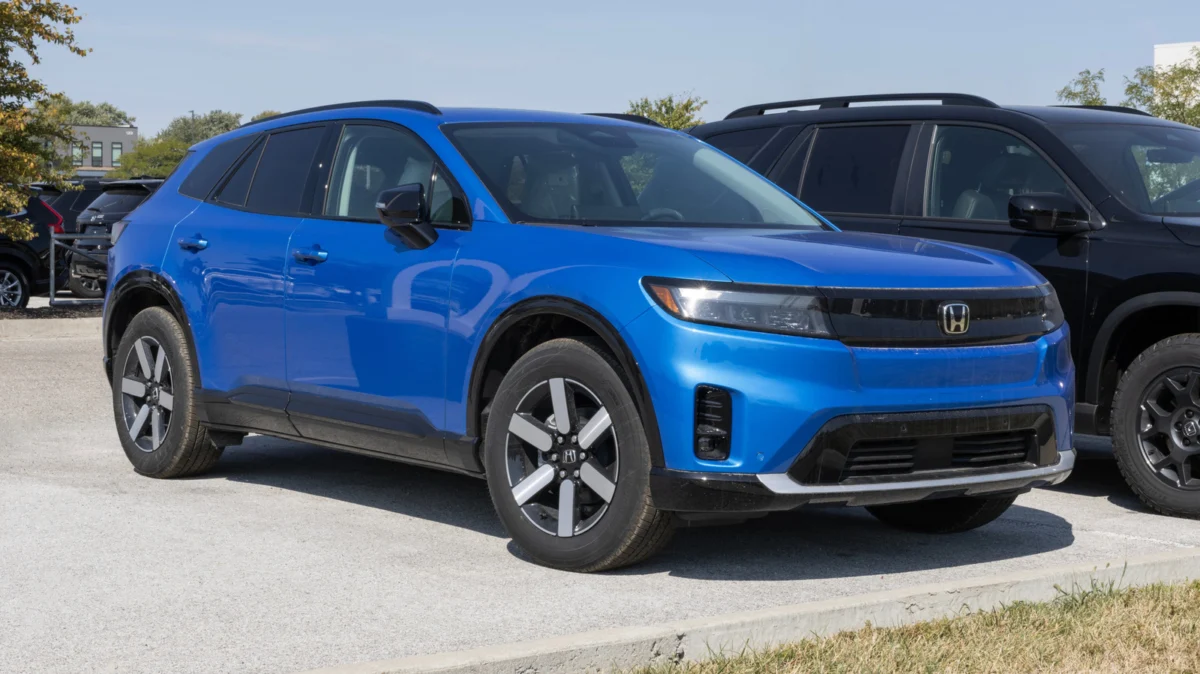
For nearly seven decades, Honda Motor Co. has stood as a titan of the automotive world. Since its inception in 1948 and its subsequent debut as a publicly traded entity in 1957, the Japanese automaker has maintained a reputation for reliability, engineering prowess, and financial consistency. However, the fiscal year ending March 31, 2026, will be etched into the company’s history as a sobering turning point. For the first time since going public, Honda has posted an annual net loss, a staggering $2.7 billion shortfall that has sent shockwaves through the global automotive industry.
At the heart of this financial crisis is a strategic miscalculation regarding the transition to electric vehicles (EVs). As the automotive world grapples with shifting consumer sentiment, regulatory volatility, and technological hurdles, Honda’s experience serves as a cautionary tale of the risks inherent in the race to electrification.
The Scale of the Deficit: By the Numbers
The figures released by Honda’s board on May 14, 2026, paint a grim picture. In addition to the $2.7 billion net loss, the company reported a nearly $10 million hit to its core earnings. To put this in perspective, Honda has navigated oil crises, global recessions, and supply chain disruptions over the last 69 years without ever finishing a fiscal year in the red.
This financial bleeding is largely attributed to "writedowns"—accounting actions taken when the value of an asset is lower than its carrying amount on the balance sheet. Honda invested billions into research, development, and infrastructure for an all-electric future that, as of mid-2026, appears increasingly disconnected from market realities. When the projected revenue from these EV initiatives failed to materialize, the company was forced to reconcile those investments against actual sales, resulting in the historic deficit.
A Chronology of the EV Pivot
To understand how a global powerhouse like Honda arrived at this juncture, one must look at the timeline of its aggressive electrification push and the subsequent market headwinds.
2020–2023: The Optimistic Acceleration
During this period, global automakers, including Honda, were under immense pressure to commit to "net-zero" timelines. Following the lead of European competitors and the aggressive growth of Tesla, Honda announced its goal to phase out gasoline-powered internal combustion engines entirely by 2040. The roadmap was ambitious: heavy investment in battery technology, new manufacturing platforms, and a rollout of several EV models.
2024: The Cracks Appear
By mid-2024, the initial "early adopter" surge in EV sales began to plateau. Infrastructure concerns, particularly in the United States, began to weigh on consumer confidence. Honda’s attempts to capture market share were hampered by supply chain bottlenecks and, ultimately, a cooling in consumer enthusiasm for the premium pricing associated with new EV platforms.
2025: Regulatory and Tax Shifts
The landscape shifted dramatically in 2025. The repeal of the $7,500 federal tax credit in the United States proved to be a critical blow to the EV market. Without the subsidy, the price gap between electric vehicles and traditional gasoline or hybrid vehicles became difficult for the average consumer to ignore, especially in an era of fluctuating household budgets.
2026: The "Year of Reckoning"
In February 2026, the Trump administration enacted a rollback of strict fuel and emissions regulations. By removing the legislative "stick" that forced automakers to prioritize EVs, the government effectively opened the door for manufacturers to pivot back toward internal combustion and hybrid technologies. By March 31, 2026, the fiscal year ended, and Honda’s books confirmed that the aggressive investment in an all-electric lineup had failed to generate the necessary return on investment, leading to the official abandonment of the 2040 all-electric target.
Why the Program Stumbled: A Multi-Front Struggle
Honda’s failure was not due to a lack of engineering talent, but rather a misalignment with market mechanics.
The Prologue Problem
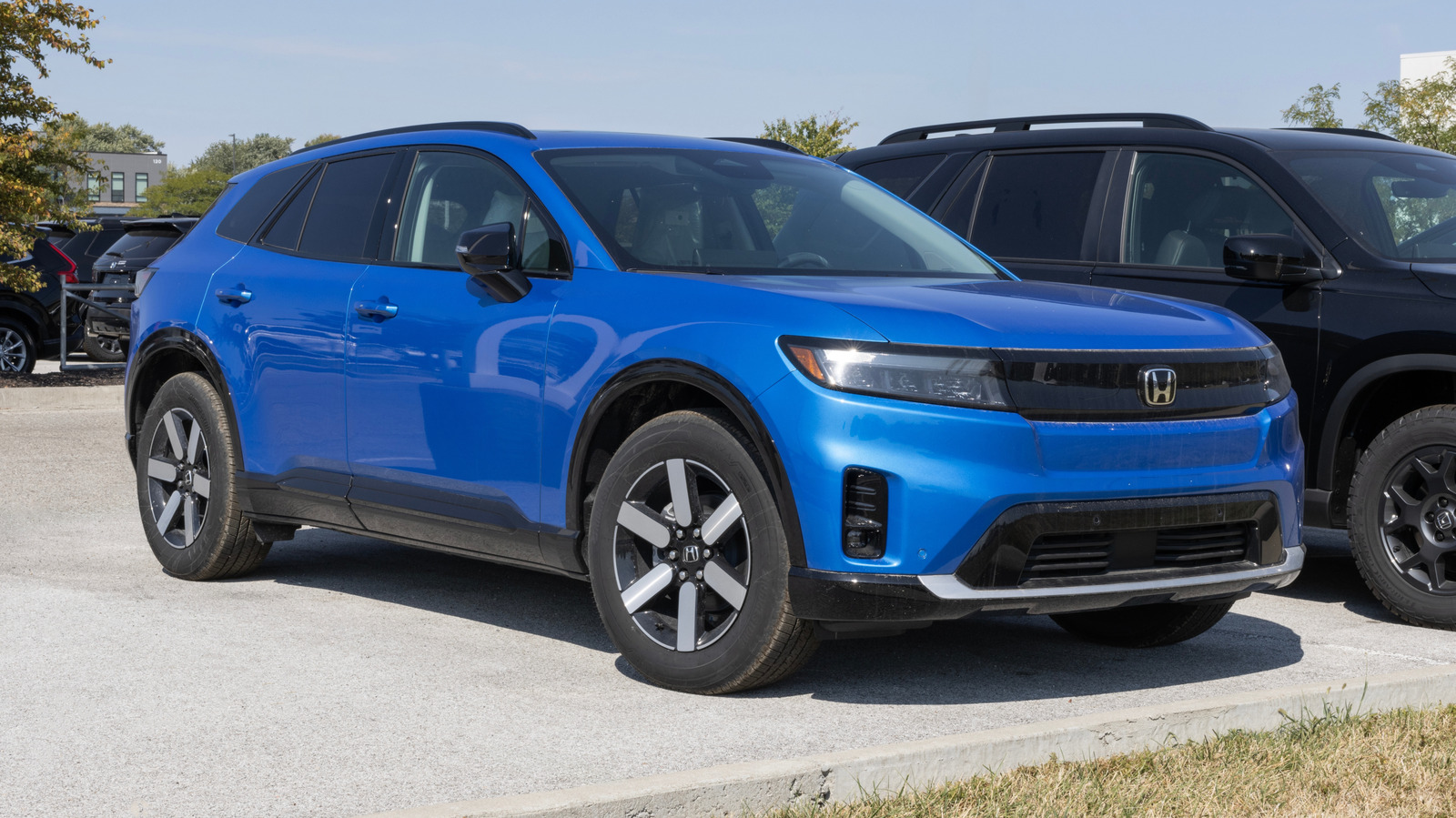
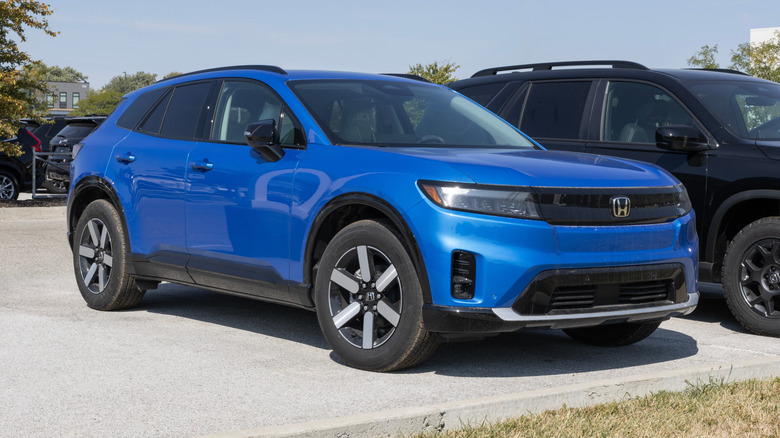
The Honda Prologue was intended to be the company’s flagship entry into the North American EV market. However, the vehicle faced a lukewarm reception. In 2026, JD Power ranked the Prologue among the least satisfying vehicles in its segment. Customer dissatisfaction often centered on range anxiety, charging times, and the premium cost of ownership compared to Honda’s traditional best-sellers like the CR-V or Civic. By the final quarter of 2025, U.S. sales of the Prologue had plummeted by a staggering 86%.
Global Sales Contraction
The struggle was not isolated to North America. Worldwide, Honda’s EV sales dipped to roughly 15,000 units in the final quarter of 2025. This contraction highlights a broader issue: the global EV market has entered a "chasm" phase where the initial enthusiast market has been saturated, and the mass market remains hesitant due to high interest rates and inadequate charging infrastructure.
The Hybrid Alternative
While Honda pushed for full electrification, competitors that maintained a "multi-pathway" strategy—focusing on hybrids alongside EVs—often fared better. Consumers have shown a clear preference for the familiarity and convenience of hybrids, which offer better fuel efficiency without requiring the lifestyle changes mandated by battery-electric vehicles.
Official Responses: CEO Toshihiro Mibe’s Admission
Speaking at a media conference in Tokyo on May 14, CEO Toshihiro Mibe was characteristically candid. He acknowledged that the EV landscape had shifted in ways the company failed to predict.
"The business environment for electric vehicles has changed dramatically," Mibe stated. "While we attempted to respond to these changes, we were unable to do so with the speed and efficacy required to maintain our financial health."
Mibe’s admission marks a departure from the "all-in" rhetoric of previous years. He noted that while the 2040 target is off the table, the company is not abandoning EVs entirely. Instead, Honda is entering a "pragmatic phase." The company plans to pivot toward hybrid technology, with a goal of introducing 15 new hybrid models by 2030. This strategy allows Honda to leverage its strengths in engine efficiency while remaining flexible enough to scale up EV production if market demand—or regulatory requirements—change in the future.
Implications for the Future of Automotive Manufacturing
The Honda loss is a bellwether for the entire automotive industry. It suggests that the "EV-only" mandates that dominated corporate strategy in the early 2020s are being replaced by a more nuanced, market-driven approach.
1. The Death of the "All-Electric" Deadline
Honda is likely not the last major manufacturer to quietly walk back its electrification deadlines. As political administrations shift and consumer demand fluctuates, automakers are finding that rigid 2035 or 2040 deadlines are becoming liabilities rather than assets.
2. The Return of the Hybrid
Hybrids are currently enjoying a renaissance. Manufacturers are realizing that for many consumers, the hybrid is the perfect "bridge" technology. By focusing on hybrid development, companies like Honda can reduce their fleet-wide carbon footprint while keeping prices competitive and consumer satisfaction high.
3. Financial Caution and Writedowns
Analysts expect other automakers to follow Honda in re-evaluating their capital expenditures. Further writedowns are likely as companies reconcile the high costs of battery-plant construction with the reality of slower-than-expected sales growth.
4. A More Flexible Future
Honda’s insistence that it is "not giving up" on EVs is a vital distinction. The company is essentially shifting its strategy from a "forced" transition to a "demand-based" one. By maintaining its R&D capabilities, Honda remains prepared to pivot back to full electrification should battery technology achieve the breakthroughs—in cost and energy density—that the industry has been chasing for years.
Conclusion: A Lesson in Resilience
Honda’s first annual loss is a painful reminder that even the most well-intentioned corporate strategies can be derailed by market volatility. However, the company’s history of innovation suggests that this setback may be the catalyst for a more sustainable, diversified business model. By embracing hybrid technology and tempering its EV ambitions, Honda is attempting to align its financial health with the current realities of the global marketplace.
The road ahead remains uncertain. But if there is one thing that has defined Honda since 1948, it is the ability to adapt. Whether this strategic pivot will restore profitability in the coming fiscal year remains to be seen, but the era of "EVs at any cost" has officially come to an end, giving way to a more pragmatic, and perhaps more realistic, future for the automotive titan.


 Muslim
 Suro Senen