

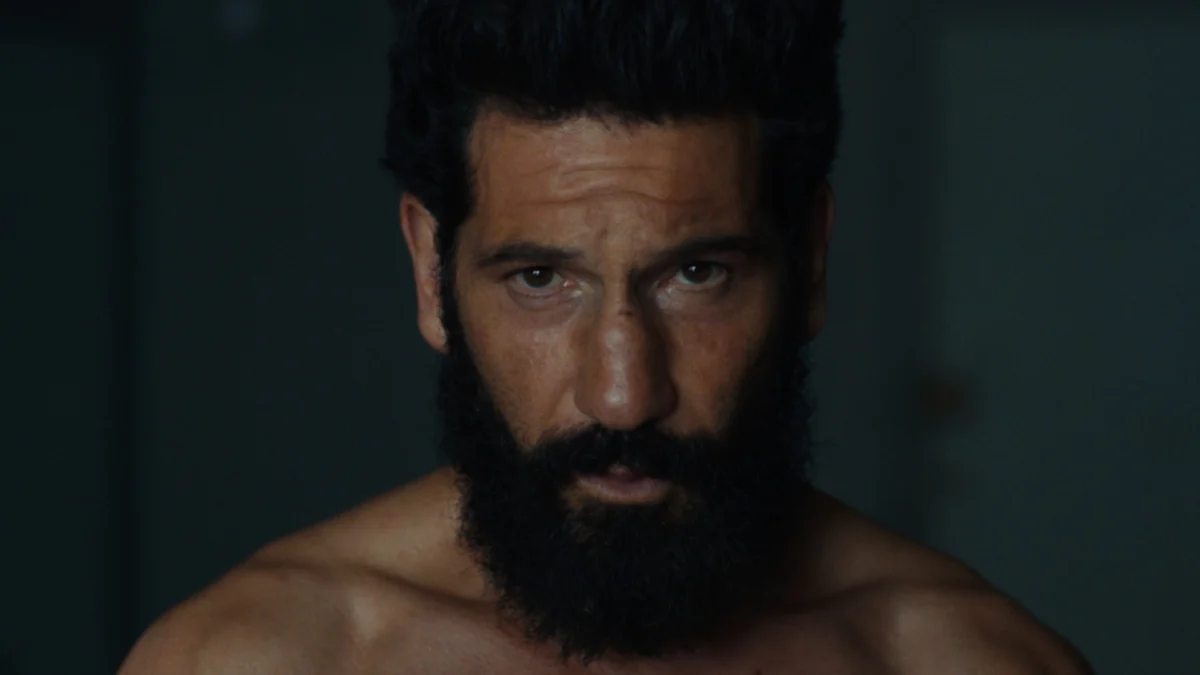
The Marvel Cinematic Universe (MCU) is no stranger to the high-stakes world of Frank Castle. Since his explosive debut in the second season of Netflix’s Daredevil, Jon Bernthal’s portrayal of the tortured, vengeful vigilante has become the gold standard for the character. However, with the release of The Punisher: One Last Kill, a new debate has emerged regarding the pacing and structural limitations of the character’s latest outing.
Cheo Hodari Coker, the acclaimed showrunner behind Netflix’s Luke Cage, recently ignited a conversation among fans and industry insiders alike by suggesting that The Punisher: One Last Kill is hampered significantly by its truncated runtime. While the project has garnered praise for its stylistic direction and Bernthal’s chillingly accurate performance, the consensus—at least from one of Marvel’s own veterans—is that Frank Castle is a character who demands room to breathe.
The Core Critique: A Character Too Big for a Short Runtime
The heart of the discourse lies in a social media post by Coker, who did not mince words regarding his reaction to the new production. "The problem with One Last Kill is it’s too short," Coker wrote. "That’s who Frank Castle is. No mercy. Very much like the comics. It needed more space to breathe. But Bernthal is the best Punisher by far and RMG did a great job directing. About to watch it again."
Coker’s critique touches upon a fundamental tension in modern superhero storytelling: the balance between high-octane action and character-driven narrative. The Punisher is not a character who benefits from rushed exposition or hyper-compressed arcs. As a figure defined by his moral ambiguity, his deep-seated trauma, and his methodical approach to "justice," Frank Castle typically thrives in long-form television, where the slow-burn psychological toll of his war can be fully explored.
Chronology: The Evolution of Frank Castle
To understand why the runtime of One Last Kill has become a focal point of discussion, one must look at the historical trajectory of Jon Bernthal’s Frank Castle.
The Netflix Era (2016–2019)
Bernthal first donned the skull logo in Daredevil Season 2, introducing a version of the character that felt grounded, gritty, and visceral. The success of this portrayal led to his own spinoff series, The Punisher, which ran for two seasons. These 26 total episodes allowed the audience to witness Castle’s evolution from a grieving father seeking retribution to a man resigned to his fate as a permanent soldier in a one-man war. The long-form nature of these seasons allowed for deep dives into his relationships with characters like Micro and Curtis Hoyle.
The Transition to the MCU
Following the cancellation of the Marvel-Netflix series, the fate of the "Defenders" universe characters remained in limbo for years. The eventual integration of these characters into the broader MCU was a highly anticipated event. With the return of Charlie Cox’s Daredevil and Vincent D’Onofrio’s Kingpin, the stage was set for Bernthal’s return.
The Arrival of ‘One Last Kill’
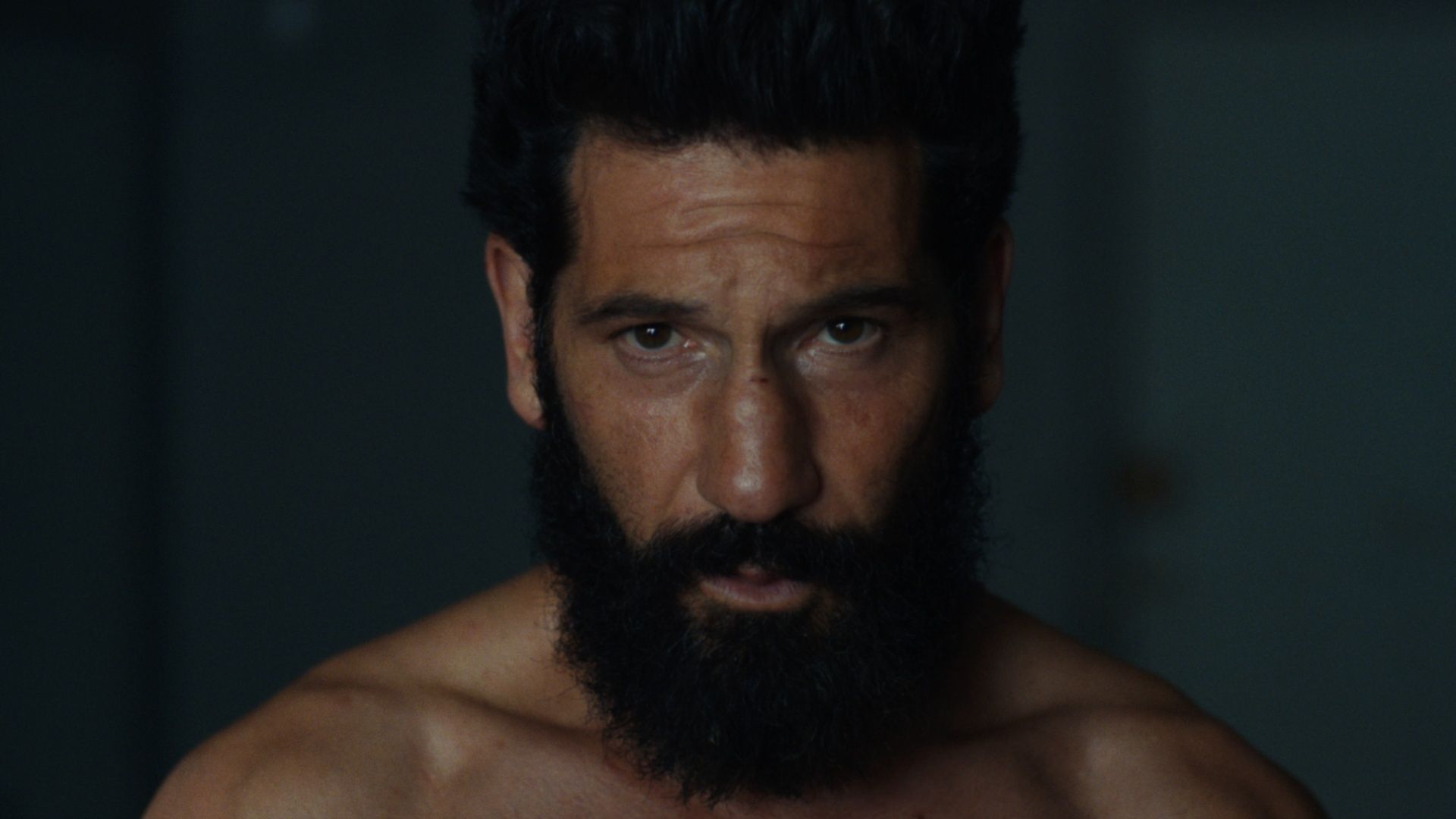
The Punisher: One Last Kill arrives as a bridge between the dark, street-level roots of the character and his integration into the more expansive MCU tapestry. By opting for a shorter, more concentrated format, the production team appears to have prioritized momentum and impact over the meditative character study that defined the Netflix era. While this provides a punchy viewing experience, it is precisely this shift that Coker identifies as the project’s primary weakness.
Supporting Data: Why "Breathing Room" Matters
Why is length such a critical factor for a character like The Punisher? In the source material—Marvel’s gritty comic runs like those by Garth Ennis or Jason Aaron—Frank Castle’s efficacy is tied to his patience. He is a predator who stalks his prey. When the pacing of a film or limited series is rushed to fit a standard action-movie runtime, the audience loses the opportunity to see the tactical planning and the psychological weight of his mission.
Furthermore, Bernthal’s performance is built on subtle, non-verbal cues. He is an actor who conveys more in a single, weary look than most do in a page of dialogue. Shorter runtimes often necessitate more dialogue and faster plot progression, which can inadvertently undercut the heavy, brooding silence that is a hallmark of the character.
The Director’s Vision: Balancing Action and Narrative
The production of One Last Kill has been lauded for its technical execution. The direction, spearheaded by the team identified by Coker as "RMG," has received high marks for its cinematography and action choreography. In the landscape of contemporary superhero media, achieving that level of visual fidelity is no small feat.
The challenge, however, is that great direction cannot fully compensate for a script that feels "cramped." If a narrative is forced to hit specific plot points within a limited window, the "in-between" moments—the scenes where Frank interacts with his environment, reflects on his past, or simply exists as a man out of time—are the first to be cut. These are the moments that humanize the Punisher and prevent him from becoming a two-dimensional killing machine.
Implications for the Future of Street-Level Marvel
The critique from a creator as respected as Cheo Hodari Coker has broader implications for how Marvel Studios approaches its "street-level" heroes.
1. The Debate on Format
Does the MCU need to commit to longer, more episodic formats for characters like The Punisher? The success of Daredevil: Born Again will likely provide a litmus test for this. If audiences respond better to the slower, more deliberate pacing of a series versus the "event" feel of a shorter special, the studio may adjust its strategy for future projects.
2. The Legacy of the Netflix Era
The "Defenders" era left a high bar. Fans who grew up with those versions of the characters expect a certain level of intensity and narrative density. Any attempt to simplify these characters for a broader, more "mainstream" audience risks alienating the core fanbase that kept these characters alive during their time in legal limbo.
3. The Value of Creator Feedback
Coker’s willingness to publicly critique the project highlights a healthy, albeit rare, transparency within the industry. It opens a dialogue about the creative compromises made in the editing room. When creators are allowed to speak openly about the limitations of their medium, it fosters a more educated audience that can better appreciate the nuances of production.
Conclusion: A Masterclass in Potential
Ultimately, The Punisher: One Last Kill stands as a testament to the enduring power of Jon Bernthal’s performance. Even with the limitations of a short runtime, the character remains as compelling as ever. As Coker noted, the fact that he is already planning to watch the project again speaks volumes about its quality.
However, the "short runtime" critique remains a valid point of discussion. For a character as complex as Frank Castle, the journey is just as important as the destination. Whether future iterations of The Punisher will take this feedback to heart and lean back into the long-form storytelling that allowed the character to flourish remains to be seen. For now, fans can enjoy the high-octane intensity of One Last Kill, while perhaps dreaming of a future where Frank Castle is finally given the space he truly needs to wage his war.
As the MCU continues to expand, the lesson from this discourse is clear: even in a world of multiverses and cosmic threats, there is still an insatiable appetite for the grounded, the gritty, and the slow-burning stories of men like Frank Castle. Sometimes, less is not more—sometimes, more is exactly what the audience is waiting for.











No comments yet. Be the first to join the conversation!