

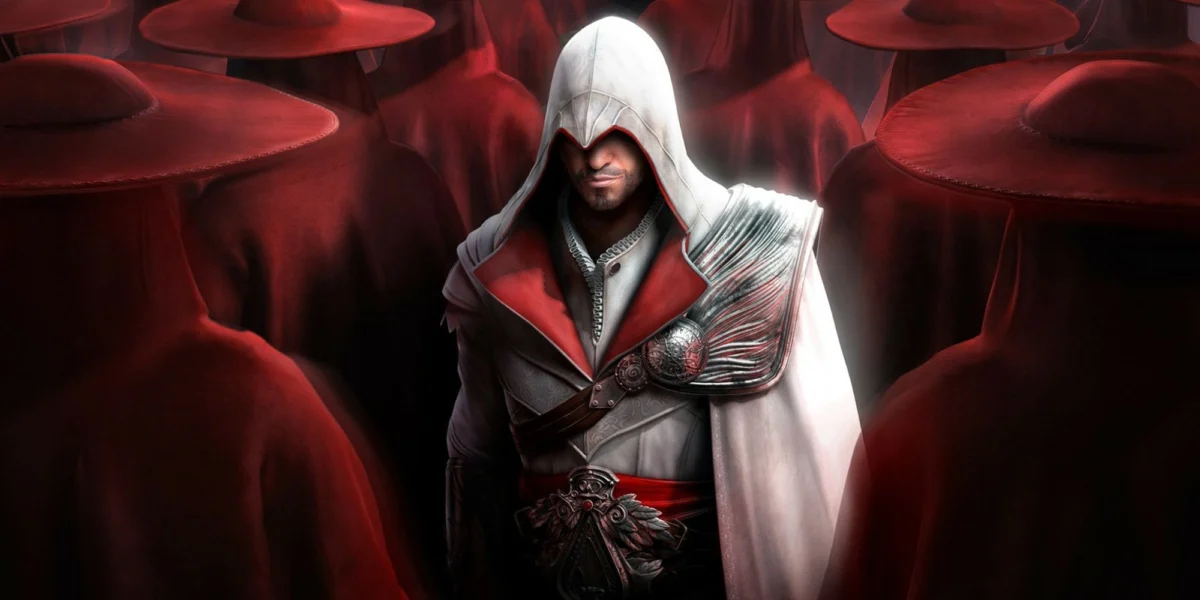
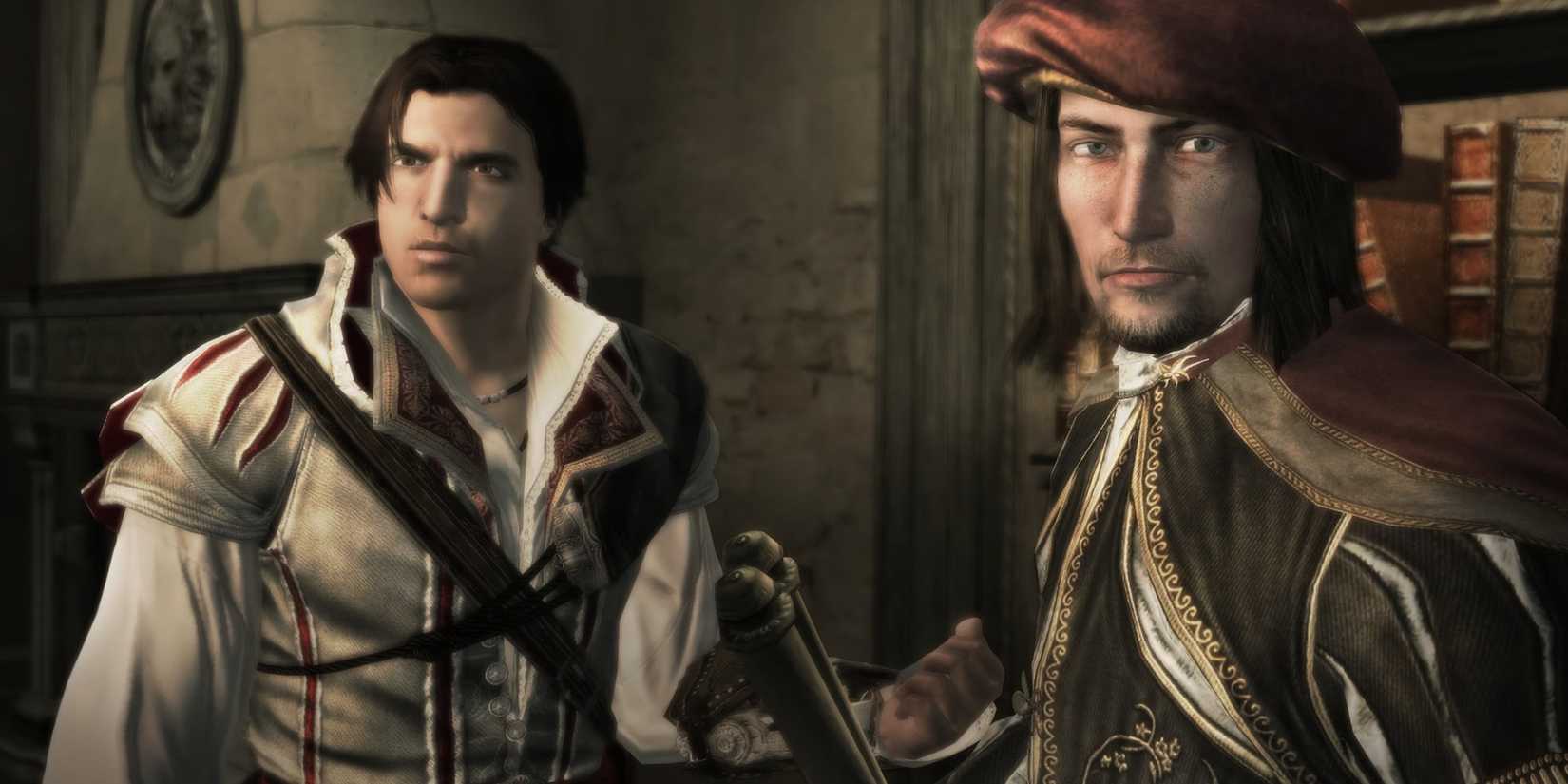
Few names in the annals of interactive entertainment carry the weight, reverence, and emotional resonance of Ezio Auditore da Firenze. For millions of players, the Italian Assassin was not merely a protagonist; he was a companion who guided them through the formative years of modern action-adventure gaming. From his tragic beginnings in the streets of Florence to his weary, philosophical final years in Masyaf, Ezio’s journey defined the Assassin’s Creed franchise. Now, as Ubisoft prepares to launch its most ambitious and darkest project yet, Assassin’s Creed Hexe, reports suggest that the legendary master is poised to return—not as a relic of the past, but as a pivotal, haunting presence.
The Foundation: Why Ezio Still Matters
When Assassin’s Creed II arrived in 2009, it didn’t just iterate on its predecessor; it redefined the open-world genre. Ezio Auditore became the gold standard for character development. We watched him grow from an arrogant, charismatic youth seeking vengeance for his slaughtered family into a stoic, compassionate mentor of the Brotherhood.

The success of the "Ezio Trilogy" created a high-water mark that the franchise has spent nearly two decades attempting to reach. Ubisoft has long recognized this, frequently utilizing Ezio’s likeness, legacy outfits, and iconic musical motifs—composed by the legendary Jesper Kyd—to stir the embers of nostalgia. However, recent developments indicate that the company is moving beyond simple fan service. They are reportedly looking to weave the Auditore legacy directly into the DNA of the franchise’s next major shift: the dark, atmospheric world of Assassin’s Creed Hexe.
The Darkest Chapter: Entering the Era of Hexe
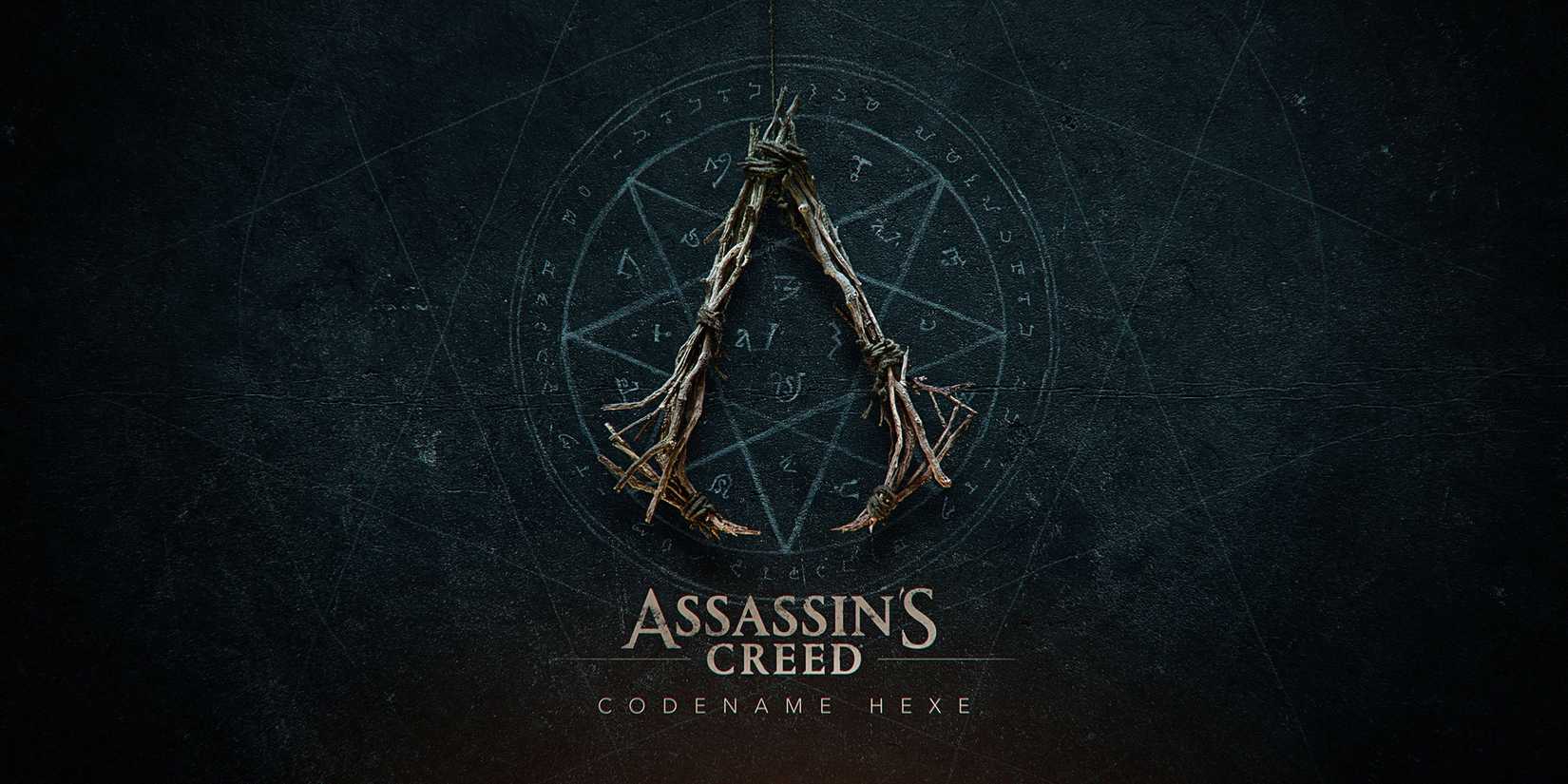
While Ubisoft has kept Assassin’s Creed Hexe under a strict veil of secrecy, the project is officially described as the "darkest entry" in the series’ history. Developed by Ubisoft Montreal—the same veteran team behind the sprawling Assassin’s Creed Valhalla—Hexe is set against the grim backdrop of 16th-century Central Europe during the height of the Inquisition and the terrifying witch trials.

For a series often defined by high-adventure and political intrigue, Hexe represents a pivot toward psychological horror and survival. The game’s setting, reportedly centered in Würzburg, Germany, promises a dense, oppressive urban environment where the player is not just a hunter, but the hunted. Unlike previous titles that empowered the player through sheer force, Hexe appears to focus on stealth, ritualistic mystery, and the constant threat of discovery.
The Leaks: A New Protagonist and a Familiar Mentor
Recent intelligence surfacing from prominent industry insiders, including leakers "Rogue" and "j0nathan," has provided a glimpse into what this dark journey entails. Players will reportedly step into the boots of a new protagonist named Anika. While "Elsa" has been used as a placeholder name in earlier development cycles, the narrative consensus points to a character struggling against the overwhelming tide of the Inquisition.

Anika will not be navigating this treacherous path alone. She is accompanied by a mentor figure, a man named Wolfgang. Early reports suggest that Wolfgang is a morally grey character whose ruthless, pragmatic methods are expected to clash with the traditional, code-bound ideology of the Assassin Brotherhood. This dynamic sets the stage for a conflict of philosophy, one that requires a tempering influence.
The Return of the Mentor: Ezio’s Role in the Afterlife
This is where the narrative takes a profound turn. According to leaked information, the Auditore bloodline remains central to the plot. Anika is rumored to be a descendant of Claudia Auditore, Ezio’s sister and a formidable Assassin in her own right.
The most explosive aspect of these reports is the potential "return" of Ezio Auditore. Rather than utilizing a cheap, supernatural resurrection or a multiversal gimmick, Hexe reportedly employs advanced Isu technology to manifest the consciousness or memories of past Assassins. In this capacity, Ezio serves as a "memory-manifestation," an ideological anchor that provides wisdom to Anika when the methods of her mentor, Wolfgang, threaten to lead her astray.
Imagine, for a moment, the emotional weight of a scene where Anika faces a moral crisis, only for the voice of the Renaissance’s greatest Master Assassin to echo through the silence. Leaked dialogue snippets have already teased the possibility of iconic lines, such as a call to "leap with me, one last time," or a somber recitation of the Creed’s core tenet: “Nulla è reale, tutto è lecito.”
Supporting Data: Why This Approach Succeeds
From a narrative design perspective, using Ezio as a psychological guide is a masterstroke. It avoids the pitfalls of "nostalgia bait" by giving the character actual narrative weight. By framing Ezio as a moral compass, Ubisoft allows the player to draw a direct line between the Enlightenment-era ideals of the Renaissance and the desperate, darker survivalist themes of the 16th-century German witch hunts.
Furthermore, this structure addresses a long-standing criticism of the modern Assassin’s Creed RPG entries: the loss of the "Assassin" identity. By grounding the story in the lineage of the Auditore family and placing the teachings of the greatest Assassin in history at the center of the conflict, Hexe bridges the gap between the franchise’s "classic" roots and its modern mechanical evolution.
Official Silence and Industry Implications
Ubisoft has yet to release a formal trailer, a release window, or even a promotional screenshot of Hexe. The company’s silence is deliberate, likely designed to maintain the "witch hunt" atmosphere of the game’s marketing. However, the internal pressure on this project is immense. Following the mixed reception of Assassin’s Creed Shadows, Hexe is seen by analysts as a pivotal moment for the brand—a chance to prove that the franchise can still deliver a tight, narrative-focused, and emotionally resonant experience.
If these leaks hold true, the game will feature advanced gameplay mechanics, including "suspicious activity" reporting by NPCs and a unique vertical traversal system involving "tree-to-tree" navigation. The combination of these survival-horror elements with the classic philosophical depth of the Ezio era could result in the most critically acclaimed Assassin’s Creed title in over a decade.
Implications for the Future
The decision to revisit the Auditore legacy is not without risk. Ezio is a sacred icon; mismanaging his presence could alienate the most loyal segment of the player base. However, the potential rewards are staggering. By using him as a mentor from beyond the grave, Ubisoft honors the character while allowing the narrative to evolve and focus on new, diverse protagonists.
If Hexe successfully integrates this "memory-technology" approach, it could redefine how the franchise handles its vast history. It opens the door for future entries to bring back other beloved figures in ways that feel meaningful and integrated into the story, rather than relegated to mere unlockable skins.

Conclusion: A Leap of Faith
As we wait in the shadows for more information regarding the release of Assassin’s Creed Hexe, the anticipation continues to build. The prospect of returning to a world where the Creed is the only thing standing between justice and total persecution is compelling. But the prospect of hearing the voice of Ezio Auditore once more—even as a whisper of the past—is what will truly draw the fans back to the series.
Whether this project will mark a triumphant return to form or an experiment that desynchronizes with fan expectations remains to be seen. For now, we wait for the fog to lift over Würzburg. If the developers can match the ambition of their narrative plans with the precision of their gameplay, we may finally see the soul of the franchise reclaimed. The leap is a long one, but for a series that has defined the concept of the "Leap of Faith," it is exactly the kind of risk worth taking.
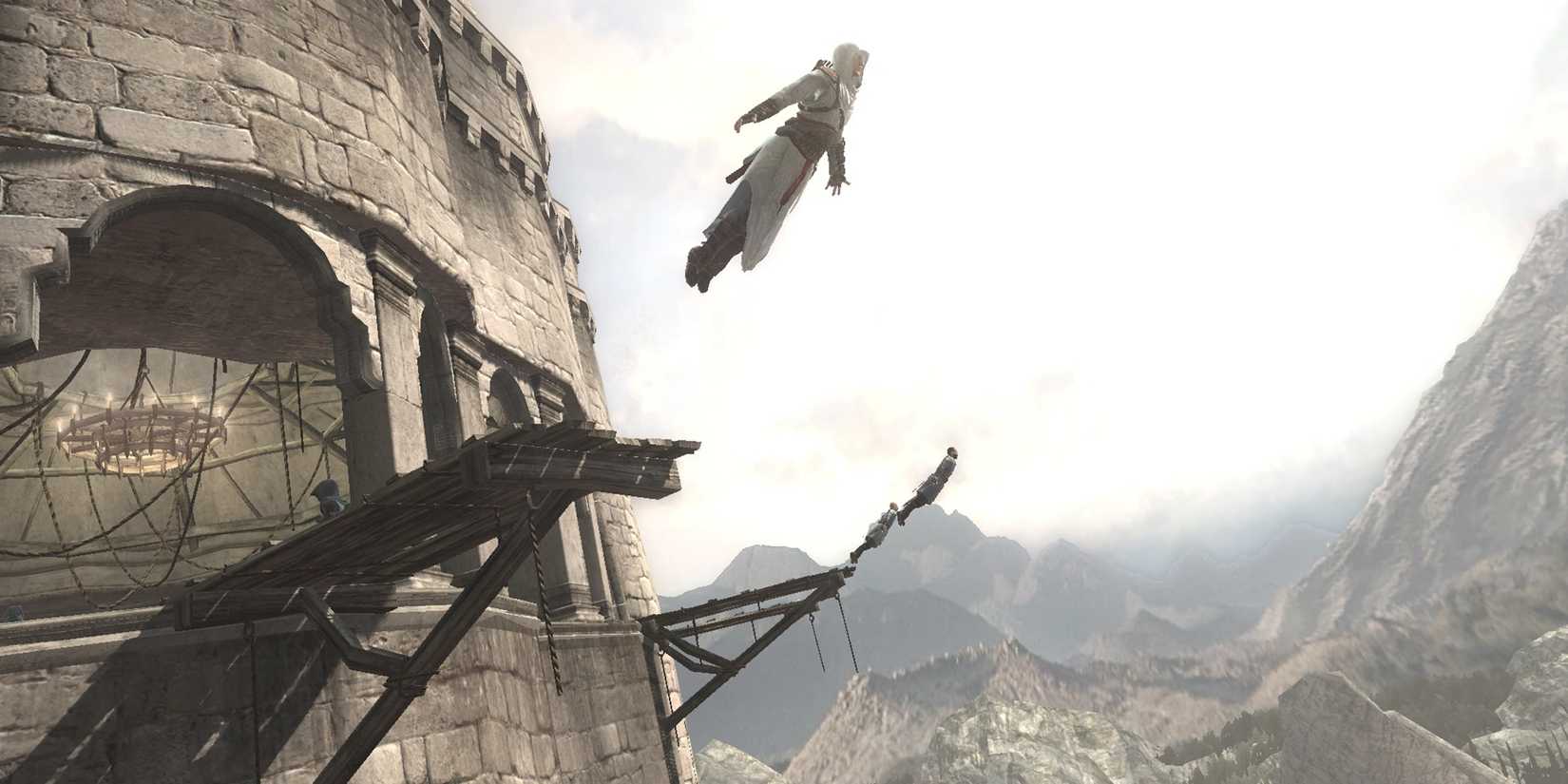
We are not just looking for a new game; we are looking for the return of the feeling that made us fall in love with the Brotherhood in the first place. If the rumors are true, the ghost of the Renaissance is about to teach us one last lesson about what it truly means to be an Assassin.












No comments yet. Be the first to join the conversation!