

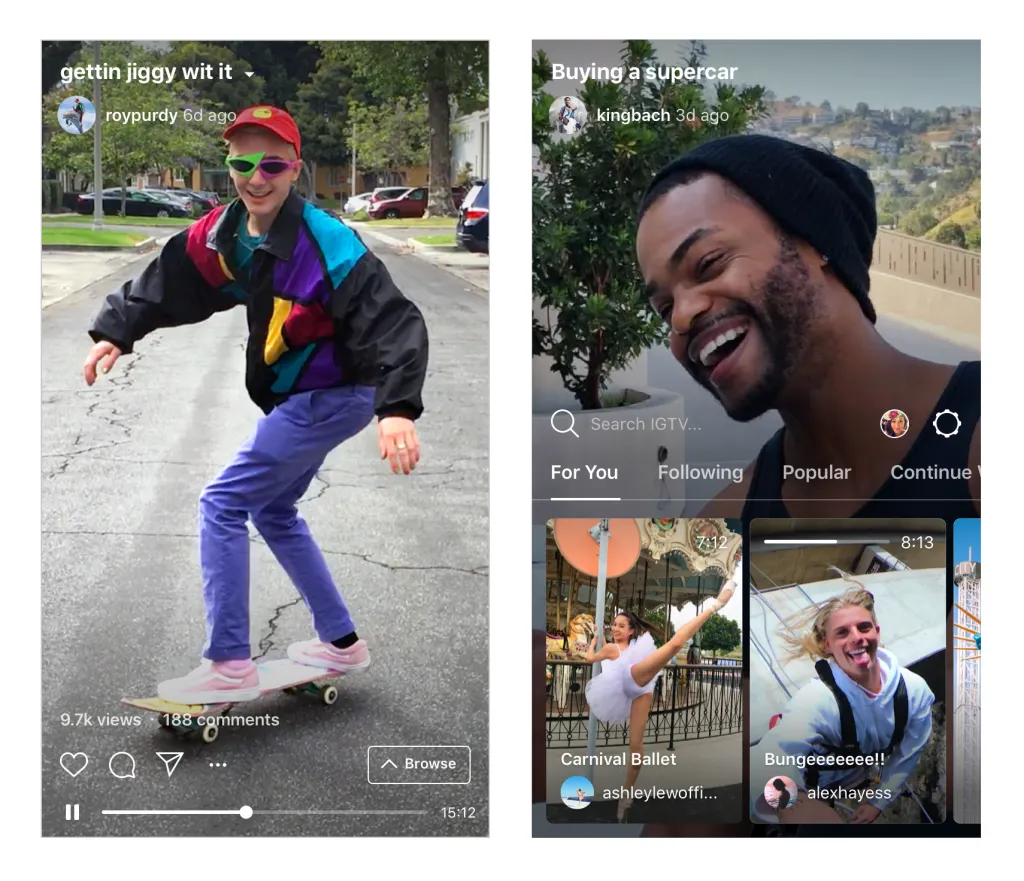
In a significant strategic recalibration, Instagram is once again turning its gaze toward long-form content. After years of chasing the frenetic, ephemeral pace of short-form vertical video—a market segment dominated by TikTok—the Meta-owned platform is signaling a pivot to prioritize deeper, more sustained creator engagement. This move is not merely a feature update; it is an acknowledgment that the future of social media dominance lies in the living room as much as it does in the palm of one’s hand.
The Strategic Shift: Moving Beyond the "Reels-First" Era
For the better part of the last half-decade, Instagram’s product roadmap has been defined by a singular obsession: competing with TikTok. The introduction and aggressive promotion of Reels transformed the platform from a photo-sharing app into a high-velocity video discovery engine. However, the internal calculus at Meta is changing.
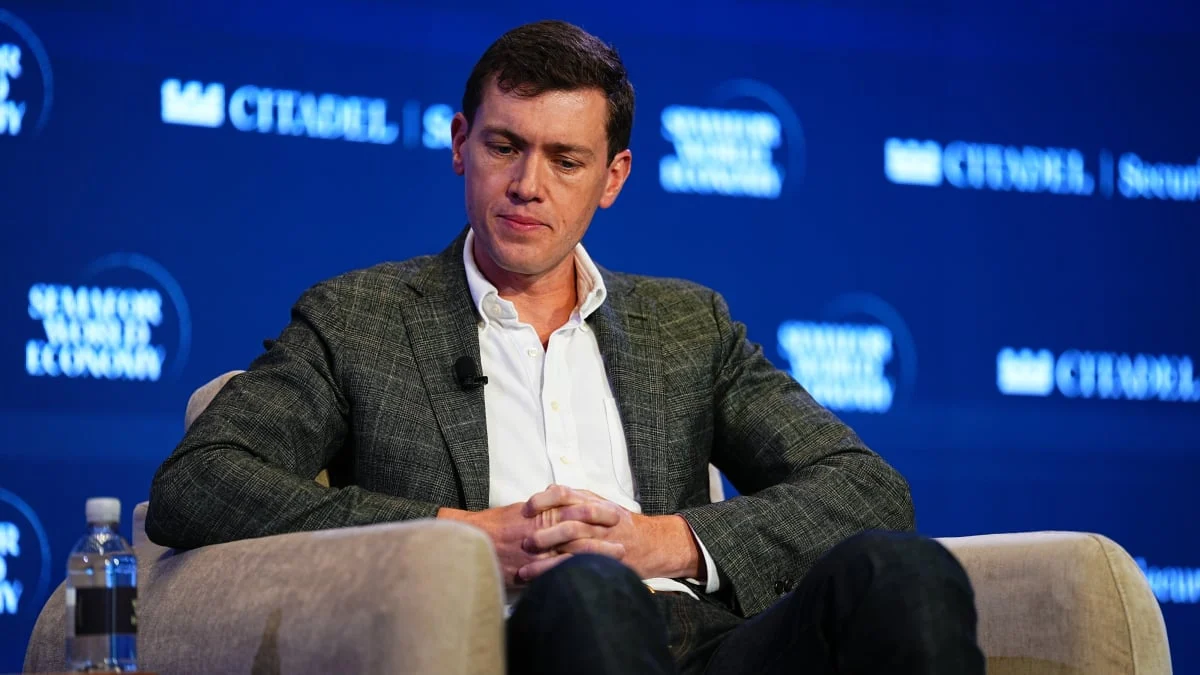
Tessa Lyons, Instagram’s vice president of product, recently confirmed this shift during the Scalable Summit. Addressing the evolving nature of creator ecosystems, Lyons suggested that the current landscape requires a more nuanced approach. "I don’t think short-form vertical content is going to be enough to succeed on TV," Lyons stated, highlighting the growing importance of Connected TV (CTV) as a primary battleground for user attention.
The strategy involves a fundamental shift: Instagram no longer views itself solely as a mobile-first snackable content hub. Instead, it aims to become a destination where creators can foster long-term loyalty through podcasts, mini-dramas, and extended storytelling—formats that traditionally reside on YouTube.
A Chronology of Change: From IGTV to the CTV Frontier
To understand why Instagram is revisiting long-form content, one must look at the platform’s checkered history with the format.
The IGTV Experiment (2018–2022)
In 2018, Instagram launched IGTV, a standalone application designed to challenge YouTube’s supremacy. The premise was ambitious: provide a dedicated space for long-form, vertical video. Despite heavy promotion, the app failed to capture significant market share. Creators were hesitant to fragment their audience across multiple apps, and users found the navigation cumbersome.
The Consolidation (2022)
Recognizing the friction, Meta shuttered the IGTV app in 2022, folding its functionality back into the main Instagram experience. This move, while criticized at the time as a retreat, was intended to streamline the user experience. By removing the separate app, Instagram effectively killed its in-stream mid-roll ad offerings, signaling a temporary surrender to the short-form model.
The CTV Evolution (2023–Present)
The narrative shifted again in December 2023, when Instagram launched an updated CTV interface. This redesign was striking in its resemblance to YouTube’s television UI. It was the first tangible evidence that Meta was preparing to compete for "lean-back" viewing time. By optimizing for the big screen, Instagram began to lay the foundation for a return to longer, more immersive content.
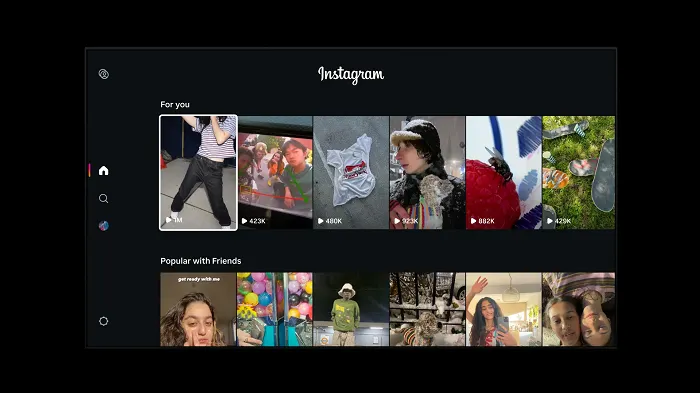
Supporting Data: Why Long-Form Still Matters
The data behind this shift is compelling. YouTube currently holds the title of the most-watched streaming video service in the United States, consistently outperforming Netflix, Disney+, and Prime Video in total hours consumed. This dominance is not accidental; it is the result of a symbiotic relationship between creators and the platform.
The CTV Advantage
Connected TV represents a massive financial opportunity. Advertisers are increasingly moving budgets away from traditional cable toward CTV platforms, which offer the targeting precision of digital advertising with the high-impact reach of television. YouTube has successfully captured this shift by offering a high-quality environment where users spend significant time.
Instagram’s desire to mimic this success is logical. By facilitating longer-form content, the platform hopes to:
- Increase Session Duration: Long-form content keeps users on the app longer than a series of 15-second clips.
- Attract Premium Advertisers: Longer, more narrative-driven content is generally considered "brand-safe," allowing for more lucrative ad placements.
- Deepen Creator Monetization: By giving creators more tools to tell complex stories, Instagram hopes to become the primary "home base" for professional content creators, rather than just a promotional channel.
Official Perspectives and Creator Dynamics
Tessa Lyons’ comments at the Scalable Summit provide the clearest window into the company’s current mindset. She emphasized that the goal is to serve creators who occupy both worlds: those who use short-form to hook an audience and long-form to deepen that relationship.
"Two years from now, Instagram will be a unique part of creators’ long-form strategy in addition to their short-form strategy," Lyons noted. This dual-pronged approach is essential for modern influencers who must navigate the "funnel" of content marketing—using short-form as the top-of-funnel discovery engine and long-form as the loyalty-building retention mechanism.
Industry analysts, such as Lia Haberman, have noted that this return to long-form is an explicit admission that the "TikTok-ification" of social media has its limits. While short-form is excellent for virality, it is often poor for community building. By pivoting back, Instagram is attempting to reconcile the best of both worlds.
Implications for the Future
The shift toward long-form content at Instagram will have profound implications for the creator economy and digital advertising.
For Creators: The Return of Storytelling
Creators who have spent the last few years tailoring their content to the 60-second limit may find a new canvas opening up. Features like "mini-dramas"—episodic content that keeps viewers returning to a profile—are already finding success on platforms like TikTok. Instagram’s new focus aims to provide the infrastructure (and likely the algorithmic support) for these formats to flourish within its own ecosystem.

For the Advertising Landscape
If Instagram succeeds in becoming a viable alternative to YouTube on the big screen, the impact on ad revenue could be substantial. Mid-roll ads, which were sidelined during the short-form pivot, could see a sophisticated return. Unlike short-form ads, which are often skipped or ignored, long-form content allows for more natural, less intrusive advertising integration.
The Role of Artificial Intelligence
Perhaps the most significant variable in this transition is the emergence of generative AI. As video production tools become more accessible, the barrier to entry for high-quality, long-form storytelling is dropping. Instagram likely envisions a future where creators use AI to produce high-end visual narratives at a fraction of the traditional cost, keeping the app’s feed populated with engaging, long-duration content.
Challenges Ahead
Despite the potential, the road ahead is not without obstacles. Instagram must overcome the "platform fatigue" that plagued its earlier long-form efforts. Users are accustomed to going to YouTube for long-form and TikTok/Reels for short-form. Changing that user behavior—getting people to treat Instagram as a television channel—requires a delicate balance of interface design and content curation.
Furthermore, the platform must ensure that its algorithms are tuned to reward long-form content without cannibalizing the reach of its highly successful short-form features. If the transition feels forced or disrupts the flow of the user experience, Instagram risks alienating its core audience.
Conclusion: A Mature Strategy for a Mature Platform
Instagram’s pivot toward long-form content is a recognition of the platform’s maturity. It is no longer just a trend-following app; it is a critical piece of the modern media stack. By leaning into the strengths of CTV and the power of sustained storytelling, Meta is positioning Instagram to be the definitive platform for creators who want to build a career, not just a viral moment.
Whether this effort will finally unseat YouTube remains to be seen. However, by providing the tools and the space for long-form content, Instagram is betting that in an era of infinite short-form noise, the creators—and viewers—who can offer something deeper will ultimately be the ones to win. As the platform evolves toward 2026, the success of this strategy will depend on its ability to make "long-form" feel just as native to the Instagram experience as the humble square photo once was.










No comments yet. Be the first to join the conversation!