


TOKYO, Japan – Sony Group Corporation has released its comprehensive full-year financial results for the fiscal year ending March 31, 2026, revealing a nuanced performance for its critical Games & Network Services (G&NS) segment. While the division managed to achieve a 12% increase in full-year operating income, reaching a record high, its net sales remained largely flat. This mixed outcome underscores a strategic shift within Sony’s gaming arm, prioritizing profitability and high-margin digital content and network services over raw hardware sales volume, even as it grapples with significant challenges, most notably a substantial impairment charge related to its acquired studio, Bungie.
The final quarter of the fiscal year painted a more challenging picture, with Q4 operating income for G&NS plummeting by 41.6%. This decline was largely influenced by the second major impairment loss attributed to Bungie, totaling ¥88.6 billion ($565 million) in Q4 alone, compounding a previous ¥31.5 billion ($204.2 million) charge in Q2. The combined ¥120.1 billion ($765 million) impairment reflects that Bungie’s title portfolio, including the long-running Destiny 2 and the recently launched extraction shooter Marathon, did not meet Sony’s initial performance expectations. Concurrently, PlayStation 5 unit sales experienced a notable decline throughout the year, signalling a maturation of the current console generation.
Despite these headwinds, Sony’s G&NS segment saw robust growth in network services, digital software sales, and an expanding monthly active user base, which collectively cushioned the impact of hardware deceleration and the Bungie write-downs. The company’s forward-looking statements indicate a strategic pivot towards optimizing its existing PlayStation ecosystem for sustained profitability, even if it means a projected decrease in overall segment revenue for the upcoming fiscal year.
Main Facts: A Balancing Act of Profitability and Performance
Sony’s Games & Network Services segment concluded the fiscal year 2026 with a complex financial report. On the one hand, the division celebrated a record-high operating income, demonstrating effective cost management and the lucrative nature of its digital ecosystem. Operating income for the full year surged by 12%, a testament to the strong performance of network services and digital software, alongside favourable foreign exchange rates, which mitigated the impact of the substantial Bungie impairment.
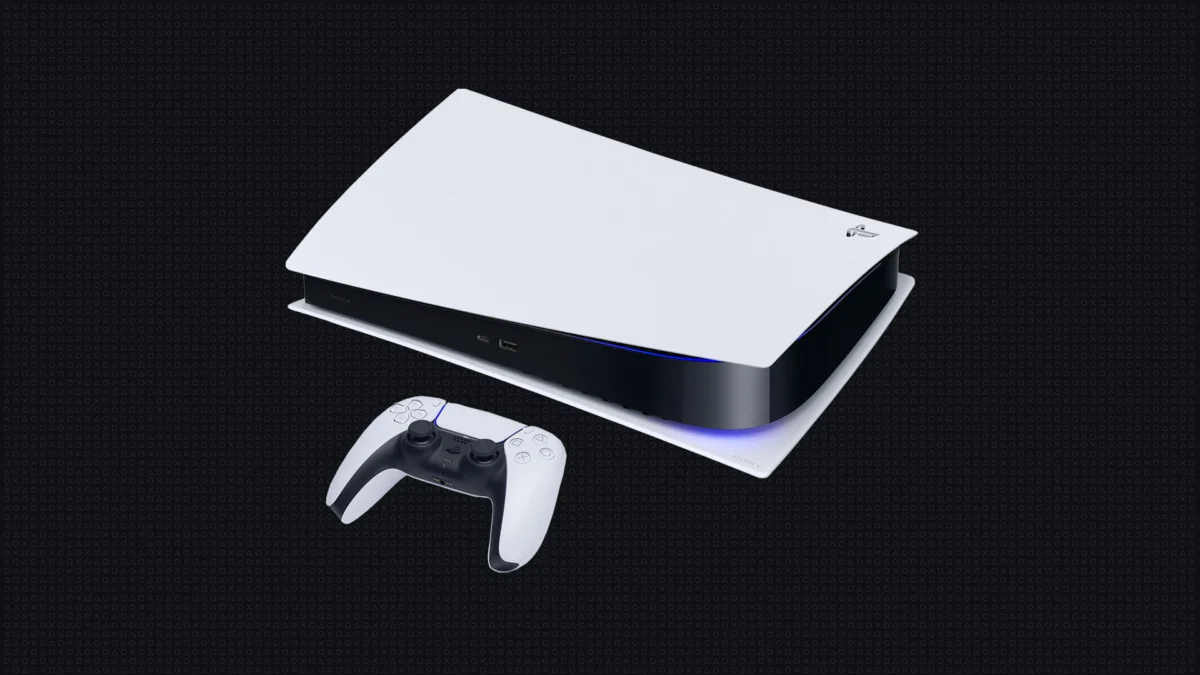
However, this profitability did not translate into top-line growth, as net sales for the G&NS segment remained flat year-over-year. This stagnation is primarily attributable to a significant downturn in hardware sales. PlayStation 5 unit sales for the full year dropped from 18.5 million units in the previous fiscal year to 16 million units, marking a considerable deceleration in console adoption. The fourth quarter was particularly stark, with only 1.5 million PS5 units sold, a sharp decrease from 2.8 million in the same period last year. This trend underscores the console market’s transition from an initial surge of early adopters to a more mature phase.
The most prominent financial setback came from Bungie, the renowned developer of Destiny and the upcoming Marathon. Sony recorded a total impairment charge of ¥120.1 billion ($765 million) related to Bungie’s title portfolio. This significant write-down indicates that the commercial performance and future revenue projections for Bungie’s games fell short of Sony’s original acquisition-era expectations. The impairment was split across two quarters, with ¥31.5 billion ($204.2 million) recognized in Q2 and an additional ¥88.6 billion ($565 million) in Q4, reflecting an ongoing re-evaluation of the studio’s financial contributions.
Conversely, the G&NS segment displayed strength in its recurring revenue streams. Network services sales saw a healthy 13.9% increase, reaching ¥763.1 billion ($4.8 billion). This growth was supported by an expanding PlayStation Plus subscriber base, evidenced by a rise in monthly active users to 125 million in the fourth quarter. Software sales also provided a positive offset, with non-first-party software units increasing to 317.9 million from 303.3 million, and first-party game sales climbing from 28.9 million to 32.1 million units. Total software sales hit an impressive ¥2.6 trillion ($16.5 billion), with digital software and add-ons contributing the lion’s share at ¥2.4 trillion ($15.3 billion), up 5.5%. These figures highlight the increasing importance of digital content and subscription services in driving the segment’s profitability.
Chronology: A Trajectory of Acquisition, Growth, and Reassessment
Sony’s journey in the current console generation and its strategic expansion into live service gaming provides crucial context for the latest financial outcomes.
Early 2020s – PS5 Launch and Initial Surge: The PlayStation 5 launched in November 2020 amidst unprecedented global demand and significant supply chain disruptions caused by the COVID-19 pandemic. For its initial years, Sony struggled to meet demand, leading to prolonged stock shortages. Despite these challenges, the console quickly built a substantial install base, driven by a strong first-party software lineup and the allure of next-generation technology. The early years saw hardware sales as a primary growth driver for the G&NS segment.
January 2022 – The Bungie Acquisition: In a landmark move, Sony Interactive Entertainment announced its acquisition of Bungie for approximately $3.6 billion. The strategic rationale behind this acquisition was clear: to bolster Sony’s expertise in live service games, a sector increasingly dominant in the gaming industry, and to accelerate its ambition to launch 10-12 live service titles by fiscal year 2026. Bungie, with its proven track record in Destiny 2 and its multi-platform development capabilities, was seen as a cornerstone for this new strategy. This acquisition marked a significant pivot for Sony, traditionally known for its narrative-driven, single-player blockbusters, towards a more diverse portfolio that included long-term engagement titles.
Fiscal Year 2024 – Peak PS5 Sales and Live Service Ambitions: The fiscal year ending March 2025 saw the PS5 reach its peak annual sales, moving 18.5 million units. This period represented the high point of hardware sales momentum, with Sony aggressively pushing to expand the console’s global footprint. Simultaneously, internal development on various live service projects, including Bungie’s Marathon, was in full swing, with high expectations placed on their future revenue generation and ecosystem engagement.

Q2 FY25 – First Signs of Bungie Underperformance: The first indication of challenges within the Bungie portfolio emerged in Q2 FY22 (July-September 2025), when Sony reported a ¥31.5 billion ($204.2 million) impairment charge. This initial write-down was linked to the underperformance of Destiny 2, suggesting that its ongoing revenue generation from expansions, season passes, and microtransactions was not meeting the projections made at the time of the acquisition. This event prompted questions about the integration of Bungie into the broader PlayStation ecosystem and the viability of Sony’s aggressive live service targets.
Q4 FY25 – Marathon Launch and Further Impairment: The fourth quarter of fiscal year 2026 (January-March 2026) proved to be a pivotal period. During this quarter, Bungie launched Marathon, its highly anticipated extraction shooter. Despite Sony’s internal assessment noting "strong player reception" and "high engagement metrics," the company recorded an additional, even larger, impairment charge of ¥88.6 billion ($565 million) related to Bungie’s title portfolio. This second impairment, coming so close to Marathon‘s launch, suggests a deeper issue than just Destiny 2‘s performance. It likely indicates that the initial commercial projections for Marathon itself, or the combined portfolio’s long-term financial outlook, were significantly misaligned with reality. It could reflect higher-than-expected development costs, slower-than-anticipated player acquisition, or revised lifetime value estimates for its player base.
March/April 2026 – PS5 Price Adjustments: In a move signaling a strategic adjustment to hardware profitability, Sony announced global price increases for the PlayStation 5. This began in March 2026 for key markets including the US, UK, Europe, and Japan, followed by South Korea and Southeast Asia in April. These adjustments, coming after the peak sales period, underscore Sony’s intent to maintain hardware profitability even as unit sales naturally decline in the later stages of the console cycle, especially in the face of fluctuating currency exchange rates and component costs.
This chronology illustrates a company navigating the complex landscape of modern gaming – balancing traditional console sales with the evolving, and sometimes volatile, live service model, while constantly reassessing its strategic investments.
Supporting Data: A Deep Dive into the Numbers
The full-year financial results for Sony’s G&NS segment reveal a detailed picture of the underlying dynamics that shaped its performance.
Operating Income vs. Net Sales Paradox: The most intriguing aspect of the full-year report is the divergence between the 12% increase in operating income and flat net sales. This "paradox" is primarily explained by several factors:
- Shift to Higher-Margin Revenue: The flat sales figure masks a significant internal shift. While hardware sales, a lower-margin business, declined, higher-margin revenue streams like digital software and network services experienced substantial growth. Digital software and add-ons, which typically carry significantly higher profit margins than physical game sales or hardware, increased by 5.5% to ¥2.4 trillion ($15.3 billion). This emphasis on digital content directly contributed to improved profitability.
- Network Services Growth: Network services, predominantly PlayStation Plus subscriptions, saw a robust 13.9% increase in sales to ¥763.1 billion ($4.8 billion). This recurring revenue stream is a high-margin business, contributing directly to the operating income boost. The increase in monthly active users to 125 million in Q4 further solidifies the health of the PlayStation ecosystem as a platform for monetizing engagement.
- Cost Efficiencies: While not explicitly detailed, the rise in operating income despite flat sales suggests effective cost management across the segment. This could include optimized marketing spend, improved operational efficiencies, or a reduction in research and development expenses for certain projects.
- Favourable Foreign Exchange Rates: A weaker Japanese Yen (JPY) against major currencies like the US Dollar and Euro typically benefits Japanese exporters and companies with significant overseas operations, as foreign earnings are translated back into more JPY. Sony’s global presence means a weaker JPY can significantly inflate yen-denominated sales and profits from its international markets, contributing positively to the reported operating income.
The Hardware Downturn: The decline in PlayStation 5 unit sales is a clear indicator of the console generation’s lifecycle progression. Full-year sales of 16 million units fell short of the previous year’s 18.5 million. The Q4 performance was particularly weak, with 1.5 million units sold compared to 2.8 million in the prior year’s Q4. This deceleration is typical as consoles mature:
- Market Saturation: The early adopter market has largely been served, and new sales increasingly rely on replacement cycles or late adopters.
- Lack of New Catalysts: Without major hardware revisions (like a "PS5 Pro") or exclusive system-seller titles released in the very late stages of the fiscal year, demand naturally softens.
- Economic Factors: Global economic uncertainties and inflation can also impact discretionary spending on big-ticket items like consoles.
Despite the slowdown, cumulative PS5 sales have surpassed 93 million units, establishing a substantial install base that Sony can leverage for software and network service monetization.
Software Resilience: Software sales, both first-party and non-first-party, demonstrated solid performance. First-party game sales rose from 28.9 million to 32.1 million units, indicating that Sony’s internal studios continue to produce titles that resonate with players. Non-first-party software sales also increased to 317.9 million units from 303.3 million, highlighting the PlayStation platform’s continued attractiveness to third-party publishers. The strong performance of digital software and add-ons, which form the bulk of total software sales, is a crucial driver for the G&NS segment’s overall health, given their superior margins.
Bungie Impairment: A Closer Look: The ¥120.1 billion ($765 million) impairment charge related to Bungie is a critical data point. An impairment occurs when the carrying value of an asset (in this case, the value attributed to Bungie and its intellectual property on Sony’s balance sheet) is deemed higher than its recoverable amount. This typically happens when the expected future cash flows from the asset fall short of original projections.
- Destiny 2’s Underperformance: The initial Q2 impairment primarily pointed to Destiny 2‘s performance. As a live service game, Destiny 2 relies on consistent player engagement and monetization through expansions, seasonal content, and in-game purchases. The impairment suggests that revenue from these sources was not meeting the high expectations Sony had when it acquired Bungie, perhaps due to declining player numbers, reduced spending per player, or a less impactful content release schedule than anticipated.
- Marathon’s Role: The Q4 impairment, occurring around the launch of Marathon, is more complex. Sony explicitly stated that "player reception is strong" and "engagement metrics such as retention also remain at a high level" for Marathon. This suggests that the game itself might be performing well post-launch within its current player base. However, the impairment could reflect several factors:
- Original Overestimation: The initial projections for Marathon‘s market penetration, player acquisition, or monetization potential were significantly over-optimistic. The impairment might be a recalibration of those long-term forecasts.
- High Development Costs: The cost to develop and market Marathon might have been higher than expected, eroding potential profitability, even with decent player engagement.
- Revised Live Service Strategy: The impairment might also signal a broader re-evaluation of the competitive landscape for live service games, acknowledging the difficulty of establishing new IPs in a crowded market.
Sony’s statement about Marathon – "Going forward, we aim to improve the performance of the game by working to retain highly engaged core users through the introduction of additional content, further improvements in the gameplay experience and expansion of the user base" – indicates a commitment to the title despite the financial write-down, suggesting a long-term strategy to nurture its player base.
Official Responses: Strategic Clarity Amidst Challenges
Sony’s official statements accompanying the financial results provide crucial insight into the company’s strategic thinking and its plans for navigating the current landscape. These responses underscore a pragmatic approach, balancing growth ambitions with a renewed focus on profitability and sustainable operations.
Regarding the performance of Bungie and its titles, particularly Marathon, Sony’s statement offered a cautious optimism despite the significant impairment. While acknowledging the financial write-down due to the portfolio not meeting expectations, the company highlighted that "player reception is strong" and "engagement metrics such as retention also remain at a high level" for Marathon. This nuance suggests that while the game’s initial commercial projections and perhaps its broader market impact fell short, the core experience has resonated positively with its existing player base.

Sony’s forward-looking strategy for Marathon is clearly defined: "Going forward, we aim to improve the performance of the game by working to retain highly engaged core users through the introduction of additional content, further improvements in the gameplay experience and expansion of the user base." This commitment signals a long-term view, emphasizing the iterative nature of live service game development. It suggests that Sony and Bungie are focusing on cultivating a loyal community, believing that sustained engagement through content updates and gameplay refinements will eventually translate into improved financial performance and a broader audience reach, even if the initial launch didn’t meet the most ambitious targets. This approach is standard for live service titles, which often find their stride months or even years post-launch.
On the hardware front, where PlayStation 5 unit sales saw a notable decline, Sony addressed the potential for further price adjustments and its overall hardware strategy for the upcoming fiscal year. The company had already initiated global price increases for the PS5 in key territories in March and April 2026, a move to manage profitability in a maturing market. Looking ahead to FY26, Sony stated, "We plan to base our PS5 hardware sales in FY26 on the volume of memory we can procure at reasonable prices, and we expect hardware profitability to be essentially the same as FY25. If circumstances change going forward, we plan to manage the impact on profitability by flexibly adjusting, among other things, unit sales and promotional plans."
This statement is highly revealing. It indicates a strategic shift away from aggressive hardware volume targets at any cost, towards a more disciplined approach focused on maintaining profitability per unit. By linking sales volumes to "reasonable prices" for memory procurement, Sony suggests a willingness to adjust supply based on component costs, rather than chasing market share irrespective of margin. The flexibility in "adjusting unit sales and promotional plans" further reinforces this, implying that Sony will prioritize financial health over simply pushing out as many consoles as possible. This pragmatic stance suggests that the PS5 is entering a phase where its primary role is to expand the install base for the higher-margin software and network services ecosystem, rather than being a significant direct profit driver itself.
Finally, Sony’s forecast for FY26 outlines a projected 6% decrease in G&NS segment revenue to ¥4.4 trillion ($28 billion) but a significant 30% increase in operating income to ¥600 billion ($3.8 billion). This forecast, articulated by management, explicitly signals a strategic pivot. The expected revenue dip is likely attributed to the continued decline in hardware sales and possibly a more conservative outlook on overall software market growth. However, the substantial increase in operating income despite this revenue decline points to a strong focus on cost optimization, the realization of higher margins from digital content and network services, and the anticipated stabilization of the Bungie situation (meaning no further massive impairments are currently foreseen). It suggests confidence in the underlying profitability of the PlayStation ecosystem, even as the overall market dynamics shift.
Implications: Navigating the Future of Gaming
The latest financial results from Sony’s Games & Network Services segment carry significant implications for the company’s future strategy, the broader gaming industry, and the evolving console landscape.
For Sony’s G&NS Division:
- Profitability Over Volume: The most striking implication is Sony’s clear strategic pivot towards prioritizing profitability and ecosystem engagement over sheer hardware sales volume. The decision to increase PS5 prices and manage FY26 sales based on "reasonable prices" for components, rather than aggressive targets, underscores this shift. The console’s role is evolving from a primary growth driver to a foundational platform for the more lucrative software and network services.
- Live Service Scrutiny: The substantial Bungie impairment will undoubtedly lead to heightened scrutiny of Sony’s broader live service strategy. While Sony remains committed to Marathon and its live service ambitions, this setback might prompt a more cautious approach to future investments in this space, potentially re-evaluating the number of live service titles in development or the timelines for their release. It highlights the immense challenge and risk associated with establishing new live service IPs in an intensely competitive market. This could also influence how Sony integrates other acquired studios, like Haven Studios, which are also working on live service games.
- The Power of the Ecosystem: The consistent growth in network services sales and monthly active users (MAU) reinforces the PlayStation ecosystem’s strength. PlayStation Plus, with its tiered offerings, is proving to be a robust recurring revenue generator, providing stability even when hardware sales fluctuate. This will likely lead to continued investment in enhancing the value proposition of network services and digital storefronts.
- Digital Dominance: The strong performance of digital software and add-ons cements their role as the primary profit engine for the G&NS segment. This trend will likely see Sony continue to push digital distribution, potentially influencing future console designs (e.g., disc-less versions) and marketing strategies.
- Software Mix: While first-party software sales grew, the forecast of declining overall revenue for FY26 suggests that the cadence of major first-party releases might be adjusted, or their market performance is being conservatively estimated. Sony may focus on a mix of high-quality, potentially fewer, tentpole titles combined with a sustained pipeline of engaging live service content, rather than an overwhelming flood of new releases.
For the Broader Gaming Industry:
- Live Service Challenges: Bungie’s impairment serves as a stark reminder of the inherent risks and intense competition within the live service genre. Developing and sustaining successful live service games requires massive investment, continuous content updates, and the ability to maintain player engagement over years. Even established developers like Bungie can face commercial challenges if initial projections are too optimistic or market conditions shift. This could make other publishers and platform holders more cautious about their own live service expansions.
- Console Generation Maturation: The PS5’s declining sales indicate that the current console generation is entering its mature phase. This typically means reduced hardware growth across the industry, increased focus on software sales, subscription services, and potentially mid-generation refreshes (like the rumored "Pro" models) to re-stimulate demand.
- Digital Shift Accelerates: The continued growth of digital sales and network services across platforms reinforces the industry’s irreversible shift towards digital distribution and recurring revenue models. Physical media sales will likely continue their decline, impacting retailers and distribution channels.
- Economic Headwinds: Sony’s mention of procuring memory at "reasonable prices" and adjusting promotional plans reflects broader economic realities. Inflation, supply chain complexities, and consumer spending habits continue to influence pricing strategies and production decisions across the tech and gaming sectors.
Analysis of the FY26 Forecast:
Sony’s forecast for FY26 — a 6% decrease in G&NS revenue but a 30% increase in operating income — is a bold statement.
- The revenue decline can be attributed to several factors: the anticipated further drop in PS5 hardware sales as the console generation ages, potentially fewer blockbuster first-party releases, and a more conservative outlook on overall market growth.
- The substantial increase in operating income (from ¥460.6 billion in FY25 to ¥600 billion in FY26) strongly suggests:
- No Major Recurring Impairments: The company likely believes the significant Bungie impairments are behind them, or at least no further charges of that magnitude are expected. This alone would boost the comparative operating income.
- Cost Optimization: Aggressive cost-cutting and efficiency measures across the G&NS segment.
- High-Margin Mix: A continued, and perhaps accelerated, shift towards higher-margin digital software and network services revenue, compensating for lower revenue from hardware.
- Favorable FX Impact: Continued benefits from a weaker Yen, if current trends persist.
This forecast signals a healthy underlying business model for the PlayStation ecosystem, one that can generate significant profits even with a more modest top-line performance, by focusing on its most lucrative aspects.
In conclusion, Sony’s G&NS division is undergoing a strategic transformation. While challenges like declining hardware sales and the costly Bungie impairment underscore the complexities of the modern gaming market, the company’s robust performance in network services and digital content, coupled with a renewed focus on profitability, positions it to navigate these headwinds and maintain its leadership in the console gaming space. The path forward appears to be one of calculated optimization, leveraging the vast PlayStation install base to drive high-margin revenue streams.











No comments yet. Be the first to join the conversation!