

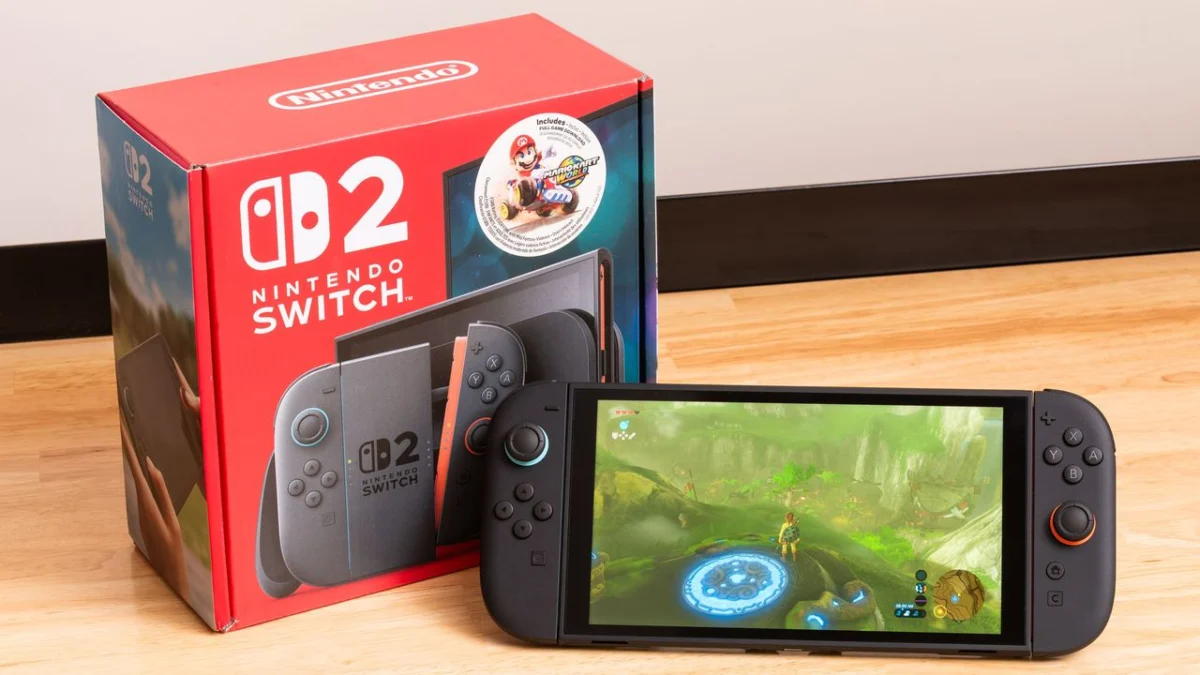
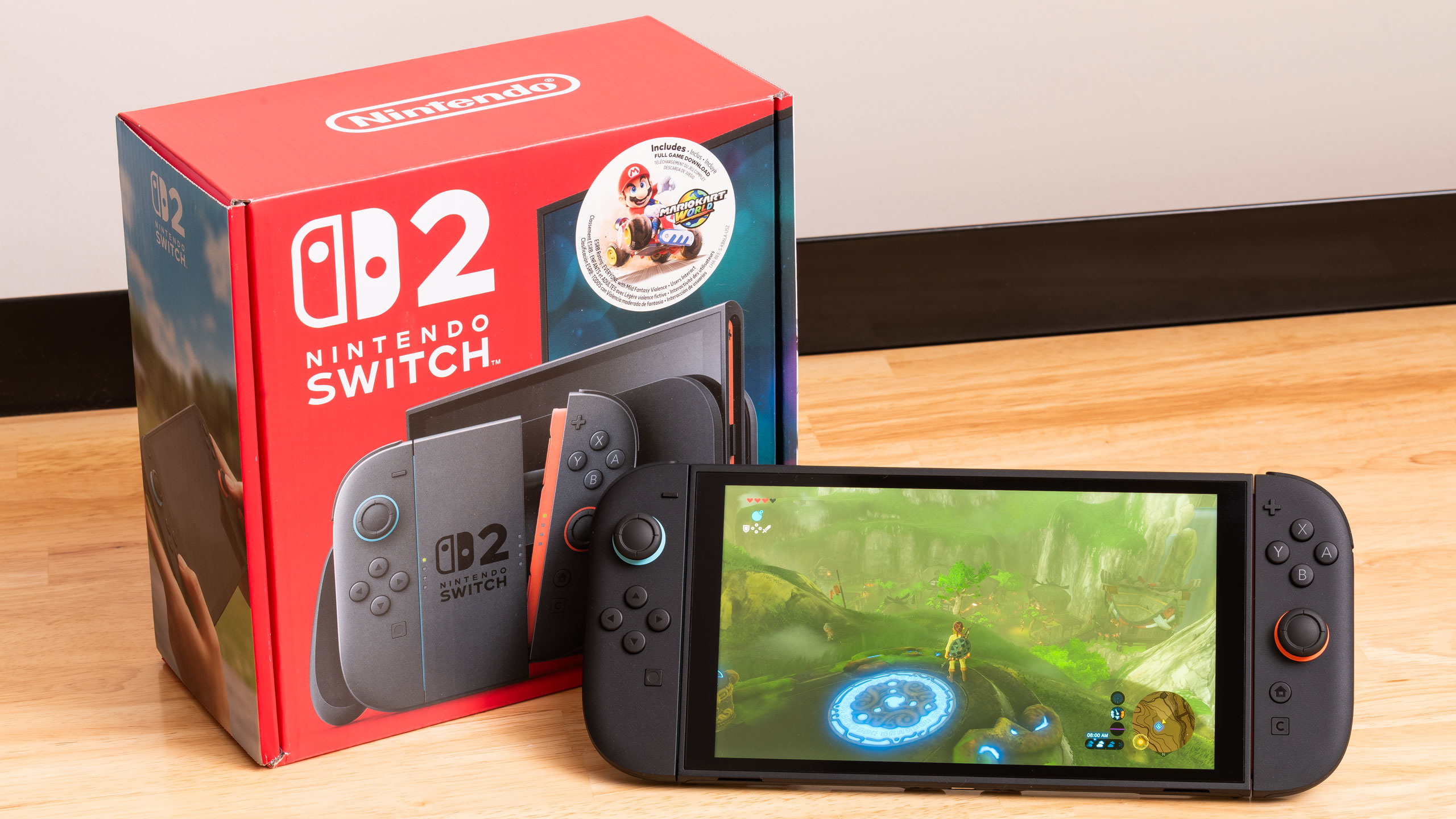
The gaming industry is facing a transformative and turbulent era, defined not by revolutionary software, but by the stark realities of supply chain economics. Following months of speculation and increasingly candid remarks from Nintendo’s leadership, the company has officially confirmed a significant restructuring of its pricing strategy. Beginning September 1, 2026, Nintendo will increase the retail price of the Switch 2 handheld by $50 across North America, bringing the console to a new MSRP of $499—a price point that mirrors the premium cost of the original Switch’s iconic Mario Kart 8 bundle at launch.
This decision, while perhaps expected by industry analysts monitoring the volatility of the semiconductor market, represents a significant hurdle for consumers. The move is not isolated to the United States; it is a global recalibration that signals the end of the era of affordable, high-performance consumer hardware.
The Chronology of the Price Hike
The rollout of these price adjustments is staggered, reflecting the complexities of regional market conditions. For North American consumers, the current $449 price tag remains in effect for the next several months, offering a brief window of opportunity for prospective buyers to purchase the hardware at its original cost. However, come September 1, the jump to $499 will be immediate.
In Canada, the situation follows a similar trajectory. The current price of $629.99 CAD will shift to $679.99 CAD. Meanwhile, European markets—which were already contending with higher baseline costs—will see the Switch 2 rise from €469.99 to €499.99, a move that places the effective cost of the console well above $700 USD when accounting for currency conversion and regional taxes.
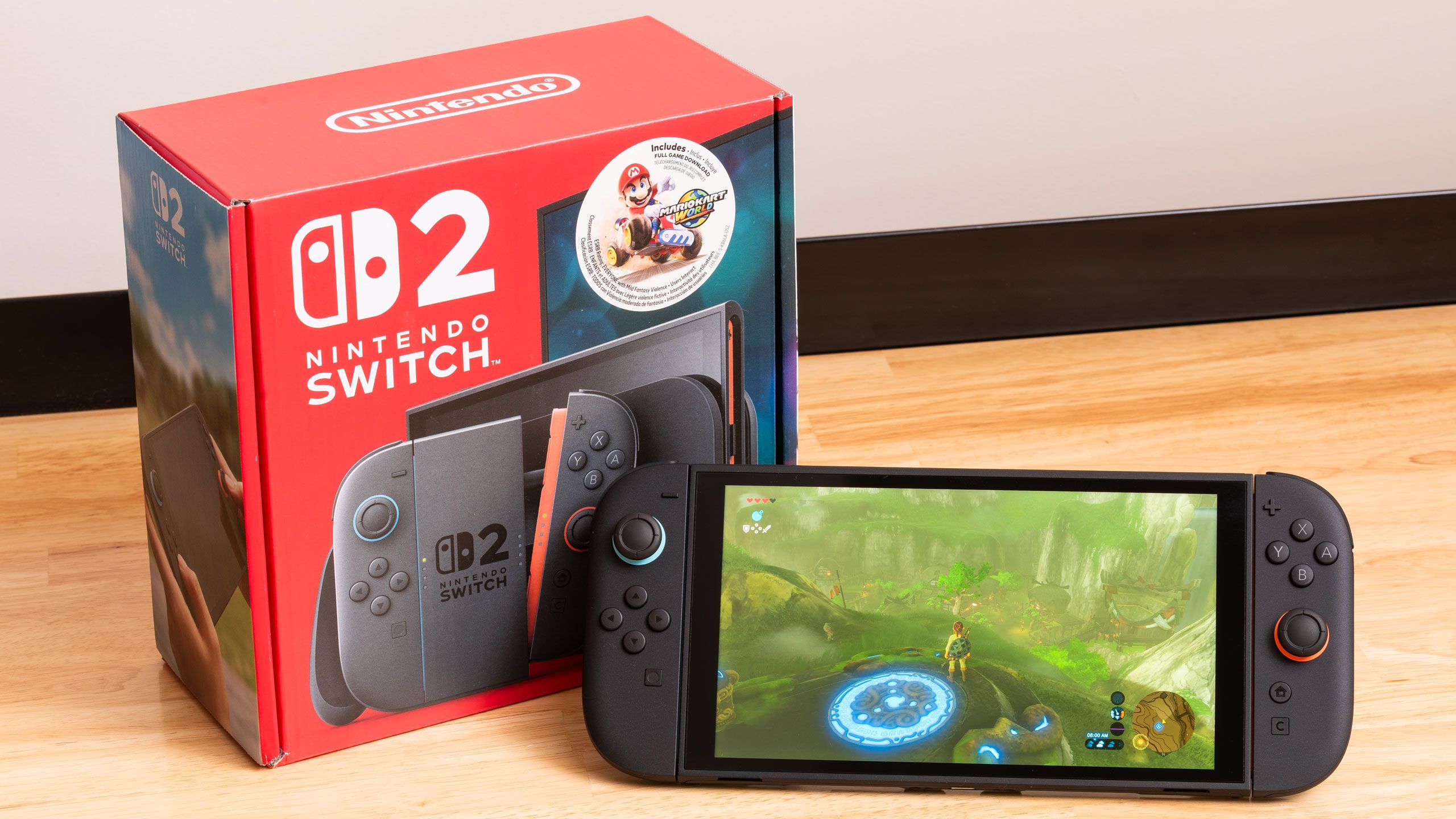
Japan, however, is feeling the brunt of this policy much sooner. Starting May 26, 2026, Japanese consumers will see price hikes across the entire Nintendo hardware ecosystem. The standard Switch 2 model will jump from ¥49,980 ($320) to ¥59,980 ($383). The legacy hardware is not immune, either:
- Switch OLED: Rising from ¥37,980 to ¥47,980.
- Switch Lite: Increasing from ¥21,978 to ¥29,980.
- Switch V2: Adjusting from ¥32,978 to ¥43,980.
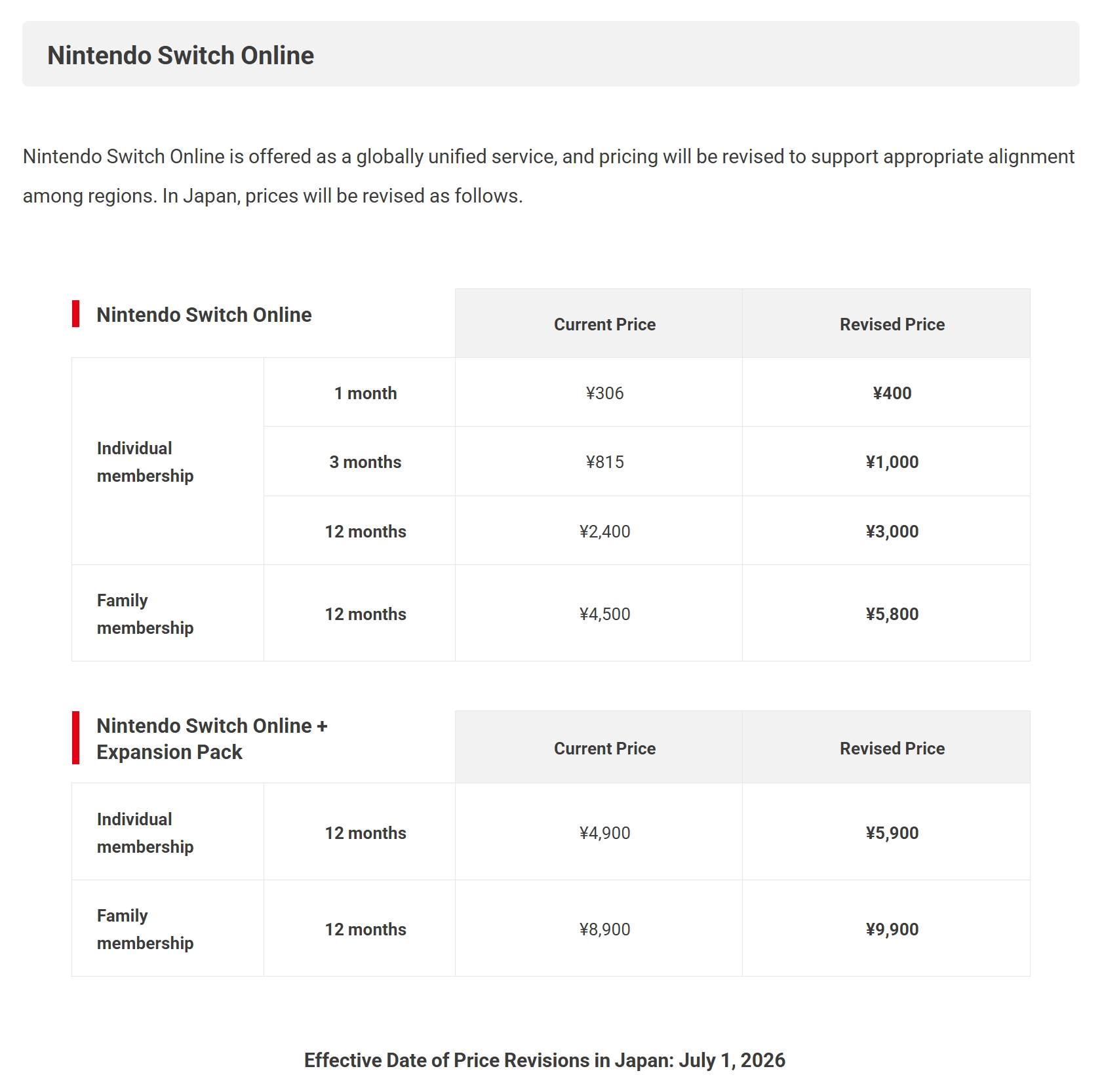
Beyond the hardware itself, the Nintendo Switch Online subscription service—the digital backbone of the console’s multiplayer experience—is also seeing price increases in Japan and South Korea, effective July 1, 2026. Nintendo has stated this is to "support appropriate alignment among regions," a euphemism for correcting historical pricing discrepancies that left these markets paying less than their global counterparts.
Understanding the "AI Crunch" and Component Scarcity
Nintendo’s decision to hike prices does not exist in a vacuum. It is a direct response to the global "AI boom," which has fundamentally altered the supply chain for consumer electronics. The massive, insatiable demand for high-performance computing components—specifically HBM (High Bandwidth Memory), sophisticated storage controllers, and advanced silicon—has created a bottleneck that affects every manufacturer, from boutique PC builders to multinational gaming conglomerates.
Large-scale investment in artificial intelligence by companies like Microsoft and Meta has effectively "bought out" the world’s supply of high-end memory and storage. When a single company allocates $25 billion to AI infrastructure, the resulting scarcity drives up prices for every other player in the tech sector. Nintendo, while a giant in its own right, is competing for the same fab capacity and raw materials as these trillion-dollar AI giants.
The result is a "silicon tax" passed down to the consumer. As manufacturing costs for memory chips and processors soar, companies are left with two choices: absorb the costs and face thinning profit margins, or raise prices and risk consumer alienation.
A Wider Industry Trend
Nintendo is far from the only company navigating these treacherous waters. The gaming and hardware industry has been in a state of rolling price increases for over a year:
- Meta: Last month, Meta adjusted its Quest 3 and Quest 3S lineup, with the former reaching a $600 price point due to the same AI-driven RAM shortages plaguing the rest of the industry.
- Sony: Perhaps the most aggressive actor in this space, Sony has implemented multiple price hikes. Refurbished PS5 Slim consoles recently saw a $100 price increase, and all PS5 models were subjected to significant hikes earlier in the spring. This follows a trend that began in 2025, where Sony added roughly 10% to the cost of its consoles globally.
- The PC Sector: Analysts suggest that mainstream laptops, typically priced around $900, could see retail prices soar to $1,200 or more. The cost of the components inside these machines—CPUs, NAND flash, and DRAM—is rising at a rate that hasn’t been seen in over a decade.
Implications for the Consumer
The implications for the average consumer are profound. We are witnessing the end of a long period of price stability for gaming hardware. For nearly a decade, the console market was defined by accessible, fixed-price platforms. Now, those platforms are becoming increasingly expensive, both in terms of initial hardware investment and ongoing service costs.
1. The Death of the "Entry-Level" Console
With even the budget-friendly Switch Lite seeing a significant price increase in Japan, the barrier to entry for gaming is rising. If this trend continues, we may see a future where "budget" gaming hardware is no longer a viable category, pushing casual gamers toward mobile devices or cloud-based solutions that do not require high-end local hardware.
2. The Normalization of Dynamic Pricing
The fact that Nintendo is aligning regional prices for online subscriptions suggests that the company is moving toward a more centralized, globalized pricing strategy. This minimizes the risk of regional arbitrage but removes the "cushion" that some markets previously enjoyed. Consumers should expect less regional price variance moving forward.
3. Shift in Purchasing Behavior
We are likely to see a shift in how consumers purchase hardware. The "day-one" purchase may become a luxury rather than the norm. As hardware prices climb, the second-hand market will likely become more volatile, and consumers will likely hold onto their existing hardware for longer, delaying the "upgrade cycle" that console manufacturers rely on to maintain growth.
Official Stance and Future Outlook
Nintendo has remained relatively tight-lipped regarding the long-term duration of these prices. In official corporate communications, the company emphasizes the necessity of these moves to maintain their internal standards for quality and innovation. By increasing prices, they are ostensibly attempting to insulate their supply chain from the worst of the market volatility.
However, critics argue that the move could stifle adoption rates for the Switch 2, particularly if the economic climate continues to tighten. The challenge for Nintendo will be proving that the value proposition of their upcoming software library outweighs the increased cost of the hardware itself.
Conclusion
The price hikes announced by Nintendo are a sobering reflection of our current technological landscape. The integration of AI into every facet of the global economy has created a scarcity of components that was previously unimaginable. While the $50 increase for the Switch 2 may seem incremental to some, it is a symptom of a much larger, systemic shift.
As we move toward the latter half of 2026, the question is no longer just about which console to buy, but how the market will adjust to a new, higher baseline for the cost of digital entertainment. For now, consumers in North America and beyond have a small window to navigate these changes, but the message from the industry is clear: the cost of silicon is rising, and the consumer is increasingly being asked to pick up the tab.












No comments yet. Be the first to join the conversation!