

The modern cultural landscape is currently undergoing a peculiar, almost atavistic transformation. As we navigate the complexities of a fast-paced, digital-heavy, and increasingly fragmented world, our collective attention has diverged into a “choose-your-own-adventure” narrative. This week, we find ourselves at a metaphorical fork in the road, one that leads us deep into the damp, shadowed realms of literary bogs, the sprawling, dangerous dungeons of fantasy epics, and the quiet, contemplative majesty of ancient forests.
Whether it is the surging popularity of the Dungeon Crawler Carl series, the sudden, inexplicable cultural obsession with peat-heavy wetlands, or the enduring appeal of the natural world—epitomized by the excitement surrounding the Wildwood cinematic adaptation—our current appetites suggest a profound desire for escapism. We are collectively seeking out specific, tactile locales that ground us, even as our attention spans are pushed to the brink by an overwhelming influx of content.
Main Facts: The Fragmentation of the Cultural Diet
It is May, a time when the entertainment industry typically ramps up its “blockbuster” efforts. Yet, the current cinematic landscape feels strangely disjointed. While major franchises—including the latest entries from the Star Wars universe—are vying for audience attention, there is a pervasive sentiment that these spectacles often feel more like extended television episodes than transformative theatrical experiences. The grandeur of the silver screen seems to be waning in favor of a fragmented, “on-demand” viewing habit.
Conversely, the world of literature is witnessing a massive, robust surge. This week alone, the publishing industry has delivered a heavy-hitting slate: a new novel from Ann Leckie, set in the expansive Imperial Radch universe; the latest installment of the cult-favorite Dungeon Crawler Carl; and a highly anticipated series-starter from Veronica Roth. These releases are joined by a collection of works from established literary figures, creating a crowded, often dizzying marketplace.
This contrast raises a critical question: Are our attention spans truly becoming more scattered, or is this a reflection of the current state of the world? The sheer volume of high-quality, high-stakes literature suggests that while we may be losing our patience for the “mid-budget” movie, we are doubling down on long-form, immersive storytelling.
Chronology of a Cultural Shift
The evolution of these interests did not happen overnight. To understand the current obsession with “bog life” and the “dungeon crawl,” we must look at the trajectory of the past 24 months.
- Early 2025: The rise of “cottagecore” and its darker, more atmospheric sibling, “goth-ecology,” began to gain traction on social media platforms. Users began prioritizing aesthetics centered around decomposition, wetlands, and the untamed wilderness.
- Late 2025: The publication of Kay Chronister’s The Bog Wife served as a pivotal moment for the “bog-lit” subgenre. Its themes of isolation, inherited trauma, and the literal consumption of the family unit by the land struck a nerve with a public seeking more “unnerving” and “weird” narratives.
- Spring 2026: We are currently in the midst of “Bog Season.” Reports from major cultural outlets like The New York Times indicate that peatlands and wetlands have become the primary motifs in fashion, high-end literature, and digital art.
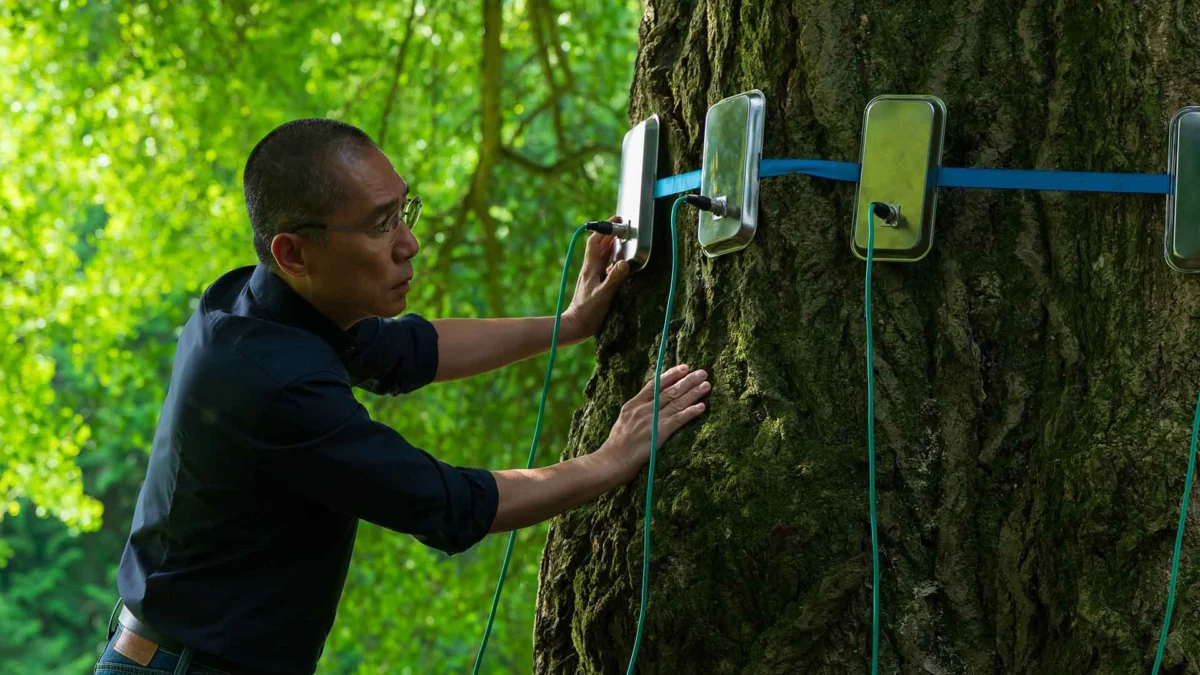
- May 2026: The release of high-profile fantasy and science fiction novels has solidified the shift toward deep-world building. Simultaneously, interviews with high-caliber actors like Tony Leung—who has transitioned from the intensity of Wong Kar-wei’s dramas to acting alongside a tree in the upcoming Silent Friend—have bridged the gap between high-art cinema and our newfound reverence for the natural world.
Supporting Data: The Wellness of Engagement
Perhaps the most fascinating development in this narrative is the scientific validation of our consumption habits. A study highlighted by CNN this month posits that the frequency and variety of our engagement with the arts may have a direct impact on the aging process. The study suggests that individuals who frequently immerse themselves in books, films, and museums exhibit signs of slower biological aging.
While scientists are quick to warn against correlation-causation fallacies—noting that individuals who are biologically younger may simply have the energy to engage more with the arts—the sentiment remains a powerful motivator for the modern consumer. The implication is clear: reading a challenging book or watching a complex foreign film is not merely a hobby; it is a form of cognitive maintenance.
However, skepticism remains warranted. We have seen cycles of “health-positive” trends before—the shifting status of coffee, the oscillating benefits of wine—and we must approach this data with a grain of salt. Nevertheless, if the trade-off for staying “younger” is reading more novels like Elaine Kraf’s Memory House—a posthumously published work about artists faking their deaths to escape the decline of fame—the general public seems more than willing to sign up.
Official Responses and Cultural Criticism
Critics are pointing to the “strange, tantalizing” nature of current trends as a reaction to a world that offers no easy solutions. When asked about his recent work in Silent Friend, where he acts with a tree, the legendary Tony Leung offered a poignant, if simple, reflection: “It felt amazing.”
This response serves as a microcosm for the broader cultural sentiment. Whether it is Leung’s minimalist, profound performance or the complex, slow-moving dread of a novel like The Bog Wife, the audience is signaling a preference for depth over speed.
The industry, however, is struggling to keep pace. While books are “big,” the film industry is finding it difficult to reconcile the desire for “big” movies with the reality of an audience that is increasingly distracted. The “Star War” fatigue mentioned by many cultural observers is a direct result of trying to feed a hungry audience a diet of repetitive content when they are actively craving the “weird,” the “eerie,” and the “tactile.”
Implications: The Path Forward
What does this mean for the future of our cultural consumption?
- The Rise of the Niche: We are moving away from a singular, monocultural experience. The popularity of Dungeon Crawler Carl shows that niche, serialized storytelling can command the same level of attention as a global blockbuster.
- The Natural World as Character: Whether it’s the bog in Chronister’s work or the trees in Leung’s Silent Friend, nature is no longer just a backdrop. It is becoming an active participant in our stories, reflecting our growing anxiety about the environment and our desire to reconnect with the earth.
- The Quest for “Dry Toes”: There is a persistent irony in our obsession with bogs and dungeons—we want to explore them, but we want to do so from the safety of our own homes. We want to be “in” the bog, but we don’t want to step in it. This reflects a desire to experience danger and complexity without the physical consequences.
Ultimately, this week’s cultural offerings remind us that we are in control of our own intellectual and emotional journeys. We can choose the dungeon, we can choose the bog, or we can choose to go talk to a shrub. As the data suggests, keeping our minds active by engaging with these diverse, sometimes bizarre, and often deeply human stories is the best way to move forward.
So, take the time to call your representatives, reach out to your friends, and find your own “Memory House” to retreat into. In a world that feels increasingly scattered, the act of choosing your own adventure is the most radical form of self-care available. The path is open; the foliage may vary, but the destination is entirely up to you.









No comments yet. Be the first to join the conversation!