

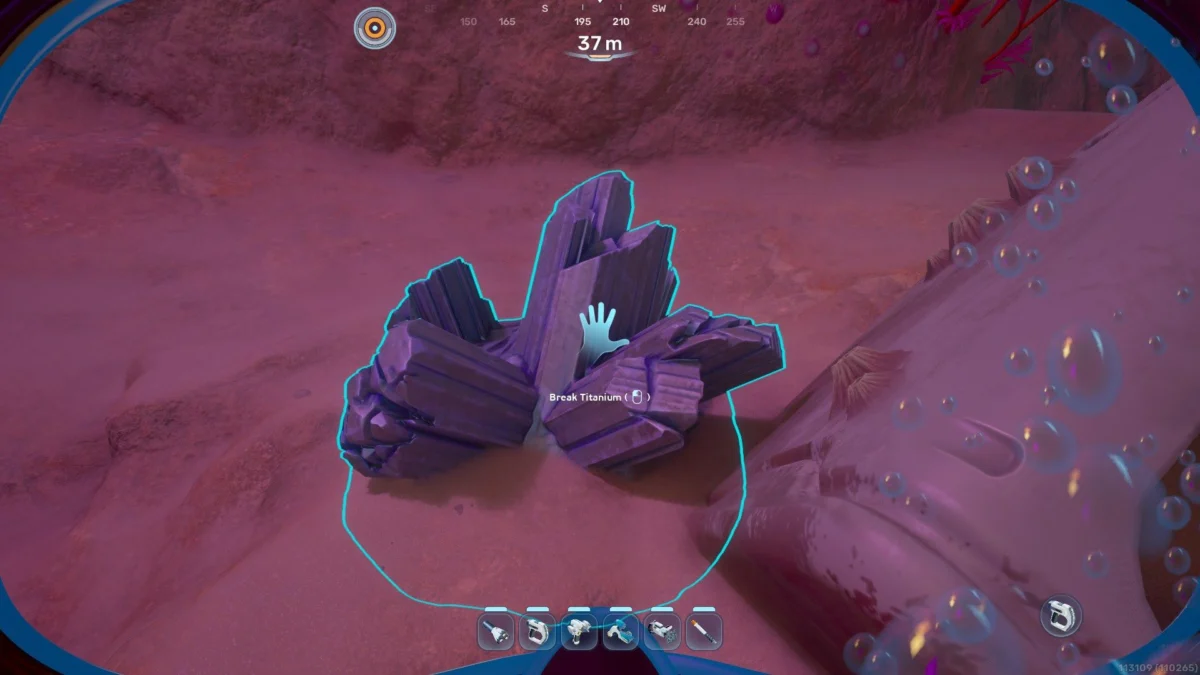
In the vast, alien oceans of Subnautica 2, survival is not merely about finding enough food or oxygen; it is about scaling your production capabilities to match the challenges of an increasingly hostile environment. While basic resources like raw Titanium are abundant near your initial Lifepod, the transition to mid-game equipment requires a significant leap in manufacturing complexity. The key to this transition is the Titanium Ingot—a fundamental building block for advanced survival tools.
The Foundation: Raw Titanium and the Processor
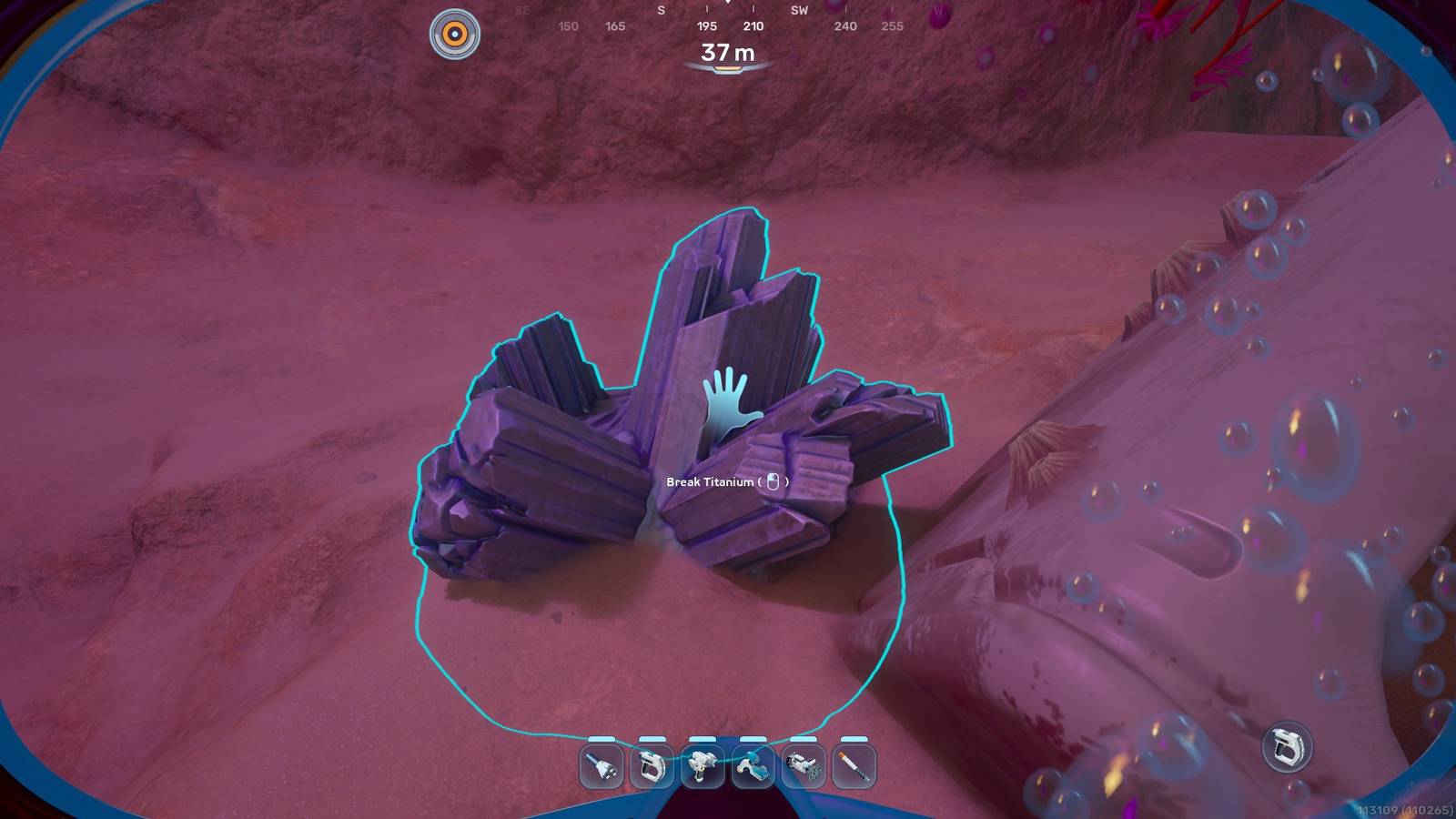
As soon as players emerge from their Lifepod in Subnautica 2, they are introduced to the game’s core survival loop. Titanium is ubiquitous, found in surface deposits and scrap metal scattered across the seabed. However, for players looking to craft high-tier gear like the Repair Tool, the Sonic Resonator, or the life-sustaining Bioreactor, raw material is insufficient.
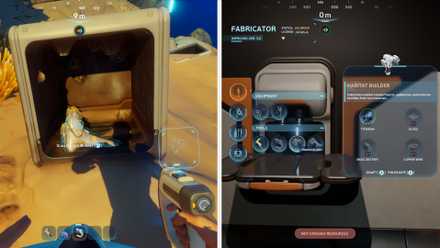
To refine these resources, you must unlock the blueprint for the Processor. Unlike the standard Fabricator, the Processor is a habitat-based machine capable of synthesizing complex materials. Players can typically locate a functional Processor by exploring nearby wreckage sites. The most accessible location for early-game players is the Cicada Shipwreck, situated approximately 260 meters southwest of the primary starting Lifepod. Utilizing your Scanner on this hardware will grant you the necessary blueprints to construct your own.
Chronology of Construction: Step-by-Step
Successfully building a functional Processor requires a systematic approach to resource gathering and crafting. The construction process is broken down into several distinct phases:

Phase 1: Securing the Blueprints
Before you can process materials, you must master the Scanner. Every piece of advanced technology in Subnautica 2 is gated behind scanning specific environmental objects. Players should prioritize exploring the surrounding biome for wreckage. Once you have scanned a derelict Processor, the blueprint is permanently added to your Habitat Builder’s repertoire.
Phase 2: Gathering Raw Components
To build the Processor, you will need a variety of materials:
- Copper Wire: This is crafted via the Fabricator using two pieces of Copper. Copper is found in outcroppings on cave walls and the seafloor throughout the starter zone.
- Mild Acid: A crucial, often overlooked component. This is crafted using two Acidic Raion Pouches and a piece of Copper.
- Harvesting Acidic Raion Pouches: These organisms are easily identifiable by their brain-like appearance with a glowing Medigel center. They are primarily found in deeper, cave-heavy biomes. Important Note: You cannot simply pick these by hand. You must utilize your Survival Multitool to cut them from their environment.
Phase 3: Assembly
Once you have gathered your materials, use the Habitat Builder to place the Processor in your base. Ensure that your base has sufficient power—the Processor is an energy-intensive machine, consuming 10 units of power per second during operation. Without a robust network of Solar Panels, your efforts to refine materials will be constantly interrupted by energy failure.
Supporting Data: The Efficiency of the Ingot
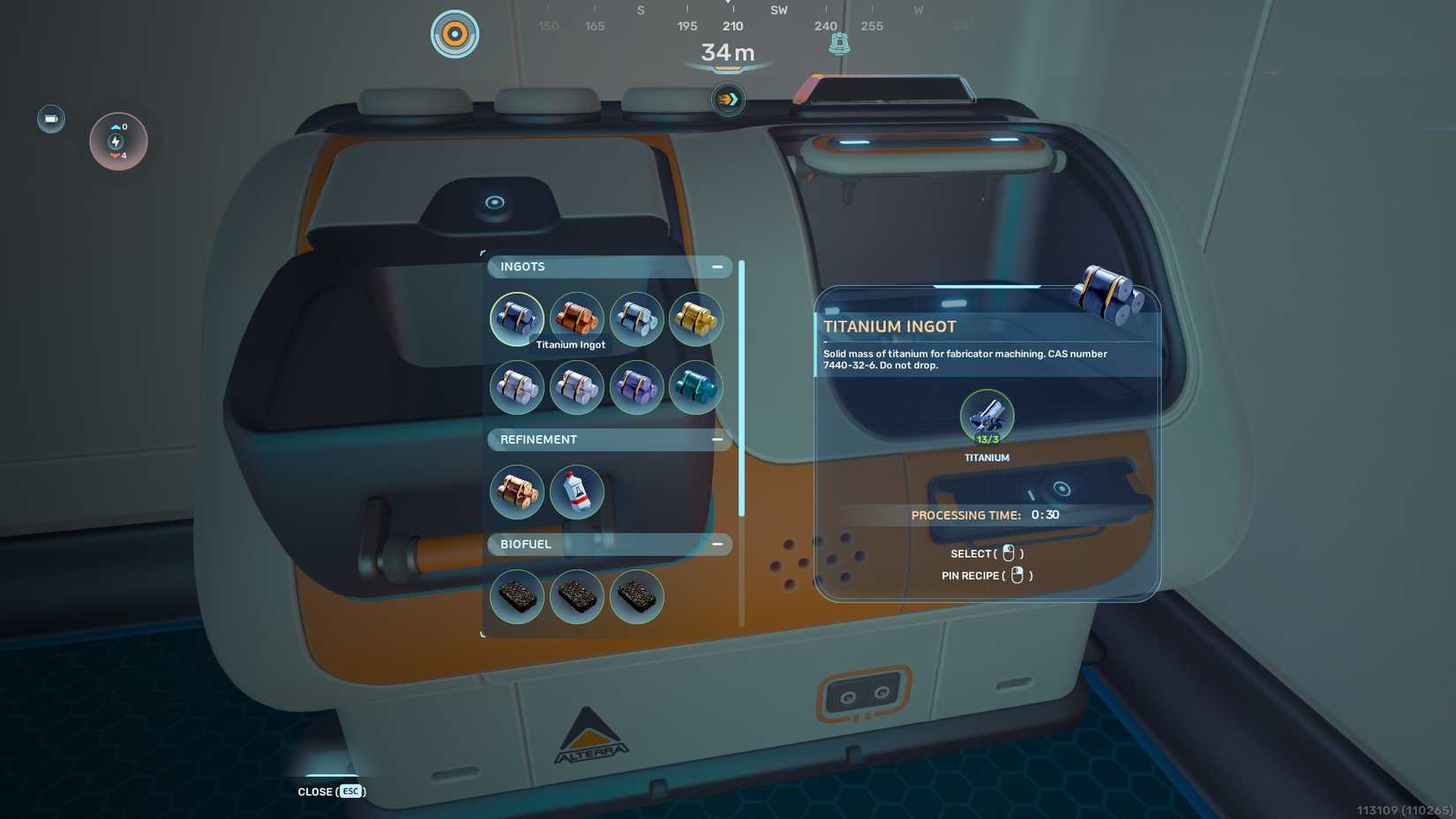
Once the Processor is operational, the conversion process begins. Each Titanium Ingot requires three pieces of raw Titanium and a 30-second processing window. While this may seem slow, it is an essential investment for the following reasons:
| Item | Required Ingots | Utility |
|---|---|---|
| Repair Tool | 1 | Vital for maintaining base integrity and fixing damaged vehicles. |
| Sonic Resonator | 2 | Necessary for harvesting high-density resource nodes. |
| Bioreactor | 2 | Increases habitat power output, crucial for late-game base expansion. |
The Sonic Resonator, in particular, acts as a "gateway" tool. Early in the game, your standard Multitool is insufficient for harvesting larger mineral deposits found in dangerous zones. By upgrading to the Sonic Resonator, you effectively double your resource gathering speed, allowing you to focus on exploration rather than manual mining.
Official Context and Developer Vision
Subnautica 2, developed by Unknown Worlds Entertainment and published by Krafton, represents a massive leap for the survival genre. Released into Early Access on May 14, 2026, the game is built upon the robust Unreal Engine 5, allowing for a level of graphical fidelity and physics interaction that surpasses its predecessor.
In recent developer updates, the team at Unknown Worlds highlighted the "bottleneck design" philosophy. By requiring players to build specific machines like the Processor to access higher-tier materials, the developers intend to pace the player’s progression. This ensures that players do not rush into deep-sea biomes before they have the equipment necessary to survive the increased environmental pressure and aggressive fauna. The introduction of 1–4 player online co-op also means that resource gathering can be shared, turning the once-solitary slog of gathering Titanium into a collaborative effort.
Implications for Exploration
The shift from raw gathering to industrial processing has profound implications for your gameplay loop. In the original Subnautica, the focus was often on individual item management. In Subnautica 2, the focus is on "Base-Centric Survival."
By centering your gameplay around the Processor and the Bioreactor, you are encouraged to establish permanent, secure habitats rather than relying on mobile lifeboats. This shift allows for the integration of cross-platform play, ensuring that whether you are on PC or Xbox Series X|S, your base-building strategies remain consistent.
Recommendations for New Players
- Prioritize Solar Power: Do not attempt to build a Processor until you have at least three or four Solar Panels attached to your habitat. Running out of power while refining Titanium can lead to a total stall in your progress.
- Inventory Management: Titanium is heavy. When planning a run to gather materials for ingots, leave at least 50% of your inventory space open.
- The "Medigel" Hunt: Don’t ignore the Acidic Raion Pouches. Because they are found in tunnels, it is easy to get lost or run out of oxygen. Always carry a spare Oxygen Tank or a Seaglide when hunting for these components.
- Strategic Deployment: Place your Processor near your primary storage lockers. Since Titanium Ingots are intended for bulk crafting, minimizing the distance between your resource storage and your processing unit is a significant quality-of-life optimization.
Conclusion
The path to mastering Subnautica 2 is paved with Titanium. By understanding how to move from simple raw materials to the sophisticated processing of ingots, players can unlock the full potential of their equipment. Whether you are playing solo or with a team of up to four, the Processor is the heart of your technological evolution. As you delve deeper into the mysterious depths of this alien ocean, remember that your ability to manage your resources is just as important as your ability to outswim the predators lurking in the shadows. Keep your base powered, your scanners charged, and your blueprints organized—the depths await.












No comments yet. Be the first to join the conversation!