

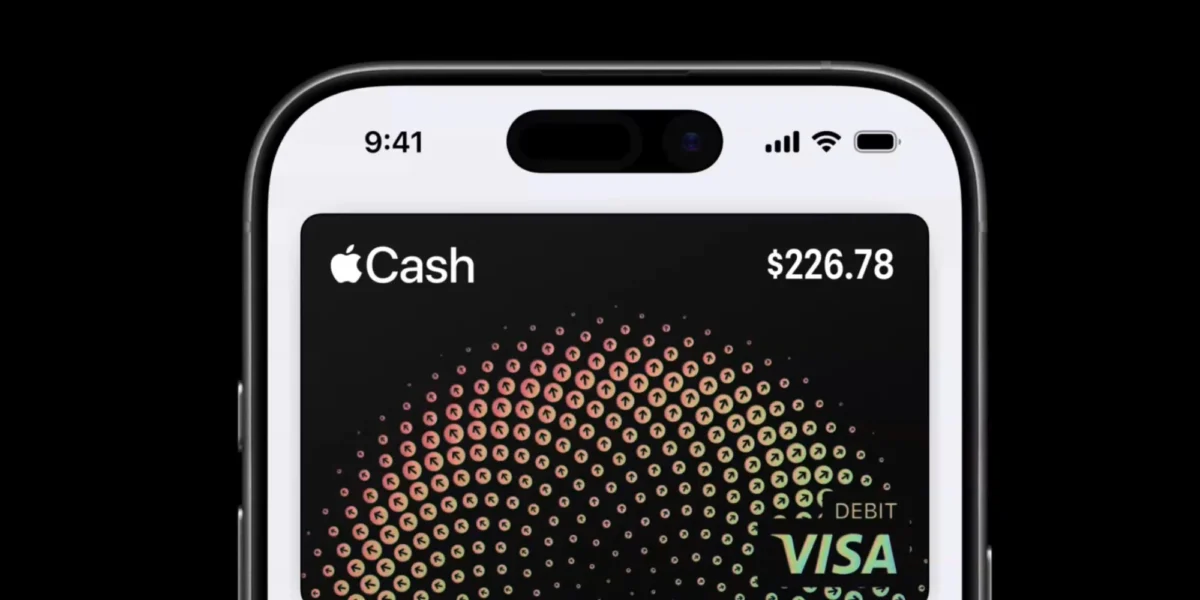
Update: Apple has officially updated its System Status dashboard, confirming that the service disruptions affecting Apple Cash have been fully resolved. Users should now be able to resume making purchases and transferring funds without further incident. The following report details the timeline and scope of the event.
Executive Summary: A Digital Wallet Interruption
For several hours today, users across the United States reported intermittent failures when attempting to utilize Apple Cash for peer-to-peer payments and retail transactions. The outage, which was officially acknowledged by Apple’s support infrastructure, prompted a wave of user reports across social media platforms and service monitoring sites.
While the incident was relatively short-lived, it highlighted the growing reliance on Apple’s financial ecosystem. As the company continues to integrate Apple Cash deeper into the daily routines of iPhone, iPad, and Apple Watch users, even minor disruptions in service availability can lead to significant inconvenience for consumers attempting to pay for goods or settle debts in real-time.
Chronology of the Disruption
The instability began in the late afternoon, catching many users off guard during peak shopping and commuting hours. Based on official data from the Apple System Status page and corroborated by real-time diagnostic reports, the timeline of the event unfolded as follows:
The Initial Onset (6:11 p.m. ET)
At approximately 6:11 p.m. ET, Apple’s internal monitoring systems identified a performance degradation. The company’s support portal noted that "some users" were experiencing issues, specifically regarding the ability to complete retail purchases using the Apple Cash balance stored in their Apple Wallet.
The Secondary Incident (7:45 p.m. – 8:00 p.m. ET)
While engineers were working to rectify the primary issue, a second, distinct incident occurred. This secondary outage lasted exactly 15 minutes. Unlike the initial issue—which was strictly limited to point-of-sale purchase functionality—this second hiccup appeared to affect broader utility, with reports suggesting that users were entirely unable to access their Apple Cash accounts or perform basic interface tasks within the Wallet app.
![Apple Cash is down for some iPhone users in the U.S. [U: Fixed]](https://i0.wp.com/9to5mac.com/wp-content/uploads/sites/6/2026/01/apple-cash-ios-fi.jpg?resize=1200%2C628&quality=82&strip=all&ssl=1)
Stabilization and Recovery
Following the resolution of the 15-minute secondary outage, traffic began to normalize. By late evening, Apple had updated its status page to reflect that all systems were functioning as expected. The resolution marked the end of a frustrating few hours for thousands of users who had taken to platforms like X (formerly Twitter) to express their inability to complete transactions.
Supporting Data and User Impact
The impact of the outage was tracked through a combination of official channels and third-party monitoring services like DownDetector.
Trend Analysis
DownDetector, which relies on user-submitted reports to track service health, saw a sharp spike in reports beginning shortly after 6:00 p.m. ET. The volume of complaints peaked around 7:30 p.m., just before the second, brief outage occurred. As the night progressed, the trend line for reports began a steady downward trajectory, aligning with Apple’s internal status updates.
Geographical Scope
While Apple Cash is a feature primarily designed for the U.S. market, the concentration of reports suggested a nationwide impact rather than a localized server failure. Users from both coasts reported similar issues, indicating a centralized backend failure within Apple’s financial services infrastructure rather than a regional network error.
User Sentiment
Social media discourse during the event was characterized by confusion and frustration. Common complaints included:
- Failed Point-of-Sale Transactions: Users at retail registers found their Apple Cash cards declined despite having sufficient balances.
- Balance Refresh Failures: Many users reported that their balance was failing to load, showing a blank screen or a "Try again later" error message.
- Inability to Send Peer-to-Peer Payments: Several users noted that messages sent via iMessage containing Apple Cash payments were failing to process, leading to "payment failed" notifications.
Official Responses and Technical Context
Apple’s approach to the incident followed its standard protocol for service disruptions: transparency through the System Status page, followed by quiet resolution.
![Apple Cash is down for some iPhone users in the U.S. [U: Fixed]](https://9to5mac.com/wp-content/uploads/sites/6/2026/01/apple-cash-ios-fi.jpg?quality=82&strip=all&w=1600)
The Apple System Status Dashboard
Apple’s dedicated support page serves as the "single source of truth" for service health. By distinguishing between the two separate issues, Apple demonstrated a high level of diagnostic granularity.
- Issue 1: Categorized as a "Purchase Failure," lasting several hours.
- Issue 2: Categorized as a broader "Service Usage Failure," lasting 15 minutes.
By providing this breakdown, Apple differentiates between server-side payment gateway issues (which affect retail terminals) and app-level connectivity issues (which affect the user’s ability to interact with their account).
Implications for Apple’s Financial Ecosystem
The outage, while resolved, raises important questions regarding the scalability and reliability of Apple’s financial services. As Apple increasingly competes with traditional banking institutions and established fintech players like PayPal and Venmo, expectations for "five-nines" (99.999%) availability become the industry standard.
Reliance on Digital Wallets
The event serves as a microcosm of the risks inherent in the transition toward a cashless society. As more consumers replace physical wallets with digital equivalents, their ability to function in daily life becomes tethered to the uptime of a single corporation’s cloud servers.
The Security-Availability Tradeoff
Often, service outages in fintech occur when security protocols are updated or when database synchronization processes fail. While Apple has not provided a root-cause analysis, such outages are rarely the result of malicious attacks; rather, they are typically the byproduct of backend maintenance, server load balancing, or certificate expiration. For Apple, maintaining the trust of its users is paramount. Financial services carry a higher burden of proof regarding stability than other Apple services like iCloud or Apple Music.
Future Mitigation Strategies
To prevent future occurrences, analysts expect Apple to continue investing in decentralized server architecture. By spreading the load across more localized data centers, the company can ensure that even if one server node fails, the overall service remains available to the end user.
![Apple Cash is down for some iPhone users in the U.S. [U: Fixed]](https://9to5mac.com/wp-content/themes/ninetofive/dist/images/google-preferred-source-badge-dark.png)
Conclusion
The Apple Cash outage was a brief but significant reminder of the fragility of digital financial systems. While the inconvenience was limited to a few hours, it highlighted the absolute necessity for constant uptime in the modern digital economy. With services now restored, Apple users can return to their typical transactional habits.
Moving forward, the tech community will be watching to see if Apple releases a more detailed post-mortem report regarding the failure. For now, the prompt resolution and clear communication on the System Status dashboard provide some reassurance that the company is taking the necessary steps to harden its infrastructure against similar incidents in the future.
If you are still experiencing issues with your Apple Cash account, we recommend force-closing the Wallet app, ensuring your device is updated to the latest version of iOS, and checking the Apple System Status page for the most recent updates.












No comments yet. Be the first to join the conversation!