

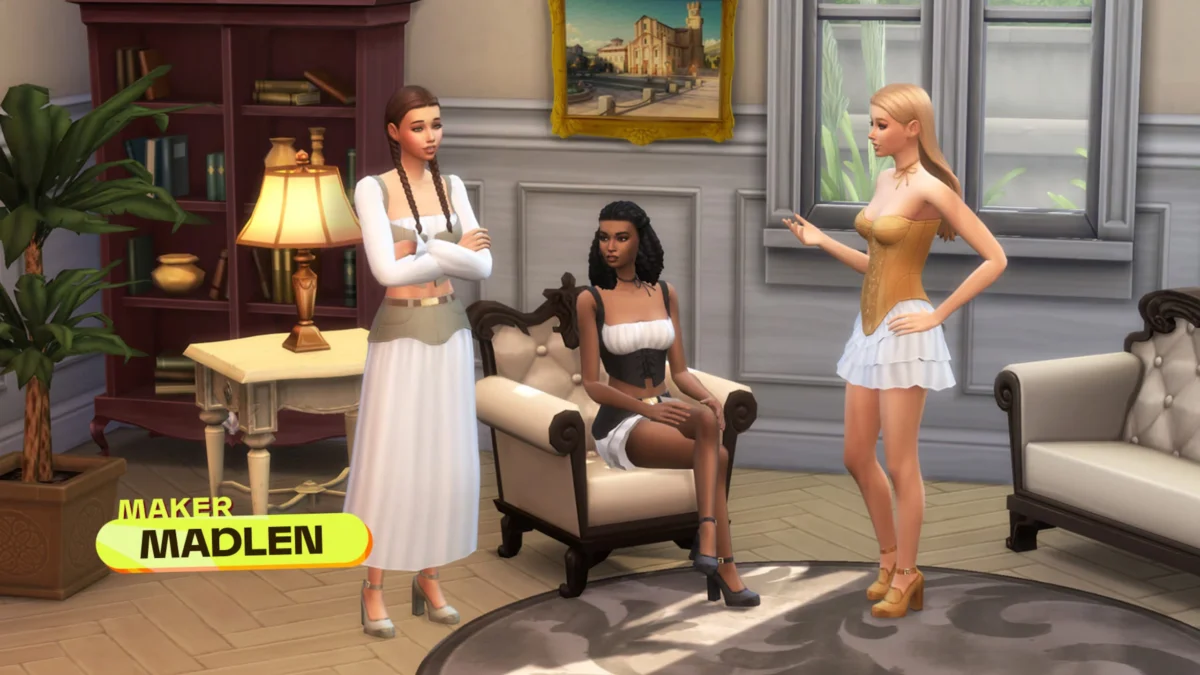
The landscape of The Sims 4 has undergone a significant shift as Electronic Arts (EA) and Maxis officially bring the "Marketplace"—a dedicated hub for creator-led content and curated mods—to PlayStation and Xbox consoles. This rollout comes approximately one month after its initial, and somewhat turbulent, debut on PC. As the franchise pushes deeper into the territory of premium user-generated content, the move has ignited a fresh wave of debate regarding digital storefront practices, the implementation of premium currencies, and the evolving relationship between a publisher and its long-standing modding community.
Main Facts: The Console Integration
The arrival of the Marketplace on consoles marks a bridge between the PC and console experience, ostensibly offering parity in how players access additional content. However, the mechanism for this access has fundamentally changed. The core function of the Marketplace is to host creator-made content, effectively formalizing the "modding" scene into a controlled, monetized ecosystem.
For console players, this update is more than a simple patch; it is a structural change to how the game is monetized. Most notably, EA has moved to restrict the direct purchase of "Kits"—the game’s bite-sized DLC packs—on the PlayStation and Microsoft stores. Instead, players are now incentivized or required to utilize "Moola," the game’s proprietary premium currency, to acquire these items. This transition mirrors the PC model, which faced immediate scrutiny from the community upon its launch last month.
Chronology: From PC Pilot to Console Expansion
To understand the current tension, one must look at the timeline of these changes:
- Early 2026 (Pre-Marketplace Era): The Sims 4 continues to rely on traditional DLC models, including Expansion, Game, and Stuff packs, alongside Kits, all purchased via standard currency (USD, EUR, etc.) on storefronts like Steam, the EA App, and console marketplaces.
- March 2026: The Marketplace and the Moola currency system debut on PC. The reception is lukewarm at best, with many long-time players criticizing the "obfuscation" of value created by virtual currencies.
- April 2026: The Marketplace expands to PlayStation and Xbox. Simultaneously, a leaked internal memo surfaces, suggesting that EA is feeling the pressure of the backlash.
- Late April 2026: Reports emerge indicating that EA is backtracking on the PC platform, restoring the ability to purchase Kits directly without Moola on the EA App and Steam, while console players remain tethered to the new, restrictive system.
Supporting Data: The "Moola" Controversy
The criticism surrounding "Moola" is a textbook case of consumer psychology friction. By introducing an intermediary currency, developers effectively distance the consumer from the actual monetary cost of their purchase.
Industry analysts often point to the "Denomination Trap" as a primary reason for user dissatisfaction with premium currencies. When items are priced at, for example, 350 Moola, but the currency is sold in bundles of 500 or 1,000, players are left with "dust"—small, unusable remainders of currency. This structure ensures that users are almost never able to spend exactly what they have, creating a psychological "sunk cost" loop that encourages further spending to "clean up" the remaining balance.
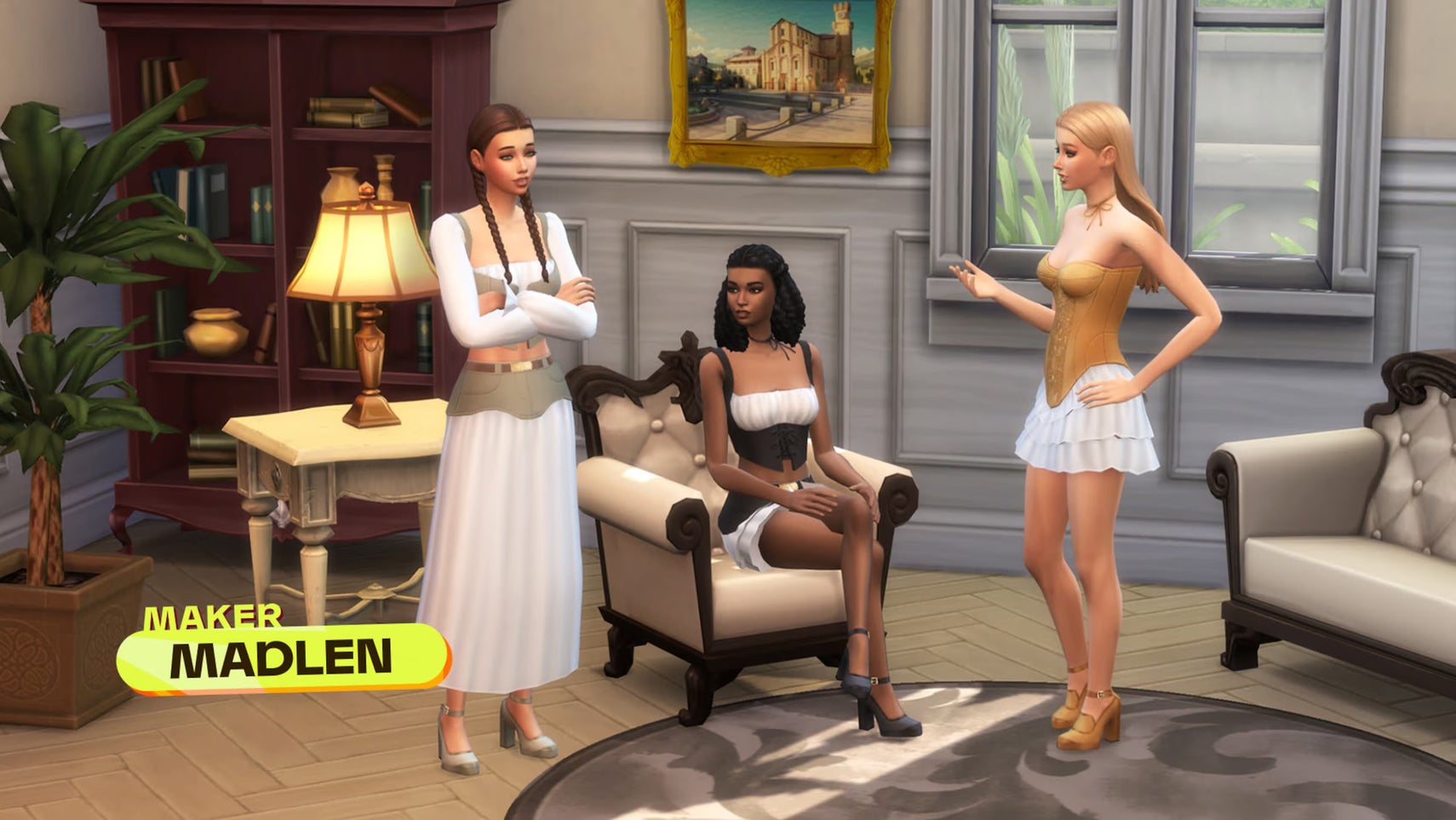
Furthermore, by moving Kits into the Marketplace and away from direct platform storefronts, EA gains greater control over the transaction data, bypasses some of the visibility requirements of console storefronts, and creates a walled garden where they can more easily bundle user-created content with their own official DLC.
Official Responses and Internal Shifts
In its official blog post regarding the console launch, Maxis emphasized the "seamless integration" and the opportunity for creators to reach a wider audience. The developer stated:
"The Marketplace represents our commitment to the creative community, providing a safe, verified environment for players to discover and support the talent within our ranks, while streamlining the experience for console users."
However, the "leaked memo" referenced by SimsCommunity tells a more complex story. The document suggests that EA executives are monitoring the "conversion sentiment"—a metric measuring how players feel about the purchasing process. The rapid pivot back to direct-purchase Kits on the EA App and the impending return on Steam suggests that the "Moola-only" model may have caused a measurable dip in sales or a significant spike in negative player sentiment that the company felt compelled to address.
Crucially, this reversal currently excludes consoles. The discrepancy between the PC and console experience suggests that EA is currently treating the two ecosystems as separate test beds. It is highly likely that the company is waiting to see if console users—who generally have fewer options for modding than their PC counterparts—will accept the Moola model more readily than the PC player base did.
Implications: The Future of Modding and Ownership
The broader implications of this move are significant for the gaming industry at large. The Sims franchise has historically thrived because of its "open" modding community. By bringing user-created content under the corporate umbrella, EA is effectively moving to capture the value that the community has generated for free for over a decade.

1. The Erosion of "True" Modding
The transition from free, community-hosted mods (found on sites like ModTheSims) to a curated, paid marketplace changes the nature of the relationship between creator and player. When content is sold, it is subject to stricter quality control, content moderation, and—eventually—potential obsolescence if the game’s core code is updated.
2. Digital Inflation
By forcing the use of Moola, EA is effectively decoupling the game’s economy from the real world. This allows for "shadow inflation," where the price of digital assets can be adjusted by changing the currency exchange rate or the cost of Moola bundles without the immediate transparency of a direct price hike.
3. The Platform Divide
The current state of The Sims 4 highlights a growing disparity in consumer rights. PC users have historically held more power due to their ability to bypass official channels (via mods and custom content). Console users, however, are entirely reliant on the developer’s ecosystem. If the Moola-only model becomes the permanent standard for consoles, it sets a precedent for how future "Service Games" may lock console players into proprietary ecosystems while offering more flexible options to their more vocal and technically proficient PC counterparts.
Conclusion: A Delicate Balancing Act
As The Sims 4 continues to evolve, the Marketplace stands as a testament to the ongoing struggle between monetization and community goodwill. For many, the ability to buy specific, high-quality user-created items is a welcome convenience. For others, the shift toward a premium currency model feels like a predatory step that obscures the value of their purchases and seeks to monetize a community that built the franchise’s longevity.
For console players, the road ahead is uncertain. Will EA extend the "PC reversal" to the PlayStation and Xbox stores? Or will the company continue to test the limits of their captive audience? As it stands, the launch of the Marketplace on consoles is a significant milestone, but one that is marred by the same economic questions that have plagued the industry’s shift toward digital-only, live-service models.
For those eager to dive into the latest content, the game remains as deep and complex as ever. Whether you choose to navigate the new Marketplace or stick to the traditional DLC packs, the best advice for players remains unchanged: be mindful of the currency bundles you purchase, and always keep a backup of your save files. As the developers continue to iterate on this system, the community’s voice—expressed through both their wallets and their feedback—will likely remain the deciding factor in whether the Marketplace becomes a cherished hub for creativity or a cautionary tale in digital monetization.











No comments yet. Be the first to join the conversation!