Ali Ikhwan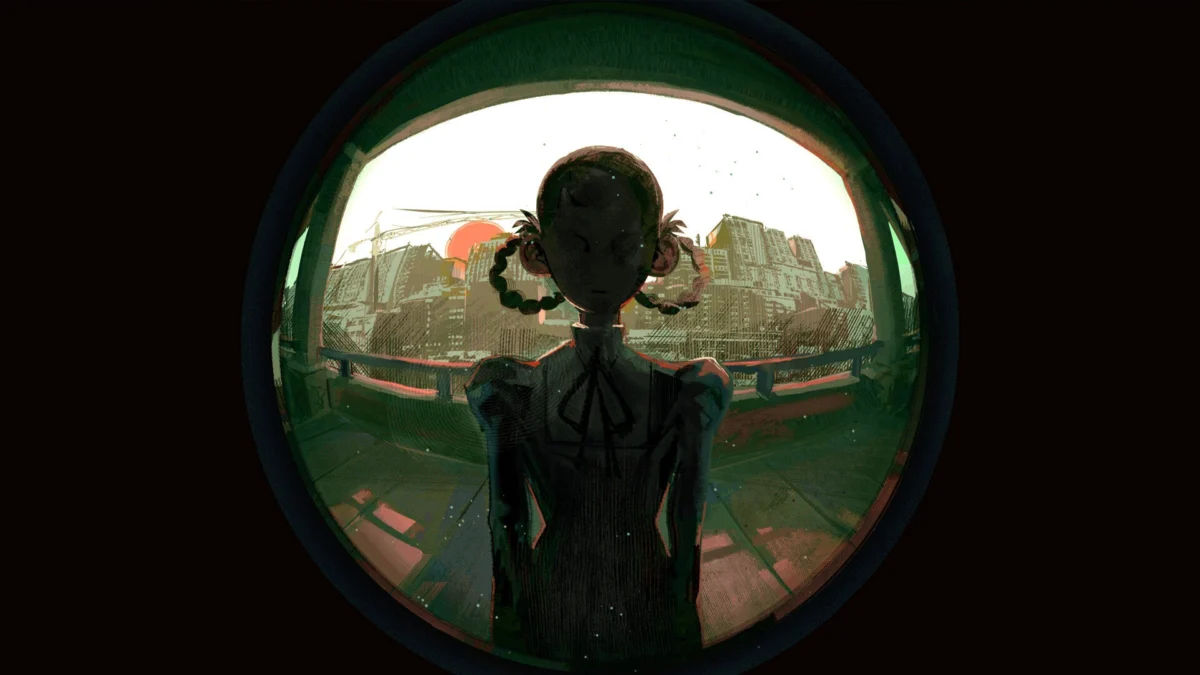
In the vast, often lonely landscape of independent horror gaming, few concepts strike as deep a chord of existential terror as the sudden, inexplicable evaporation of humanity. It is a primal fear—the ultimate isolation. While many narratives explore the aftermath of a societal collapse through the lens of zombies or resource wars, Sleepover, an upcoming cosmic-horror visual novel, chooses a far more intimate and unsettling path. It strips away the noise of civilization to focus on the terrifying quiet that follows.
Sleepover invites players into a post-apocalyptic reality that feels less like a traditional disaster film and more like a fever dream etched into the fabric of a dying world. Developed by ChimpWampus, the title centers on a protagonist who awakens to find that the bustling, crowded Earth she once knew has been scrubbed clean of life. Yet, as the title suggests, this is no typical survival story; it is a psychological descent that questions the nature of reality, loneliness, and the entities that might be waiting in the shadows when we are finally, truly alone.
The Core Premise: A World Without People
At its heart, Sleepover is a study in character-driven dread. The story follows Yuna, a young woman navigating the crumbling ruins of a society that has ceased to function. For Yuna, the struggle is not merely about finding food or shelter, but about the overwhelming weight of meaninglessness. In a world where there is no one left to witness your existence, what does it mean to be alive?
The narrative catalyst occurs when Yuna’s solitary, haunting existence is interrupted. A mysterious figure named Fermi appears at her doorstep. Described as having a "soft smile" that belies the sinister circumstances of the world, Fermi is a beacon of human contact in a barren wasteland. However, her arrival serves as the primary engine of the game’s tension. Why did she find Yuna? How has she survived? And, perhaps most importantly, is she a friend, a savior, or something far more malevolent?
A Chronology of Anticipation and Development
While Sleepover has only recently gained significant traction in the indie gaming sphere, its development trajectory marks a clear progression toward a high-concept, stylized horror experience.
- Initial Conceptualization: The developers at ChimpWampus began framing the project around the "denpa" subgenre—a style of Japanese-inspired narrative that emphasizes psychological disturbance, themes of isolation, and an unreliable reality.
- Announcement and Steam Reveal: The game’s official announcement trailer provided a glimpse into its unique visual identity. The reveal highlighted not just the character interactions, but the environmental storytelling that defines the game’s aesthetic.
- Community Reception: Upon the launch of its Steam page, Sleepover quickly captured the attention of fans of experimental horror. The wishlist numbers began to climb as players identified the game as a spiritual successor to the unsettling, claustrophobic atmosphere found in titles like Milk inside a bag of milk inside a bag of milk.
- Current Status: As of this writing, the game remains in active development. There is no confirmed release date, as the team focuses on perfecting the branching narrative paths and the intricate, grime-infused art style that defines the experience.
Supporting Data: The Anatomy of Cosmic Horror
To understand why Sleepover is garnering such early interest, one must look at the mechanics and themes it employs. Visual novels are often defined by their ability to immerse the player in the internal state of the protagonist.
Environmental Storytelling
The game world is designed to be interactive in a way that reveals Yuna’s psyche. Players can explore various rooms, each acting as a repository for memories, regrets, and physical manifestations of Yuna’s declining mental state. These objects are not merely set dressing; they are clues to the trauma that preceded the "disappearance" of the world.
Thematic Depth
The game deals with heavy, sensitive subjects, including depression, anxiety, and suicidal ideation. By situating these personal struggles within a cosmic-horror framework, the developers are creating a metaphor for how mental illness can feel like a total, isolating apocalypse. The inclusion of body horror elements further emphasizes the idea that when the mind fractures, the world around us often follows suit.
Visual Aesthetic
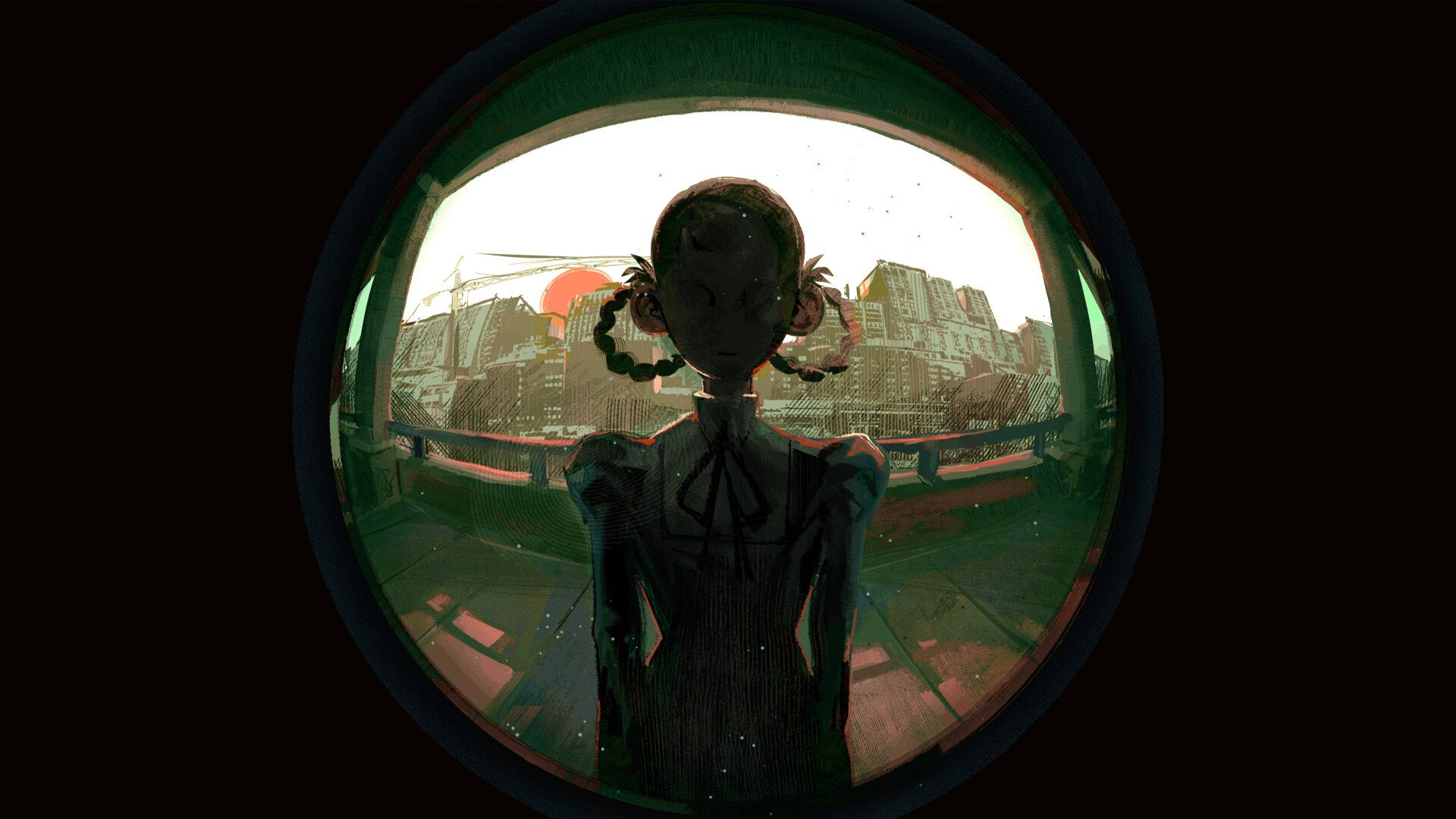
The art style has been described as "grimey" and "offputting"—a conscious choice to evoke the feeling of a cult-classic, low-budget film that has gained a strange, fervent following. This aesthetic serves to keep the player in a state of constant, low-level discomfort, ensuring that even moments of stillness feel heavy with potential danger.
Official Perspectives and Creative Intent
While the developers at ChimpWampus have maintained a degree of mystery surrounding the plot—fitting for a game about secrets—the Steam page and promotional materials offer a window into their creative philosophy.
The official logline describes the game as "the last Sleepover on Earth," a title that carries a dual meaning. On the surface, it refers to the literal gathering of Yuna and Fermi. Below that, it evokes the childhood nostalgia of sleepovers—the late-night whispers, the vulnerability, and the blurred lines between reality and imagination that occur when the lights go out.
The studio’s choice to lean into "denpa" influences suggests a commitment to a narrative that does not offer easy answers. In interviews and social media teasers, the team has emphasized that Sleepover is designed to provoke questions rather than resolve them. They are less interested in explaining the mechanics of the apocalypse and more interested in exploring the emotional and psychological fallout of being the last person standing.
Implications: The Future of Indie Horror
The success and anticipation surrounding Sleepover highlight a significant shift in the visual novel market. No longer relegated to niche romance or comedy tropes, the medium is increasingly being used as a high-fidelity vehicle for experimental horror.
The "Denpa" Renaissance
The resurgence of Western-developed denpa games signals a hunger among players for narratives that prioritize psychological authenticity over traditional gameplay loops. By focusing on the internal landscape of the character, these games offer a level of empathy—and subsequent terror—that larger, action-oriented titles often miss.
The Power of the "Grimey" Aesthetic
The visual language of Sleepover—low-fidelity, intentionally off-putting, and textured—challenges the industry’s obsession with graphical fidelity. It proves that a cohesive, unsettling art style is far more effective at building horror than hyper-realistic models. This shift could influence future indie developers to prioritize artistic intent over technical performance.
A New Standard for Narrative Ambiguity
By refusing to provide a clear explanation for the disappearance of the world, Sleepover forces the player to engage with the narrative on an interpretive level. This ambiguity keeps the game alive in the minds of players long after the screen goes black. It creates a space for community discussion, theories, and deep-dives into the symbolism of every room, object, and line of dialogue.
Conclusion: A Night at the End of the World
Sleepover is poised to be more than just a game; it is a manifestation of a specific, modern anxiety—the fear that, despite our connectivity, we are fundamentally alone. As we wait for further updates from ChimpWampus, the intrigue remains at a fever pitch. Whether it is a story of literal cosmic entities or a metaphor for the total collapse of the self, one thing is certain: the world of Yuna and Fermi is one we are all desperate to see, even if we are terrified of what we might find behind that peephole.
For those who enjoy a story that lingers in the dark corners of the mind, Sleepover is a title to watch. It reminds us that sometimes the scariest place to be is not in a haunted house or a monster-filled forest, but in the quiet, empty room where you finally have to confront the person you’ve become when no one else is watching.


 Asro
Asro
 Muslim