

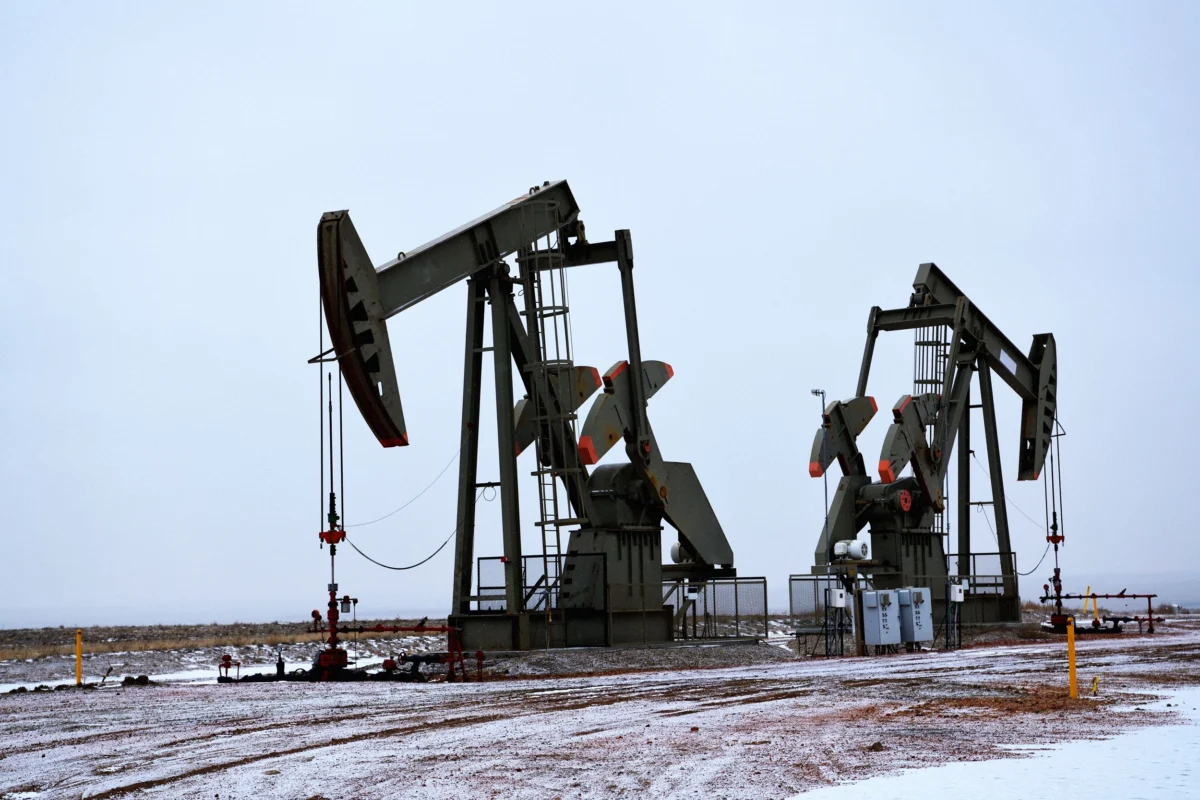
Across the United States, a quiet revolution is taking root in the desolate landscapes of aging fossil fuel infrastructure. Millions of abandoned oil and gas wells, once the symbols of a booming energy era, now stand as environmental liabilities—leaking methane, polluting groundwater, and posing significant financial burdens to states and taxpayers. However, a growing coalition of policymakers, engineers, and environmental advocates is eyeing these decaying relics with a new vision: transforming them into pillars of the clean energy transition through geothermal conversion.
Main Facts: A Dual-Purpose Solution
The fundamental premise of this initiative is as practical as it is ambitious. By leveraging existing boreholes that penetrate deep into the Earth’s crust, developers can bypass the most expensive and time-consuming stage of geothermal energy production: drilling.
Geothermal energy functions by circulating fluids through hot rock formations to capture thermal energy, which can then be utilized for direct building heating or, at higher temperatures, to drive turbines for electricity generation. By "upcycling" abandoned wells, the industry hopes to lower the barriers to entry for carbon-free power.
The scope of the opportunity is vast. According to recent assessments, there are millions of inactive wells across the United States. Many of these sites lack a clear owner, leaving state governments to foot the bill for capping and remediation. The costs are staggering; cleaning up a single well can range from $75,000 to over $150,000, depending on its location and complexity. In states like Oklahoma, which has identified over 20,000 such wells, regulators estimate that fully addressing the backlog through traditional methods would take 235 years and cost hundreds of millions of dollars.
Chronology of Legislative Action and Innovation
The movement to repurpose wells has transitioned from theoretical research to active legislative policy in a remarkably short span.
- 2022: The U.S. Department of Energy (DOE) signals its commitment to the concept by awarding a $1.7 million grant to researchers at the University of Oklahoma for the "Wells of Opportunity" project. This pilot aimed to test the feasibility of repurposing four wells to provide geothermal heating for local schools and residential buildings in Tuttle, Oklahoma.
- 2023: New Mexico adopts pioneering legislation to address its 2,000-plus orphan wells, creating a regulatory pathway for repurposing them for geothermal or storage purposes. North Dakota follows suit, passing a bill requiring a formal study into the feasibility of geothermal power from nonproductive wells.
- 2024: The momentum accelerates. Oklahoma’s House passes the "Well Repurposing Act," a bill designed to streamline the transfer of abandoned wells to companies interested in geothermal conversion. Meanwhile, Alabama signs a new law allowing the state to regulate and approve the conversion of fossil fuel infrastructure for alternative energy.
- 2025–Present: Colorado joins the fray, launching a comprehensive technical study in partnership with private sector firms to evaluate the potential of their state’s abandoned wells for geothermal energy and carbon capture, signaling a robust, cross-state commitment to the technology.
Supporting Data and Technical Challenges
While the potential is significant, the path to commercial viability is obstructed by technical, economic, and geological hurdles.
The Temperature Problem
The most critical requirement for geothermal energy is heat. Many oil and gas wells are not drilled deep enough to reach the high-temperature reservoirs required for utility-scale electricity generation. While "direct-use" heat—used for district heating or industrial processes—is more achievable, generating electricity requires significantly higher thermal energy than most shallow, aging wells can provide.
Fluid Dynamics and Reservoir Integrity
Fossil fuel wells were engineered for extraction, not circulation. They often lack the volume and flow capacity required for efficient geothermal heat transfer. Furthermore, there is the risk of contamination. Subsurface reservoirs often contain brine, minerals, and other elements that, if mixed with working fluids, could damage equipment or cause environmental leaks. Experts like Arash Dahi Taleghani from Penn State emphasize that "upcycling" these wells requires sophisticated engineering to ensure the integrity of the borehole and the safety of the surrounding environment.
Economic Viability
The high cost of retrofitting remains a barrier. While avoiding new drilling costs is an advantage, the engineering required to stabilize an old, potentially damaged well can often rival the cost of drilling a new, purpose-built geothermal hole. Startups are currently working to bridge this gap, but as geologist Emily Pope of the Center for Climate and Energy Solutions notes, the technology is "still pretty far away from being a reality" at scale.
Official Responses and Stakeholder Perspectives
The bipartisan nature of this movement has been a notable feature of its success. In a political climate often polarized by energy policy, geothermal energy has managed to retain broad support.
Dave Tragethon, communications director for the Well Done Foundation, views the economic incentive as the primary driver for progress. "The bill recognizes that these wells are a liability," Tragethon explains. "If there’s value, that means there’s more of a willingness to address them and more of an opportunity to raise funding."
Academic researchers echo this sentiment. Dr. Saeed Salehi, who spearheaded the University of Oklahoma project, highlights that while the process is slow, it is essential for regional decarbonization. "We need to collect enough data and have enough successful projects to take it to scale," he says. "It is a custom solution for specific regions."
At Pennsylvania State University, researchers are going beyond simple heating. They are exploring the use of abandoned wells for "energy storage," specifically using them as compressed-air batteries. By pumping air into depleted reservoirs, these wells could act as massive grid batteries, providing stability to the electric grid during periods of high demand.
Implications for the Future of Energy
The implications of successfully repurposing oil and gas wells are profound.
Economic Revitalization
By transforming a financial drain into a revenue-generating asset, states can shift the burden of well-capping away from taxpayers. Companies could potentially profit from geothermal energy, while states benefit from the closure of environmental hazards. This creates a circular economy model where the "waste" of the fossil fuel era provides the "infrastructure" for the renewable era.
Grid Stability and Decarbonization
Geothermal energy provides baseload, carbon-free power—a critical advantage over intermittent sources like wind and solar. If the technical challenges of retrofitting can be overcome, geothermal energy could become a major player in meeting the nation’s rising energy demand, particularly in regions that already possess the geological data and workforce expertise derived from decades of oil and gas production.
A Just Transition for the Workforce
Perhaps the most compelling implication is the potential for workforce transition. The skills required to drill, maintain, and manage oil and gas wells are highly transferable to the geothermal industry. Retraining the existing oil and gas workforce for geothermal development offers a pathway to economic stability for communities that might otherwise face obsolescence as the world shifts away from fossil fuels.
Conclusion: The Long Road Ahead
The "Wells of Opportunity" remain a high-stakes experiment. While the legislative framework is being built at a rapid pace, the technical reality is still catching up. The success of this endeavor will depend on sustained investment, rigorous research, and a commitment to refining the technology required to turn hazardous relics into clean energy assets.
As states like Oklahoma, Colorado, and Pennsylvania continue to lead the way, the rest of the country is watching. The transition from a legacy of extraction to a future of geothermal potential represents more than just a technological fix; it is a fundamental reimagining of what an energy asset can be. The wells that once fueled the growth of the 20th century may yet provide the clean, reliable energy required to power the 21st.











No comments yet. Be the first to join the conversation!