

Nintendo Delivers Unexpected 25th Anniversary Item, Stirring Player Enthusiasm and Speculation
Main Facts
In a move that surprised its dedicated global fanbase, Nintendo quietly rolled out a new update for Animal Crossing: New Horizons on April 14, 2024, commemorating the 25th anniversary of the beloved life simulation series. The patch, identified as version 3.0.2, is available across both the Nintendo Switch and the anticipated Switch 2 platforms, bringing a single, symbolic new item into the game. This unexpected addition has sparked renewed discussions among players about the game’s "feature complete" status and Nintendo’s long-term engagement with its immensely popular title.
Surprise Anniversary Update
The release of version 3.0.2 arrived without prior announcement or fanfare, a characteristic move for minor updates but notably understated for an anniversary celebration of a franchise as significant as Animal Crossing. Players who updated their game were met with a new item immediately accessible, bypassing the typical in-game events or Nook Miles redemption processes often associated with new content. This direct delivery underscored the commemorative nature of the update, presenting it as a gift directly from Nintendo to its loyal community. The patch’s availability across current and future hardware iterations also suggests a seamless transition path for players, ensuring the longevity of their island experiences.
The Leaf Statue: A Symbolic Gift
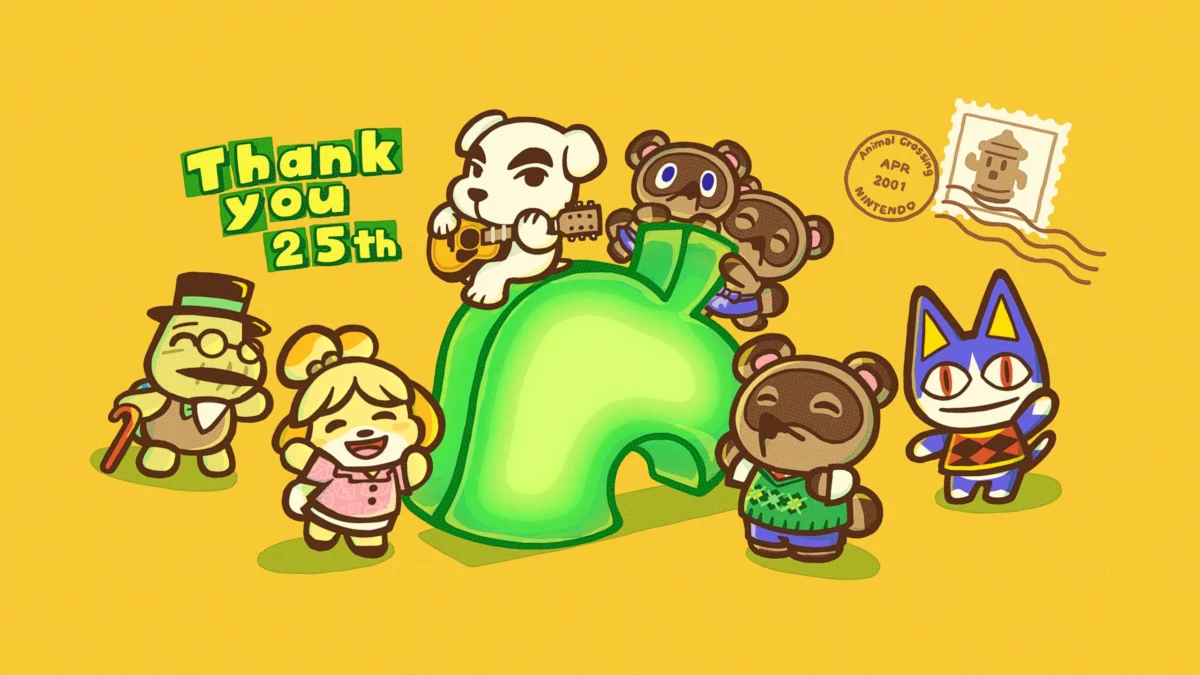
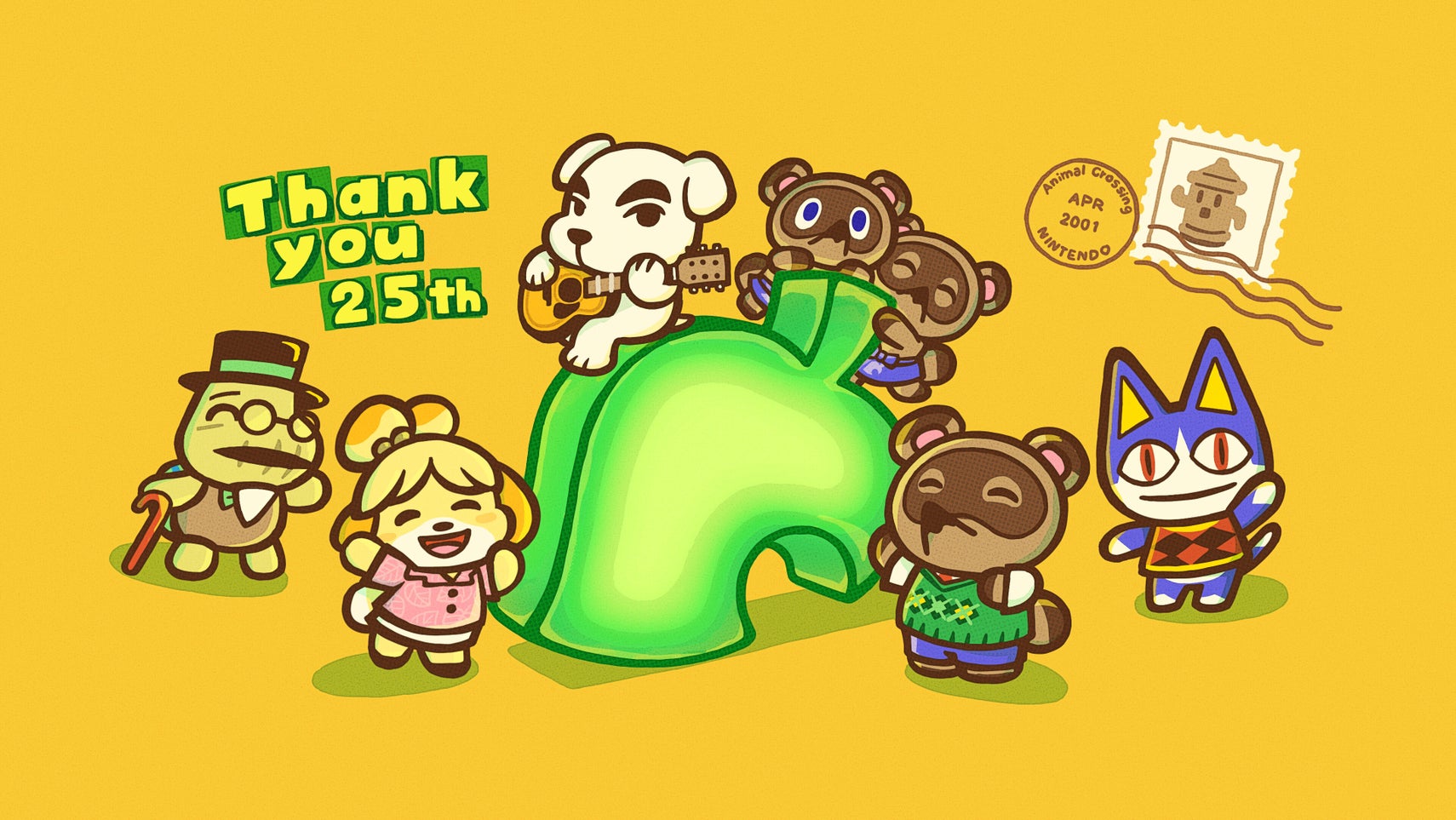
At the heart of this surprise update is the "Leaf Statue," a new decorative item instantly recognizable to long-time fans of the series. Upon installing the patch, players found a new message waiting in their in-house mailbox, containing the special item. The accompanying mail delivered a heartfelt message of gratitude from Nintendo to the millions of fans who have supported the Animal Crossing series for a quarter-century. Notably, the mail bore an authentic Nintendo N64 stamp, a charming nod to the series’ humble beginnings.
The Leaf Statue itself is more than just a decorative piece; it’s a direct reference to the iconic leaf motif that has been synonymous with Animal Crossing since its inception. This leaf represents item packaging, furniture, and the very essence of the game’s natural, serene aesthetic. In-game, the statue features a subtle lighting effect when placed, adding a touch of ambient glow to players’ meticulously crafted homes and islands. Its universal distribution, requiring no special effort or achievement to acquire, further emphasizes its role as a commemorative token, ensuring every player can partake in the celebration.
Bug Fixes and Stability
Beyond the celebratory Leaf Statue, the version 3.0.2 patch also included a standard array of bug fixes and stability improvements. While Nintendo’s official support website details the full changelog, these technical adjustments typically address minor glitches, improve network performance, or resolve rare game-breaking issues that may have arisen since the last major update. Such routine maintenance is crucial for ensuring a smooth and enjoyable player experience, even if it often goes unnoticed compared to new content additions. For Animal Crossing: New Horizons, a game known for its relaxed pace and intricate interactions, stability is paramount to preserving its immersive quality.
Chronology
The Animal Crossing series boasts a rich history spanning two and a half decades, evolving from a niche Japanese release into a global cultural phenomenon. Understanding this lineage provides essential context for the significance of the 25th-anniversary update.
The Genesis of Animal Crossing: Animal Forest (Dobutsu no Mori)
The journey began on April 14, 2001, with the release of Dobutsu no Mori (literally "Animal Forest") for the Nintendo 64 in Japan. This original title, developed by Nintendo EAD, laid the foundational gameplay elements that would define the series: living in a village inhabited by anthropomorphic animals, engaging in daily activities like fishing, bug catching, fossil digging, and decorating a home. It introduced the real-time clock system, a revolutionary concept at the time, where the game world progressed in sync with the actual date and time, influencing events, seasons, and character interactions. While limited by the N64’s hardware, Dobutsu no Mori captivated Japanese audiences with its unique blend of simulation, collection, and social interaction.
Evolution to GameCube: Dobutsu no Mori+ and the Global Debut
Later that same year, in December 2001, the game received an enhanced port for the Nintendo GameCube, titled Dobutsu no Mori+. This version significantly expanded upon the N64 original, adding new features, characters, and items. It was this iteration that was localized for Western markets, making its debut in North America as simply Animal Crossing in September 2002, and in Europe the following year. The GameCube version introduced the ability to transfer data between the game and the Game Boy Advance using a connectivity cable, allowing players to design custom patterns on the go – an early precursor to the extensive customization options seen in later titles. This global launch cemented the series’ unique appeal and established its core fanbase outside of Japan.
A Franchise Legacy: Tracing the Path to New Horizons
Following its successful GameCube debut, the Animal Crossing series continued to evolve with each new Nintendo console, consistently refining its core mechanics while introducing innovative features:
- Animal Crossing: Wild World (Nintendo DS, 2005): This title marked the series’ leap into portable gaming and, crucially, introduced online multiplayer. Players could visit each other’s towns via Nintendo Wi-Fi Connection, a groundbreaking feature that allowed friends to interact in their virtual worlds regardless of geographical distance. Wild World also deepened character interactions and introduced new types of furniture and events.
- Animal Crossing: City Folk (Wii, 2008): While building on the Wild World formula, City Folk brought the series back to home consoles with improved graphics and the integration of WiiSpeak for voice chat during online play. It introduced the "city" area, offering new shops and services not found in the main village, adding a layer of urban exploration to the rustic charm.
- Animal Crossing: New Leaf (Nintendo 3DS, 2012): Often hailed as one of the series’ pinnacles, New Leaf revolutionized the player’s role by making them the mayor of their town. This provided unprecedented control over town development, public works projects, and ordinances, empowering players to shape their communities like never before. It also introduced new villager personalities, expanded customization options, and the ability to swim in the ocean. New Leaf significantly deepened player agency and remains a beloved entry.
- Animal Crossing: Happy Home Designer (Nintendo 3DS, 2015) & Animal Crossing: Amiibo Festival (Wii U, 2015): These spin-off titles explored different facets of the Animal Crossing universe. Happy Home Designer focused entirely on interior and exterior design, giving players creative freedom without the daily life simulation. Amiibo Festival was a party game that leveraged Nintendo’s Amiibo figures. While not main series entries, they demonstrated Nintendo’s willingness to experiment with the franchise’s established elements.
- Animal Crossing: Pocket Camp (Mobile, 2017): Nintendo’s foray into the mobile gaming market with Animal Crossing, offering a simplified yet engaging experience for players on the go. Pocket Camp allowed players to manage a campsite, collect items, and interact with animals, bringing the charm of Animal Crossing to a wider, casual audience.
New Horizons’ Journey: A Global Phenomenon
Animal Crossing: New Horizons, released in March 2020 for the Nintendo Switch, arrived at a unique moment in history. Its launch coincided with the global onset of the COVID-19 pandemic, transforming it from a highly anticipated title into an unexpected cultural touchstone. The game’s premise of escaping to a deserted island and building a community from scratch resonated deeply with people facing lockdowns and social isolation.
New Horizons brought breathtaking visual fidelity, expansive customization options, terraforming capabilities, and enhanced online features. It allowed players to design their dream islands with unprecedented freedom, fostering immense creativity and a vibrant online community. Nintendo supported the game with a steady stream of seasonal events, new items, and minor updates throughout its first two years, keeping the experience fresh and engaging.
However, after the release of the massive 2.0 update and the Happy Home Paradise paid DLC in November 2021, Nintendo announced that these would be the final major content additions to New Horizons. This declaration led many players to consider the game "feature complete," a state where no new significant gameplay mechanics or large content drops would occur. The 25th-anniversary patch, though small, subtly challenges this perception, demonstrating Nintendo’s continued, albeit minimal, engagement with the title.
Supporting Data
The immense success and enduring appeal of Animal Crossing: New Horizons are well-documented, making any new content, no matter how small, a notable event.
Cultural Impact and Sales Success
Animal Crossing: New Horizons became an undisputed cultural phenomenon. Within its first year, it sold over 31 million units, quickly becoming one of the best-selling games on the Nintendo Switch and the fastest-selling Animal Crossing title in history. By March 2023, sales had surpassed 42 million units globally, cementing its place as the second best-selling Switch game of all time, behind only Mario Kart 8 Deluxe.
Its release during the early stages of the global pandemic was serendipitous. As millions found themselves confined to their homes, New Horizons offered a much-needed escape, a digital space for routine, creativity, and social connection. The game transcended its traditional gaming audience, attracting new players, including many who had never played a video game before. News outlets, social media, and even mainstream television discussed the game, highlighting its role in mental well-being and maintaining social ties during an unprecedented time. Celebrities, politicians, and brands leveraged its in-game capabilities for virtual events, political campaigns, and product promotions, further illustrating its widespread cultural penetration.
Community Engagement and Creativity
One of New Horizons‘ most significant achievements was the unprecedented level of community engagement and creativity it fostered. Players spent countless hours designing elaborate islands, creating custom outfits, and hosting virtual events. Online communities on platforms like Reddit, Twitter, and YouTube exploded with shared designs, island tours, and trading posts. The game became a canvas for self-expression, allowing players to replicate real-world locations, create intricate fantasy realms, or simply craft a cozy, personalized haven.
The ability to terraform the landscape, design custom patterns, and meticulously place every tree and flower empowered players to become true architects of their digital worlds. This deep level of customization, combined with the game’s relaxed pace, encouraged a persistent, long-term engagement that few other titles could match. The anniversary Leaf Statue, a simple yet iconic item, resonates deeply with this creative community, offering another small piece to integrate into their ever-evolving islands.
Nintendo’s Live Service Approach (or Lack Thereof)
Animal Crossing: New Horizons represented an interesting, albeit limited, foray for Nintendo into the "live service" model prevalent in the modern gaming industry. Unlike many other major publishers who continuously release paid expansions, battle passes, and microtransactions for their live service titles, Nintendo’s approach was more measured. They provided a consistent stream of free seasonal updates and events for about 18 months post-launch, culminating in the substantial 2.0 update and the Happy Home Paradise paid DLC.
This strategy was largely praised for delivering significant free content and a robust, optional paid expansion without resorting to aggressive monetization. However, the subsequent declaration of New Horizons reaching its "final major content update" left some players yearning for more, accustomed as they were to the endless content cycles of other live service games. The 25th-anniversary patch, while minor, reopens the discussion about Nintendo’s long-term support for their titles and whether even "finished" games might receive intermittent, celebratory updates. It suggests a cautious, community-focused approach rather than a profit-driven one for post-launch content.
Player Sentiment on "Completeness"
The concept of a game being "feature complete" is often contentious, especially for open-ended simulation games like Animal Crossing. While the 2.0 update and Happy Home Paradise added a wealth of new items, villagers, and gameplay mechanics, some players felt there were still aspects of previous Animal Crossing titles that New Horizons hadn’t incorporated or refined. Common requests included more dialogue variations for villagers, additional shop upgrades, or the return of specific characters and events.
This anniversary patch, even with its single item, subtly acknowledges that a game, particularly one with such a strong community, might never truly be "complete" in the eyes of its players. It’s a small gesture, but one that recognizes the ongoing connection players have with their islands and the desire for even minor new additions. The sentiment among players is largely positive, viewing it as a thoughtful nod from Nintendo, rather than a sign of a renewed content pipeline.
Official Responses
Nintendo’s communication style regarding updates, especially minor ones, is typically understated. The 25th-anniversary patch for Animal Crossing: New Horizons followed this pattern, with limited official commentary beyond the in-game message.
Nintendo’s Messaging: A Heartfelt Thank You
The primary official response came directly through the game itself: the message accompanying the Leaf Statue in players’ in-game mailboxes. This message, brief but sincere, served as a direct thank you to the Animal Crossing community for their enduring support over 25 years. The inclusion of the N64 stamp was a clear visual cue, honoring the series’ origins and connecting the present game to its quarter-century legacy.

This direct-to-player communication is characteristic of Animal Crossing, where in-game characters and mail often deliver important messages and gifts. It reinforces the personal connection players feel with the game world and its creators. The tone was one of appreciation and celebration, focusing on the milestone rather than hinting at future plans or addressing the "feature complete" debate head-on. It was a moment of reflection and gratitude, delivered in the game’s signature charming style.
Absence of Formal Announcements
Crucially, the 3.0.2 update was not preceded by a Nintendo Direct presentation, a press release, or even a prominent post on Nintendo’s social media channels. The announcement was made through the release of the patch itself, with details appearing on Nintendo’s regional support websites outlining the bug fixes and the new item.
This low-key approach suggests several possibilities. Firstly, for a single-item update, a major announcement might have created disproportionate hype, leading to potential disappointment if players expected more. Secondly, it aligns with Nintendo’s strategy of letting Animal Crossing: New Horizons stand as a complete experience after its major updates. The anniversary item, in this context, functions as a pleasant surprise rather than a pivot in the game’s post-launch content strategy. It could also indicate that Nintendo’s current development resources are focused on future projects, potentially even a new Animal Crossing title, making a grand announcement for a small patch less of a priority. Industry analysts often interpret such quiet updates as either a subtle test of player engagement or simply a genuine, no-frills gesture of appreciation.
Developer Insights (Inferred)
While no direct quotes from the development team were released concerning this specific patch, it’s possible to infer the sentiment behind it. The Animal Crossing series has always been about fostering a sense of community, warmth, and escapism. The Leaf Statue and its accompanying message likely represent the development team’s personal gratitude to the fans who have championed their creation for so long. It’s a subtle way for the creators to acknowledge the milestone and the enduring impact their work has had on millions of lives.
Given Nintendo’s general secrecy regarding future plans, particularly for major franchises, the lack of extensive commentary is standard. The focus remains on the player experience and the celebration of the past, rather than setting new expectations for the future of New Horizons specifically. It allows the item to be enjoyed for what it is: a symbol of a beloved series’ long and successful journey.
Implications
The surprise 25th-anniversary patch for Animal Crossing: New Horizons, while seemingly minor, carries several implications for the game, its community, and the broader Animal Crossing franchise.
A Nod to the Past, A Glimpse of the Future?
The Leaf Statue is unequivocally a nod to the series’ past, celebrating its quarter-century legacy. The N64 stamp and the iconic leaf motif directly reference the origins of Animal Crossing. However, its arrival raises questions about what, if anything, it might signal for the future. Is this a one-off celebratory gesture, or could it hint at a subtle shift in Nintendo’s post-launch support strategy?
For now, the consensus leans towards it being a standalone anniversary gift. However, it demonstrates that the infrastructure for New Horizons is still active and capable of receiving updates. While unlikely to herald a return to major content drops, it leaves a glimmer of hope for players that Nintendo might occasionally release other small, themed items for future milestones or collaborations. It also, perhaps, keeps the Animal Crossing brand gently in the public consciousness as Nintendo looks towards the next iteration of the series, potentially on the new Switch 2 hardware.
Player Expectations and the Enduring Legacy
This update will undoubtedly influence player expectations, albeit cautiously. While most understand that New Horizons is not receiving significant new gameplay content, the release of this item prevents the game from feeling completely "abandoned" by its developers. It reinforces the idea that Nintendo still cares about the game and its community. This gesture can foster continued loyalty and engagement, ensuring players periodically return to their islands to check for such surprises.
The enduring legacy of Animal Crossing as a franchise is undeniable. Its unique blend of life simulation, charming aesthetics, and real-time progression has carved out a distinct niche in the gaming landscape. New Horizons specifically elevated the series to unprecedented heights, becoming a cultural touchstone during a critical period. This anniversary patch serves to remind players of that legacy and reaffirms the franchise’s beloved status. It’s a testament to the game’s ability to create deep, personal connections with its players, where even a small virtual item can hold significant sentimental value.
The "Feature Complete" Conundrum Revisited
The phrase "feature complete" often signifies the end of active development for a game, particularly concerning new content. Nintendo’s previous statements regarding New Horizons’ 2.0 update strongly suggested this status. However, this anniversary patch challenges that definition. Can a live-service-adjacent game truly be "complete" when its developers can still push out new content, even if minor?
This situation highlights the evolving nature of game development and post-launch support. For games with persistent online components and strong community engagement, the concept of "completeness" might be more fluid. While New Horizons may not receive new gameplay mechanics, the ability to add new cosmetic items means the world can still evolve in subtle ways. This patch suggests that for beloved titles, developers might maintain a dormant capacity to add small, meaningful touches, allowing the game to organically acknowledge significant milestones and maintain a connection with its dedicated player base long after its main development cycle concludes. It’s a quiet affirmation that for Animal Crossing, the journey might never truly end, but rather shift to a gentler, more celebratory pace.










No comments yet. Be the first to join the conversation!