

By Ryan Epps
Published May 16, 2026, 2:00 PM EDT
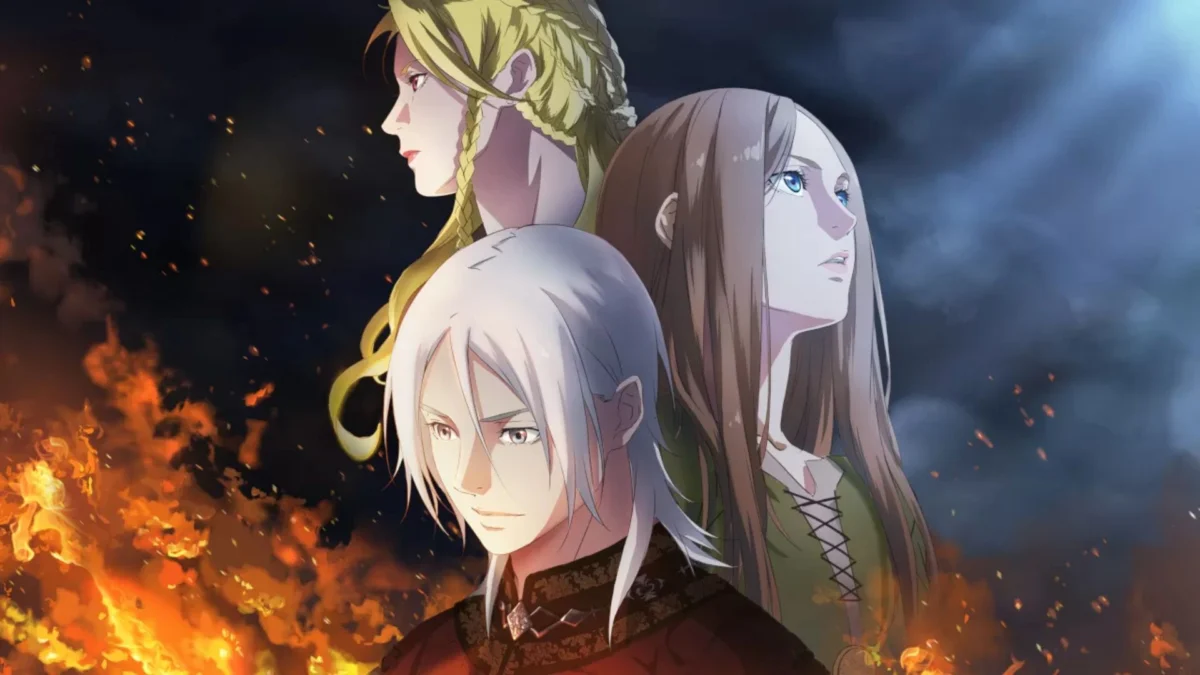
The winter anime season of 2026 was, by all accounts, a colossus. With the highly anticipated return of heavyweights like Jujutsu Kaisen and the poignant continuation of Frieren: Beyond Journey’s End, the discourse among anime enthusiasts was dominated by established titans. Yet, amidst this crowded landscape, a dark fantasy series titled Sentenced to Be a Hero carved out a significant niche, becoming the season’s unexpected breakout hit. Its narrative, a stark exploration of revolution reduced to an unending cycle of violence and conscription, offered a cynical reflection on a world where salvation is indistinguishable from exploitation. However, lurking quietly beneath the radar, another series presented an arguably more profound and optimistic vision of societal change: the Chinese donghua, Release That Witch.
Debuting on Crunchyroll in March 2026 with minimal fanfare, Release That Witch initially flew under the radar of most viewers. Yet, this eight-episode adaptation of Er Mu’s immensely popular webtoon has steadily cultivated a fervent following, garnering critical acclaim and achieving remarkable ratings. Intriguingly, it has even surpassed Sentenced to Be a Hero in audience scores on platforms like MyAnimeList, a testament to its compelling storytelling and unique thematic depth. What sets Release That Witch apart, particularly within the often-predictable confines of the isekai genre, is its thoughtful and meticulously crafted approach to the concept of revolution, focusing not merely on overthrowing existing systems, but on the arduous yet rewarding process of building something entirely new and better.
At its core, Release That Witch posits a fascinating premise: what if revolution wasn’t about bloody coups or endless battles, but about scientific innovation, industrialization, and urban planning? The series follows Cheng Yan, a modern-day mechanical engineer, who finds himself suddenly transmigrated into the body of Roland Wimbledon, the despised fourth prince of a medieval kingdom. Both characters meet their demise simultaneously, creating a seamless, if fantastical, transition. In this new world, rife with superstition, witch hunts, and rampant corruption, Cheng Yan, now Roland, resolves to ignite a revolution. But his tools are not swords and sorcery in the traditional sense; they are the principles of modern science, married with the latent magical abilities of the persecuted witches, all aimed at guiding his struggling Border Town into an industrial era centuries ahead of its time.
This focus on construction, governance, and the slow, deliberate process of societal advancement offers a refreshing counter-narrative to the prevalent "destroy-first" approach often seen in fantasy. While Sentenced to Be a Hero plunges into the moral ambiguities of perpetual conflict, Release That Witch champions ingenuity, collaboration, and the transformative power of knowledge. It invites viewers to consider a different kind of heroism, one rooted in engineering, resource management, and the painstaking work of laying foundations for a truly better future.
From Webtoon to Donghua: The Journey of "Release That Witch"
The rich narrative of Release That Witch originates from the creative mind of Er Mu, whose real name is Chen Rui. An architectural engineer by profession, Er Mu first captivated readers with his webnovel, also known as "The Fourth Prince’s Secret," which gained immense popularity on Chinese online platforms. The webnovel’s detailed world-building, intricate plot, and unique blend of fantasy and technological innovation quickly garnered a dedicated fanbase, paving the way for its adaptation into a widely acclaimed webtoon. This sequential art format further amplified the story’s reach, translating its complex ideas into visually engaging chapters that appealed to an even broader audience.
The decision to adapt the beloved webtoon into a donghua, or Chinese animated series, was met with considerable anticipation. Studio Thundra took on the ambitious task, aiming to bring Roland’s revolutionary journey to life on screen. The donghua was eventually picked up by Crunchyroll for international distribution, a move that promised to introduce this unique narrative to a global audience of anime and donghua enthusiasts.
The series officially premiered on Crunchyroll in March 2026. Despite its quiet debut, lacking the massive promotional blitz often afforded to more established franchises, Release That Witch steadily built momentum through word-of-mouth and positive critical reception. Viewers who stumbled upon the series were quickly drawn in by its distinctive premise and meticulous execution. The initial eight-episode run, while lauded for its quality, also sparked discussions among fans who were aware of the webtoon’s extensive storyline.
Indeed, the production history of the donghua reveals some challenges. Reports from various fan communities and industry insiders suggested that the first season was originally conceptualized for a longer, 12-episode run. However, due to what were described as "behind-the-scenes production issues," including funding constraints and logistical hurdles, the season’s scope was ultimately reduced to eight episodes. This curtailment, while unfortunate for the narrative’s pacing and the depth of adaptation, did not deter the creative team from delivering a polished and engaging initial offering. The constrained episode count meant that certain arcs had to be condensed, but the core essence of the story—Roland’s ingenuity, his alliance with the witches, and his ambitious project of industrializing Border Town—remained vibrantly intact.
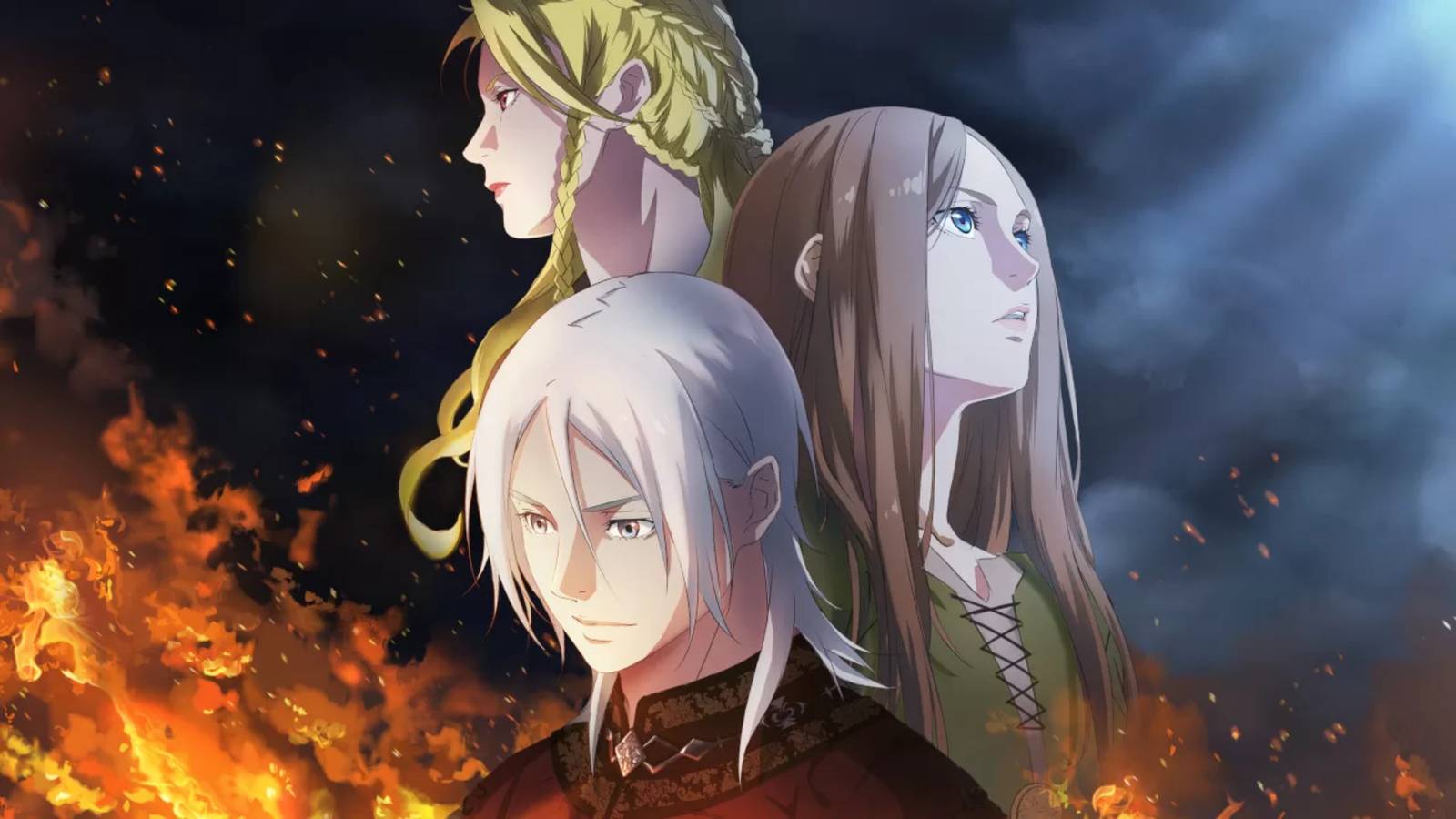
As the first season concluded, its high ratings and fervent fan discussions underscored its success, yet also brought to light a significant uncertainty: the fate of a second season. The production complexities and the relatively smaller, albeit passionate, fanbase compared to behemoths like Sentenced to Be a Hero have seemingly contributed to a cautious approach from rights holders regarding continuation. This limbo has fueled a strong grassroots movement among fans, determined to ensure Roland’s revolution doesn’t end prematurely.
The Engine of Innovation: Why "Release That Witch" Resonates
The profound impact of Release That Witch stems from its masterful subversion of genre tropes and its unwavering commitment to a narrative of constructive progress. It redefines what it means to be a hero and what constitutes a revolution, making it a compelling watch for anyone seeking a fresh perspective in fantasy.
Science as Sorcery: A Fresh Isekai Perspective
Isekai anime, characterized by protagonists transported to another world, often rely on granting the hero overwhelming magical powers or unique combat abilities. Release That Witch deftly sidesteps this trope. While Roland Wimbledon (Cheng Yan) possesses no inherent magic, his modern scientific knowledge functions as a form of "sorcery" to the medieval populace. This intellectual prowess becomes his true superpower, allowing him to introduce innovations that are centuries ahead of their time.
The series offers a fascinating interplay between nascent magic and advanced science. One of Roland’s very first acts, and the origin of the series’ title, is saving Anna, a witch condemned to execution. Anna possesses a unique ability: she can conjure and control black flames of incredible heat. Roland immediately recognizes the industrial potential of her power. Instead of using her as a weapon of war, he tasks her with controlled industrial smelting and calcination work. He uses Anna’s intense flames to superheat limestone into quicklime, which he then mixes with sand and water to produce cement—a fundamental building material unknown in this medieval world. Anna effectively becomes a human industrial furnace, her magic harnessed for productive, rather than destructive, ends, long before mechanical industrialization is fully realized.
This ingenious blending of magic and science is a hallmark of the series. Concepts that are mundane to a modern engineer—metallurgy, steam power, urban planning, crop rotation, sanitation—are treated as divine revelations or miraculous feats of magic by the inhabitants of Border Town. The show’s brilliance lies in generating wonder not through impossible fantasy, but by elevating familiar real-world science to the status of miraculous innovation. Watching the awe and disbelief on the faces of Roland’s subjects as they witness the creation of rudimentary infrastructure or the efficiency of a well-planned irrigation system is endlessly entertaining and profoundly thought-provoking. It challenges viewers to appreciate the sheer ingenuity and effort that underpinned our own historical industrial revolutions, presenting science with the same reverence most fantasy anime reserve for grand magical spells.
Er Mu’s background as an architectural engineer shines through in these details. The series is replete with accurate (for its context) depictions of engineering principles, resource management strategies, and the iterative process of technological development. This deep technical foundation lends an unusual authenticity to the fantastical setting, grounding the magical elements in practical application and making the world-building feel incredibly robust.
Beyond Survival: A Deep Dive into Societal Reconstruction
Unlike many fantasy narratives that prioritize immediate threats or grand quests for a MacGuffin, Release That Witch dedicates significant screen time to the arduous, often unglamorous, work of societal reconstruction. While Sentenced to Be a Hero reduces revolution to an "endless system of war," Roland’s revolution is a continuous act of building. His objectives are multi-faceted and long-term: fortifying defenses, securing reliable food supplies, establishing trade networks, forging military alliances, and, crucially, rapidly industrializing his domain. All of this unfolds under the looming pressure of a harsh winter and the threat of "rabid beasts"—creatures corrupted by unstable magical forces that dwell on the fringes of the known world, a stark contrast to the zombie-like White Walkers of Game of Thrones, yet equally menacing.
The series delves into the minutiae of governance and development. Viewers witness Roland grappling with challenges reminiscent of a complex strategy game like Civilization VI, where every decision impacts resource allocation, population growth, technological advancement, and diplomatic relations. He institutes social reforms, most notably protecting and empowering witches, integrating them as vital contributors to his nascent kingdom. This not only provides him with unique magical talents but also challenges the deeply entrenched prejudices of the medieval society, fostering a more inclusive and meritocratic system.
The narrative explores the economic implications of industrialization, the logistics of military campaigns against supernatural threats, and the delicate balance of political maneuvering required to secure his position and expand his influence. It’s a story of pragmatic leadership, where problems are solved not just with might, but with meticulous planning, scientific application, and a vision for a truly advanced society. This focus on the "how" of progress—the incremental steps, the trials and errors, the collaboration—makes Release That Witch a rare gem that celebrates human ingenuity and collective effort.

A Narrative of Hope and Progress
In a landscape often saturated with grimdark fantasies, Release That Witch offers a refreshing narrative of hope and tangible progress. Roland’s vision isn’t merely to survive, but to thrive, to uplift his people from superstition and poverty through the power of knowledge and innovation. The collaborative spirit between Roland and the witches, who find purpose and dignity in his service, is a central theme, highlighting the potential for marginalized groups to contribute significantly when given the opportunity.
The series subtly critiques feudalism, religious dogma, and societal prejudices by showcasing the undeniable benefits of a more rational, scientific, and inclusive approach to governance. It champions the idea that true revolution isn’t just about destroying old systems, but about meticulously constructing superior ones. This constructive ethos, combined with the sheer intellectual pleasure of watching modern concepts take root in a primitive world, makes Release That Witch an incredibly engaging and ultimately optimistic viewing experience.
Production Hurdles and Fan Mobilization
Despite its critical success and unique narrative appeal, the future of Release That Witch remains shrouded in uncertainty. As of now, there have been no official announcements from Studio Thundra or Crunchyroll regarding the production of a second season. This silence, while not uncommon in the anime industry, has fueled concerns among its growing fanbase, particularly given the known challenges faced during the first season’s production.
As previously mentioned, the initial plan for a 12-episode season was cut short to eight episodes due to reported "behind-the-scenes production issues." These typically encompass a range of problems from budget shortfalls and scheduling conflicts to staffing difficulties or disagreements among production committees. While the specific details remain confidential, the impact was evident in the abbreviated season. This history naturally makes fans apprehensive about the prospects of a continuation, especially for a series that, while critically acclaimed, might not command the same massive commercial footprint as a Jujutsu Kaisen or Frieren. The financial viability of producing another season, particularly for an international audience, is often a crucial deciding factor for rights holders.
In response to this uncertainty, the passionate fanbase of Release That Witch has taken matters into their own hands, initiating various grassroots efforts to demonstrate demand for a second season. One prominent example is a petition launched on Change.org, which has garnered over 11,000 signatures. Such fan petitions serve as a vital, albeit unofficial, form of advocacy, sending a clear message to production studios and streaming platforms about the audience’s investment and desire for more content. Social media campaigns and discussions on forums like Reddit also continue to highlight the series’ unique qualities and the compelling reasons for its continuation.
While the fanbase for Release That Witch may not be as astronomically large as those for mainstream shonen hits, it is notably dedicated and highly engaged. This dedicated core audience, appreciating the series’ intellectual depth and distinct vision, believes strongly in the value of completing Roland’s story. Their efforts underscore the growing power of fan communities in influencing production decisions, particularly in the digital age where audience sentiment can be quickly aggregated and expressed. The question remains whether these fervent calls will be enough to sway the decision-makers and secure the funding and resources necessary for Studio Thundra to continue Roland Wimbledon’s extraordinary journey of scientific and societal transformation.
The Broader Impact: What "Release That Witch" Represents
The potential cancellation of Release That Witch would be a significant loss, not just for its dedicated fanbase, but for the broader landscape of animated storytelling. The series transcends typical genre boundaries, offering valuable lessons and setting new benchmarks in several key areas.
A New Standard for Isekai and Donghua?
Release That Witch has demonstrated that the often-maligned isekai genre can be a powerful vehicle for intellectual exploration and sophisticated world-building. By grounding its fantasy elements in real-world engineering and historical processes, it elevates the narrative beyond simple escapism. It challenges the genre’s reliance on overpowered protagonists and instead champions the power of knowledge, ingenuity, and collaborative problem-solving. Its success could inspire a new wave of isekai stories that prioritize constructive narratives, economic development, and scientific progress over endless combat or wish-fulfillment fantasies.
Furthermore, Release That Witch serves as a shining example of the quality and innovation present within the donghua industry. Its polished animation, compelling script, and unique premise highlight the growing strength of Chinese animation on the global stage. Increased visibility and success of shows like Release That Witch can encourage more international distributors to invest in donghua, thereby diversifying the content available to global audiences and fostering greater cross-cultural exchange in animation.
The Value of Rebuilding Narratives
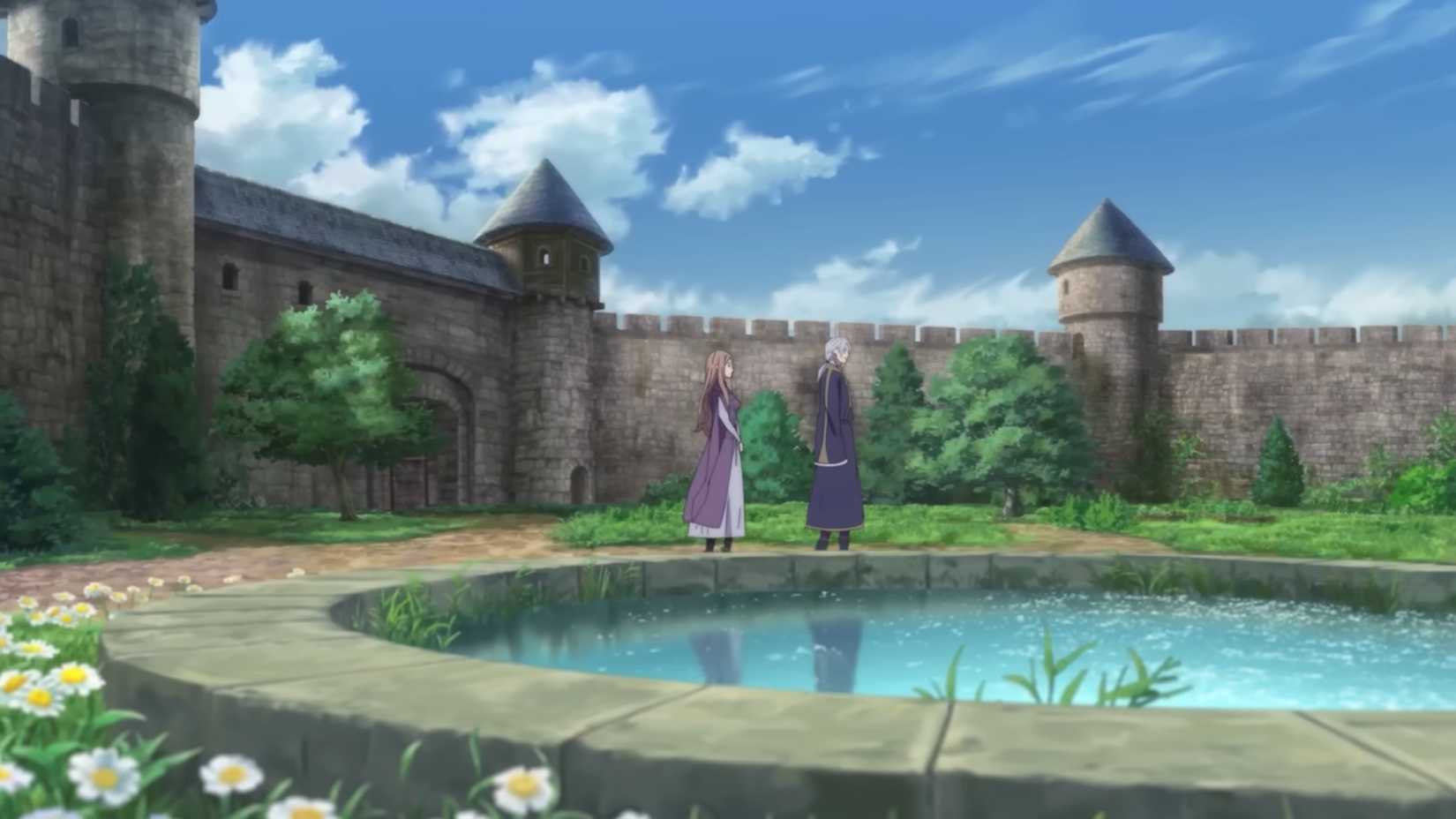
In an era saturated with narratives focused on destruction, conflict, and the dismantling of oppressive systems, Release That Witch offers a refreshing and vital counterpoint: the painstaking, often unglamorous, but ultimately more profound work of rebuilding. It argues that true revolution isn’t just about tearing down the old, but about carefully, methodically, and creatively constructing the new. This emphasis on governance, infrastructure, resource management, and social reform provides a compelling model for sustainable change.
The series encourages viewers to think critically about the practicalities of societal transformation. It implicitly asks: What comes after the revolution? How do you feed a growing population? How do you defend against threats? How do you ensure justice and equality? Release That Witch tackles these complex questions with intellectual rigor and an optimistic spirit, reminding us that progress is often a slow, deliberate process built on the foundations of knowledge and cooperation. This theme resonates deeply in a world grappling with its own challenges of climate change, social inequality, and technological disruption, suggesting that the path forward lies in innovation and reconstruction.
Uncertain Future, Enduring Legacy
The possibility of Release That Witch being left unfinished is a deeply unfortunate prospect. Few fantasy anime dare to delve into the intricate details of urban planning, industrial development, and the long-term strategic thinking required to build a functioning, prosperous society from the ground up. To lose this unique narrative voice, which celebrates the intellectual hero and the collective effort of progress, would be a significant void in the anime landscape.
Despite the uncertainty, the first season has already left an indelible mark. It has demonstrated the immense potential of integrating technical expertise with fantastical elements, created a deeply engaging world, and introduced a cast of memorable characters who embody the spirit of innovation and resilience. It serves as a powerful reminder that compelling storytelling can emerge from unexpected places and that audiences are hungry for narratives that offer more than just spectacle—they crave depth, intellectual stimulation, and a constructive vision for the future.
Ultimately, Release That Witch stands as a testament to human ingenuity and the arduous but immensely rewarding process of building a better world. It challenges conventional fantasy tropes by celebrating science, industry, and governance as forms of magic, and by portraying revolution not as a destructive force, but as an act of creation. It is a series that truly builds worlds and systems, and it would be a profound disservice to leave such an ambitious and inspiring construction unfinished. For those seeking an anime that offers both intellectual satisfaction and a breath of fresh air, Release That Witch is not merely a recommendation, but an essential viewing experience that deserves its revolution to continue.
Watch Release That Witch on Crunchyroll.











No comments yet. Be the first to join the conversation!