

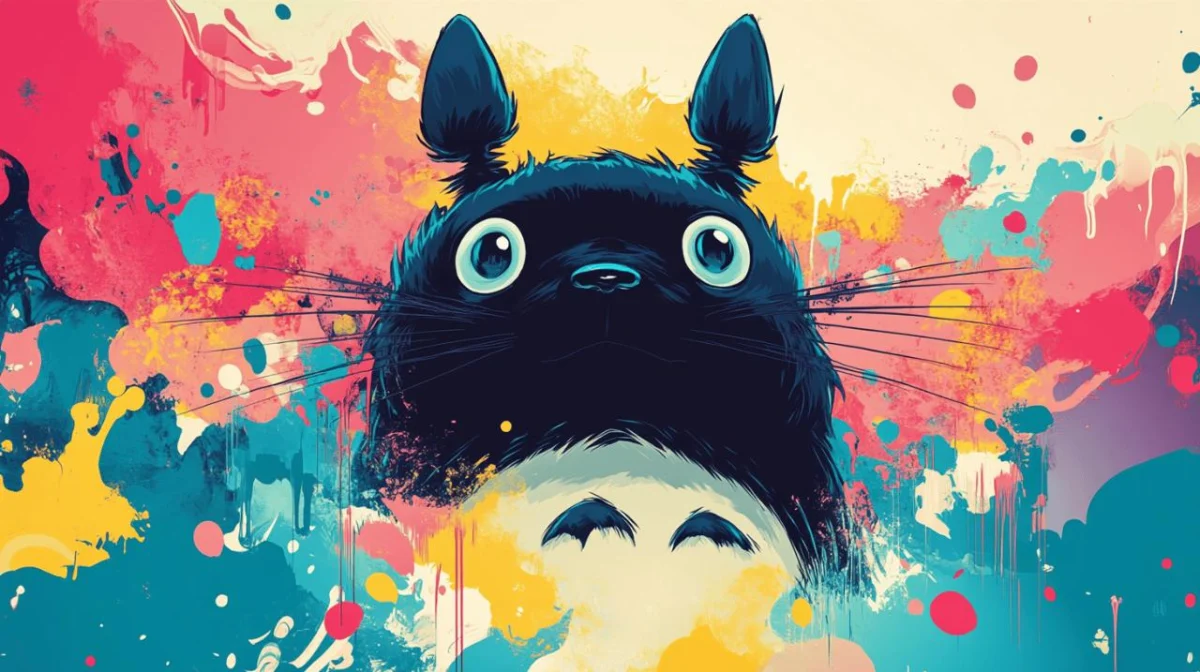
The fusion of Japanese animation and contemporary streetwear has reached a new zenith. At the heart of this cultural intersection lies an unlikely icon: Totoro, the forest spirit from Hayao Miyazaki’s 1988 masterpiece, My Neighbor Totoro. Once confined to the realms of traditional merchandise, the character has recently transitioned into the world of high-concept, minimalist fashion. Today, enthusiasts of Studio Ghibli are no longer limited to oversized graphic prints; instead, they are embracing a refined aesthetic that balances the whimsy of animation with the understated elegance of modern design.
The Evolution of Ghibli Apparel: From Souvenir to Style Statement
For decades, the "merch" culture surrounding Studio Ghibli was largely dominated by functional, albeit unrefined, items. Fans seeking to represent their love for the studio often settled for bold, colorful illustrations that, while nostalgic, were difficult to incorporate into a sophisticated adult wardrobe.
The current shift toward minimalism marks a professionalization of the fandom. By distilling the essence of Totoro into clean, essential lines, designers have transformed the character into a symbol of artistic appreciation rather than mere commercial fandom. This evolution mirrors a broader trend in the fashion industry: the move away from "logomania" and toward subtle, symbolic nods to cultural phenomena.
A Chronology of the Totoro Phenomenon
- 1988: My Neighbor Totoro is released in Japan, introducing the world to the titular forest spirit.
- 1990s-2000s: Merchandise remains focused on plush toys and primary-color graphic tees intended for a younger demographic.
- 2015-2018: The rise of "normcore" and minimalist fashion in Tokyo’s Harajuku and Shibuya districts creates a demand for more subtle anime-inspired apparel.
- 2020-Present: Boutique retailers like Emotion Ghibli begin standardizing high-quality, minimalist lines, offering sizes ranging from S to 4XL to cater to a global, inclusive audience.
Supporting Data: The Anatomy of a Minimalist Garment
The transition to minimalist Totoro apparel is not just an aesthetic choice; it is a technical one. To achieve a "high-fashion" look that remains recognizable to fans, manufacturers have had to rethink their production processes.
Material Science and Texture
The cornerstone of any quality minimalist T-shirt is the base fabric. Industry standards for premium, long-lasting graphic tees now lean heavily toward high-density, ring-spun combed cotton. This material provides a superior "hand-feel" and creates a smooth, flat surface for printing—a necessity when the design relies on thin, precise lines rather than large, distracting color blocks.
Print Longevity and Technique
Modern digital printing and specialized screen-printing techniques allow for extreme detail without the heavy "plastic" feel of traditional transfers. For designs like the "Sylvain Noir" (Black Sylvan) series, printers utilize eco-friendly inks that bond with the cotton fibers. This ensures that the minimalist outline of Totoro remains crisp even after repeated laundering. Industry experts suggest that by turning the garment inside out and washing it in cold water (30°C), the lifespan of these high-end prints can be extended significantly, maintaining the integrity of the design for years.
The Philosophy of Japanese Minimalism in Design
To understand why these T-shirts resonate so deeply, one must look at the Japanese design principle of Ma (negative space). In traditional Japanese art, the empty space is just as important as the subject itself.
Minimalist Totoro shirts apply this by stripping away the forest backgrounds, the soot sprites, and the Mei character to leave only the silhouette of the forest spirit. This allows the wearer to integrate the shirt into a variety of outfits. A minimalist Totoro tee, paired with raw denim or a structured blazer, moves the garment from a "con-wear" item to a versatile piece suitable for a "Casual Friday" at the office or a gallery opening.
Official Perspectives and Market Implications
Retailers specializing in officially licensed Ghibli apparel have noted a distinct change in consumer demographics. No longer is the audience comprised solely of collectors; it now includes young professionals, fashion-forward students, and design enthusiasts.
The Role of Boutique Retailers
Platforms such as Emotion Ghibli have become central hubs for this movement. By offering a 30-day satisfaction guarantee and a commitment to inclusive sizing (up to 4XL), these retailers have removed the "gatekeeping" elements of anime merchandise. Their approach suggests that the Studio Ghibli brand is moving toward a lifestyle-branding model, where the quality of the garment is as vital as the intellectual property it represents.
The Rise of Independent Interpretation
Beyond official collections, a vibrant ecosystem of independent artists has flourished. These creators often produce limited-run, avant-garde takes on the Totoro aesthetic. While official retailers provide the classic, reliable designs, independent artists satisfy the market’s hunger for unique, experimental interpretations. This dual-market approach ensures that the "Totoro Aesthetic" remains fresh and relevant in an ever-shifting fashion landscape.
Implications for the Future of Fandom Fashion
The success of the minimalist Totoro trend has far-reaching implications for how entertainment studios market their intellectual property. We are entering an era where fans want to express their identity through their clothing without compromising their personal style.
- Versatility as a Premium Feature: Fans are increasingly willing to pay a premium (e.g., the 29,90€ price point for quality-controlled garments) if the item is versatile.
- Inclusivity is Non-Negotiable: The demand for size-inclusive options (S to 4XL) has forced retailers to abandon "one-size-fits-all" mentalities, leading to better manufacturing standards across the board.
- Sustainability: The focus on "natural" washing and drying, alongside high-quality cotton, suggests a pivot toward "slow fashion." Fans are buying fewer, higher-quality items that last, rather than disposable, fast-fashion merchandise.
Conclusion: The Timelessness of the Forest Spirit
The enduring appeal of Totoro lies in his ability to represent peace, nature, and wonder. By stripping these themes down to their minimalist essentials, the fashion world has allowed the spirit of Ghibli to inhabit our daily lives in a more sophisticated way.
Whether it is a simple black-and-white silhouette or a subtle, stylized print, these garments serve as a quiet signal to fellow fans—a nod of recognition in a crowded world. As we look to the future, it is clear that the union of animation and minimalist design is not merely a passing fad. It is a maturing of the fandom, a recognition that the magic of Studio Ghibli is timeless enough to be worn with elegance, pride, and, above all, style.
For the modern fan, the message is clear: You don’t have to shout your love for the forest spirit to be heard. Sometimes, the most powerful way to honor an icon is to let its silhouette speak for itself.









No comments yet. Be the first to join the conversation!