Lina Hope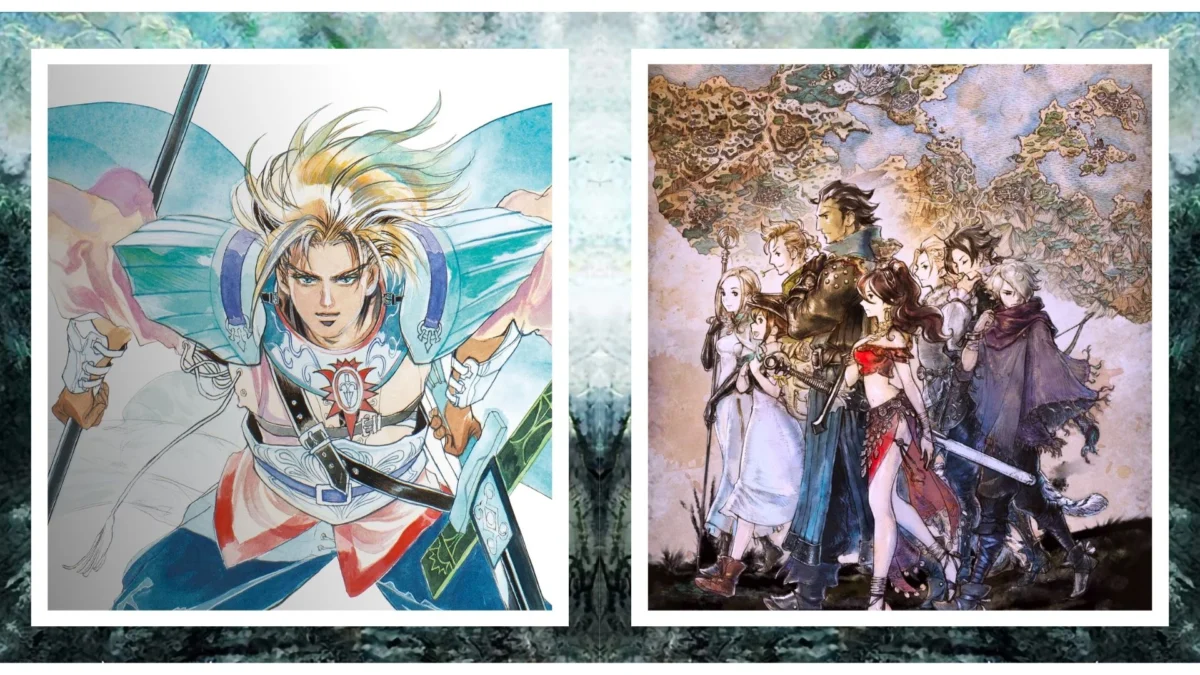
For many, the appeal of a Japanese Role-Playing Game (JRPG) extends far beyond the tactile thrill of turn-based combat or the complexity of character progression systems. It is the atmosphere—the invisible architecture of sound that transforms a digital landscape into a living, breathing world. Great game music possesses a unique, paradoxical quality: it must be engaging enough to stir the soul during a climactic boss battle, yet subtle enough to provide a backdrop for hours of exploration and menu management without inducing listener fatigue.
As we look back at the history of the medium, certain soundtracks have transcended their original purpose. They are no longer mere "assets" trapped within a game engine; they are compositions that find their way into our daily lives, accompanying our commutes, our work, and our quiet moments of reflection. Here are ten JRPG original soundtracks that have not only stood the test of time but continue to resonate with listeners today.
10. Suikoden: A Masterclass in Cultural World-Building
Composer: Miki Higashino
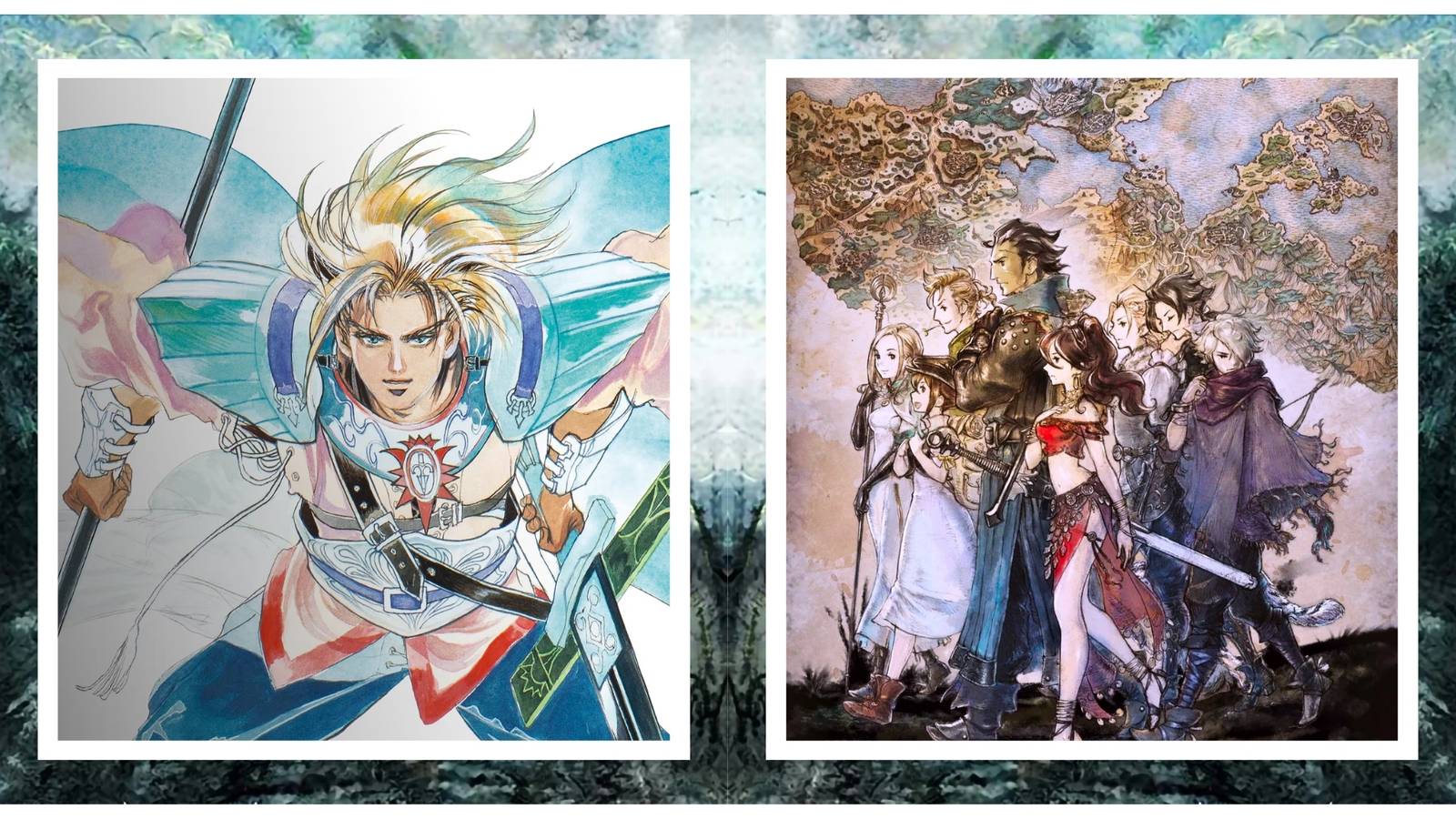
Miki Higashino’s work on the original Suikoden remains a benchmark for regional sound design. Her creative directive was clear: every nation and territory within the game’s vast world needed a distinct sonic identity. By weaving specific cultural motifs into the score, Higashino ensured that moving from one village to the next felt like an actual journey across a sprawling continent.
While Suikoden II is often cited as the series’ magnum opus, there is an unvarnished, raw quality to the first game’s soundtrack that provides a unique sense of place. It captures the essence of a world on the brink of change. Higashino’s later collaboration with Yasunori Mitsuda on Tsukiyo ni Saraba solidified her status as one of the most important voices of the 90s era, but for many, the charm of Suikoden remains her definitive contribution to the medium.
9. NieR Replicant/Gestalt: The Language of Emotion
Composers: Keiichi Okabe, Kakeru Ishihama, Keigo Hoashi, Takafumi Nishimura

It is rare for a video game soundtrack to prioritize vocals as heavily as NieR. With roughly 90% of the tracks featuring vocal performances, the score creates an intimate, almost haunting connection between the player and the game’s melancholy world.
The vocals, provided by Emi Evans, are a triumph of linguistic experimentation. Evans crafted a "chaotic language" by blending elements of Gaelic, Japanese, English, German, and Latin, imagining how these tongues might evolve thousands of years into the future. By stripping away the ability to consciously parse lyrics, the music bypasses the intellect and speaks directly to the subconscious. It creates a tonal landscape that is uniquely heartbreaking and profoundly beautiful.
8. SaGa Frontier 2: The Melancholic Elegance of Hamauzu
Composer: Masashi Hamauzu

Masashi Hamauzu is often described as one of the most sophisticated composers in the gaming industry, and SaGa Frontier 2 is the clearest testament to his genius. Spanning three discs, the score utilizes an Eastern European aesthetic, grounded by deliberate cultural research—even the German-language track titles serve as a testament to the game’s atmospheric grounding.
Hamauzu’s work is characterized by a "classical-adjacent" quality. He avoids the predictability of standard JRPG tropes, favoring leitmotifs that drift into experimental, airy territories. Whether he is working on his independent project Imeruat or his piano compositions performed by virtuosos like Benyamin Nuss, Hamauzu maintains a consistent, melancholic thread that makes SaGa Frontier 2 a mandatory listen for anyone interested in the intersection of orchestral music and interactive media.
7. Chrono Cross: A Global Tapestry of Sound
Composer: Yasunori Mitsuda
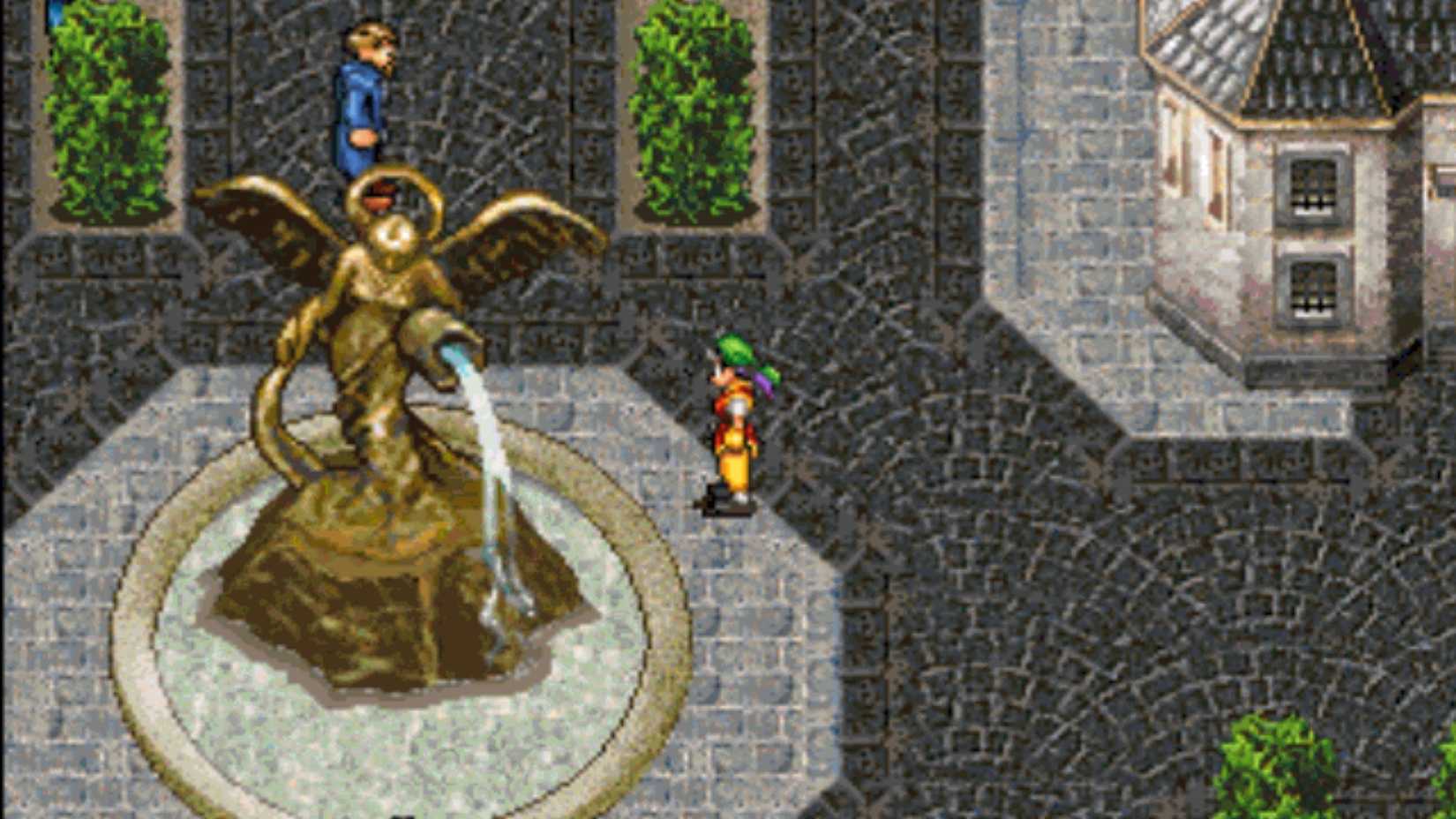
Few soundtracks in the history of gaming carry the reputation of Chrono Cross. With 67 tracks spread across three discs, the score is a sprawling, ambitious endeavor that somehow avoids a single weak link. Mitsuda’s ability to weave Celtic folk, jazz fusion, and sweeping orchestral movements into a single, cohesive narrative is nothing short of miraculous.
The brilliance of the Chrono Cross score lies in its thematic duality. The "Home World" and "Another World" versions of key themes are handled with meticulous care, allowing the player to experience the passage of time and the shift in reality through the subtle evolution of the music. It remains a gold standard for how music can facilitate world-building.
6. Octopath Traveler: The Pursuit of Nostalgia
Composer: Yasunori Nishiki
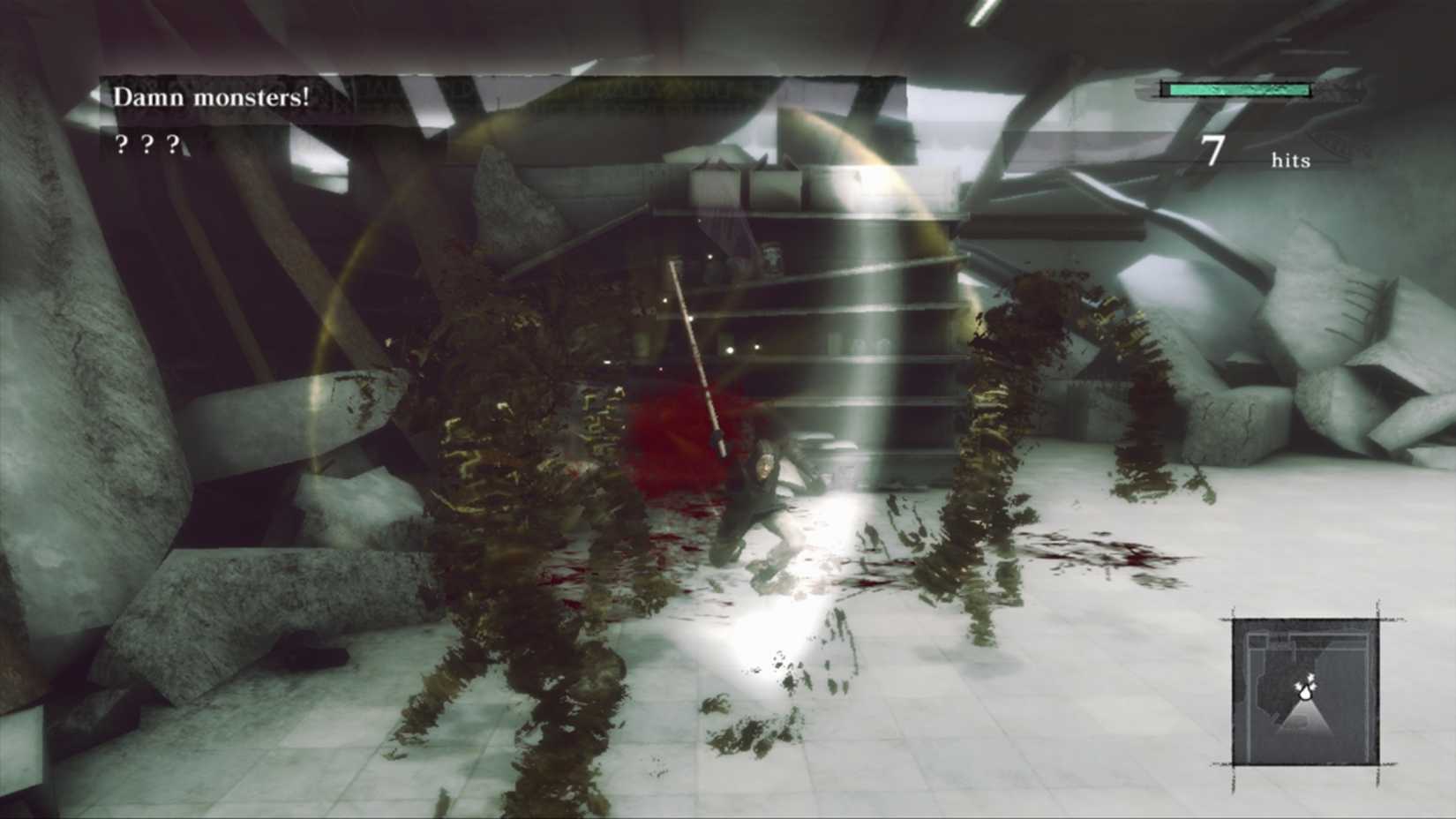
Yasunori Nishiki set a daunting goal for himself: to create a soundtrack that felt both "nostalgic and new." Following a period of intense creative struggle—during which he famously considered stepping away from the project—Nishiki delivered a masterpiece of melodic composition.
The success of the 86-track Octopath Traveler score lies in its focus on melody. Nishiki prioritized strong, hummable themes over heavy orchestration, treating the instrumentation as a secondary layer. His ability to craft character-specific themes that remain memorable after a single listening session, combined with the raw ferocity of his boss battle music, makes Octopath Traveler a triumph of modern JRPG scoring.
5. Final Fantasy X: A Unified Vision
Composers: Nobuo Uematsu, Masashi Hamauzu, Junya Nakano
Final Fantasy X marked a turning point for the franchise, as it was the first mainline entry to share composing duties. The collaboration between Nobuo Uematsu, Masashi Hamauzu, and Junya Nakano could have easily resulted in a disjointed experience, but the trio achieved a level of synergy that remains the gold standard for collaborative scoring.
"Zanarkand," perhaps the most recognizable track in the game, was originally written by Uematsu as a private gift for a friend. Its inclusion in Final Fantasy X provides the game with a somber, inevitable weight that defines the player’s emotional journey. The entire score feels like a collection of artifacts—music that existed before the game and will continue to exist long after.
4. Kingdom Hearts: Crossing Language Barriers
Composer: Yoko Shimomura
For a generation of players, Kingdom Hearts is synonymous with Yoko Shimomura’s "Dearly Beloved." The track is a cultural touchstone, serving as a gateway to an expansive, often convoluted narrative. Shimomura’s goal was simple: to make the player feel at home. By keeping the music from overwhelming the action, she allowed the world of Kingdom Hearts to breathe.
Furthermore, the contribution of Hikaru Utada cannot be overstated. Director Tetsuya Nomura’s insistence on Utada as the vocalist for the main themes proved to be a stroke of brilliance. Her ability to transcend language barriers ensured that the game’s emotional core resonated equally with domestic and international audiences, creating a lasting identity that has persisted for decades.
3. Star Ocean: Till the End of Time: Orchestral Weight
Composer: Motoi Sakuraba
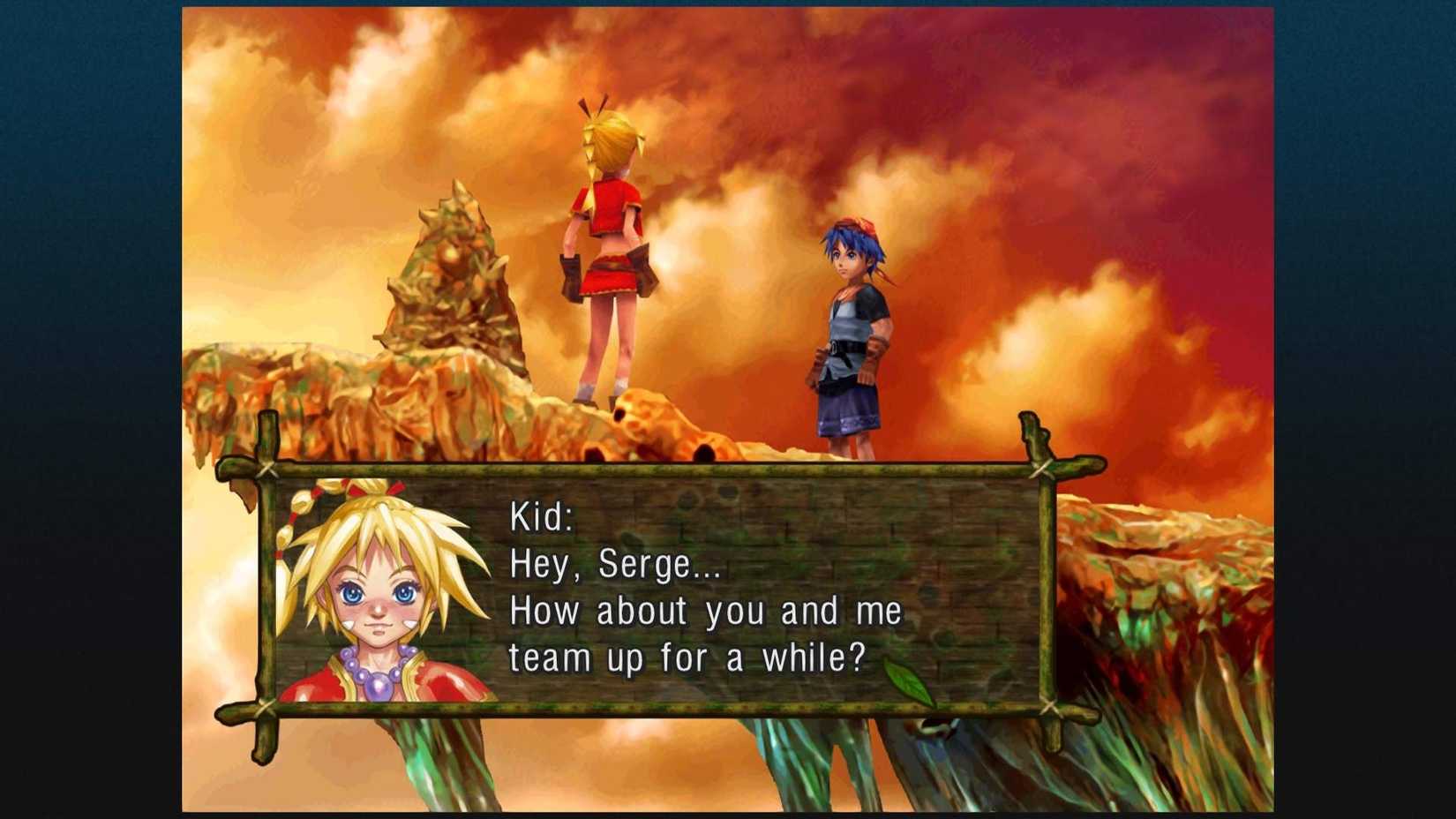
Motoi Sakuraba’s work on Star Ocean: Till the End of Time is a prime example of the power of live instrumentation. By utilizing a full orchestra for the first volume of the soundtrack, Sakuraba provided the game with a warmth and sonic depth that synthesizer-heavy scores of the early 2000s often lacked.
Listeners may be surprised to learn that Sakuraba is also the mind behind the Dark Souls soundtrack. While the two franchises occupy different genres, a discerning ear will notice the shared approach to atmosphere and emotional gravity. Whether exploring the stars or battling cosmic horrors, Sakuraba’s music provides the necessary weight to ground the experience.
2. Lost Odyssey: Despair and Hope
Composer: Nobuo Uematsu
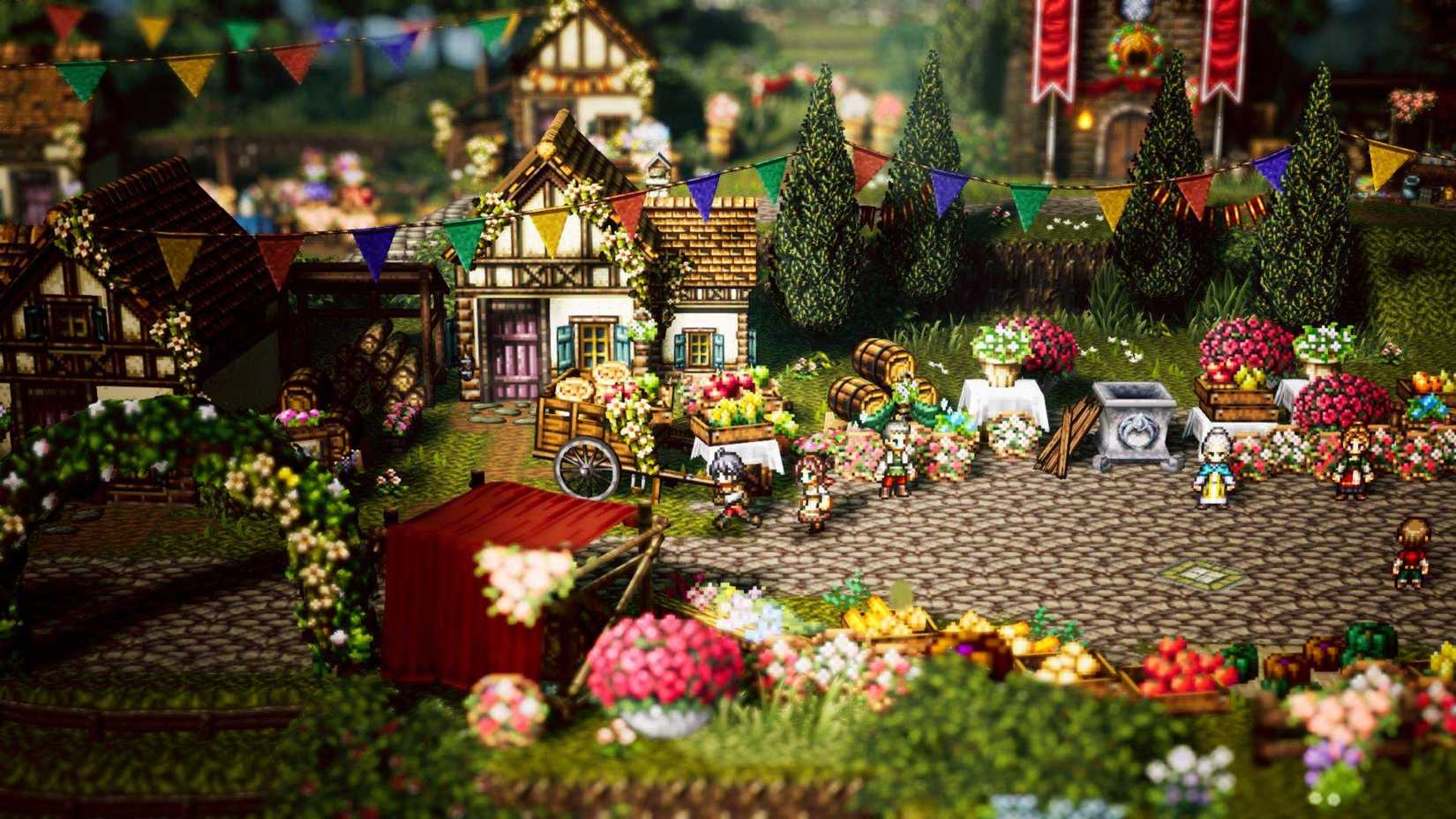
Lost Odyssey may have been hindered by its status as an Xbox 360 exclusive, but its soundtrack remains one of Nobuo Uematsu’s greatest post-Square achievements. The score manages to capture the specific weight of immortality—the joy, the regret, and the endless march of time.
Tracks like "A Sign of Hope" are masterpieces of emotional economy, blending the disparate feelings of poverty, despair, and resilience into a single melody. For those unable to play the game, the piano arrangements by Shiro Hamaguchi are a worthy substitute, offering a more intimate look at the compositions that define the Lost Odyssey experience.
1. Triangle Strategy: Flawless Composition
Composer: Akira Senju
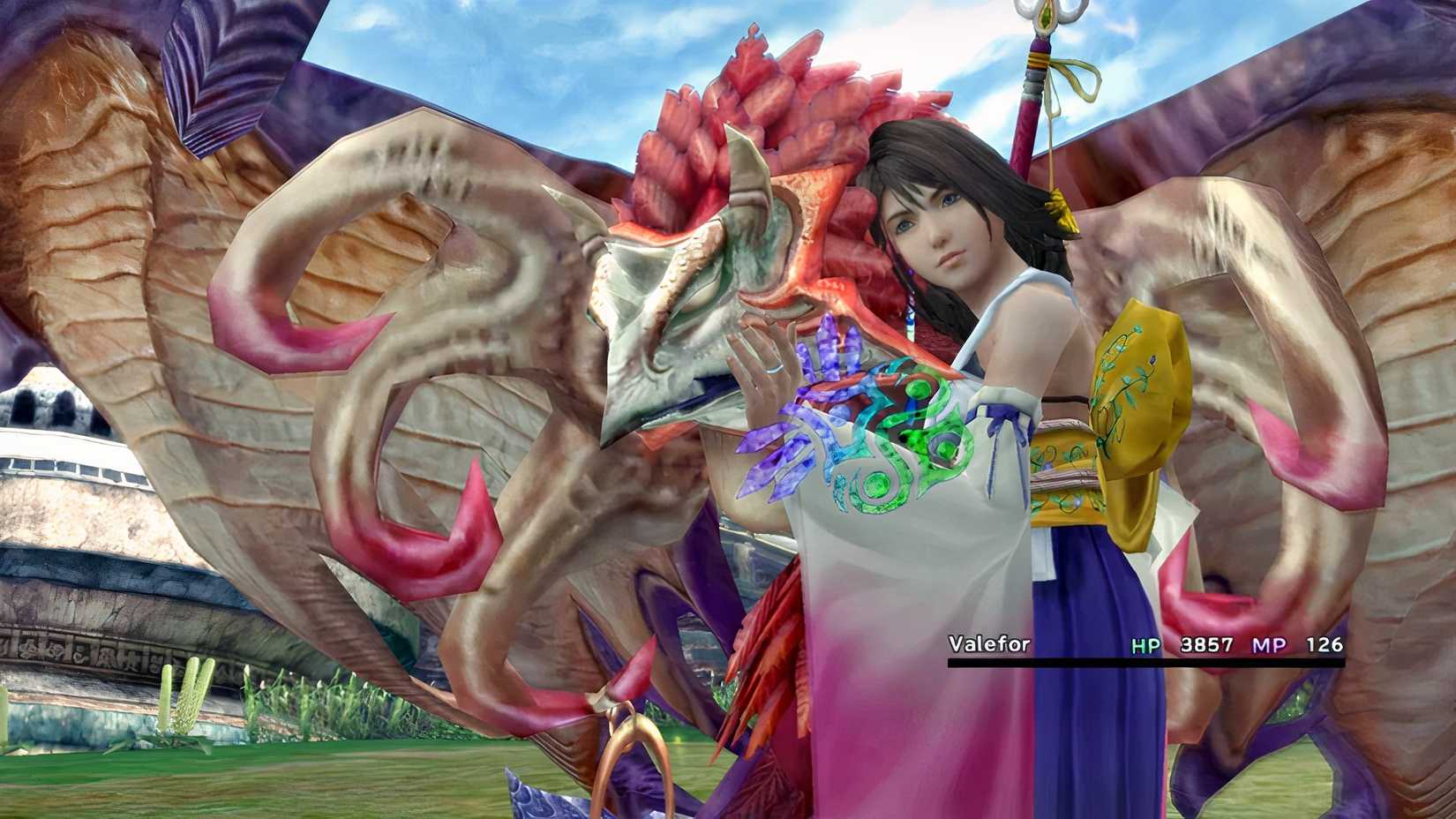
Despite the polarizing nature of Triangle Strategy’s narrative, there is no debate regarding its soundtrack. Akira Senju, a composer of immense pedigree with a background in film, television, and opera, provided a score that is essentially flawless.
Senju’s approach is lush and dramatically sophisticated, often outperforming the scenes it accompanies. It is a rare example of a soundtrack that elevates the source material, turning a tactical JRPG into a grand, operatic experience. It stands as a testament to the fact that when music is treated with this level of craft, it can stand entirely on its own as a piece of art, independent of the game that birthed it.
Implications and Industry Legacy
The longevity of these soundtracks suggests a fundamental shift in how developers view audio assets. No longer treated as background noise, music is now recognized as a critical component of brand identity and player retention. The success of these ten albums highlights a move toward hiring composers with distinct, recognizable "voices" rather than simply tasking sound departments with filling silence.
As we look toward the future of the JRPG genre, the legacy of these composers—Uematsu, Mitsuda, Shimomura, and their peers—serves as both a foundation and a challenge. They have proven that while game mechanics may age and graphics may pixelate, a well-composed melody is truly timeless. Whether through the experimental linguistics of NieR or the orchestral grandeur of Triangle Strategy, these soundtracks continue to serve as the heartbeat of the JRPG experience.


 Sagoh
Sagoh