

By Callum Mercer, Senior Editor
Last Updated: 24/04/2026
The landscape of professional Counter-Strike 2 has undergone a seismic shift. For years, the competitive scene was defined by a duopoly, a predictable rhythm dictated by the partner-team models of ESL and BLAST. Today, that era is officially a relic of the past. With the unveiling of 11 high-stakes, tier-one event windows by PGL and StarLadder for the 2026 calendar year, the industry is witnessing the most significant challenge to the status quo since Valve’s decision to dismantle closed-circuit licensing.
This is no longer a theoretical exercise in market liberalisation. The schedule is now visibly more open, significantly more crowded, and, by extension, infinitely more competitive. For stakeholders, teams, and investors, 2026 serves as the definitive stress test for Valve’s "open-circuit" vision: a grand experiment to determine whether a healthier, meritocratic market can truly thrive, or if it will simply collapse under the weight of its own scheduling density.
The Strategic Offensive: PGL and StarLadder’s 2026 Roadmap
The core of this transformation lies in the sheer volume of high-level competition being introduced. According to recent reporting by HLTV, PGL and StarLadder have successfully secured 11 tier-one event windows throughout the 2026 calendar. This is not merely an increase in events; it is a calculated reclamation of space.
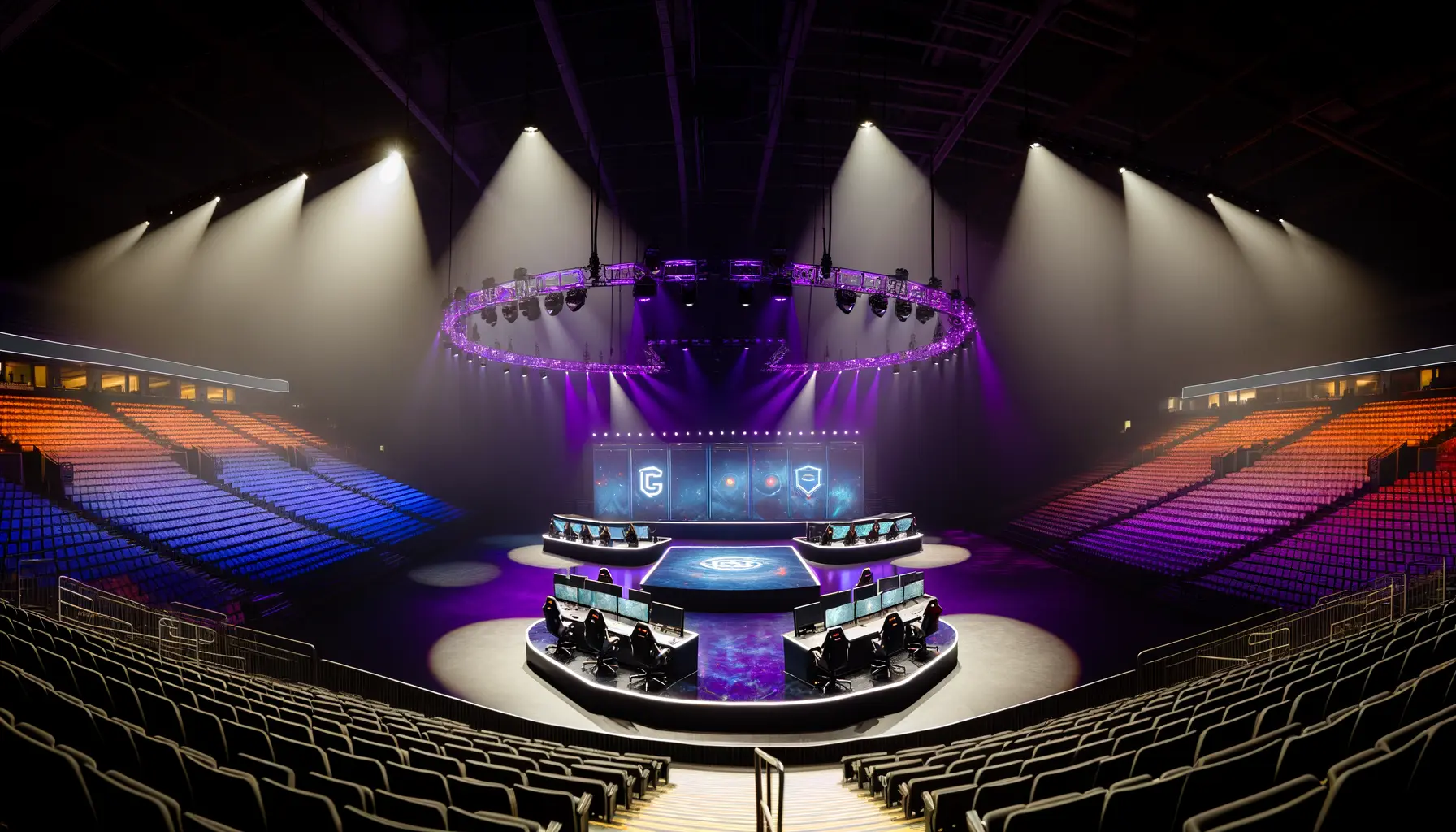
PGL, building on its recent success with the Bucharest events, is positioning itself as a permanent, year-round pillar of the tier-one circuit. By contrast, StarLadder is leaning into its historic pedigree, leveraging the revival of the StarSeries brand to re-establish itself as a premium operator. This dual-pronged assault effectively breaks the "two-pole" system that previously restricted the calendar to a closed loop of partner-based events.
The Dynamics of the Push
- PGL’s Year-Round Dominance: PGL is aggressively filling the gaps in the calendar, focusing on large-scale, high-production-value tournaments that demand the attention of top-tier rosters.
- StarLadder’s Restoration: By focusing on the StarSeries identity, StarLadder is appealing to legacy fans while implementing regional qualification paths that provide a more transparent route for tier-two teams to reach the summit.
- The Regulatory Gap: Despite the announcement of these dates, the full operational details—including finalized rulebooks, specific venue logistics, and long-term commercial revenue-sharing models—remain under wraps. This ambiguity suggests that while the "dates" are locked, the finer points of the competitive ecosystem are still being negotiated in real-time.
A Shift in Philosophy: From Partnership to Meritocracy
To understand why this matters, one must look at the regulatory shift forced by Valve. By removing the protections once afforded to "partner teams," Valve effectively stripped the industry of its semi-closed club status. In its place, a "land grab" mentality has emerged.
Official Stances and Motivations
PGL has maintained a consistent narrative: the current market is underserved. Their expansion is framed as a direct response to the global demand for more frequent, high-level Counter-Strike action. In the eyes of PGL leadership, an open ecosystem requires more standalone events that prioritize ranking points over commercial invites.
StarLadder’s messaging mirrors this, albeit with a focus on historical restoration. They are presenting their return as a correction to the "partner-era" exclusivity. By emphasizing regional qualifiers, they are positioning their events as the primary gateway for rising talent to prove themselves against established titans. Both organizations are speaking not as alternatives, but as incumbents returning to claim their rightful place at the top of the food chain.

The Complexity of the Open Circuit
While the expansion of the tournament calendar is a victory for the "open-circuit" philosophy, it introduces a dangerous variable: calendar exhaustion.
The professional circuit is becoming "brutally dense." When elite teams are forced to choose between competing in PGL’s newest offering or maintaining their commitments to BLAST or ESL, the structural integrity of the scene faces a risk. If the schedule becomes too crowded, the quality of individual events may suffer as top-tier talent is spread too thin, or worse, top teams may prioritize commercial obligations over sporting ones, undermining the very meritocracy Valve aimed to foster.
The Incumbent Resistance
It is critical to note that the existing power players are not retreating. As reported by Esports News UK regarding BLAST’s expansion in Porto and the ESL FACEIT Group’s strategic partnership with Kick, the "old guard" remains financially and logistically formidable. They are defending their premium dates with vigor, meaning the market is not just expanding—it is becoming a theater of conflict.
Supporting Data: Why 2026 is a Year of Reckoning
The success of this transition will be measured by three primary metrics:
- Attendance and Engagement Quality: Can PGL and StarLadder attract the same viewership numbers as the established ESL and BLAST events, or will the "newness" wear off?
- Broadcast and Event Delivery: As seen in the recent success of the FUT Esports title win at PGL Bucharest, execution is everything. The ability to run a seamless, high-stakes broadcast is the barrier to entry that will separate the successful operators from those who are merely occupying space on the calendar.
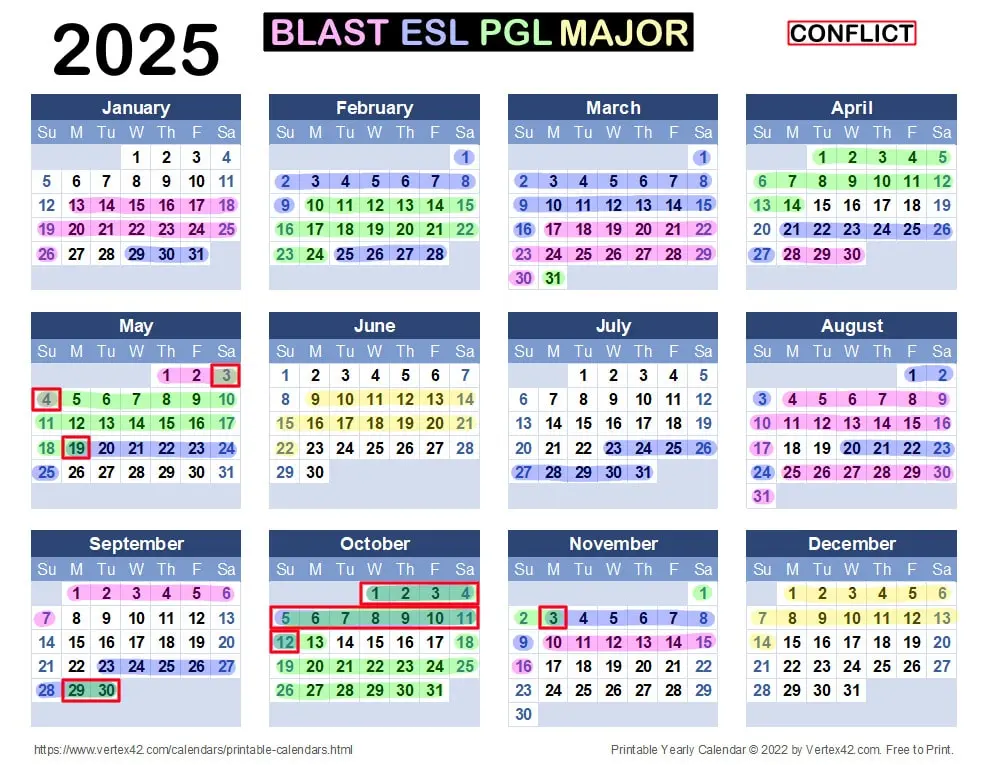
- Team Prioritization: The most important data point will be the "May and September clusters." These two periods represent the highest density of events. If top-ten teams consistently skip specific events to manage their health or preparation, the "open-circuit" model will face its first genuine crisis of legitimacy.
Implications: The Road Ahead
The next twelve months will be a masterclass in esports economics. Valve has successfully dismantled the "walled garden," but they have replaced it with a wild, competitive frontier.
If this transition is handled correctly, the Counter-Strike scene will be more resilient, more diverse, and more accessible than it has been in a decade. A tournament winner in 2026 will be someone who has survived a gauntlet of different organizers, formats, and regional qualifiers, rather than someone who simply navigated a predictable, invite-only circuit.
However, the "spreadsheet" reality remains. Organizers must prove that their events have "tier-one gravity." They need to prove that they are not merely disrupting the schedule for the sake of it, but providing a sustainable platform that supports the entire tier-one ecosystem.
Final Thoughts
The open era is officially here. But as we move past the excitement of the announcements, the focus must shift to the server and the bottom line. Can the market support 11 additional events? Will the players burn out? And, ultimately, will the fans follow?
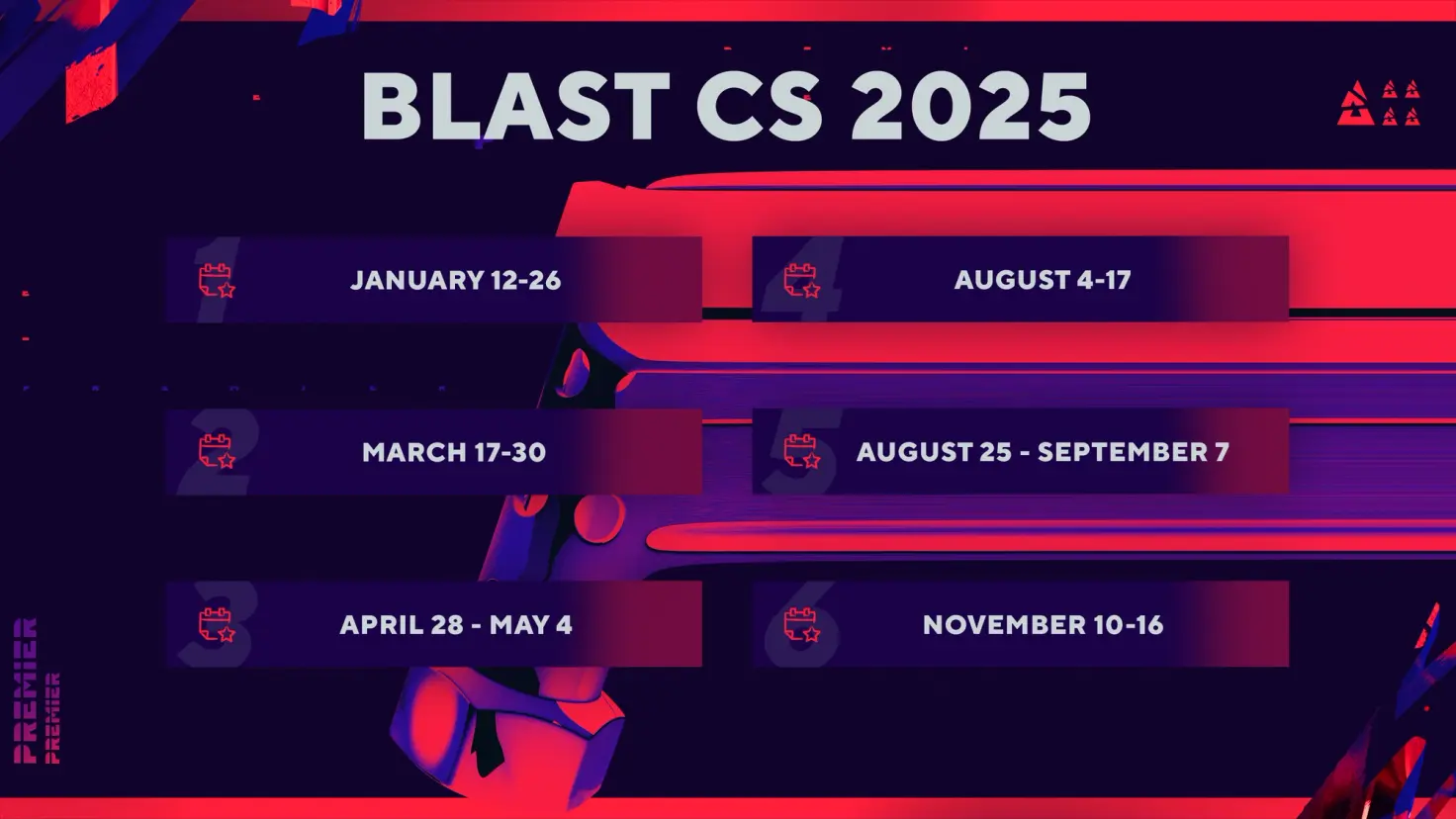
The 2026 tournament calendar is no longer a document of intent; it is a battleground. For PGL and StarLadder, the goal is simple: turn these calendar claims into a legacy. For the industry, the goal is survival. As the dust settles on this initial land grab, the true test will be whether this open-circuit model can produce a sustainable, professional environment that honors the history of the game while pushing it into a new, more competitive future.
About the Author
Callum “Cal” Mercer is a UK-based esports journalist covering competitive titles across the LEC, VCT, and global Counter-Strike circuits. With a background in broadcast production and data analysis, he specializes in tactical breakdowns, roster strategy, and the business dynamics shaping modern professional gaming.
Stay updated with the latest in the world of esports by subscribing to our updates on Google News.










No comments yet. Be the first to join the conversation!