Reynand Wu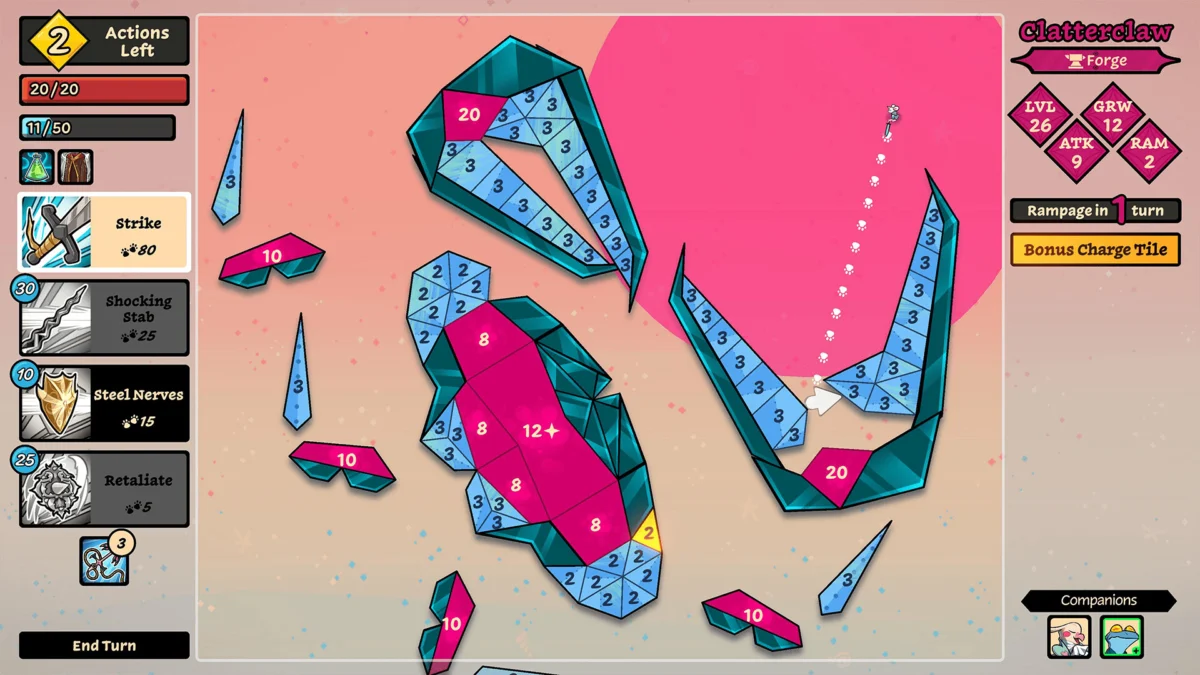
In the crowded landscape of modern indie gaming, where genres are frequently blended into derivative hybrids, Beast Breaker stands out as a genuine anomaly. Developed as a turn-based RPG, the game discards the traditional tropes of menu-heavy combat in favor of a physics-based, pinball-inspired system that demands both spatial awareness and strategic foresight. Following its successful showcase at DreamHack, the title has garnered attention for its unique mechanical marriage of tabletop-style planning and high-velocity action.
The Core Concept: A New Way to Battle
At its heart, Beast Breaker is a game of calculated momentum. Players assume the role of a courageous, unassuming mouse—a protagonist whose humble origins in a grandmother’s cottage are quickly eclipsed by the encroaching threat of massive, multi-part monsters terrorizing their village.
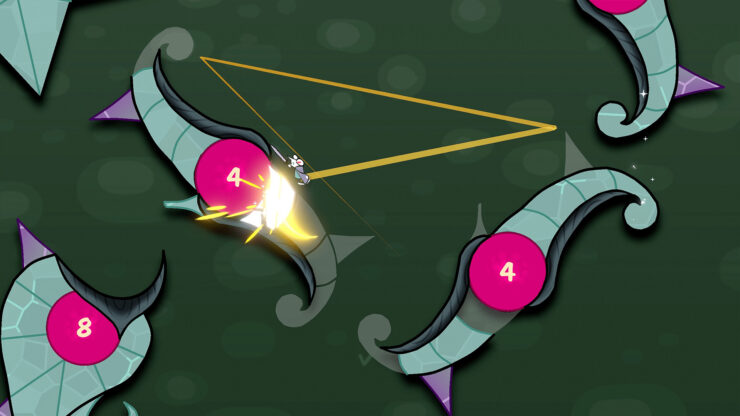
Unlike standard RPGs where combat is decided by numerical superiority or character stats alone, Beast Breaker requires the player to literally fling their character at the enemy. This is not a button-mashing endeavor; it is a game of billiards played with a sword. The monsters are constructed from various modular components, each serving a different function. Some segments act as impenetrable shields, forcing the player to bank their shots carefully, while others—marked by red numerical indicators—are vulnerable weak points.
The objective is simple but demanding: calculate the trajectory, account for the physics of the bounce, and strike the critical points until the behemoth crumbles. However, the addition of permanent "black" segments adds a layer of complexity, forcing players to navigate around indestructible obstacles that can easily turn a well-planned attack into a wasted turn.
Chronology of Development and Public Reception
The journey of Beast Breaker from a conceptual prototype to its current iteration on Steam has been marked by a focus on "game feel." The development team recognized early on that the primary hook of the game was the satisfaction of the impact.
- Early Conceptualization: The initial idea focused on the contrast between the small, agile hero and the gargantuan, intimidating scale of the monsters.
- Refining the Physics: A significant portion of the development cycle was dedicated to ensuring that the pinball physics felt predictable yet challenging. The team moved away from pure randomness, allowing players to master the "angles" of attack.
- DreamHack Showcase: The game gained significant traction at DreamHack, where it was playable on the floor. For many attendees, the game served as a "palate cleanser" amidst high-intensity esports titles, offering a contemplative, puzzle-like experience that rewarded patience.
- Steam Launch: Following its positive reception on the convention circuit, the game made its official debut on Steam, where it continues to build a cult following among fans of turn-based tactics.
Tactical Depth: The Cost of a Move
One of the most compelling aspects of Beast Breaker is its strict economy of movement. Players are restricted to three attacks per turn. Once these moves are exhausted, the monster reacts. This phase-based structure forces the player to consider the consequences of their positioning.
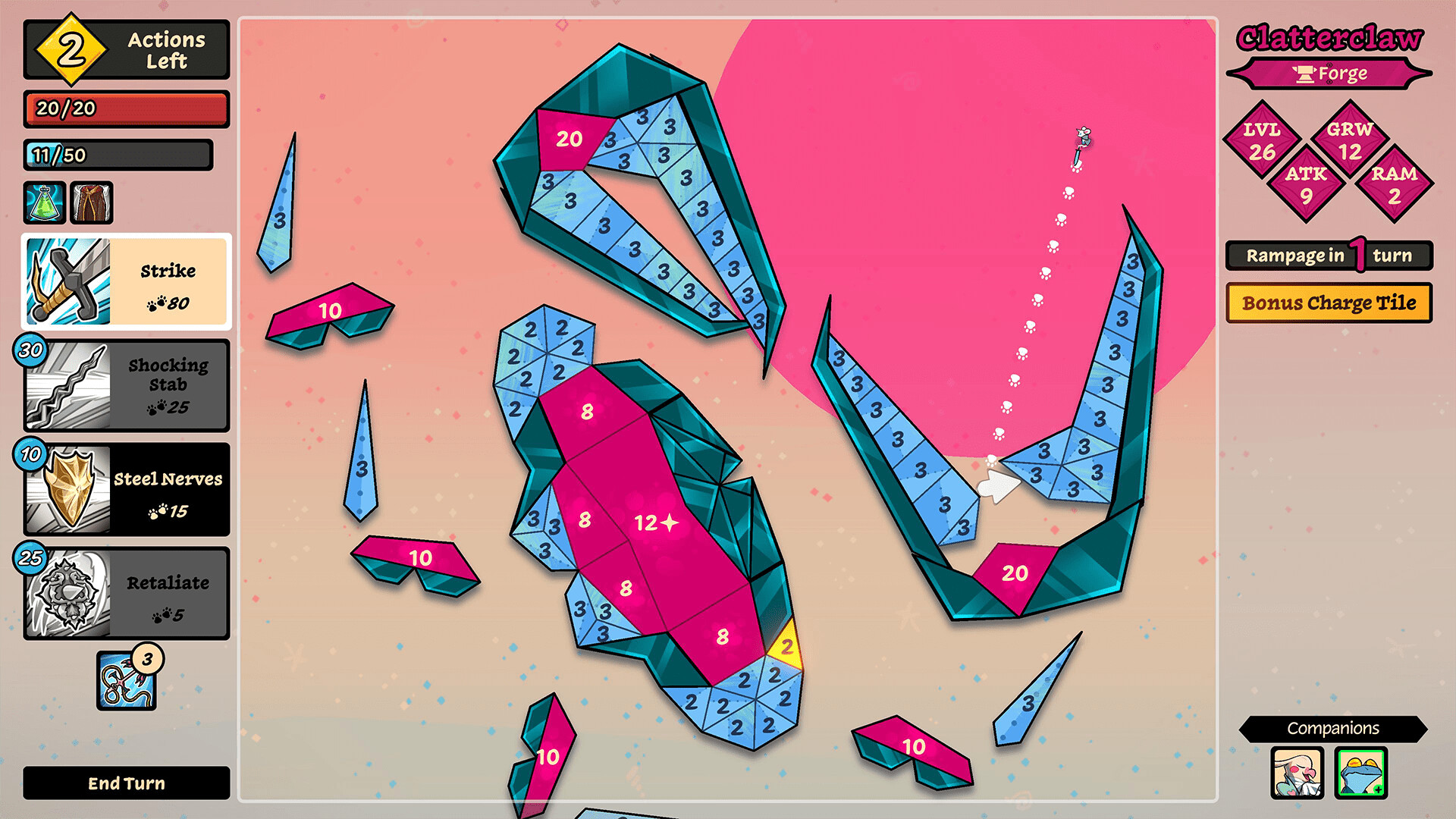
If a player wastes their turns clearing away protective shields that do not yield damage, they leave themselves vulnerable to the monster’s counter-attack. The enemy’s turn involves a transformation and a direct strike, often targeting the very area the player occupies. Consequently, the game functions as much like a puzzle as it does an RPG. Players must calculate not just how to deal the most damage, but how to end their turn in a "safe zone," away from the projected strike path of the creature.
This creates a high-stakes rhythm: execute, assess, reposition, and repeat. The failure to account for the monster’s impending turn is usually the primary reason for defeat, teaching players that in Beast Breaker, aggression must always be tempered by caution.
Expanding the Arsenal: Weapons and Playstyles
While the base mechanics remain consistent, the game’s longevity is bolstered by an intricate system of unlockable weapons. These are not merely cosmetic upgrades; they fundamentally alter how the player interacts with the game’s physics.
Different weapons offer unique movement options. Some blades allow for "dashing," which enables the mouse to pass through enemy parts that would otherwise block their path. Others might offer longer trajectories or higher bounce factors. By switching gear, players can adopt entirely different playstyles—some weapons favor long-range, precision shots, while others encourage a "close-quarters" approach that involves bouncing rapidly between several adjacent monster parts.
This variety ensures that the game does not become repetitive. As the monsters grow larger and more complex in the later stages, the ability to swap weapons based on the specific composition of the foe becomes an essential strategic layer.
Implications for the Indie Genre
Beast Breaker acts as a case study for how indie developers can innovate within established genres. By taking the turn-based RPG—a genre often criticized for its slow pace—and injecting it with the kinetic energy of a physics-based arcade game, the developers have managed to solve one of the genre’s most persistent problems: the feeling of disconnect between player input and on-screen result.
The success of the title suggests that there is a significant appetite for "thinking-man’s action." Players are increasingly looking for titles that respect their time and intelligence, offering mechanics that are easy to understand but difficult to master. The "pinball" approach is intuitive, but the strategic requirements behind it satisfy the itch for depth that traditional RPG fans crave.
Furthermore, the game’s design philosophy highlights the effectiveness of "modular design." By building monsters out of distinct, interactive parts, the developers created a game that scales well in difficulty. Adding more shields or changing the layout of the weak points provides a fresh challenge without needing to reinvent the game’s core systems.
Conclusion: A Masterclass in Accessible Complexity
For those who generally shy away from fast-paced action games, Beast Breaker is a revelation. It provides all the thrill of an action-oriented boss battle without the requirement for twitch reflexes. Instead, it offers a space to breathe, calculate, and execute.
The game is currently available on Steam, providing a robust entry point for those looking for a unique, satisfying experience. Whether you are a fan of tactical RPGs or simply looking for something that breaks the mold of standard gaming fare, Beast Breaker is a title that deserves to be on your radar. Its blend of humble charm, tactical depth, and addictive physics-based gameplay makes it a standout entry in this year’s indie catalog.
About the Author
Jupiter Hadley is a seasoned indie game journalist and advocate. With a portfolio that spans major outlets including Metro UK and Big Boss Battle, Hadley has dedicated her career to championing the "smaller" side of the industry. Her work is characterized by a deep curiosity for game jams and a commitment to ensuring that every developer, regardless of the size of their team, receives a spotlight. Beyond her writing, she runs indiegamejams.com, an essential resource for the global game development community, and serves as a frequent judge for various indie game competitions and events.


 Sagoh
Sagoh