

The Federal Communications Commission (FCC) has launched a high-stakes regulatory proceeding that could fundamentally alter the landscape of American broadcast television. In a move described by critics as a politically motivated encroachment on editorial independence, the Commission’s Media Bureau has issued a formal public notice seeking input on whether the long-running ABC talk show The View qualifies as a "bona fide news interview program."
At the heart of the controversy is the FCC’s "equal-time rule," a federal regulation mandating that broadcasters provide equivalent airtime to opposing political candidates during election cycles. Programs that are classified as "bona fide news" are exempt from this requirement, allowing hosts and producers the editorial discretion to curate guests and topics without the burden of providing a platform for every political rival. By questioning the status of The View, the FCC is effectively placing the show’s operational freedom under the microscope of federal review.
The Political Context of the Inquiry
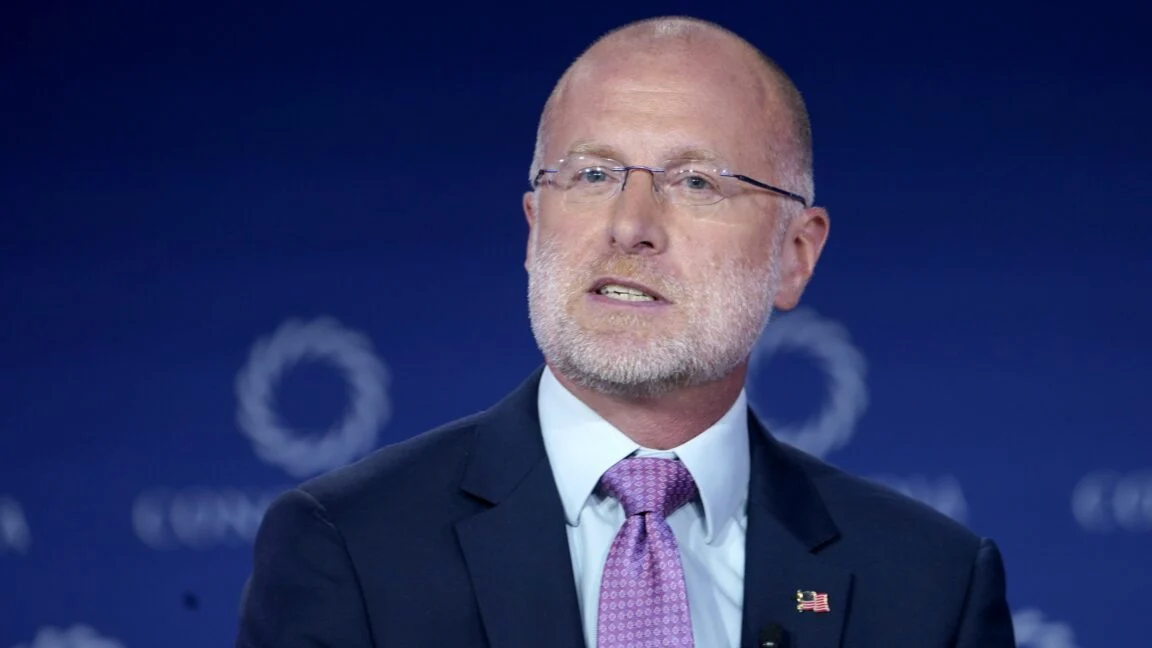
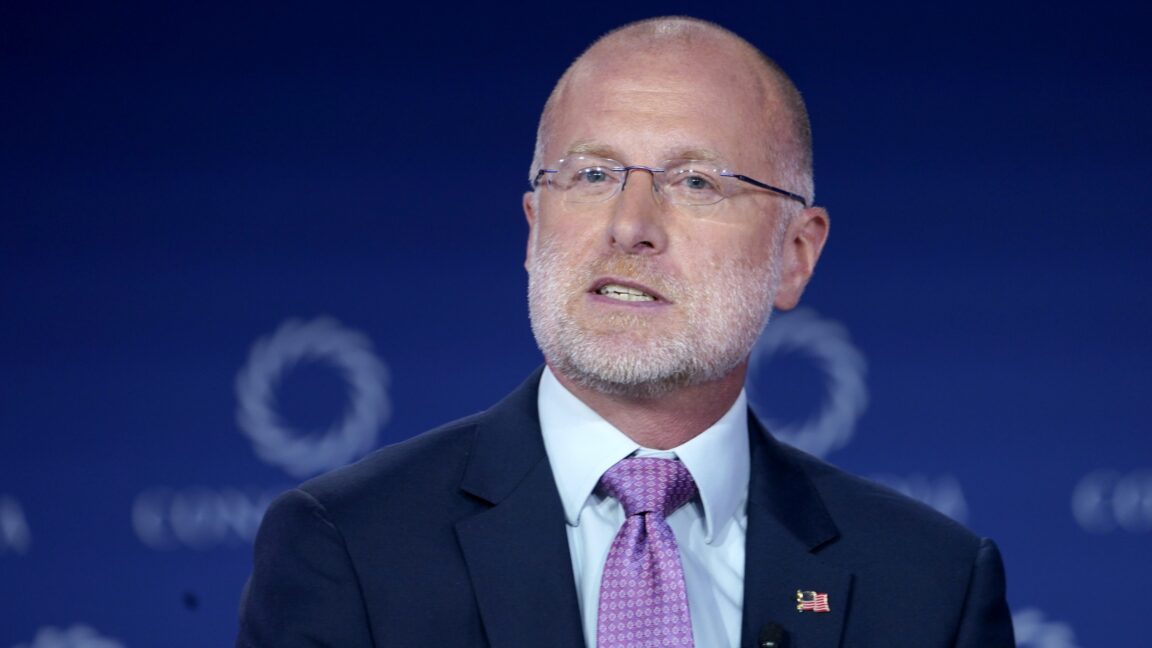
The probe is being spearheaded by FCC Chairman Brendan Carr, an appointee who has faced intense scrutiny for his vocal alignment with the Trump administration. Since assuming the chairmanship, Carr has adopted a proactive, often confrontational approach toward major media networks, characterizing his regulatory agenda as a necessary corrective to what he describes as industry bias.
Observers note that this inquiry does not exist in a vacuum. It follows a pattern of regulatory actions directed at Disney-owned ABC, including threats to broadcast licenses and investigations into alleged "news distortion." Critics of the FCC’s current direction, including Democratic Commissioner Anna Gomez, argue that the agency has abandoned its traditional role as an independent arbiter, choosing instead to function as an enforcement arm for political interests.
"The FCC is once again targeting an administration critic by mob rule," Commissioner Gomez stated in a public rebuke. "Let’s not pretend this FCC hasn’t already made up its mind. All they want is for their pro-censorship partisan allies to nod in agreement. My message to Disney: Don’t flinch. Fight."
Chronology of the Regulatory Conflict
To understand the gravity of the current situation, one must look at the history of the equal-time rule and the specific exemptions granted to television programs over the last four decades.
A Forty-Year Precedent
The FCC has historically provided bona fide news exemptions to a wide variety of entertainment and talk-based programming. Throughout the late 20th and early 21st centuries, the Commission recognized that the lines between "hard news" and "talk programming" are often porous. Shows hosted by figures such as Phil Donahue, Sally Jessy Raphael, Jerry Springer, Bill Maher, Jay Leno, and Howard Stern were granted these exemptions, acknowledging that these programs, while conversational, serve a significant informational role in the public sphere.
The 2002 Ruling for The View
The View received its own formal bona fide news exemption in 2002 during the presidency of George W. Bush. For over 20 years, this designation has remained the legal bedrock upon which the show operates. The FCC’s current maneuver involves questioning the validity of this decades-old ruling, with the Media Bureau now characterizing the 2002 decision as merely a "letter from an FCC staffer," rather than a binding administrative precedent.
Escalation in 2025 and 2026
The current pressure on ABC began in earnest in September 2025, when Chairman Carr publicly questioned whether the airing of Jimmy Kimmel Live! might violate the rarely enforced "news distortion" policy. This was followed in April 2026 by an extraordinary review of ABC’s broadcast licenses, triggered by complaints regarding the network’s internal Diversity, Equity, and Inclusion (DEI) policies. The current inquiry into The View represents the third major front in what many legal experts call a campaign of administrative harassment.
The Three-Part Test for "Bona Fide" Journalism
In response to the FCC’s inquiry, ABC has filed a robust defense, pointing to the established three-part test the Commission has used for decades to define a news interview program. According to the network’s filing, a program qualifies if:
- It is a regularly scheduled program.
- The broadcaster or an independent producer maintains control over the program.
- Decisions regarding the format, content, and the selection of participants are based on newsworthiness, rather than an intent to influence a political candidacy.
ABC contends that The View meets all three criteria unequivocally. The network argues that the show’s editorial team makes decisions based on the cultural and political relevance of current events, a standard that has been maintained for the duration of the show’s existence. Furthermore, the network asserts that the 2002 Declaratory Ruling remains in "full force and effect," rendering the current attempt to re-litigate the status of the show a procedural overreach.
Official Responses and Public Sentiment
The FCC’s public notice has invited comments from the general public, a process that has already generated a polarized response. The online docket has been flooded with hundreds of submissions. Many commenters, aligned with the administration’s skepticism of mainstream media, argue that The View is a partisan entertainment vehicle rather than a legitimate news outlet, and therefore should be subjected to the equal-time rule to ensure "fairness."
Conversely, civil liberties groups and media advocates have filed comments decrying the inquiry as a "misguided and unfounded" exercise of power. One commenter noted that the proceeding appears to have been initiated without any formal complaints alleging a specific violation of equal-time provisions, suggesting that the investigation was "top-down" rather than a response to genuine viewer grievance.
Implications for the Future of Broadcast Media
The implications of this proceeding extend far beyond a single daytime talk show. If the FCC successfully strips The View of its exemption, it would create a dangerous precedent for all talk-based television.

Constitutional Concerns
ABC’s legal team has signaled that they are prepared to challenge the constitutionality of the equal-time rule itself. In their recent filing, they argued that the rule "raises profound First Amendment concerns" by restricting the editorial autonomy of journalists and producers. If the case reaches the federal courts, it could lead to a landmark Supreme Court decision on whether the government has the authority to dictate which voices are allowed on air during an election cycle.
The Erosion of "News" Definitions
By attempting to narrow the definition of what constitutes "news," the FCC is effectively asserting that it—and by extension, its politically appointed leadership—has the power to define the parameters of journalism. This centralization of media oversight is viewed by many as a significant departure from the Commission’s historical role as a neutral regulator of technical spectrum standards.
The "Chilling Effect"
Media analysts fear that the mere existence of this proceeding will have a "chilling effect" on broadcasters. If networks fear that their editorial choices will result in costly, lengthy, and politically charged FCC investigations, they may move toward a more sanitized, risk-averse style of programming. This could reduce the range of political discourse on network television, as producers seek to avoid any content that could be interpreted as "partisan" by an aggressive regulatory body.
Moving Forward: Key Deadlines
The FCC has established a rapid timeline for this inquiry. Initial comments are due by June 22, 2026, with reply comments due by July 6, 2026. Given the speed of these developments, the industry is bracing for a summer of intense litigation and public debate.
Whether the FCC succeeds in its challenge remains an open question. However, the conflict underscores a broader, fundamental shift in the relationship between the federal government and the media. As the lines between regulatory oversight and political interference continue to blur, the fate of The View serves as a litmus test for the future of editorial freedom in American broadcasting. As ABC continues to fight the order, the outcome of this case will likely define the boundaries of the First Amendment in the digital and broadcast age for years to come.












No comments yet. Be the first to join the conversation!