

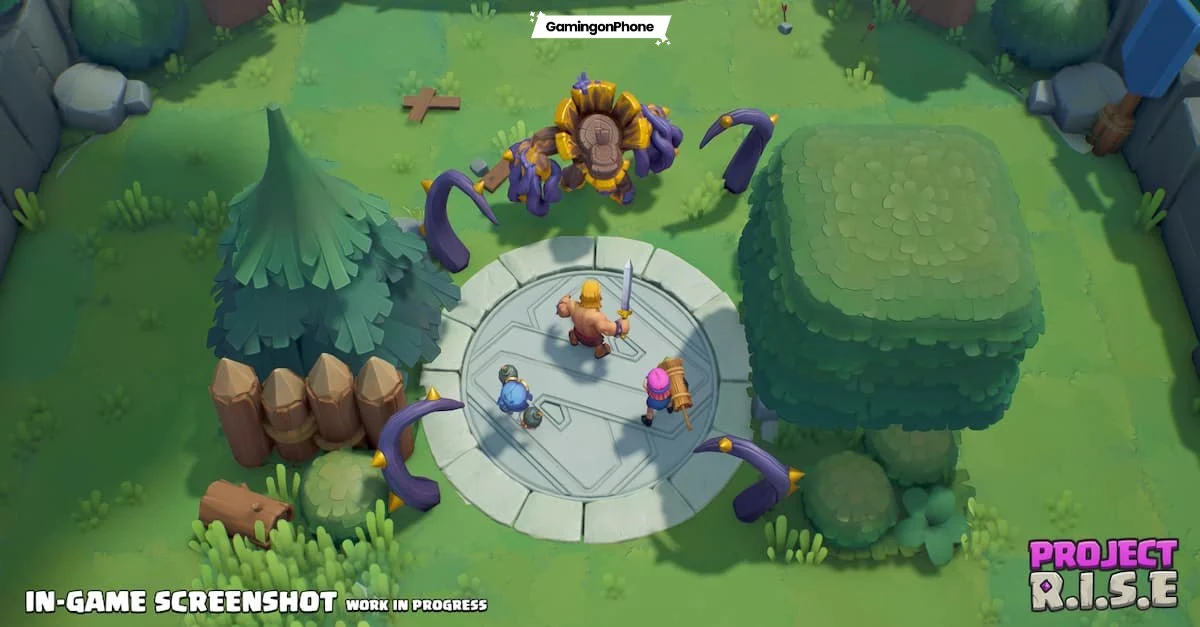
Six months ago, the mobile gaming community faced a collective wave of disappointment when Supercell announced the abrupt cancellation of the "Barely Beta" test for its highly anticipated action title, Project R.I.S.E. The decision was not made lightly; it was a candid admission that the game’s core gameplay loop failed to meet the high standards of polish and structural integrity that players have come to expect from the studio behind Clash of Clans and Brawl Stars.
However, in a significant turn of events, the Project R.I.S.E development team has broken their silence, releasing a comprehensive development update that signals a much more optimistic chapter for the title. By choosing to dismantle and rebuild the game’s foundational systems rather than iterating on a flawed base, the team claims they have finally found the "confident" direction they were previously lacking. This report explores the nuances of this transformation, the structural changes coming to the gameplay, and what this means for the future of the project.
The Chronology of a Rebuild: From Cancellation to Confidence
The path to the current state of Project R.I.S.E has been one of rigorous self-reflection. When the "Barely Beta" was scrapped, the developers were transparent about the "unsatisfactory core gameplay experience." For many studios, such a setback would lead to a "sunk cost" scenario where developers continue to patch a failing system. Instead, Supercell opted for a radical structural overhaul.
The Alpha Lessons
During the initial Alpha phase, the game suffered from severe retention issues. The most glaring problem was the instability of the player base during sessions; teammates would frequently quit mid-run, leaving others stranded in a tower climb that was meant to be a collaborative effort. Additionally, the progression systems felt static, with builds chosen at the start of a session remaining unchanged, leading to repetitive and stale gameplay.
The "Step Back" Strategy
Over the last half-year, the development team stepped back from the "infinite tower" concept that originally defined the game. They recognized that while an endless climb sounds compelling on paper, it often lacks the structural variety required for meaningful, session-based mobile play. By pausing development to address these design flaws, the team moved away from the "rush to release" mentality, prioritizing the longevity and depth of the mechanics over immediate accessibility.
Structural Overhaul: Redefining the Tower
The most significant change arriving in the next beta is the total redesign of the "Tower Structure." Previously, the game was built around a singular, relentless climb. In the upcoming version, this has been discarded in favor of a segmented, difficulty-based progression system.
New Difficulty Paths
The team has introduced three distinct tiers of play:
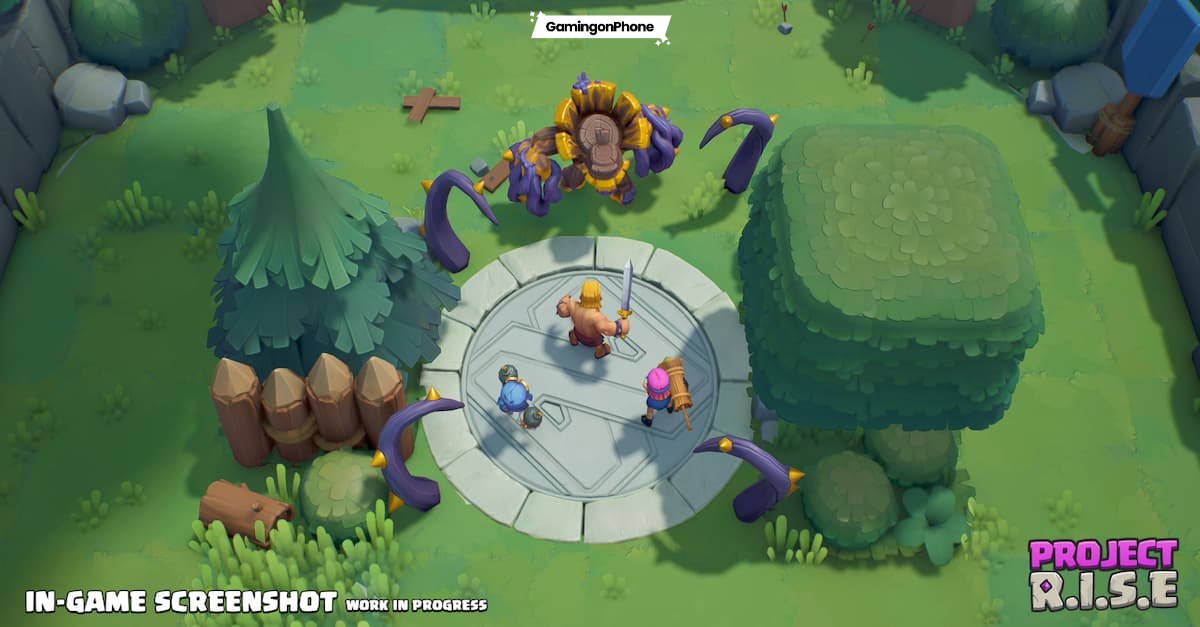
- Brave: A 5-floor experience designed for quick, casual sessions.
- Heroic: A 15-floor challenge that offers a moderate time commitment.
- Legendary: A long-form climb intended for players seeking the ultimate test of their skills.
This shift is more than just a change in length; it is a solution to the matchmaking woes of the Alpha. By categorizing sessions into these tiers, the developers have ensured that players are matched based on their desired intensity rather than their progress through a specific floor. This fosters a more consistent multiplayer experience, as players entering a "Brave" session are aligned in their expectations regarding time and challenge.
The Fate of the Infinite Tower
While the infinite mode is a staple of the roguelike genre, Supercell has confirmed it will no longer be the "core" experience. Instead, it will be relegated to a late-game challenge. This transition is vital: it prevents the game from feeling like an unending slog for new players, while still providing a high-skill ceiling for veterans who want to push their limits.
Deepening the Hero Kits: Complexity vs. Accessibility
A recurring critique during the early testing phases was the lack of meaningful character progression within a run. The developers attempted to remedy this last year by introducing Trinkets and Spells, but they eventually concluded that these additions diluted the unique "heart" of each hero.
The "Light, Heavy, Skill" Framework
The new iteration returns to a hero-centric model. Every character is now defined by a distinct Light Attack, Heavy Attack, and a signature Skill. However, the depth is now derived from dynamic upgrades earned during the climb.
- Archer: Can evolve from a basic ranged attacker into a tactical powerhouse, unlocking homing arrow volleys that trigger upon the use of her primary Skill.
- Valkyrie: Shifts from a simple spinner to a crowd-control expert, capable of performing heavy slams after her signature whirlwind move.
- Barbarian: Becomes a summoner-archetype, allowing him to bolster his ranks with additional units during the heat of combat.
This system allows for "build variety" to emerge naturally through gameplay rather than through pre-selected menus. It makes each session feel unique, as the power-ups the player acquires dictate their playstyle for that specific run.
Supporting Data: The Launch Roster and Beyond
The decision to focus on quality over quantity has resulted in a smaller initial roster for the upcoming beta. Supercell has confirmed that only six heroes will be available at launch: Barbarian, Archer, Valkyrie, Firecracker, Bomber, and Goblin Brawler.
While fans of characters like the Countess, Fisherman, P.E.K.K.A, Battle Machine, Hog Rider, Bandit, and Hunter may be disappointed, the studio is standing firm on its "no unfinished business" policy. The team explicitly stated that they would rather delay the introduction of these characters than release them in a state that doesn’t match the new, deeper gameplay mechanics. This suggests that future hero releases will be more robust and better integrated into the core systems.

What Remains Intact?
Despite the sweeping changes to gameplay, several features that resonated with the community have been preserved:
- Leaderboards: The competitive element remains a priority, ensuring that players can track their performance against friends and the global community.
- Social Features: Voice chat, hero skins, and the season shop are confirmed to return, reinforcing that the game is still firmly rooted in the "social action" genre that Supercell excels at.
Official Responses and Implications
The shift in tone from the developers suggests a "lesson learned" approach. By admitting that the previous build was structurally flawed, Supercell is attempting to rebuild trust with its core audience.
The Implications for Supercell
For a company that frequently cancels projects that do not meet its "internal quality bar," the fact that Project R.I.S.E has survived this long—and undergone such a significant rebuild—speaks volumes about the company’s internal belief in the project’s potential. They are not just building a game; they are iterating on a new business model for the "Action" category.
The Future of the Beta
While a specific release date for the next beta remains unannounced, the tone of the update is decidedly "soon." The focus has shifted from "fixing" to "polishing." As the development team moves into the next phase of testing, the primary challenge will be proving that these structural changes feel as good to play as they sound on paper.
The mobile gaming landscape is unforgiving, and the appetite for high-quality, session-based action games is at an all-time high. If Project R.I.S.E can successfully bridge the gap between roguelike progression and the accessible, high-energy combat that Supercell is known for, it could very well be the studio’s next major pillar.
For now, the wait continues. However, the transparency provided in this update is a welcome change for a community that has been eager for news since the "Barely Beta" cancellation. As the team continues to refine these new systems, players can look forward to a more deliberate, deeper, and ultimately more rewarding experience in the next iteration of the tower.
Key Takeaways for the Community
- Structural Focus: The transition from an "endless tower" to tiered, difficulty-based runs addresses core matchmaking and retention issues.
- Gameplay Depth: The focus on in-run character upgrades over static pre-match builds is designed to increase replayability.
- Quality over Quantity: A reduced hero roster at launch signals a commitment to polish rather than a race to populate the game with half-baked characters.
- Communication: Supercell is actively attempting to repair its relationship with the fanbase through detailed, honest status reports.
As we await the next chapter in the Project R.I.S.E saga, one thing is clear: the developers are no longer trying to force a concept to work—they are letting the mechanics grow into something that is truly worth playing.











No comments yet. Be the first to join the conversation!