

In today’s financial services landscape, a professional’s digital footprint is their modern-day storefront. Consider a 58-year-old executive nearing retirement: she searches LinkedIn for "retirement planning advice" and finds three potential advisors. The first has a bare-bones profile with no activity; the second hasn’t posted since 2022; the third, however, recently shared a concise, insightful post explaining how shifting interest rates directly influence retirement income. The executive reads the post, saves it, and sends a connection request. By Friday, a discovery call is on the calendar.
The first two advisors never even knew they were in the running. This scenario is no longer an outlier; it is the new standard of lead generation. For financial advisors who have historically shied away from social media—citing time constraints or the perceived minefield of regulatory compliance—this reality represents a missed opportunity that repeats itself every single day.
To bridge this gap, advisors must transition from viewing social media as a risky distraction to treating it as a core component of their business development strategy. This guide outlines how to build a compliant, high-impact presence that fosters trust, demonstrates expertise, and ultimately converts digital engagement into long-term client relationships.
The Cost of Silence: Why Modern Investors Demand Digital Presence
The business case for social media activity is no longer a matter of professional preference; it is a necessity for survival in a competitive market. According to the Broadridge 2024 Financial Advisor Marketing Report, 41% of advisors have successfully secured a client directly through social media channels—a figure that jumps to 54% among growth-focused firms. The common denominator among these high-performing advisors? A consistent cadence of approximately 35 posts per month.
The generational shift in wealth management further accelerates this trend. Data indicates that 23% of Gen Z adults refuse to hire a financial professional who lacks an active social media presence. Furthermore, a staggering 79% of Gen Z and Millennial investors conduct preliminary due diligence on social platforms before ever initiating contact. If an advisor’s profile is stagnant, these prospects do not wait—they move on to the next professional who appears informed, accessible, and active.

Despite this, many firms remain paralyzed by the fear of regulatory scrutiny. Traditional workflows—where a post undergoes an eight-week compliance review—are inherently incompatible with the fast-paced nature of social media. By the time a post is approved, the economic event that triggered the insight is often ancient history. However, the risk of staying silent is becoming more dangerous than the risk of engaging; advisors who wait out the digital age risk becoming irrelevant to the next generation of high-net-worth clients.
Regulatory Foundations: Understanding FINRA and the SEC
Effective social media compliance is not a "final check" performed before clicking "publish"; it is a foundational element of the marketing workflow. To navigate this landscape, advisors must first identify which regulatory body governs their activities:
- FINRA (Financial Industry Regulatory Authority): Primarily governs broker-dealers and their registered representatives. The cornerstone of their guidance is FINRA Rule 2210, which dictates standards for communications with the public.
- The SEC (Securities and Exchange Commission): Governs registered investment advisers (RIAs). The SEC Marketing Rule (Rule 206(4)-1) provides the framework for how RIAs can communicate their services and performance.
Static vs. Interactive Content
A critical distinction in compliance is the difference between "static" and "interactive" content. FINRA treats static social media content—such as profile bios, pinned posts, or long-form videos—as traditional advertising. This requires prior approval by a registered principal.
Conversely, interactive content—comments, direct messages, and live Q&A sessions—does not require pre-approval. However, it does require rigorous supervision and archival. Understanding this distinction allows advisors to engage in real-time conversations without the bureaucratic bottleneck of the standard review process.
The 2021 SEC Marketing Rule: A Paradigm Shift
Perhaps the most significant regulatory update for independent advisors is the 2021 SEC Marketing Rule, which took full effect in late 2022. For decades, the industry operated under a blanket prohibition against client testimonials. The updated rule reversed this, allowing testimonials—including Google reviews, LinkedIn recommendations, and client quotes—provided they adhere to specific disclosure requirements.

Advisors can now leverage social proof, provided they disclose whether the person giving the testimonial is a client, whether they were compensated, and any material conflicts of interest. This shift represents a massive opportunity to build credibility that a standard "About Us" page simply cannot replicate.
Recordkeeping Requirements
Regulatory compliance requires a "paper trail." FINRA mandates that broker-dealer communications be retained for a minimum of three years, while the SEC requires RIAs to maintain records for at least five years under Rule 204-2. This mandate extends to every digital engagement, including comments, DMs, and direct posts. Utilizing automated archival tools is not just a best practice; it is a regulatory necessity.
The Three-Pillar Content System
The secret to consistent posting without regulatory friction lies in building a "pre-approved" content system. By pre-approving templates and topic buckets, advisors can drastically shorten the feedback loop.
Pillar 1: Financial Education
Educational content is the "gold standard" for compliance. Regulators view financial literacy initiatives favorably because they demonstrate expertise without veering into personalized investment advice. Topics like Social Security optimization, Medicare decision-making, and tax-efficient investing are evergreen. By creating a standardized disclaimer—such as, "This content is for educational purposes only and does not constitute personalized investment advice"—advisors can gain blanket approval for an entire series of educational posts.
Pillar 2: Market and Economic Context
Market commentary is permitted, provided the advisor avoids making specific, personalized recommendations. A compliant post explains the "what" and the "why" of an economic event (e.g., a Fed rate cut) without instructing the reader to buy or sell specific assets. By establishing a standard template for market updates, firms can respond to breaking economic news within 48 hours rather than weeks.
Pillar 3: Credibility and Proof
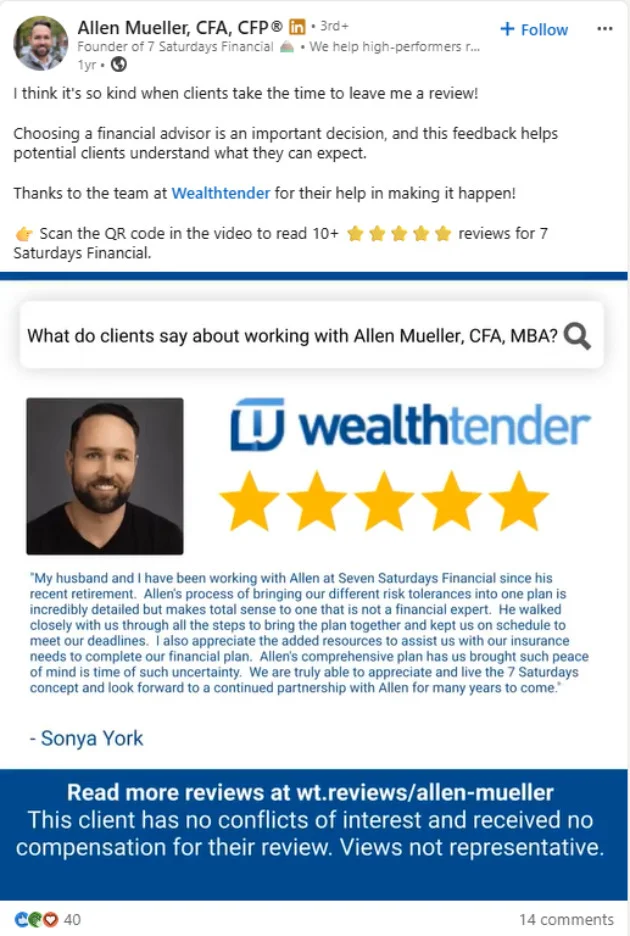
This pillar focuses on third-party validation. Whether it is a client testimonial, a professional certification, or community involvement, this content builds the human connection. When posting testimonials, advisors must ensure the required disclosures are clearly visible. Remember: the goal is to showcase the relationship and the value provided, not to make performance claims.
Lead Generation Within the Guardrails
With a system in place, advisors can shift toward proactive lead generation.
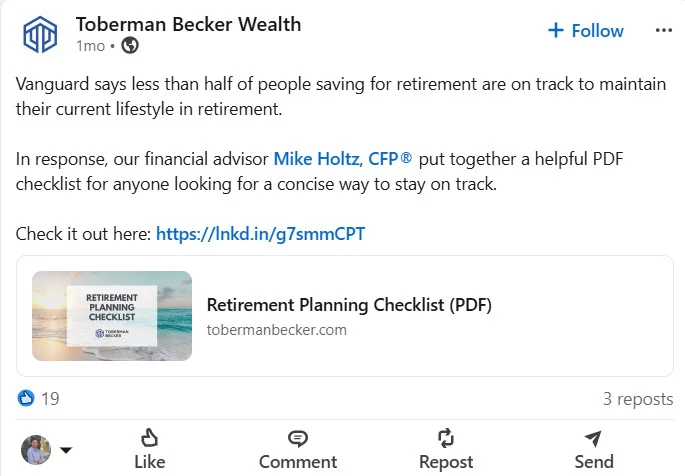
- Educational Lead Magnets: Offering a downloadable guide (e.g., "The Retirement Readiness Checklist") in exchange for an email address is an excellent way to capture high-intent prospects. Once the document and the associated post copy are approved, the asset can be promoted indefinitely.
- Webinars and Live Q&As: These events position the advisor as a subject matter expert. By submitting the slide deck or script for review in advance, advisors can facilitate these events with confidence.
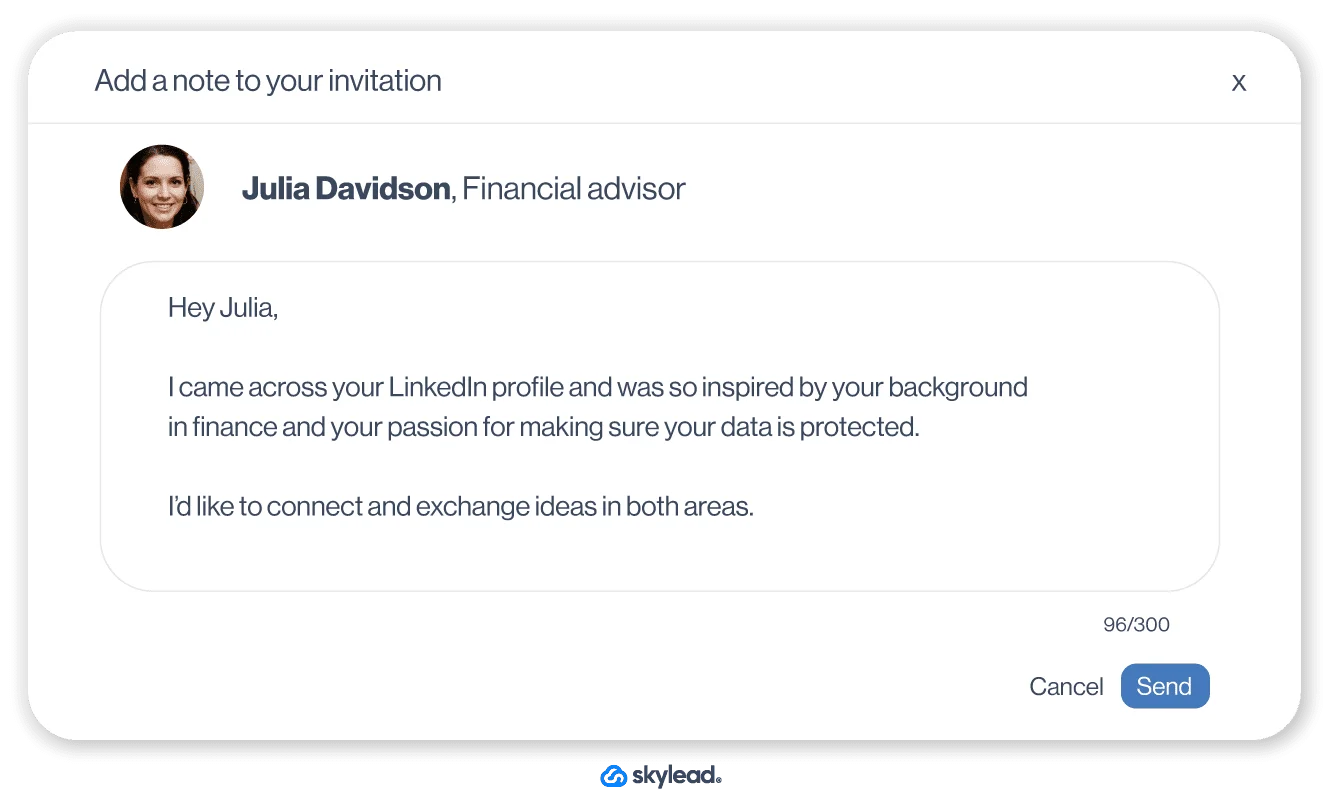
- Value-Based LinkedIn Outreach: LinkedIn is a powerful networking tool. Instead of sending generic sales pitches, advisors should connect with prospects, mention a specific mutual interest, and share an educational resource. Since DMs are considered "interactive content," they require no pre-approval, provided they are properly archived.
- Referral-Ready Content: By creating content specifically designed for clients to share within their own networks—such as tips on estate planning—advisors can exponentially expand their reach.
Operationalizing Compliance with Modern Tools
The primary reason most advisors fail at social media is not a lack of content, but a broken, manual approval process. Emailing Word documents back and forth, losing track of revisions, and failing to maintain a central repository creates significant regulatory risk.
Modern platforms like SocialPilot are designed to solve this by embedding compliance into the workflow. Key features include:
- Pending Review Queues: Ensuring no content goes live without a principal’s sign-off.
- Role-Based Permissions: Defining clear hierarchies between content creators and compliance approvers.
- Timestamped Audit Trails: Every action, from drafting to publishing, is logged, ensuring the firm is prepared for any regulatory examination.
- Shareable Approval Links: Allowing compliance officers to review and approve content without needing a full software seat, streamlining the entire operation.
Conclusion: Starting Your Digital Transformation
You do not need to start by posting 35 times a month. The goal is to build a scalable, compliant system. Begin by meeting with your compliance contact to define three core topic buckets and a template for each. Once these are approved, set up an archiving tool, and commit to a sustainable schedule of three posts per week.
The financial advisory industry is undergoing a digital revolution. The advisors who thrive in the coming decade will be those who master the intersection of human trust and digital efficiency. By moving away from informal, slow approval processes and embracing a structured, technology-driven approach, you can stop missing out on the clients who are already looking for you online. It is time to make your digital presence work as hard as you do.











No comments yet. Be the first to join the conversation!