

By Craig Robinson, Senior Editor
Updated: May 21, 2026
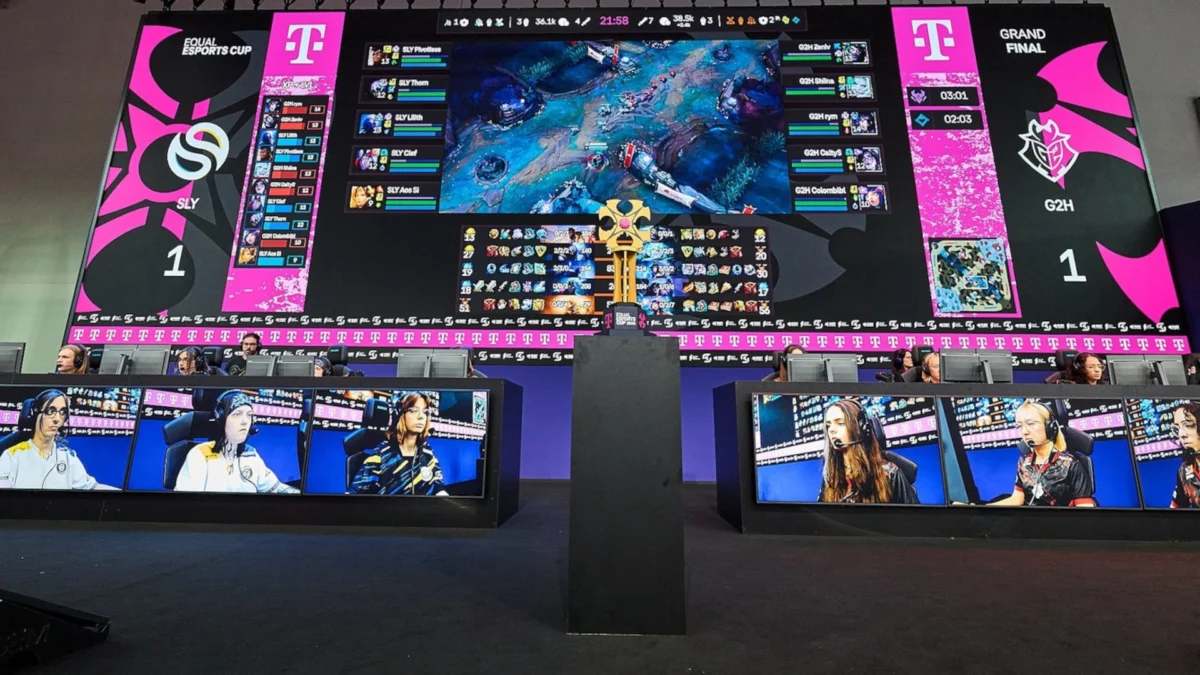
The landscape of professional esports is undergoing a period of intense scrutiny and transformation. As the industry grapples with questions regarding inclusivity, structural support, and the sustainability of women’s and non-binary competitive circuits, the Esports Player Foundation has stepped forward with a beacon of stability. The 2026 edition of the Equal Esports Cup (EEC) has officially announced its roster of invited teams, signaling a renewed commitment to providing a premier platform for marginalized talent in the European region.
With the tournament entering its fifth year, the stakes have never been higher. As teams prepare for a grueling summer schedule, the EEC continues to solidify its reputation as a vital B-tier event that serves as a cornerstone for the development of the next generation of esports professionals.
The Invited Elite: A Look at the 2026 Contenders
The Esports Player Foundation confirmed this week that four powerhouse organizations have received direct invitations to the main event. These organizations represent the gold standard of the current women’s and non-binary competitive scene in Europe:
- SK Avarosa: Long regarded as a tactical powerhouse, SK Gaming’s women’s division returns with high expectations.
- G2 Hel: As the defending champions of the 2025 iteration, G2 Hel enters the tournament with a target on their backs, bolstered by a fresh roster that includes the high-profile signing of British ADC talent, Izzeri.
- Vitality Bee Rising: The organization continues to invest heavily in its diverse talent pipeline, bringing a formidable squad to the table.
- Mental Rush: Rounding out the invites, Mental Rush remains a consistent threat, known for their aggressive playstyle and ability to dismantle established defensive setups.
These four organizations will be joined by four additional teams determined through rigorous open qualification rounds, ensuring that the tournament remains a meritocratic arena where rising underdogs have the opportunity to challenge the industry’s established giants.
Chronology of Competition: From Qualifiers to the Finals
The path to the 2026 Equal Esports Cup trophy is a marathon, not a sprint. The competition is structured to test the endurance, consistency, and adaptability of the participating squads.
The Qualification Phase
The tournament’s opening stages have already seen fierce competition. The first open qualifier has concluded, with Eterna and Eclipse successfully securing their spots in the main bracket. For teams still seeking entry, the window of opportunity remains open via the Open Qualifier 2.
Organizers have emphasized that this tournament is strictly inclusive, welcoming rosters composed of women and non-binary players. Interested teams are encouraged to register through the official Open Qualifier 2 portal immediately, as the window for entry is closing rapidly.
The Summer Schedule
The main event is slated to transform the European esports calendar throughout July and August. The confirmed schedule is as follows:
- Group Stage Matches: July 7, 8, 9, 14, and 15.
- Playoff Bracket: July 28 through August 16.
- Grand Finals: August 29.
Spotlight on G2 Hel: Defending the Crown
The inclusion of G2 Hel as the final invited team is particularly significant. On May 19, 2026, G2 Esports made waves by announcing the restructuring of its "G2 Nord" and "G2 Hel" divisions, simultaneously revealing a strategic sponsorship with McDonald’s.
The addition of British ADC Izzeri to the G2 Hel roster has generated considerable buzz among analysts. Izzeri, who has proven her mechanical prowess in various regional circuits, will be tasked with helping the team navigate both the EEC and the upcoming Riot Games Game Changers circuit. With G2 Hel entering the tournament as the reigning titleholders, the pressure to replicate their 2025 success is immense. The tactical evolution of their roster, combined with the integration of new talent, suggests that they remain the team to beat.
Supporting Data: The Growth of Inclusive Esports
The Equal Esports Cup, which launched in 2021, represents a collaborative effort between the DACH region, SK Gaming, and Telekom. Over the past five years, the tournament has evolved from an experimental initiative into a essential pillar of the European ecosystem.
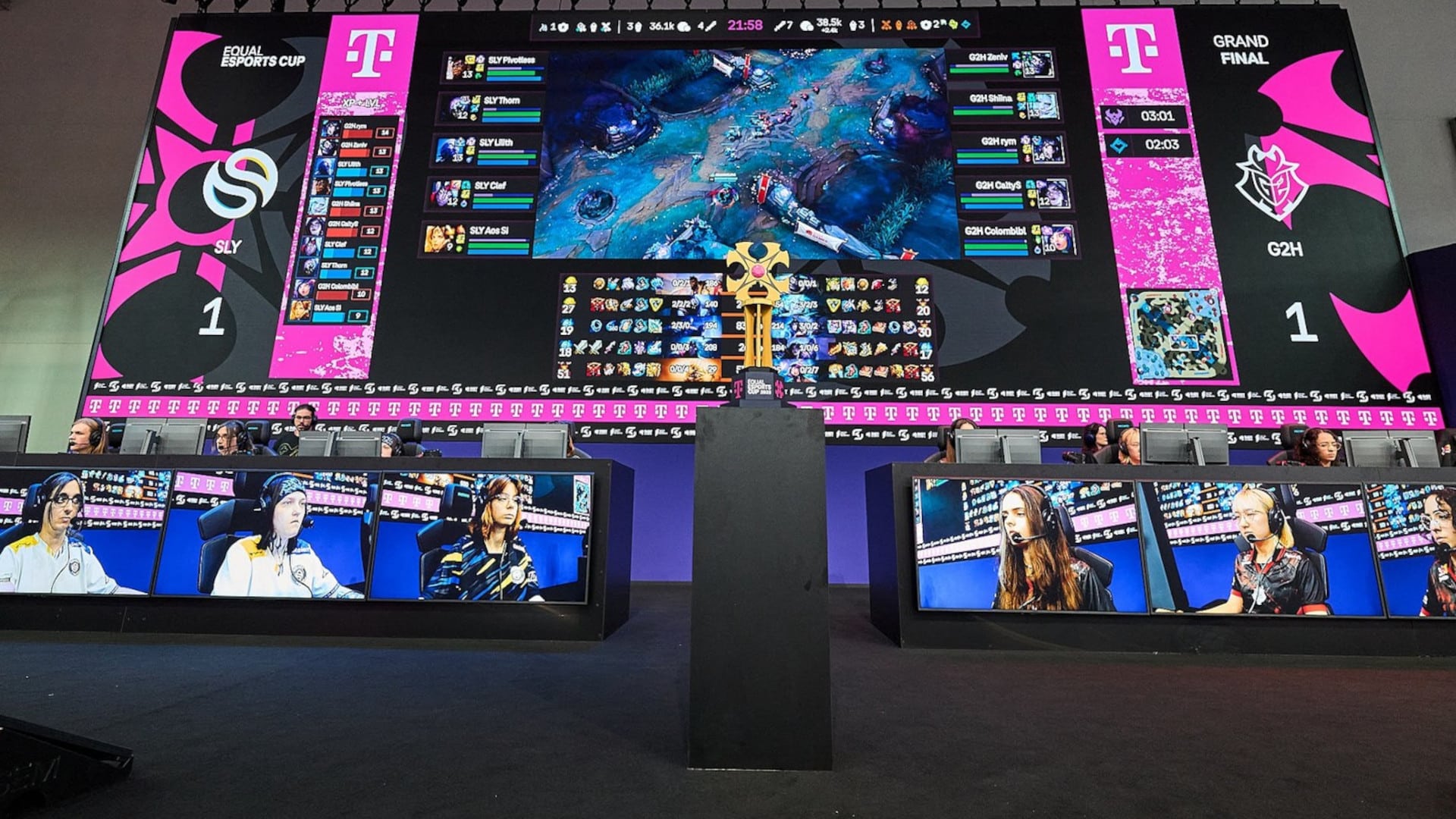
Data from recent years suggests that the "B-tier" tournament model is highly effective at bridging the gap between amateur play and the professional tier. By providing high-production-value environments, the EEC allows players to gain the stage experience necessary to compete at the highest levels, including Riot’s flagship Game Changers events.
The synergy between the EEC and Game Changers—which begins its own cycle on May 29, 2026—is vital. Many of the teams competing in the EEC will also be featured in the Game Changers circuit, creating a continuous loop of high-level competition that keeps the professional scene active throughout the year.
Implications: A Landscape in Flux
The importance of the Equal Esports Cup cannot be overstated, particularly in the context of the current climate for women in gaming. In the last 18 months, the industry has faced a series of setbacks and controversies that have threatened to undo years of progress.
Challenges to Inclusivity
The narrative surrounding women’s esports has been marred by reports of systemic issues. In late 2025, concerns were raised regarding the influence of international state-funded events on women’s competitive integrity. Additionally, internal organizational struggles—such as those reported at Guild Esports—and high-profile public relations missteps, such as the "Heroic Sydney Sweeney" controversy, have left many fans and players feeling disillusioned.
The "Backstep" Narrative
Critics argue that the momentum generated in 2022 and 2023 for women’s esports has faced a "slight backstep." The commercial viability of women’s leagues is frequently questioned by skeptics, and the lack of a clear pathway to Tier-1 professional play remains a significant hurdle.
Why the EEC Matters
The Equal Esports Cup serves as a vital counter-narrative to the idea that women’s esports is stagnating. By focusing on:
- Professionalism: Providing standard, reliable tournament rules and production quality.
- Access: Lowering barriers to entry for non-binary and female players through open qualifiers.
- Stability: Maintaining a five-year track record of consistent operation.
These efforts prove that there is not only a demand for these competitions but a flourishing ecosystem of talent that is ready to compete at the highest level if given the infrastructure.
Looking Ahead: The Future of the Circuit
As we approach the July 7th kickoff, the focus will shift from the administrative side of the tournament to the digital battlefield. The 2026 Equal Esports Cup is more than just a tournament; it is a statement of intent.
For the players, it is a chance to prove their worth on a stage that honors their skill. For the organizations, it is an opportunity to show that diversity in esports is not merely a marketing initiative, but a core component of a healthy, growing industry. Whether G2 Hel can defend their title or a rising team from the qualifiers will pull off a historic upset, the 2026 EEC is poised to be a definitive moment in the history of inclusive esports.
The industry will be watching closely—not just for the plays, but for the continued growth of a scene that refuses to be sidelined.
Stay tuned to Esports News UK for ongoing coverage of the Equal Esports Cup, including match reports, player interviews, and tactical breakdowns as the tournament progresses throughout the summer.











No comments yet. Be the first to join the conversation!