

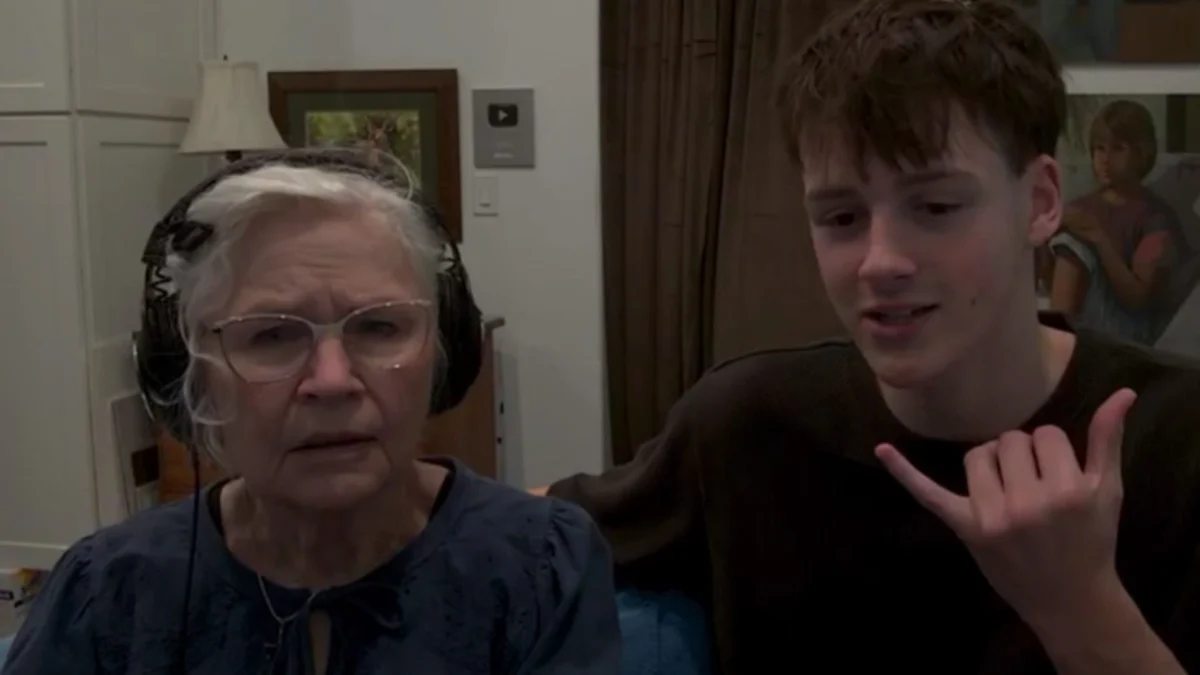
In the rapidly evolving landscape of digital content creation, few stories have captured the public imagination quite like that of Sue Jacquot. Known to her growing legion of followers as "Gramma Crackers," the 81-year-old gamer rose to prominence in 2024 through her heartwarming endeavor to fund her grandson Jack’s cancer treatments by streaming Minecraft.
What began as a grassroots effort to secure medical support has transformed into a high-profile platform, but that visibility has brought with it the darkest side of internet culture. On May 18, the Jacquot household became the latest victim of "swatting"—a dangerous, malicious prank that involves calling in a fake emergency to police to trigger an armed response at a target’s residence. While the incident resulted in no physical casualties, it has ignited a fierce national conversation regarding the safety of streamers and the dire, real-world consequences of virtual harassment.
The Origins: Gaming for a Cause
The saga of Gramma Crackers is rooted in familial devotion. When her grandson, Jack, was diagnosed with cancer, the financial burden of his treatment in Arizona threatened to overwhelm the family. Rather than despair, Jacquot turned to the digital world. Leveraging the popularity of Minecraft, she began broadcasting, quickly endearing herself to the community through her charm, resilience, and genuine love for her grandson.
Her broadcasts became a rallying point. Viewers didn’t just tune in for the gameplay; they tuned in for the narrative of hope and the testament to a grandmother’s love. As her channel grew, so did the funds for Jack’s treatment. Even as Jack entered remission, Jacquot continued her broadcasts, maintaining the community she had built. However, the very fame that allowed her to save her grandson’s life eventually made him a target for malicious actors.
A Chronology of the May 18 Incident
The events of May 18 stand in stark contrast to the wholesome nature of Jacquot’s typical content. According to accounts provided by Jacquot during a recent interview with content creator JiDion, the afternoon was shattered by an aggressive police mobilization.
The Escalation
The incident began with a series of phone calls. Jacquot noted that law enforcement attempted to contact their residence three times prior to their physical arrival. These calls were likely part of an attempt by dispatchers to verify the credibility of a report claiming that Jack had shot his grandmother and was threatening self-harm.
When the situation moved from the phone line to the driveway, the response was overwhelming. Witnesses and local reports confirm that approximately 20 police vehicles, a tactical SWAT unit, and multiple aerial drones descended upon the property.
The Confrontation
The tactical response was predicated on the false report of a violent crime in progress. For Jack, who is still in the fragile stages of recovery from chemotherapy, the experience was harrowing. In her interview with JiDion, Jacquot described the terrifying reality of the moment:
"Jack is the one who had all the stress," Jacquot explained. "Jack was the last one to come out. And remember, he’s recovering from all his chemo so his arms are not as strong as they used to be. He was walking a huge distance with his arms straight out. He said, ‘I knew that if I dropped an arm they could shoot me!’ So that was really scary for him."
While Jack faced the barrel of police weaponry, Jacquot’s reaction was markedly different. Her decades of life experience seemingly armored her against the immediate panic that might have overcome a younger person. She described the subsequent interaction with law enforcement as "kinda fun," even securing a ride in a police cruiser, demonstrating a stoic, if not surreal, ability to compartmentalize the trauma.
Supporting Data and the Digital Footprint
The swatting of Gramma Crackers was not a random act of chaos but a targeted strike. The perpetrators utilized a sophisticated, albeit cowardly, approach. Jacquot revealed that the caller utilized a fake French accent—a common tactic used to obscure identity and add a layer of theatricality to the harassment.

The fallout of the event has been twofold. On one hand, it has caused significant psychological distress for the family, particularly for Jack, who had been focused on his recovery. On the other hand, it has created a surge of public empathy.
The GoFundMe campaign originally established for Jack’s medical expenses has seen a dramatic influx of donations following the news of the swatting. The fund has officially crossed the $100,000 threshold, a testament to a community that refuses to let malice define the outcome of the family’s journey. This financial support serves as a buffer against the trauma, though it does little to address the systemic vulnerability of the streaming profession.
Official Responses and Investigative Status
Local law enforcement agencies, having realized they were the instruments of a malicious hoax, have launched a formal investigation. The process of tracking a "swatter" is notoriously difficult, as these individuals often employ sophisticated VPNs, VoIP spoofing, and other obfuscation technologies to mask their digital signatures.
However, the "swatting" phenomenon has recently moved into the crosshairs of federal authorities. In several jurisdictions across the United States, swatting is now treated as a felony, particularly when it results in the deployment of tactical units or causes physical harm. Detectives investigating the Jacquot case are currently analyzing the audio from the initial 911 calls, looking for linguistic patterns and technical leads that could identify the culprit.
For the police, these incidents represent a significant misuse of taxpayer resources and a dangerous diversion from actual emergencies. As departments become more "swatting-aware," they are developing protocols to better vet anonymous tips, though the pressure to respond to reports of imminent lethal violence remains a primary constraint.
Implications: The High Cost of Streaming
The swatting of Gramma Crackers highlights a grim reality in the modern digital age: the lack of a "safe harbor" for content creators. When a person turns on a camera, they effectively invite the world into their living room. While this fosters community and financial independence, it also strips away the veil of privacy that protects non-public figures.
The Vulnerability of Personal Data
The primary tool of the swatter is "doxing"—the process of finding a person’s real-world address. For many streamers, protecting this information is a full-time job. Services exist to scrub home addresses from public records, yet determined individuals can still bypass these defenses through social engineering or public leaks.
Psychological Warfare
Swatting is intended to strip a victim of their sense of security. By turning a person’s own home into a place of mortal danger, perpetrators aim to force the streamer off the platform. In the case of Gramma Crackers, the intent was to disrupt a life already strained by the medical trauma of cancer.
The Need for Legislative Action
Industry experts are increasingly calling for harsher federal penalties for those who participate in swatting. Current legal frameworks are often fragmented, with different states treating the offense with varying degrees of severity. Proponents of stronger laws argue that federal oversight is necessary to ensure that those who weaponize law enforcement are held accountable with sentences that reflect the potential for loss of life.
Conclusion: A Community Unbroken
Despite the terror of May 18, Sue Jacquot remains undeterred. Her journey—from a grandmother simply trying to help her grandson to a viral sensation—is a story of human endurance. She has navigated the complexities of the healthcare system, the pressures of sudden internet fame, and the terrifying realities of digital harassment with a sense of humor and grace that has resonated with millions.
As the investigation into the swatting continues, the story of Gramma Crackers serves as a stark reminder. It is a warning to the digital community about the fragility of safety, and a call to action for platforms and legislators to better protect those who provide entertainment and comfort to so many. For now, Jack and his grandmother remain, their community is stronger than ever, and their message remains clear: kindness will always be the most potent force against the anonymity of the digital mob.











No comments yet. Be the first to join the conversation!