

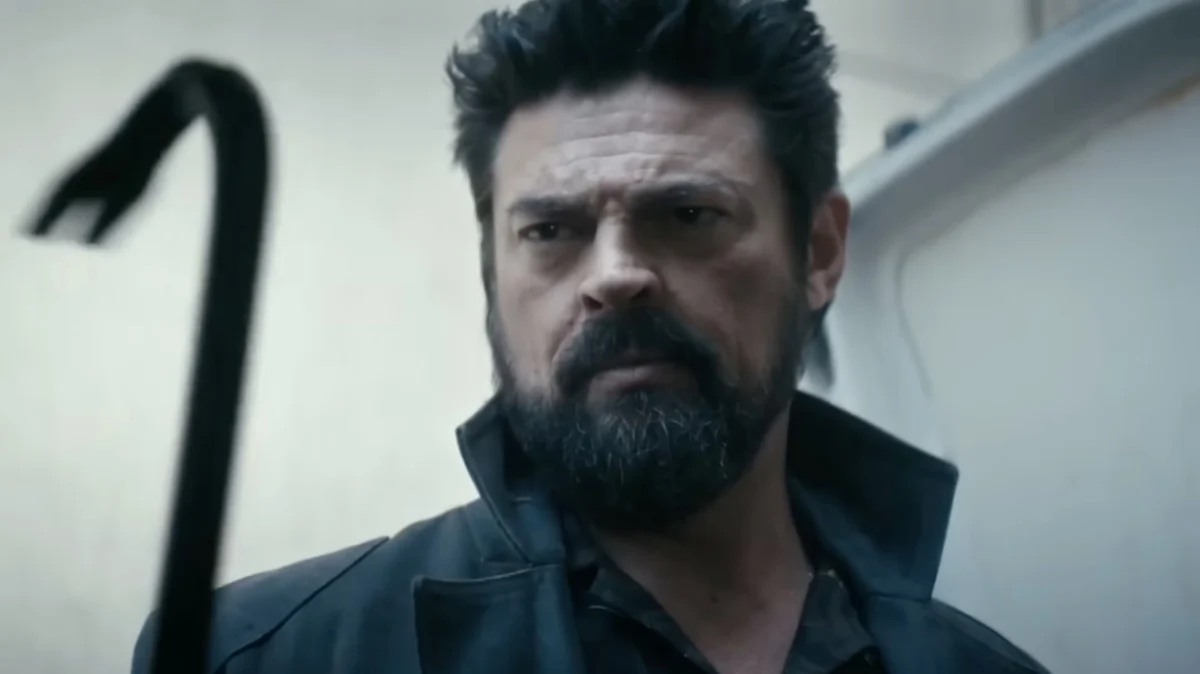
Spoilers follow for the series finale of "The Boys."
The conclusion of Amazon Prime Video’s satirical superhero juggernaut, "The Boys," was always going to be a monumental task. With years of political intrigue, escalating supe-supremacy, and the slow-motion collapse of American democracy, the series finale, "Blood and Bone," had to juggle a staggering amount of narrative plates. While much of the finale’s oxygen was consumed by the ultimate showdown between Billy Butcher and Homelander, a quiet, essential resolution occurred in the series’ final moments: the return and vindication of President-elect Robert "Dakota Bob" Singer.
The Political Landscape: A Recap of the Crisis
To understand the weight of Singer’s return, one must revisit the turbulent landscape of Season 4. The season functioned as a high-stakes countdown to the presidential inauguration, a period defined by the fragile balance of power between the democratic establishment and the encroaching influence of Vought International.
Robert Singer, portrayed by veteran character actor Jim Beaver, was the beacon of traditional governance in a world increasingly dominated by corporate-sponsored "supes." However, his campaign was fatally compromised by his choice of Vice President: Victoria Neuman. As viewers learned, Neuman was not merely a political operative but a blood-bending supe capable of lethal telekinesis. The Boys spent the entirety of the fourth season in a desperate, frantic race to neutralize Neuman before she could ascend to the presidency, effectively handing the keys to the White House to Homelander.
The turning point occurred when Billy Butcher—in a characteristically violent act of intervention—took care of the Neuman problem. However, the victory was pyrrhic. Singer was framed for the assassination, cast from the halls of power into the darkness of a prison cell. This power vacuum allowed Homelander’s puppet, Steve Calhoun, to seize the executive branch, marking the darkest chapter for American sovereignty in the show’s canon.
The Chronology of the Return
The finale’s structure masterfully brought the political arc full circle. By the time "Blood and Bone" reaches its crescendo, the Homelander-Calhoun regime has effectively been toppled. The shadow of Vought, while not entirely eradicated, has been significantly weakened.
The narrative path to Singer’s return is one of restoration. Following the impeachment of the illegitimate President Ashley Barrett—who had briefly attempted to cling to the reins of power—the constitutional order was forced to correct itself. With the architects of the coup removed, the wrongfully imprisoned Robert Singer was finally cleared of the charges that had sidelined him.
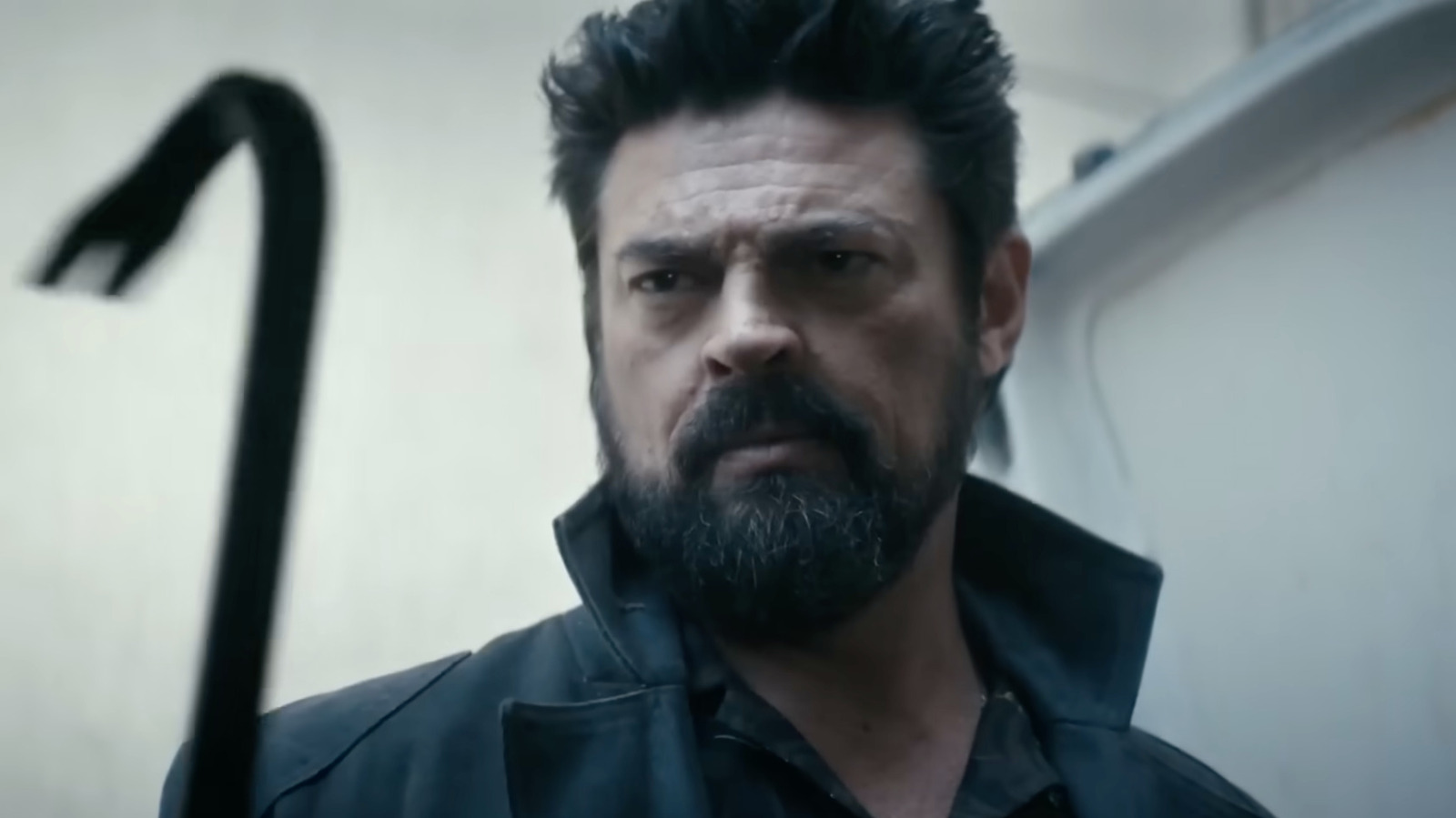
In the final scene of the series, we see a rejuvenated Singer reaching out to Hughie Campbell with a formal job offer. He extends an invitation for Hughie to lead a reinstated Federal Bureau of Superhuman Affairs, a role that mirrors the work Hughie was performing back in Season 3. It serves as a poignant bookend: the character who began the series as a grieving civilian, forced into the underground, is now being asked by the President of the United States to help build a legitimate, non-corrupt future. Hughie’s refusal of this offer is perhaps the most significant moment for his character arc, signaling that he is finally ready to step away from the cycle of violence that defined his life for years.
Supporting Data: Why the Singer Resolution Matters
While casual viewers might have viewed Singer as a secondary character, his return is vital to the show’s thematic conclusion. Throughout the series, the world of "The Boys" is depicted as one where institutional trust has been entirely eroded. By having Singer return to office, showrunner Eric Kripke provides a rare, albeit small, glimmer of hope that the American political structure can recover from the "supe" corruption.
Furthermore, the character serves as a meta-narrative bridge. The name "Robert Singer" is a deliberate homage to Jim Beaver’s iconic role as Bobby Singer in Kripke’s previous hit series, "Supernatural." In that show, Beaver’s character served as a mentor and father figure to the Winchester brothers. By carrying the name over to "The Boys," Kripke created a sense of continuity for his own creative legacy. It is a subtle acknowledgment that, despite the cynicism inherent in "The Boys," the core desire for "family" and "mentorship"—even in the face of monsters—remains a driving force.
The "Supernatural" Connection: A Creative Legacy
The presence of Jim Beaver in the series finale is part of a broader, well-documented trend within the production of "The Boys." Eric Kripke has frequently leaned into his "Supernatural" roots, casting various alumni in pivotal roles. The most prominent example is Jensen Ackles, who joined the cast as Soldier Boy, bringing a complex, retro-violent energy to the show.
The connection went even deeper in the final seasons, with the addition of Jeffrey Dean Morgan, who played the father figure in "Supernatural," as the character Joe Kessler. The crossover reached its zenith in Season 5, Episode 5, which served as a massive "Supernatural" reunion, featuring cameos from Jared Padalecki (Mr. Marathon) and Misha Collins (Malchemical).
This isn’t just fan service; it is a testament to the cohesive creative community Kripke has built over two decades. By placing Jim Beaver—the "father" of the Winchester saga—in the role of the President who ultimately restores order to the chaotic world of "The Boys," Kripke closes his career-defining chapter with a poetic, structural symmetry that satisfies long-term fans.
Implications for the Universe
The implications of Singer’s return are twofold. First, on a narrative level, it suggests that the world of "The Boys" will continue to exist in a state of rebuilding. The supes have been checked, and the government has been purged of its most overt traitors. The Federal Bureau of Superhuman Affairs being reinstated suggests a future where humanity attempts to regulate the super-powered population through bureaucracy rather than vigilante death squads.
Second, on a thematic level, it validates the "everyman" perspective. Throughout the show, we have watched billionaires, supes, and corporate overlords dictate the lives of ordinary people. By ending with the President of the United States—the highest office in the land—reaching out to Hughie, a man who has no powers, no wealth, and no desire for influence, the show acknowledges that the true strength of the world lies in those who chose to reject the siren song of power.
Official Context and Creative Intent
In interviews surrounding the conclusion of the series, Eric Kripke has often emphasized that "The Boys" was intended to be a critique of the modern celebrity-industrial complex and the erosion of truth. The character of "Dakota Bob" was always intended to represent the "old guard" of politics—flawed, perhaps a bit out of touch, but fundamentally bound by a belief in the rule of law.
When asked about the casting of Jim Beaver, Kripke has noted that he wanted a face that the audience already associated with wisdom and grounded authority. Beaver’s performance across the seasons allowed the show to maintain a baseline of stakes that went beyond the super-powered brawls. Without Singer, the world of "The Boys" would have felt entirely lawless; with him, the show provides a faint, necessary map back to normalcy.
Final Thoughts: A Quiet Victory
The resolution of Robert Singer’s fate is not a bombastic spectacle. There are no laser eyes, no exploding heads, and no grand speeches delivered from a podium. Instead, it is a telephone call. It is a quiet, human moment in a world that has been screaming for years.
By allowing Singer to survive the machinations of Vought and the instability of the Neuman administration, the series finale offers a rare, dignified exit for a character who represented the best of a broken system. His return confirms that while the age of the supes may have changed the world irrevocably, there remains a space—however small—for the institutions of the past to pick up the pieces and attempt to govern once more. For Hughie, the offer to lead the bureau was an opportunity to return to the life he once had, but his refusal marks his final evolution: he no longer needs the government, or the supes, to define his identity. He is finally, truly, his own man.









No comments yet. Be the first to join the conversation!