

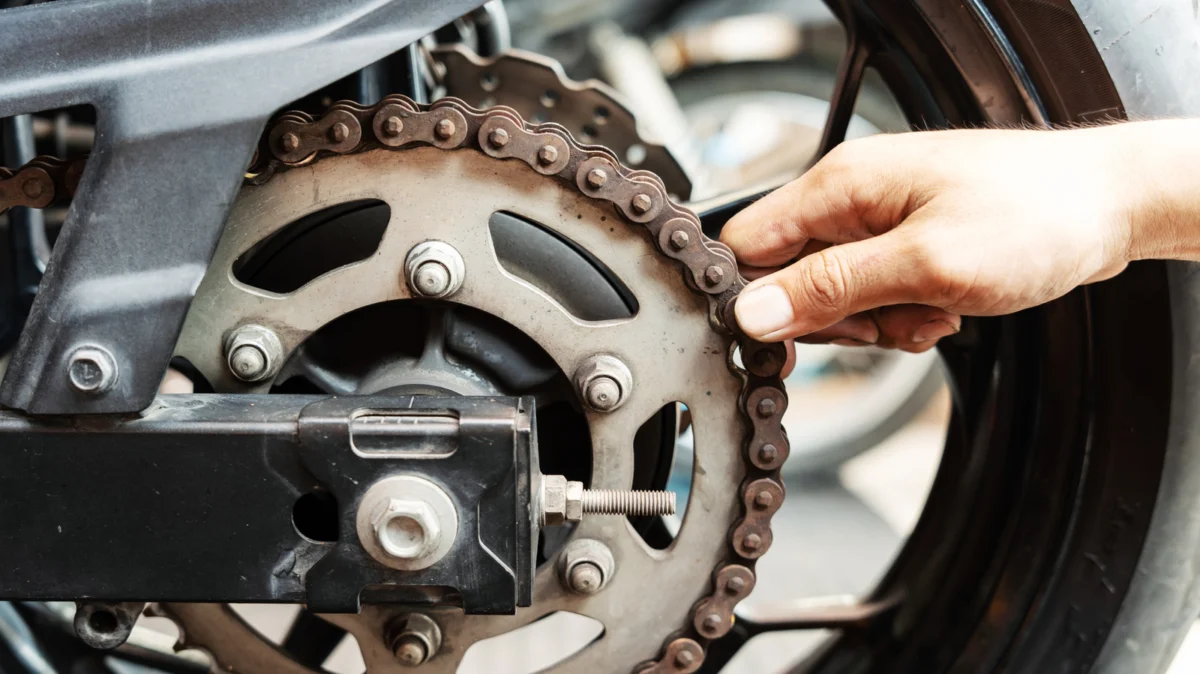
For motorcycle enthusiasts, the relationship between rider and machine is often defined by the exposure to the open road. Unlike passenger cars, which house their intricate mechanical and electrical systems beneath expansive steel hoods, motorcycles are inherently "naked." This exposure to the elements—rain, road salt, humidity, and atmospheric pollutants—makes them uniquely susceptible to the relentless march of oxidation.
While complete immunity to rust is an engineering impossibility, modern chemical science has provided riders with a formidable arsenal to slow the process. Among the most discussed solutions in the enthusiast community is the Lear Chemical ACF-50, a product that has transitioned from high-stakes aerospace maintenance to the humble motorcycle garage.
The Core Problem: Why Motorcycles Are Rust Magnets
The primary challenge in motorcycle maintenance is the density of exposed components. From the intricate lattice of a tubular frame to the delicate battery terminals and exposed wiring looms, a motorcycle is essentially a collection of metal surfaces waiting for a catalyst to begin the oxidation process.
Rust—specifically iron oxide—forms when iron is exposed to oxygen and moisture. Road salt, commonly used in colder climates to de-ice highways, acts as an electrolyte, significantly accelerating the galvanic corrosion process. Once rust takes hold, it does more than degrade the aesthetic appeal of your chrome; it compromises the structural integrity of fasteners, creates high-resistance points in electrical connectors, and can eventually lead to the failure of critical safety components.
Lear Chemical ACF-50: A Case Study in Preservation
The Lear Chemical ACF-50 Anti-Corrosion Lubricant Compound has garnered a reputation as a "gold standard" for preventative maintenance. Originally formulated for the aerospace industry to protect aircraft airframes from the harsh realities of high-altitude flight and salt-laden marine environments, its application to motorcycles was a logical evolution.
Key Application Areas
To effectively utilize ACF-50, owners must move beyond simple surface cleaning. The product is designed to penetrate, lubricate, and protect. Recommended application points include:
- Electrical Systems: Battery terminals, light sockets, and ignition switches, where oxidation can lead to intermittent failure.
- Frame and Fasteners: The hidden recesses of the chassis where water tends to pool.
- Ancillary Components: Radios, antennas, and exposed engine block surfaces.
Unlike traditional lubricants that sit atop the surface, ACF-50 is engineered to creep into tight seams and displace existing moisture, effectively "sealing" the metal from future contact with the environment.
Chronology of Corrosion Management
The evolution of motorcycle care has moved through several distinct eras. In the mid-20th century, maintenance was largely limited to heavy greases and oils, which were effective but attracted significant amounts of dirt and road grime.
- The Era of Physical Barriers (1960s–1980s): Riders relied heavily on thick wax coatings and heavy-duty grease to seal out moisture. While effective, these methods often led to "gunking" of engine components.
- The Aerosol Revolution (1990s–2010s): The rise of multi-purpose sprays like WD-40 changed the landscape. While convenient, these products were often misunderstood, with users applying them as long-term lubricants when they were primarily designed as water-displacement agents.
- The Advanced Chemical Era (2020–Present): Products like ACF-50 and CorrosionX represent the current standard, utilizing specialized dielectric properties that protect electronics without leaving behind a tacky, dirt-attracting residue.
Supporting Data and User Efficacy
Current market data as of mid-2026 highlights a significant shift in consumer preference toward specialized inhibitors. On platforms like Amazon, ACF-50 holds an impressive 4.7-star rating from over 650 verified purchasers, with an overwhelming 84% of users awarding it a perfect 5-star rating.
Comparative Performance Analysis
A frequent point of debate among enthusiasts is how ACF-50 stacks up against the household standard, WD-40.
- Performance Longevity: Users consistently report that ACF-50 maintains its protective layer significantly longer than standard lubricants, resisting wash-off from rain and road spray.
- Residue Characteristics: A major complaint regarding traditional lubricants is the "greasy" residue that collects grit and debris. ACF-50 is noted for its ability to provide a "dry-touch" finish that is less prone to trapping abrasive road dust.
- The CorrosionX Alternative: CorrosionX is often cited as the primary competitor. With over 780 reviews and a similar 4.7-star rating, it remains a favorite for those working with highly sensitive industrial electronics. Both products offer similar benefits, but the choice often comes down to individual brand loyalty and specific viscosity preferences.
Critical Feedback and Safety Warnings
Despite the glowing testimonials, the user experience is not universally positive. A small segment of the consumer base has reported logistical issues that prospective buyers should note:
- Hardware Failures: Some users have reported clogged spray nozzles, which can be particularly frustrating when dealing with an aerosol product that relies on precise application.
- Propellant Issues: There are isolated reports of the product losing its aerosol pressure before the liquid content is fully exhausted.
- Application Hazards: Perhaps the most important warning comes from users who have accidentally sprayed the product on floor surfaces or footwear, creating a significant slip hazard. Proper masking of surrounding areas during application is strongly advised.
Implications for the Modern Rider
The shift toward proactive corrosion management is indicative of a broader trend in motorcycle ownership: the move toward longer-term vehicle retention. As motorcycle prices continue to climb, owners are incentivized to invest in preventative maintenance that protects their investment’s resale value and functional reliability.
The Economic Argument
While products like ACF-50 retail for approximately $22.11 per can—a price point that may seem high compared to generic alternatives—the cost of replacing corroded wiring harnesses or rusted-out fasteners far exceeds the annual cost of a preventative spray. When viewed as an insurance policy for a high-value asset, the return on investment (ROI) is substantial.
Environmental and Practical Considerations
Riders must also consider the environmental impact and safe disposal of these chemicals. Because these products are designed to be "creeping" agents, they can easily migrate into braking components if over-applied. Extreme caution must be exercised to ensure that no anti-corrosion spray comes into contact with brake discs, pads, or tires. A contaminated braking system is a critical safety failure and must be professionally cleaned or replaced immediately.
Conclusion: A New Standard of Care
Maintaining a motorcycle in pristine condition requires a transition from reactive cleaning to proactive preservation. By understanding the chemical mechanisms of rust and utilizing advanced inhibitors like ACF-50 or CorrosionX, riders can extend the lifespan of their machines significantly.
However, chemicals are only one part of the equation. A comprehensive maintenance regimen must still include:
- Regular Washing: Removing the salt and road grime that acts as the base for corrosion.
- Proper Storage: Using breathable motorcycle covers in damp climates to prevent the "greenhouse effect" that can accelerate rust.
- Mechanical Inspection: Checking for loose bolts or damaged protective coatings on the frame during every oil change.
Ultimately, the goal of the motorcycle enthusiast is to spend more time riding and less time repairing. By integrating these advanced corrosion inhibitors into a standard maintenance schedule, riders can ensure that their motorcycles remain not just functional, but visually and mechanically sharp, regardless of the miles or the weather they encounter. As the industry continues to evolve, the tools available for this preservation will likely become even more sophisticated, but the core principle remains: protect the metal, preserve the ride.












No comments yet. Be the first to join the conversation!