Asep Darmawan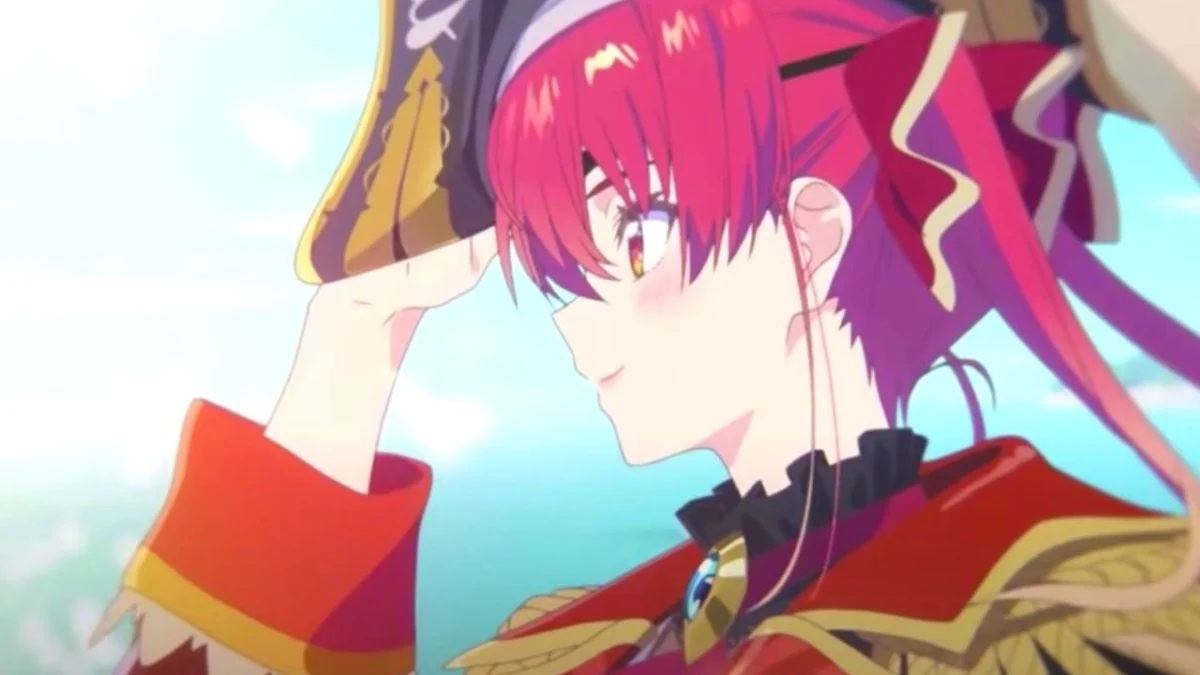
In the rapidly evolving landscape of digital entertainment, a new phenomenon has taken the internet by storm: the Virtual YouTuber, or "VTuber." Characterized by high-fidelity 2D or 3D animated avatars controlled by real-life performers, these digital icons have bridged the gap between traditional anime aesthetics and live-streamed interactivity. At the forefront of this revolution stands Cover Corp’s Hololive Production, a Japanese agency that has transformed from a niche venture into a global powerhouse.
With the announcement of its latest initiative, "Hololive Alternative," the agency is signaling a move beyond simple content creation. Hololive is aiming to construct a persistent, expansive virtual world—a metaverse where the barriers of geography and language are dismantled.
The Genesis of the VTuber Phenomenon
To understand the gravity of the "Hololive Alternative" project, one must first appreciate the scale of the current Hololive ecosystem. What began as an experimental project to explore motion-capture technology in streaming has blossomed into a roster of over 50 world-renowned talents.
Stars such as Takanashi Kiara and Ninomae Ina’nis have transcended the medium of gaming and chatting, performing in massive virtual concerts and cultivating loyal, international fanbases that span every continent. The appeal is twofold: it combines the parasocial intimacy of traditional live streaming with the imaginative, escapist allure of high-budget Japanese animation. By masking their physical identities with meticulously designed digital personas, these creators have fostered a unique medium where the performance is liberated from the constraints of the physical form.
Hololive Alternative: A New Dimension of Reality
The "Hololive Alternative" project represents the agency’s most audacious pivot to date. Announced via a cryptic yet breathtaking promotional video, the project serves as a conceptual framework for a new, immersive virtual environment.
What is the "Alternative" Vision?
At its core, Hololive Alternative is designed to be a sandbox—a sprawling, interconnected world where the established lore of various Hololive talents can converge. For years, individual VTubers have developed their own "backstories" and mythologies; this project seeks to unify these fragmented narratives into a cohesive, animated universe.
The official project website serves as the gateway to this vision, featuring stunning concept art and high-production-value trailers that suggest a narrative depth previously unseen in the VTuber industry. By creating this "Alternative" space, Cover Corp is providing a stage where fans are not just spectators, but participants in a larger, evolving story.
Chronology of Development
The trajectory of Hololive’s growth has been defined by rapid expansion and constant technological iteration.
- December 2019: Cover Corp formalizes the "Hololive Production" branding, consolidating its various sub-units and talent branches under a single corporate umbrella.
- 2020–2021: The "VTuber Boom" reaches critical mass. Hololive talents begin dominating global YouTube streaming metrics, setting records for concurrent viewers during major live events.
- February 2021: The official announcement of "Hololive Alternative" drops, accompanied by a teaser trailer that trends globally on Twitter.
- March 2021: The recruitment phase for potential collaborators and creators begins, signaling an openness to expand the creative team behind the lore and world-building of the project.
- Ongoing: The serialized release of manga and promotional media via the dedicated "Hololive Alternative" Twitter account establishes a rhythm of engagement, keeping the audience invested in the expanding narrative.
Supporting Data: The Power of the Virtual Economy
The shift toward virtual talent is not merely a cultural trend; it is a economic powerhouse. Statistics from streaming analytics platforms consistently place Hololive talents in the top tier of "Super Chat" earners—a metric that measures direct audience monetary support.
The success of these creators is predicated on a high-engagement model. Unlike traditional celebrities who maintain a distance from their audience, VTubers utilize their virtual avatars to create a sense of presence. When a streamer is playing a game, they are reacting in real-time, with the avatar’s facial expressions and body language synced to their own. This high-fidelity interactivity ensures that fans feel a genuine, personal connection, which translates into an incredibly resilient and dedicated community.
Official Stance and Corporate Vision
Motoaki Tanigo, the CEO of Cover Corp, has been vocal about his long-term aspirations for the company. His vision is not limited to managing talent; it is about building a digital infrastructure for entertainment.
In various interviews and press releases, Tanigo has emphasized that the goal of Hololive Alternative is to remove the "walls" surrounding virtual talent. He envisions a world where performers can host shows that are accessible to international fans simultaneously, utilizing advanced VR and AR technology to make the "virtual" feel as tangible as a physical concert. By creating this shared virtual space, Cover Corp aims to solve the inherent limitations of the physical world—distance, travel costs, and the inability of a creator to be in multiple places at once.
The Implications of the Metaverse Pivot
The move toward a unified virtual world has profound implications for the future of digital media.
1. The Death of Distance
By hosting events within a persistent virtual space, Hololive is effectively rendering the physical location of the fan irrelevant. Whether a viewer is in Tokyo, Los Angeles, or London, the experience of a virtual concert or fan event remains consistent. This is a significant leap toward a truly globalized entertainment experience.
2. Cross-Media Storytelling
The decision to launch a manga series based on the "Alternative" storyline indicates a desire to dominate multiple entertainment verticals. By weaving the lore of the streamers into print media, the agency is ensuring that their characters are not just live-streamers, but fictional icons capable of carrying long-form, scripted narratives.
3. Community and Language Barriers
One of the most persistent hurdles for Japanese-origin media is the language barrier. Hololive has already begun addressing this by recruiting multilingual talents who can stream in English, Indonesian, and other languages. "Hololive Alternative" aims to further bridge these gaps by providing a standardized visual language—an animated world that requires little to no translation to understand the emotional stakes and the beauty of the setting.
Challenges and Future Outlook
While the ambition is grand, the path forward is not without its challenges. Maintaining a high standard of quality across a rapidly growing roster of 50+ talents requires immense technical and management resources. Furthermore, the "metaverse" concept is still in its infancy; building a platform that can handle thousands of concurrent users in a meaningful, interactive way remains a daunting engineering task.
However, if history is any indication, Cover Corp is well-equipped to navigate these hurdles. They have consistently demonstrated an ability to pivot, adapt to community feedback, and invest in the cutting-edge technology necessary to keep their avatars on the bleeding edge of the industry.
As we look toward the future, "Hololive Alternative" stands as a testament to the fact that the digital frontier is no longer a fringe curiosity. It is a burgeoning new reality. Whether through their manga, their live-streamed concerts, or the upcoming virtual world, Hololive is crafting a narrative that invites us all to step through the screen.
For the fans, the message is clear: the show is just beginning, and the world they are building is one where everyone is invited to play a part. Whether you are a long-time follower of Takanashi Kiara or a newcomer drawn in by the allure of the "Alternative" trailer, the next chapter of Hololive promises to be a transformative experience in the history of internet culture.


 Ammar Sabilarrohman
 Lina Hope